Keloid Scar Treatment: Why They Return and What Helps


Written by DivinHeal Editorial Contributor, Rahul Kumar, Medical Expert | Medically Reviewed by Dr Indu Priya, MBBS,MD Published on: 2026-11-20
Plan My Journey
Tell us your condition and budget - our AI matches the right destination, hospital and doctor and visa pathway
Keloid Scar Treatment: Why They Return and What Helps
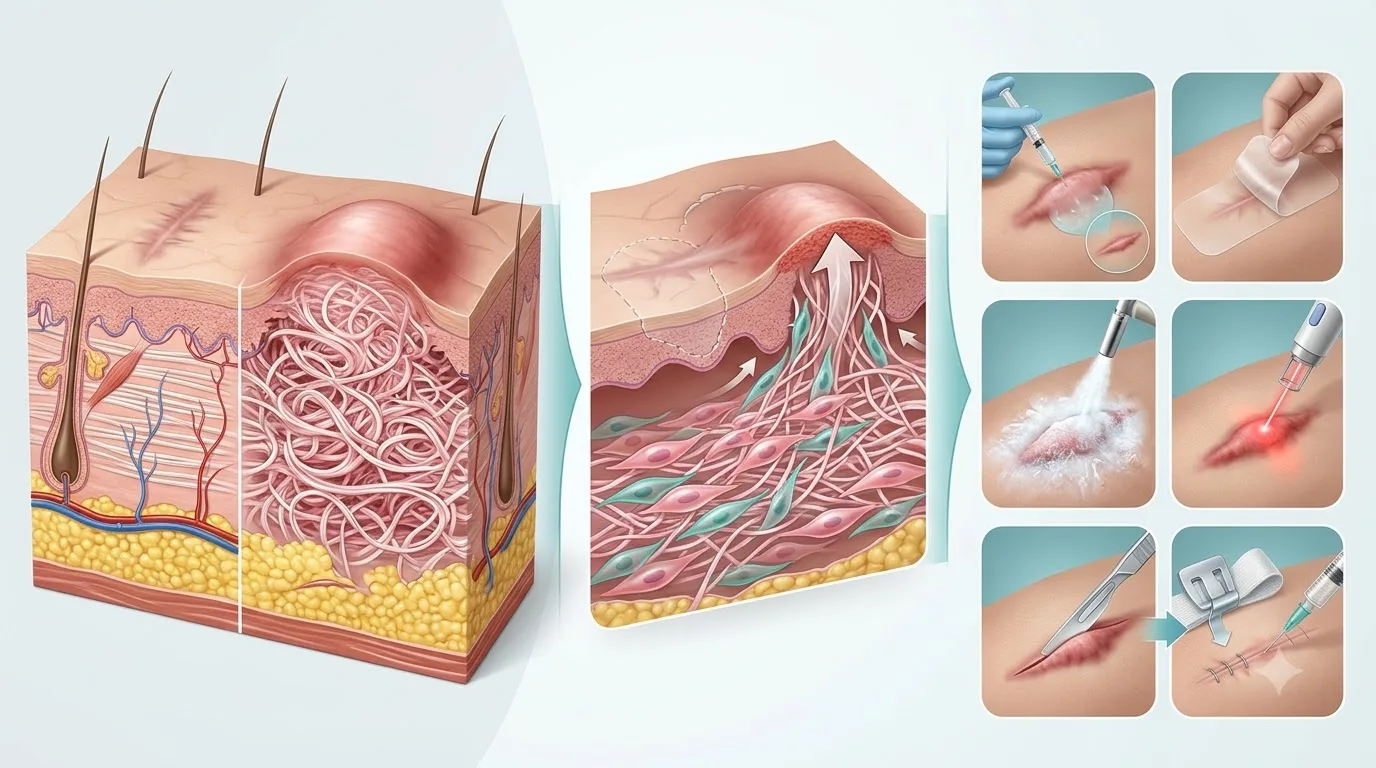
Quick answer: what is the best keloid scar treatment? Keloid treatment often works best when different approaches are combined. Surgery alone has a high risk of recurrence, so dermatologists may recommend additional treatments such as steroid injections or radiation after removal. Other options include silicone gel or sheets, pressure earrings and cryotherapy. The right approach depends on the keloid's size, location and previous treatment. No treatment can guarantee that a keloid will not return. |
|---|
Introduction
Treating keloids can be challenging because they may grow back even after removal. This can be frustrating, especially when a keloid develops after an ear piercing, surgery or an injury. Keloids are more common in people with darker skin tones and those with a family history of these scars. This guide explains why keloids return, compares available treatment options and covers the steps that may help reduce the risk of recurrence. However, no treatment can guarantee that a keloid will not return.
Key Takeaways
|
|---|
What Is a Keloid?
A keloid is a firm, raised scar that grows beyond the boundaries of the original wound. Unlike some other scars, it does not usually shrink or fade on its own. Keloids may also cause itching, pain or discomfort.
Keloid vs Hypertrophic Scar
Keloids and hypertrophic scars are both raised scars, but they grow differently. A hypertrophic scar stays within the boundaries of the original wound, while a keloid grows beyond them.
Hypertrophic scars usually develop within weeks of an injury and may flatten over time. Keloids can appear months or even years later and generally do not shrink on their own.
Who Is at Risk: Genetics, Darker Skin, Ears, Chest and Shoulders
Keloids can affect anyone, but they are more common in people with darker skin tones. Family history also plays a role, as the tendency to develop keloids can run in families. They often develop between puberty and the age of 30, although they can appear at any age.
Keloids commonly develop on the earlobes, chest, shoulders and upper back. Skin injuries such as ear piercings, acne, burns, cuts and surgical wounds can trigger their formation in people who are prone to these scars.
Why Keloids Come Back
Keloids can return because the skin's healing process remains active even after the visible scar is removed. In people prone to keloids, an injury can trigger an abnormal healing response, leading to excessive collagen production and scar tissue growth.
Surgery removes the existing scar but also creates a new wound. This can trigger further keloid formation, particularly when the affected area is under skin tension or experiences repeated injury. Genetic factors and the location of the scar can also influence the risk of recurrence.
Surgery Alone Has High Recurrence
Removing a keloid through surgery does not always prevent it from returning. Studies have reported recurrence rates ranging from 45% to 100% after surgical removal alone. However, these figures vary between studies and should not be treated as an individual prediction.
This happens because surgery creates a new wound, which can trigger further abnormal scar formation in people prone to keloids. For this reason, dermatologists usually recommend combining surgery with another treatment, such as steroid injections, pressure therapy or radiation, to help reduce the risk of recurrence.
How Skin Tension and Injuries Affect Keloids
Tightness and repeated stress on the skin can increase the risk of keloid formation. This is one reason keloids commonly develop on areas such as the chest, shoulders and upper back, where the skin may experience greater tension.
In people prone to keloids, injuries such as cuts, piercings, tattoos and surgical wounds can trigger new scar growth. Avoiding unnecessary skin injuries and reducing tension around healing wounds may help lower this risk.
Keloid Treatment Options Compared
No single treatment works for every keloid. The most suitable option depends on the scar's size, location and previous treatment. The table compares the main treatment options and their uses.
Treatment | When it may be used | What to know | Treatment | When it may be used |
|---|---|---|---|---|
Steroid injections | Raised or growing keloids | Help reduce scar size, thickness and symptoms. Several sessions may be needed. | Steroid injections | Raised or growing keloids |
Silicone gel or sheets | After wound healing and as part of recurrence prevention | Help manage scars and may reduce the risk of a keloid returning after treatment. | Silicone gel or sheets | After wound healing and as part of recurrence prevention |
Pressure earrings | Earlobe keloids | Apply pressure to the affected area and may help reduce scar thickness. Regular use is needed. | Pressure earrings | Earlobe keloids |
Surgery with additional treatment | Selected large or persistent keloids | Removes the scar, but another treatment is usually needed to reduce recurrence risk. | Surgery with additional treatment | Selected large or persistent keloids |
Cryotherapy | Selected keloids, particularly smaller ones | Freezes scar tissue to reduce its size. It may cause lighter patches of skin. | Cryotherapy | Selected keloids, particularly smaller ones |
5-FU injections or laser treatment | Keloids that need additional treatment | May be used alone in selected cases or combined with other treatments. Results vary. | 5-FU injections or laser treatment | Keloids that need additional treatment |
Steroid Injections, Silicone Sheets or Gel, Pressure Earrings
Steroid injections: Dermatologists commonly use corticosteroid injections to reduce the size, thickness and discomfort of keloids. Several sessions may be needed, depending on the scar's response. Possible side effects include skin thinning and changes in skin colour.
Silicone gel or sheets: Silicone products are applied to the skin after the wound has healed. They may help soften and flatten raised scars. However, evidence supporting their effectiveness in preventing or treating keloids remains limited.
Pressure earrings: These are specially designed earrings that apply gentle pressure to earlobe keloids. They may help flatten the scar and reduce the risk of recurrence after surgery. They need to be worn regularly for several months, as advised by a dermatologist.
Surgery Followed by Injections or Radiation
Surgery removes the existing keloid, but it can also create a new wound that may trigger further scar growth. For this reason, dermatologists often combine surgery with another treatment to reduce the risk of recurrence.
Steroid injections after surgery: Corticosteroid injections may be given after surgery to help control inflammation and prevent new scar tissue from forming. A 2024 review in American Family Physician reports that injections given 10 to 14 days after surgery were more effective at preventing recurrence than injections given before or during the procedure. However, the timing depends on the patient's condition and the dermatologist's treatment plan.
Radiation after surgery: Radiation therapy may be recommended after keloid removal, particularly for selected large or recurring keloids. It helps limit the growth of new scar tissue. Treatment is usually started soon after surgery, often within 24 hours. The dose and schedule are decided by a radiation specialist. Possible side effects and long-term risks should be discussed before treatment.
Cryotherapy, 5-FU, Laser
Cryotherapy: This treatment uses extreme cold, usually liquid nitrogen, to freeze and reduce keloid tissue. It may help flatten smaller keloids, but multiple sessions may be needed. Changes in skin colour can occur, particularly in people with darker skin tones.
5-FU injections: 5-fluorouracil (5-FU) is a medicine that slows the growth of cells involved in scar formation. Dermatologists may inject it directly into a keloid, sometimes combined with steroid injections. It may help reduce scar thickness and improve symptoms.
Laser treatment: Certain lasers may help reduce redness, improve texture and flatten keloids. They are often used alongside steroid or other injections rather than as a standalone treatment. The choice of laser depends on the scar's characteristics.
How to Reduce the Risk of Keloid Recurrence
Keloids can return even after treatment, but proper aftercare may help reduce this risk. Following the dermatologist's instructions, caring for the healing wound and using recommended treatments such as silicone sheets or pressure earrings can support scar management. The right aftercare depends on the treatment used and the location of the keloid.
Aftercare Following Keloid Treatment
Aftercare plays an important role in managing keloids and reducing the risk of recurrence. The steps depend on the treatment received and the dermatologist's instructions.
Immediately after surgery: Follow the surgeon's wound-care instructions. Radiation or steroid injections may be recommended as part of the treatment plan.
After the wound has scabbed: Silicone gel or sheets may be applied to the healed area to help manage scarring.
During the following months: Pressure earrings or other pressure devices may be recommended for suitable keloids, particularly those on the earlobes.
During follow-up visits: Watch for renewed thickening, itching or growth. Contact the dermatologist if these changes appear.
How to Prevent New Keloids
People who are prone to keloids can take certain precautions to reduce the risk of new scars.
Avoid unnecessary piercings and tattoos: These procedures can injure the skin and trigger keloid formation. Avoiding them may help reduce the risk.
Treat acne early: Acne can cause skin inflammation and scarring. Early treatment may help prevent keloid formation.
Inform the surgeon about previous keloids: Before any planned surgery, share a personal or family history of keloids so the medical team can take suitable precautions.
Care for skin injuries properly: Clean wounds gently, keep them covered and follow medical advice until they heal.
Seek early treatment: If a scar becomes raised, thick or starts growing, consult a dermatologist before it becomes larger.
How DivinHeal Can Help
Finding the right hospital and specialist for keloid treatment can be challenging, especially when considering treatment in another country. DivinHeal helps international patients connect with hospitals and healthcare specialists in India and supports them throughout their medical journey.
For people exploring keloid treatment, DivinHeal can help with:
Hospital and specialist connections: Helping patients find hospitals and doctors who offer suitable treatment options.
Consultation coordination: Arranging doctor consultations to discuss the keloid and possible treatment approaches.
Travel and accommodation assistance: Helping patients coordinate medical travel, accommodation and local transport.
Follow-up coordination: Supporting communication and follow-up arrangements with the chosen healthcare provider.
DivinHeal does not provide medical treatment or make clinical decisions. A qualified dermatologist or surgeon evaluates the condition and recommends the appropriate treatment.
Looking for keloid treatment? Let DivinHeal help coordinate your medical journey in India. |
|---|
Medical disclaimer This article is for general information only and is not medical advice. Please talk to a qualified doctor about your own health before you make any treatment decision. Costs, success rates and recovery times differ from person to person and from hospital to hospital. Divinheal is a medical tourism coordination company. It does not provide medical treatment itself. |
|---|
Cost Calculator
I know my treatment - show me cost from 3 hospitals
References
Bailey J, Schwehr M, Beattie A. American Family Physician — Management of Keloids and Hypertrophic Scars (December 2024).
https://www.aafp.org/pubs/afp/issues/2024/1200/keloids-hypertrophic-scars.htmlAmerican Academy of Dermatology (AAD) — Keloids: Diagnosis and Treatment.
https://www.aad.org/public/diseases/a-z/keloids-treatmentAmerican Academy of Dermatology (AAD) — Keloids: Self-Care.
https://www.aad.org/public/diseases/a-z/keloids-self-careCarswell L, Borger J. StatPearls — Hypertrophic Scarring and Keloids (updated August 2023).
https://www.ncbi.nlm.nih.gov/books/NBK537058/
Plan My Journey
Tell us your condition and budget - our AI matches the right destination, hospital and doctor and visa pathway
Cost Calculator
I know my treatment - show me cost from 3 hospitals

Written by DivinHeal Editorial Contributor, Rahul Kumar, Medical Expert | Medically Reviewed by Dr Indu Priya, MBBS,MD Published on: 2026-11-20
Plan My Journey
Tell us your condition and budget - our AI matches the right destination, hospital and doctor and visa pathway
Cost Calculator
I know my treatment - show me cost from 3 hospitals
Booking With DIVINHEAL
Get a free consultation to understand your treatment options
From Consultation to Recovery,
Step by Step
Expert Specialist Matching
Connecting you with the world's top-rated medical experts.
Accredited Hospital Network
Access to JCI & NABH certified healthcare facilities.
Complete Travel Coordination
Hassle-free visa, stay, and local transport assistance.
24/7 Personal Care
Dedicated patient advisors supporting you at every step.
Journey Guidance
Full guidance from start to end of the patient treatment journey.
Expert Specialist Matching
Connecting you with the world's top-rated medical experts.
Everything you
need to know today
Browse through these common inquiries to better understand our patient-focused medical platform.
No. Keloids usually do not shrink or disappear on their own. They may continue growing for months or years before becoming stable. Treatment can help reduce their size, thickness and discomfort.
Keloids are generally harmless and are not usually a threat to overall health. However, they may cause itching, pain or discomfort. Large keloids near joints can sometimes restrict movement.
Yes. Growing keloids may cause itching, tenderness, pain or a burning sensation. These symptoms may become less noticeable once the keloid stops growing, although some people continue to experience discomfort.
No. Keloids are benign scars and do not turn into cancer. However, any unusual skin growth or wound that does not heal should be examined by a dermatologist to confirm the diagnosis.
A dermatologist can usually identify a keloid by examining its appearance, size, location and growth pattern. In some cases, a skin biopsy may be recommended to rule out other skin conditions that look similar.
Still have more questions?
Book a call with our friendly team to learn how DivineHeal simplifies your healthcare journey.