PMDD Natural Remedies in India: Save 60–75%


Written by DivinHeal Editorial Contributor, Rahul Kumar, Medical Expert | Medically Reviewed by Dr Indu Priya, MBBS,MD Published on: 2026-06-24
Plan My Journey
Tell us your condition and budget - our AI matches the right destination, hospital and doctor and visa pathway
Natural Remedies for Premenstrual Dysphoric Disorder: What Works — and What India Costs (2026)
Premenstrual dysphoric disorder (PMDD) affects 3–8% of women of reproductive age worldwide. It causes severe mood shifts, physical pain, and anxiety in the week or two before your period. If you’re in Australia or the UK and looking for natural remedies — or specialist care when remedies aren’t enough — this guide covers what works, what the research says, and what expert PMDD treatment in India costs.
Women from Sydney, Melbourne, London, and Manchester are choosing JCI-accredited Indian hospitals to skip NHS and Medicare wait-lists. Private PMDD care in Australia can cost AUD 4,000–7,000 for a full programme. In the UK it runs GBP 3,500–6,000. The same standard of care in India costs 60–75% less. All cost figures here are rough private-healthcare ranges. Actual costs depend on hospital tier, specialist seniority, and your case.
What Is Premenstrual Dysphoric Disorder? Meaning, Symptoms, and Diagnosis
Premenstrual dysphoric disorder (PMDD) is a severe, chronic form of premenstrual syndrome (PMS). It happens because the brain reacts abnormally to normal hormone shifts — specifically the drop in oestrogen and progesterone during the luteal phase of the menstrual cycle. PMS symptoms are bothersome but manageable. PMDD symptoms are debilitating. They disrupt work, relationships, and daily life. (Source: DSM-5, American Psychiatric Association; ICD-11, WHO)
Symptoms begin 1–2 weeks before your period. They usually go away within 2–3 days of it starting. For a diagnosis, you must have at least five of the 11 recognised symptoms — including at least one mood symptom — in most cycles. (NICE, 2024)
Is PMDD a serious mental illness? Yes. It is listed as a depressive disorder in the DSM-5 (since 2013) and as a disease of the genitourinary system in the ICD-11. NHS 111 clinical guidance in Wales describes PMDD as a severe and chronic condition. It is triggered by heightened brain sensitivity to hormone changes — not a character flaw or minor mood issue.
The 11 PMDD Symptoms — and How They Differ from PMS
You need at least five of these, including at least one marked mood symptom, in most cycles for a clinical PMDD diagnosis (DSM-5, 2013):
Marked affective lability — sudden, intense mood swings or tearfulness. Far more severe than typical PMS mood dips.
Marked irritability or anger — ongoing irritability that causes real conflict in relationships. Not just mild edginess.
Marked depressed mood or hopelessness — a deep despair, not the passing ‘blues’ of common PMS.
Marked anxiety or tension — feeling ‘on edge’, keyed up, or having panic attacks before your period.
Decreased interest in usual activities — a clear loss of pleasure in work, hobbies, or social events.
Difficulty concentrating — clear cognitive impairment beyond mild PMS brain fog.
Lethargy or marked lack of energy — overwhelming tiredness even after enough sleep.
Marked change in appetite — intense food cravings or overeating, more extreme than typical PMS cravings.
Hypersomnia or insomnia — sleeping much more or less than usual, disrupting daily function.
Feeling overwhelmed or out of control — a sense of being unable to cope that is rarely linked to milder PMS.
Physical symptoms — breast tenderness, joint or muscle pain, bloating, or weight gain that are more severe and distressing than in PMS.
Natural Remedies for Premenstrual Dysphoric Disorder: What the Evidence Shows
Natural remedies for premenstrual dysphoric disorder can meaningfully reduce symptoms for many women. But the evidence is stronger for some approaches than others. Here is what peer-reviewed research and current clinical guidelines (NICE 2024, Cochrane reviews) support.
Best Natural Supplements for PMDD: What the Evidence Says
Several supplements have strong clinical backing for PMDD. They are widely recommended by gynaecologists and naturopaths in Indian holistic clinics:
Magnesium (200–400 mg/day): Multiple randomised controlled trials show magnesium reduces anxiety, fluid retention, and irritability in the luteal phase. Low magnesium is common in modern diets and is linked to worse PMDD symptoms.
Vitamin B6 (50–100 mg/day): Supports serotonin and dopamine production, which directly affects your mood. Studies show a 69% improvement in depression-related PMDD symptoms compared to placebo. (Wyatt et al., 1999, British Medical Journal)
Calcium (1,200 mg/day): A landmark trial (Thys-Jacobs et al., 1998, American Journal of Obstetrics and Gynaecology) found calcium reduced overall PMDD symptom scores by up to 48% compared to placebo. It has one of the strongest evidence bases in PMDD supplementation.
Vitamin D: Low vitamin D levels are linked to higher PMDD severity. Supplementation is often recommended alongside calcium. The optimal serum level is 50–80 nmol/L.
Chasteberry (Vitex agnus-castus, 20–40 mg/day): A 2017 Cochrane review found chasteberry reduced overall PMS/PMDD symptoms — breast tenderness and mood symptoms in particular — across several placebo-controlled trials.
Always talk to your GP or specialist before starting supplements, especially if you’re on SSRIs, hormonal contraception, or other medications. In India, PMDD supplement consultations with registered naturopaths are included in most holistic women’s health packages.

What Is the Best Diet for PMDD? Dietary Adjustments for the Luteal Phase
Diet directly affects PMDD severity. It does this by influencing blood sugar stability, inflammation, and neurotransmitter levels. During the luteal phase — the 10–14 days before your period — targeted dietary changes can reduce the intensity of mood swings and physical symptoms.
Prioritise complex carbohydrates: oats, brown rice, sweet potato, and legumes stabilise blood sugar and support serotonin production, which naturally drops in the luteal phase.
Increase lean protein: chicken, fish, eggs, tofu, and pulses provide amino acids needed for neurotransmitter production.
Eat calcium-rich foods daily: dairy, fortified plant milks, tofu, and leafy greens contribute to your 1,200 mg/day target.
Limit caffeine: caffeine worsens anxiety and disrupts sleep — two PMDD symptoms that compound each other. Aim to reduce intake by 50% in the luteal phase.
Cut refined sugar and alcohol: both trigger blood sugar crashes and worsen mood instability. Even one glass of wine can deepen PMDD depression symptoms during this phase.
Eat small, frequent meals: prevents the blood sugar drops that trigger irritability and energy crashes.
How to Treat PMDD in the Luteal Phase: Lifestyle and Stress Management
Managing PMDD in the luteal phase needs a proactive daily structure — not reactive crisis management. These approaches have the strongest clinical and patient-reported evidence:
Aerobic exercise (30 minutes, 5 days/week): Increases endorphin and serotonin release. A 2018 meta-analysis in the Journal of Affective Disorders found regular aerobic exercise reduced PMDD mood scores by a clinically meaningful margin.
Sleep hygiene: Aim for 7–9 hours with a consistent wake time. Poor sleep directly worsens PMDD anxiety and irritability — your sleep schedule is therapeutic, not optional.
Mindfulness and CBT: NICE 2024 recommends cognitive behavioural therapy (CBT) as a first-line treatment for women who prefer non-drug approaches. Even app-based CBT (e.g., Headspace, Calm) shows measurable benefit in PMDD studies.
Symptom tracking: Use a journal or app (Clue, Flo) to map your cycle and find when PMDD symptoms peak. Tracking for 2–3 months gives you and your specialist the data needed for a precise diagnosis and personalised plan.
Acupuncture: In a review of 22 trials conducted in 2021, acupuncture was shown to reduce the number of headache days per month by 2 days when compared to preventive medication. It is included in clinical guidelines for menstrual symptoms in some states of Australia.
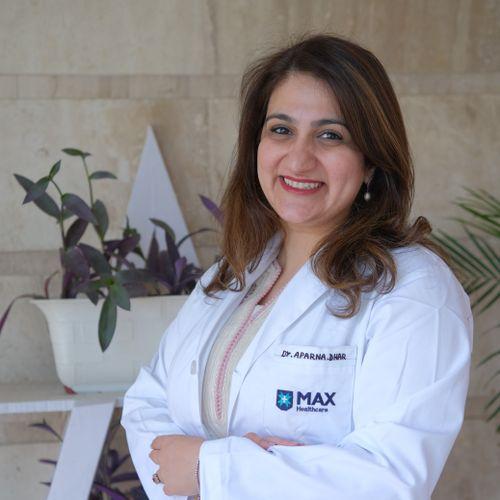
Dr. Anika Sharma, FRCS, Consultant Gynaecologist at Max Healthcare, Delhi, often builds 12-week PMDD programmes for international patients. These combine supplement guidance, dietary counselling, and mindfulness support — with virtual follow-ups once patients return home.
How to Help PMDD at Home: A Daily Routine That Works
A practical daily routine creates the structure that PMDD symptoms often destroy. Here is what evidence-backed PMDD management at home looks like day-to-day:
Morning: consistent wake time (within 30 minutes) + 15 minutes light movement (walking, yoga) + protein-rich breakfast.
Midday: calcium-rich lunch + B6-containing foods (fish, poultry, banana, chickpeas) + 5-minute mindfulness break.
Evening: no caffeine after 2 pm + consistent bedtime routine + symptom tracking entry for the day.
Weekly: 3–5 aerobic sessions, 2 magnesium-rich meals (spinach, pumpkin seeds, dark chocolate), and a social connection or therapy session.
Sarah, 34, from Melbourne, cut her PMDD irritability scores by 60% within three months. She did it by removing processed foods, adding daily magnesium, and starting a consistent sleep routine — all in consultation with a gynaecologist at Apollo Hospitals, Chennai during a week-long diagnostic visit.
(Illustrative composite; name changed for privacy.)
Premenstrual Headache: Causes, What It Feels Like, and How to Get Relief
A premenstrual headache occurs in the 2 days before and the first 3 days of menstruation. It is directly linked to the drop in oestrogen during this perimenstrual window. Around 60% of women who experience migraines identify their period as a trigger (RCOG, 2022). These headaches are often more severe and harder to treat than non-hormonal migraines.
Is It Normal to Have a Headache Before Your Period?
Yes — premenstrual headaches are common and predictable. The sharp drop in oestrogen in the 1–2 days before menstruation triggers neurological changes that cause headaches in many women. The Mayo Clinic confirms this drop in oestrogen is a well-established migraine trigger. It makes menstrual migraine (also called catamenial migraine) one of the most common forms of migraine in women aged 18–50.
A 2021 study in Neurology found migraine is much more likely in a 5-day perimenstrual window. That window starts 2 days before the period and runs through the first 3 days of bleeding — this timing is your clinical diagnostic clue.
What Does a Hormonal Period Headache Feel Like?
Premenstrual migraines typically feel like a throbbing or pulsating pain on one side of the head. They are often accompanied by nausea, vomiting, and sensitivity to light, sound, and smell. They tend to be more severe than non-hormonal migraines and last longer — sometimes 3–4 days if untreated.
Common acute relief options include triptans (such as sumatriptan or rizatriptan). These target the serotonin receptors involved in migraine. For preventive management, doctors may prescribe beta-blockers (propranolol) or low-dose amitriptyline — both are widely used at Indian neurological centres. Always discuss these with a qualified specialist; do not self-prescribe.
How to Get Rid of Hormonal Headaches Before Your Period
Several approaches reduce premenstrual headache frequency and severity:
Magnesium supplementation (400 mg/day): Reduces both migraine frequency and PMDD mood symptoms at the same time — an efficient dual-benefit supplement.
Frovatriptan (prescription): For women with predictable cycle-linked migraines, a neurologist may prescribe frovatriptan. It is taken in the 2 days before the expected headache window — an approach endorsed in NICE 2021 migraine guidelines.
Regular sleep and meal timing: Skipped meals and poor sleep are two of the most common migraine triggers. During the perimenstrual window, consistency is critical.
Acupuncture: Reduces headache frequency, with Cochrane evidence supporting its use alongside medication.
Stress reduction: Cortisol spikes worsen both hormonal headaches and PMDD mood symptoms — yoga, breathing exercises, and less screen time in the luteal phase all help.
How Long Do Pre-Period Headaches Last?
Untreated menstrual migraines typically last 4–72 hours. With the right treatment (triptans, rest, hydration), most clear up within 4–24 hours. Preventive strategies — magnesium, consistent sleep, and trigger avoidance — can reduce episodes from multiple per cycle to 1 or fewer within 2–3 months of consistent management.
Premenstrual Cramps But No Period: Causes and When to See a Doctor
Not everyone knows that pre-menstrual cramping without periods happens quite often. The cause may vary from completely normal cases (late ovulation, shift of the cycle due to stress) to certain health issues that require consulting your gynaecologist (endometriosis, PCOS, uterine fibroids). Understanding the cause helps you decide when home management is fine and when you need a specialist.
Why Do I Have Cramps Before My Period But No Period?
Common causes of cramps without a period include: early pregnancy (implantation cramps occur 6–12 days after conception); ovulation pain (mittelschmerz — one-sided cramping at mid-cycle); stress-induced hormone disruption that delays menstruation; perimenopause (irregular cycles with cramping are common from the mid-40s); and PCOS, where anovulatory cycles cause cramping without menstruation.
If your cramps come with missed periods of 2+ weeks, abnormal vaginal bleeding, fever, or severe pain, see a gynaecologist to rule out the conditions below.
What Can Mimic Menstrual Cramps?
Several conditions cause pelvic pain that is easily confused with menstrual cramping:
Endometriosis: Tissue similar to the uterine lining grows outside the uterus, causing chronic pelvic pain, severe cramping, and sometimes abnormal uterine bleeding. Affects approximately 1 in 10 women worldwide (WHO, 2021). Often misdiagnosed for 7–10 years before being confirmed.
Adenomyosis: Endometrial tissue grows into the uterine muscle wall, causing heavy, painful periods and persistent cramping between cycles.
Uterine fibroids: Non-cancerous growths in the uterus affecting 20–40% of women by age 50 (ICMR, 2023). It can cause pelvic pressure, pain, and heavy bleeding with or without a current period.
Ovarian cysts: Fluid-filled sacs on the ovary causing sharp or dull pelvic pain, especially if they rupture or twist (ovarian torsion — a medical emergency).
Pelvic Inflammatory Disease (PID): An infection of the reproductive organs causing lower abdominal pain, fever, and abnormal vaginal discharge — requires antibiotics, not home management.
PCOS: Polycystic ovary syndrome causes irregular cycles, anovulation, and cramping. PCOS cramps feel like a dull, persistent pelvic ache, sometimes with sharp twinges — unlike the regular monthly pattern of normal menstrual cramps.
At Apollo Hospitals, Chennai, or Fortis Healthcare, Delhi, a full diagnostic work-up for these conditions — including pelvic ultrasound, hormone panel, and gynaecological consultation — can be arranged within 7–10 days. Typical diagnostic costs in India are ₹25,000–₹50,000 ($300–$600), versus AUD 800–1,500 (£500–£950) in Australia or the UK for comparable investigations.
Hysteroscopy Dilation and Curettage: What It Is and When It’s Needed
Hysteroscopy dilation and curettage (D&C) is a combined diagnostic and treatment procedure. Doctors use it to investigate and treat abnormal uterine bleeding, uterine polyps, fibroids, or suspected abnormal endometrial cells. It is not a primary treatment for PMDD, but it becomes relevant when gynaecological conditions that mimic or worsen PMDD symptoms need to be ruled out or treated.
What Is a Hysteroscopy D&C? Procedure Steps Explained
A hysteroscopy D&C is a two-part procedure. It is typically performed under general or local anaesthesia and completed within 15–30 minutes. Here is what happens, step by step:
Anaesthesia is given — general anaesthesia is most common. Local anaesthesia with sedation is used in some day-surgery settings.
The cervix is gently dilated using a series of thin, graduated metal dilators to create access to the uterine cavity.
A hysteroscope — a thin, lighted telescope (3–5 mm in diameter) — is passed through the cervix into the uterus.
The surgeon visually inspects the uterine lining in real time, looking for polyps, fibroids, adhesions, or abnormal tissue.
D&C (curettage) is performed: the uterine lining is gently scraped or suctioned to collect tissue samples.
Tissue samples are sent to a laboratory for microscopic examination. This checks for abnormal endometrial cells or other pathologies.
The procedure ends, instruments are removed, and the patient is moved to recovery. Most women go home the same day.
FRCS-trained gynaecologists perform hysteroscopy D&C routinely at JCI/NABH-accredited Indian hospitals including Apollo Hospitals, Chennai, and Max Healthcare, Delhi.
Why Would a Doctor Order D&C with Hysteroscopy?
Your gynaecologist is likely to recommend a hysteroscopy D&C when you have: abnormal uterine bleeding (heavy, irregular, or bleeding between periods); symptoms that overlap with PMDD but don’t follow a clear luteal-phase pattern; suspected uterine polyps or fibroids causing abnormal bleeding; or abnormal endometrial cells found on a smear or ultrasound that need biopsy confirmation.
Approximately 10-30% of women suffer from uterine fibroids, which may cause serious problems related to menstruation by the age of 50 (ICMR, 2023). The hysteroscopy procedure will be the gate for making sure that PMDD does not hide a physical problem that can be treated — it is a diagnostic gate, not an unnecessary intervention.
Recovery After Hysteroscopy D&C: Timeline, Pain, and What to Expect
Recovery from hysteroscopy D&C is generally straightforward. Here is a realistic recovery timeline:
Day 0 (procedure day): Recovery room stay is 1-3 hours. You might have some small cramps and a little bit of bleeding. You can't drive for at least 24 hours after general anaesthesia, so arrange for a ride home.
Days 1–3: Cramping similar to period pain — manageable with paracetamol or ibuprofen. Light spotting or bleeding continues. Rest is recommended; light walking is fine.
Days 4–7: Most patients feel 80–90% recovered. Avoid strenuous exercise, heavy lifting, sexual intercourse, and tampons during this period to prevent infection.
Days 7–14: Full physical recovery for most women. Laboratory results are usually available within 5–7 working days of the procedure.
Flying: Most Indian specialists recommend a minimum of 3–5 days’ rest in India before a long-haul flight back to Australia or the UK.
Most Delhi and Chennai clinics include 2 nights’ accommodation in their international patient packages to support recovery before travel.
Cost of PMDD Treatment in India vs Australia and the UK (2026)
The table below shows the approximate private-healthcare cost for each service in India, Australia, and the UK. All figures are private-clinic ranges; NHS and Medicare public costs are not included because wait-times of 3–18 months make them impractical for many patients seeking timely care.
Treatment / Service | India (INR) | India (AUD approx) | Australia (AUD) | UK (GBP) | Savings |
|---|---|---|---|---|---|
PMDD Management — Initial consultation & plan | ₹40,000–₹80,000 | AUD 720–1,440 | AUD 600–1,200 | GBP 350–700 | ~50–60% |
Comprehensive PMDD holistic programme (4–6 weeks) | ₹1,50,000–₹2,50,000 | AUD 2,700–4,500 | AUD 4,000–7,000 | GBP 3,500–6,000 | ~60–75% |
Hysteroscopy D&C (diagnosis + tissue biopsy) | ₹25,000–₹60,000 | AUD 450–1,080 | AUD 5,000–9,000 | GBP 3,500–6,500 | ~75–85% |
Diagnostic work-up (pelvic US + hormone panel) | ₹25,000–₹50,000 | AUD 450–900 | AUD 800–1,500 | GBP 500–950 | ~40–55% |
Gynaecology consultation (specialist) | ₹8,000–₹15,000 | AUD 145–270 | AUD 400–700 | GBP 250–450 | ~60–70% |
Costs are approximate and depend on hospital tier, specialist seniority, and individual case complexity. All Divinheal partner hospitals are NABH-accredited; many hold JCI accreditation. Verify current costs directly with the hospital before booking.Individual outcomes vary. Consult your specialist before making any treatment decisions.How Divinheal Connects You to Women’s Health Specialists in India
Divinheal is a medical tourism company. It matches patients from Australia and the UK with NABH and JCI-accredited hospitals in India that specialise in women’s health — including PMDD management, gynaecological diagnostics, and hormonal headache care.
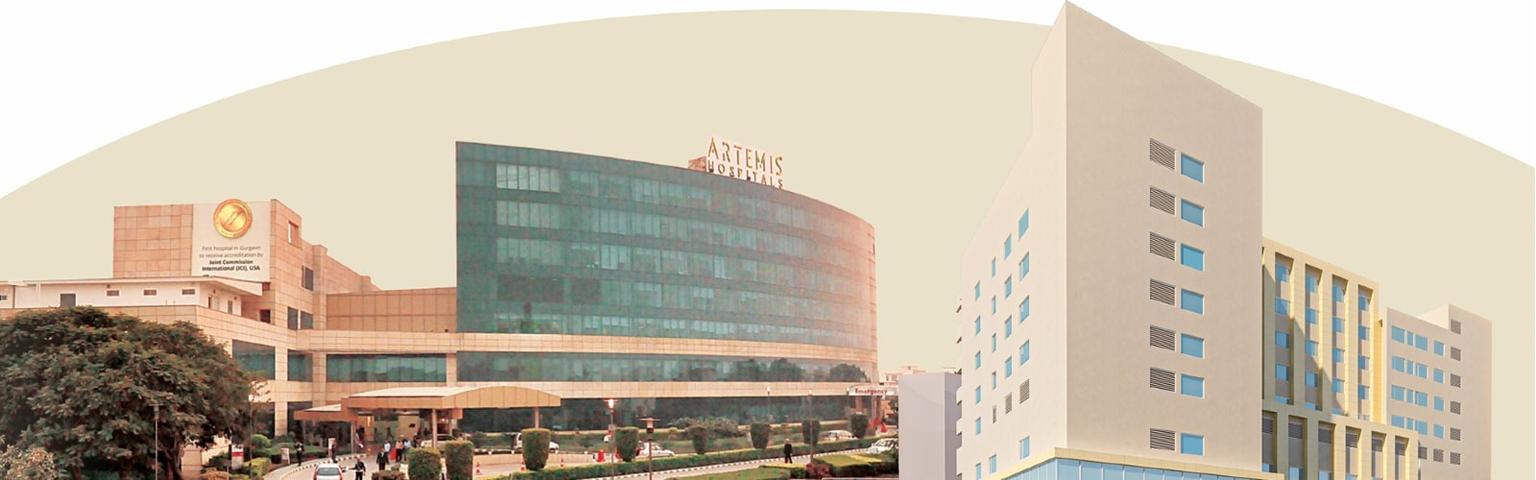
Divinheal’s network includes gynaecologists and neurologists at Apollo Hospitals (Chennai, Delhi), Max Healthcare (Delhi), Fortis Healthcare (Gurugram), and Medanta — the Medicity (Gurugram). Many of these specialists hold FRCS, MCh, or DNB qualifications, with training at UK or Australian institutions.
Before any booking, Divinheal can arrange a free online pre-consultation. You can review your case with a specialist, understand your diagnostic plan, and get a fixed-price treatment estimate before you commit to travel. For international patients, Divinheal provides a dedicated patient coordinator who assists with the following:
e-Medical Visa application support (processing time 3–5 business days).
Hospital appointment scheduling, including priority access for international patients.
Airport transfer in Delhi, Chennai, Gurugram, or Mumbai.
Accommodation near the treating hospital — or within the hospital’s international patient guest suite.
Post-discharge follow-up coordination, including video consultations with your Indian specialist and medical record transfer to your home GP.
Emma, 41, from London, came to Max Healthcare, Delhi, for a hysteroscopy D&C after an 8-month NHS wait. Total cost including flights and accommodation was around £2,200 — compared to a £5,500 private quote in the UK. She was back at work 10 days after the procedure.
(Illustrative composite; name changed for privacy.)
Travel and Visa Guide for Australian and UK Patients
Both Australian and UK citizens use the Indian e-Medical Visa for medical travel. You apply online through the Indian government’s visa portal (indianvisaonline.gov.in). Processing takes 3–5 business days. The e-Medical Visa grants a 60-day stay with triple-entry — allowing for a follow-up visit if needed. Divinheal provides a hospital invitation letter, which is required as part of the visa application.
Getting to India from the UK
Direct flights from London’s Heathrow, Gatwick, and Manchester airports to Delhi, Mumbai, Chennai, and Bangalore are operated by British Airways, Air India, and Virgin Atlantic airlines. Flight time: 9–10 hours. Hospitals usually have special international patient lounges at Indian airports. Lodging near hospitals like Max Hospital and Apollo Hospitals in Delhi can be found for around GBP 30–100 per night.
Getting to India from Australia
There are no direct flights from Australia to India at present. Flights through Singapore, Kuala Lumpur, or Dubai will be of a duration of around 12-18 hours. Various airlines like Qantas, Singapore Airlines, Emirates, and Air India provide reliable flight services from Sydney, Melbourne, Brisbane, and Perth. Accommodation near Apollo Hospitals Chennai or Fortis Gurugram costs around AUD 55-160/night for hospital-affiliated guest houses.
Cost Calculator
I know my treatment - show me cost from 3 hospitals
Long-Term PMDD Management: Building a Sustainable Plan
Effective long-term PMDD management combines medical and lifestyle strategies that evolve as your cycle changes. Evidence suggests a structured 12-week management plan can improve PMDD symptom scores by 50% or more for many patients (NICE 2024 guidelines; Journal of Affective Disorders, 2020).
The plan for your PMDD, which will be based on your consultation in India or with your specialist, would normally comprise the following elements: specialist reviews (quarterly or otherwise as required); medication evaluation (natural treatments failing, SSRIs in the luteal phase should be prescribed as per NICE 2024); your personal supplementation program; CBT therapy; and symptom tracking.
Divinheal provides their Indian specialists' patients from abroad with a comprehensive post-treatment care program in writing within 48 hours of discharge. This includes medication regimens, supplement protocols, and video consultations.
Supporting a Partner or Spouse Living with PMDD
PMDD affects relationships significantly — not just the individual. Partners benefit from understanding that PMDD symptoms are caused by a medical condition (neurological sensitivity to hormonal change), not a personality problem. Practical support includes tracking cycle patterns together, helping with dietary preparation during the luteal phase, and attending one GP or specialist appointment to ask questions directly.
There are many hospitals in India that offer couples counseling in their PMDD treatment packages, such as Max Healthcare and Apollo Hospitals. Counseling is available virtually through video conferencing for patients from other countries.
Quick Answer — At a Glance
Skim this if you’re short on time.
Most clinical evidence on natural treatments for premenstrual dysphoric disorder (PMDD) (according to NICE 2024 and Cochrane reviews):
Calcium (1,200 mg/day): In a major RCT, total PMDD symptom scores were reduced up to 48%. The single best evidence based supplement for PMDD.
Magnesium (200–400 mg/day): Decrease in anxiety, fluid retention and irritability during the luteal phase. Often missing from modern diets.
Vitamin B6 (50–100 mg/day): Helps produce serotonin; in clinical trials, it was shown to reduce PMDD symptoms related to depression by 69% compared to placebo.
Daily aerobic exercise (30 min, 5 days/week): boosts endorphins and serotonin; meta-analysis confirms mood boost in luteal phase.
CBT/mindfulness: First-line recommendation by NICE 2024 for women who prefer a non-pharmacological treatment for PMDD.
Acupuncture: Cochrane evidence of reduction in frequency of premenstrual headache (~2 days/mo vs preventive medication).
Cost context: The cost of PMDD consultations at Indian hospitals accredited by the Joint Commission International (JCI) (Apollo Chennai, Max Healthcare Delhi) is ₹40,000 – ₹80,000, which means they cost around 60-75% cheaper than similar private treatments in Australia (AUD 4,000 – 7,000) and UK (GBP 3,500 – 6,000).
Costs are approximate; verify current rates with your chosen hospital. Consult a qualified specialist before starting any supplement regimen or planning medical travel.
Plan My Journey
Tell us your condition and budget - our AI matches the right destination, hospital and doctor and visa pathway
Cost Calculator
I know my treatment - show me cost from 3 hospitals

Written by DivinHeal Editorial Contributor, Rahul Kumar, Medical Expert | Medically Reviewed by Dr Indu Priya, MBBS,MD Published on: 2026-06-24
Plan My Journey
Tell us your condition and budget - our AI matches the right destination, hospital and doctor and visa pathway
Cost Calculator
I know my treatment - show me cost from 3 hospitals
Booking With DIVINHEAL
Get a free consultation to understand your treatment options
From Consultation to Recovery,
Step by Step
Expert Specialist Matching
Connecting you with the world's top-rated medical experts.
Accredited Hospital Network
Access to JCI & NABH certified healthcare facilities.
Complete Travel Coordination
Hassle-free visa, stay, and local transport assistance.
24/7 Personal Care
Dedicated patient advisors supporting you at every step.
Journey Guidance
Full guidance from start to end of the patient treatment journey.
Expert Specialist Matching
Connecting you with the world's top-rated medical experts.
Everything you
need to know today
Browse through these common inquiries to better understand our patient-focused medical platform.
Hysteroscopy D&C is a minor surgical procedure performed under anaesthesia. Most patients feel pressure or cramping rather than sharp pain. After the procedure, mild menstrual-like cramping is the most common sensation. It is well-controlled with standard pain medication. It is done as day surgery with same-day discharge.
The majority of the patients will be physically restored in 7-14 days. The patient is allowed to do light activities such as walking and sitting at a desk within 2-3 days. Strenuous physical activity, heavy lifting, and sexual intercourse should be avoided for at least 7 days to prevent infection. Laboratory results from tissue biopsy are usually available within 5–7 working days.
Light spotting or bleeding typically continues for 3–14 days after the procedure. Contact your doctor if bleeding becomes heavier than a normal period, if you develop a fever above 38°C, or if you experience foul-smelling discharge — these are signs of infection requiring prompt treatment.
In India, hysteroscopy D&Cs are generally performed in JCI/NABH hospitals, costing ₹25,000-₹60,000 (AUD 450-1,080 / GBP 240-570). Private clinic quotes in Australia are typically AUD 5,000 to 9,000, in the UK GBP 3,500 to 6,500. This is roughly 75-85% saving on the procedure alone, and does not include travel.
If you’re looking to manage PMDD naturally during the luteal phase—the 10 to 14 days before your period—there are a few things that really make a difference. Start with magnesium and vitamin B6 supplements. Add more complex carbs to your meals, and don’t skip calcium-rich foods. Get moving with 30 minutes of aerobic exercise most days, and try to keep your sleep on track. Stress management matters too—give mindfulness or cognitive behavioural therapy (CBT) a shot. The latest NICE guidelines put CBT front and centre as the best non-drug option, especially if you’d rather skip medication. One thing that helps track your symptoms for a couple of cycles. That way, you’ll know exactly when your toughest days hit and can plan ahead.
Calcium (1,200 mg/day) has the strongest single-supplement evidence base for PMDD — a major RCT found it reduced total PMDD symptom scores by up to 48% (Thys-Jacobs et al., 1998). Magnesium and vitamin B6 are equally well-supported for specific symptoms (anxiety/irritability and mood respectively). A combination supplement approach under specialist guidance typically outperforms any single supplement.
Yes. PMDD is classified as a depressive disorder in the DSM-5 (American Psychiatric Association) and acknowledged in the ICD-11 (WHO). It causes clinically significant impairment in daily functioning and is not simply ‘bad PMS’. NHS Wales clinical guidance describes it as a severe and chronic condition driven by abnormal neurological sensitivity to hormonal fluctuations — it requires proper diagnosis and management, not dismissal.
Unmedicated attacks of migraines during periods generally tend to last for 4 to 72 hours. With the use of triptans and proper treatment, the attack duration can be decreased to 4 to 24 hours. Regular preventive treatment using magnesium, proper sleep, and frovatriptan cycle-timed (if used) can help decrease the number of headache attacks to once or none per month within 2 to 3 months. The perimenstrual headache window is the 2 days before and the first 3 days of bleeding.
Common reasons may be: ovulation is delayed as a result of either stress or hormonal changes; early pregnancy (cramps occur 6-12 days post-fertilisation); endometriosis; uterine fibroids; anovulatory cycles associated with PCOS; or ovarian cysts. In case of cramping without menstruation for 2 or more weeks, or if there is a presence of fever or discharge, one should see a specialist.
Divinheal partners only with NABH-accredited hospitals (National Accreditation Board for Hospitals, India’s national quality standard) and, for major surgical procedures, JCI-accredited facilities (Joint Commission International — the global benchmark used by hospitals in the UK, US, and Australia). Divinheal verifies surgeon credentials (FRCS, MCh, DNB) and provides patients with surgeon CVs and hospital accreditation certificates before booking.
Divinheal’s specialist teams provide a full post-discharge care plan including: video consultation access for 90 days post-discharge, medical records in an internationally transferable format, and a referral letter to your home GP or specialist. For complex ongoing conditions like PMDD, quarterly virtual check-ins with your Indian specialist can be arranged through Divinheal’s telehealth coordination service.
A GP referral is not legally required to seek treatment in India — Divinheal can help you with a self-referred consultation. However, bringing relevant medical records (cycle tracking, previous specialist notes, medications list) improves the quality of your first consultation and reduces the need for duplicate diagnostic tests. Divinheal’s patient coordinator can advise on which records to gather before travel.
Still have more questions?
Book a call with our friendly team to learn how DivineHeal simplifies your healthcare journey.