Urology surgery is something most people never expect to face. It usually begins quietly — a test report, a scan, a doctor asking for further evaluation. Slowly, the word “surgery” enters the conversation. At that moment, medical explanations often feel secondary. What matters more is how the body will feel after treatment and how long normal life will stay on hold.
Over the years, robotic urology surgery in India has changed the way many of these procedures are approached. It has not removed fear completely, but it has reduced uncertainty. Patients today often recover faster, experience less pain, and spend fewer days in the hospital compared to older surgical methods.
India’s position in robotic urology is the result of experience more than advertising. High patient volume, trained surgeons, and access to advanced technology have made robotic procedures a routine part of urology care rather than something experimental.
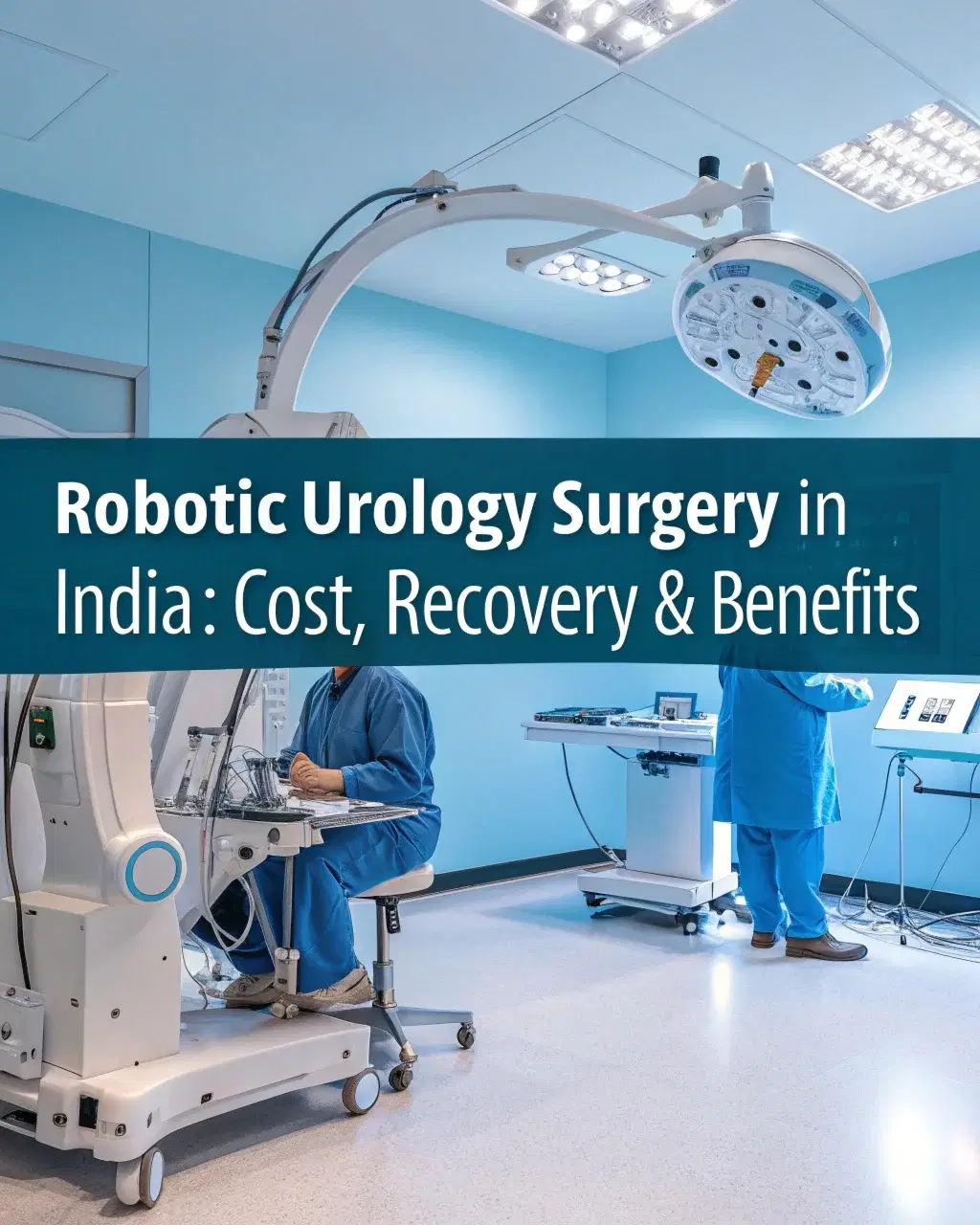
Robotic urology surgery is not about machines replacing doctors. It is about giving surgeons better tools. During the procedure, the surgeon sits at a console and controls robotic arms that hold surgical instruments. Every movement comes from the surgeon’s hands. The robotic system simply translates those movements into smaller, steadier actions inside the body.
What makes this approach valuable in urology is visibility and precision. The system provides a magnified, three-dimensional view of the surgical area. Structures that are difficult to see clearly in open surgery become easier to identify. In areas where nerves, blood vessels, and organs are tightly packed, this clarity matters.
Because of this, robotic surgery in India is now widely used for urological procedures where accuracy directly affects recovery and long-term comfort.

Robotic prostatectomy is commonly used for prostate cancer treatment. The prostate lies deep in the pelvis, surrounded by nerves that affect urinary control and sexual function. Damage to these nerves can impact daily life after surgery.
Robotic assistance allows surgeons to work carefully around these structures. While no surgery is risk-free, many patients recover bladder control sooner compared to open surgery. This is why robotic prostatectomy in India is often recommended for suitable cases. Another factor is affordability the robotic prostate surgery cost in India is much lower than in many other countries.
Robotic kidney surgery is performed for tumors, blockages, and other kidney conditions. One of the main goals during kidney surgery is preserving as much healthy tissue as possible.
With robotic assistance, surgeons can operate with greater accuracy around blood vessels and surrounding tissue. Patients undergoing robotic kidney surgery in India often experience less blood loss and smoother recovery compared to traditional approaches.
In cases where only part of the kidney is affected, robotic partial nephrectomy is used. Instead of removing the entire kidney, only the diseased portion is removed.
This procedure requires high surgical skill. When performed by experienced teams, robotic partial nephrectomy India helps preserve kidney function while effectively treating the condition.
Bladder cancer surgery can be complex and physically demanding. The robotic approach allows surgeons to operate in confined pelvic areas with better control.
Patients who undergo robotic bladder cancer surgery in India often have shorter hospital stays and less post-operative discomfort compared to open surgery, though recovery still requires time and follow-up.
Robotic pyeloplasty is used to correct obstruction between the kidney and ureter. If untreated, this condition can lead to pain and kidney damage.
Robotic techniques allow precise reconstruction with minimal scarring. Many patients recover faster after robotic pyeloplasty in India than with open procedures.
The cost of robotic urology surgery in India depends on the procedure, hospital, surgeon experience, and patient condition.
Procedure | Approximate Cost (USD) |
Robotic Prostatectomy | $4,500 – $7,000 |
Robotic Kidney Surgery | $4,000 – $6,500 |
Robotic Partial Nephrectomy | $5,000 – $7,500 |
Robotic Bladder Cancer Surgery | $6,000 – $9,000 |
Robotic Pyeloplasty | $3,500 – $5,500 |
These costs usually include surgery, hospital stay, anesthesia, and basic post-operative care.
Compared internationally, the difference is significant.
Country | Average Cost (USD) |
India | $4,000 – $8,000 |
USA | $25,000 – $40,000 |
UK | $18,000 – $30,000 |
Australia | $20,000 – $35,000 |
Germany | $15,000 – $28,000 |
This is why robotic surgery cost in India vs other countries continues to attract international patients.
The advantages of robotic surgery in urology are mostly practical:
Smaller incisions
Less blood loss
Reduced pain after robotic urology surgery
Lower infection risk
Shorter hospital stay
Faster recovery and mobility
Better precision around nerves
These benefits do not remove recovery entirely, but they often make it easier to manage.
Choosing the right surgical method is not just about technology. It is about understanding how each approach affects the body during surgery and how recovery feels afterward. In urology, where organs are closely placed and nerves play a major role in daily function, the surgical method can significantly influence long-term outcomes.
Below is a clear comparison to help patients understand how robotic surgery differs from other commonly used approaches.
Both robotic and laparoscopic surgeries are minimally invasive and use small incisions. However, the difference lies in control and visibility. In laparoscopic surgery, instruments have limited movement, and the surgeon works with a two-dimensional view. This can make complex procedures more challenging, especially in deep or narrow areas.
Robotic surgery provides a three-dimensional, magnified view and instruments that can rotate and bend with greater flexibility. This allows surgeons to operate more precisely around nerves and blood vessels. For complex urological procedures, robotic surgery often offers better accuracy and consistency compared to standard laparoscopy.
Open surgery involves larger incisions, which means more tissue damage during the procedure. As a result, patients usually experience more pain, longer hospital stays, and slower recovery. Returning to normal activities can take several weeks or even months.
In robotic surgery, smaller incisions reduce trauma to the body. Patients often experience less pain, require fewer pain medications, and regain mobility faster. Hospital stays are shorter, and recovery tends to feel more gradual and manageable rather than exhausting.
In urology, precision is critical. Open surgery relies heavily on the surgeon’s direct vision and hand movement, which can be limiting in deep pelvic or abdominal areas. While open surgery is still necessary in some complex or advanced cases, it generally carries a higher risk of blood loss and post-operative discomfort.
Robotic surgery offers better access to hard-to-reach areas with enhanced control. This is especially important in procedures involving the prostate, kidneys, and bladder, where even minor damage can affect urinary or sexual function. For eligible patients, robotic surgery often leads to better functional outcomes and faster return to normal life.
There is no single “best” option for every patient. The choice between robotic, laparoscopic, or open surgery depends on:
The type and stage of the urological condition
The patient’s overall health
Surgeon experience and recommendation
Availability of robotic technology
A detailed discussion with a qualified urologist is essential to determine the most suitable approach.
Recovery time after robotic urology surgery varies, but most patients recover faster than expected.
Hospital stay after robotic prostate surgery is usually 2–4 days
Light activity often resumes within 1–2 weeks
Full recovery may take 3–6 weeks
Pain after robotic urology surgery is generally mild and manageable
Doctors provide personalised recovery advice based on the procedure performed.
Robotic urology surgery in India has shown consistently strong outcomes over the years. With the combination of advanced robotic technology and experienced surgeons, many urological procedures are now performed with higher precision and fewer complications. While success rates vary depending on the type of surgery and the patient’s condition, robotic-assisted procedures generally offer reliable results and smoother recovery compared to traditional methods.
The overall success rate usually ranges between 90% and 98%, depending on the specific urology procedure.
Better precision during surgery helps reduce blood loss and damage to surrounding tissues.
Faster recovery and shorter hospital stays reflect improved post-surgical outcomes.
Long-term results, such as urinary control and kidney function, are often better when robotic surgery is performed by experienced specialists.
India is a preferred destination for robotic surgery in India for foreigners due to affordability, experienced surgeons, and modern hospitals. International patients also benefit from shorter waiting times and English-speaking medical teams.
Support platforms like DIVINHEAL help patients coordinate treatment, travel, and follow-up care, making the overall process easier.

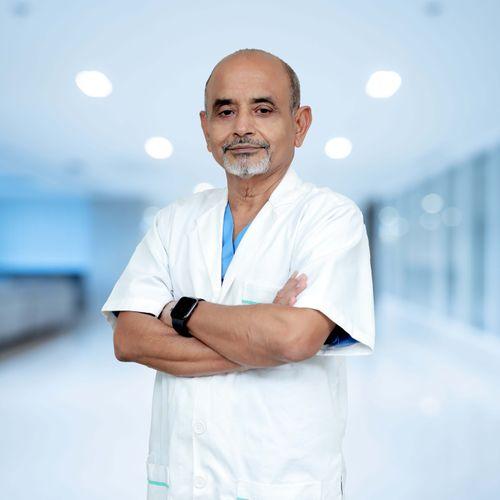
Dr. Abhinandan Mukhopadhyay is a senior urologist known for his experience in minimally invasive and robotic urology procedures. He has managed complex prostate, kidney, and urinary tract conditions with a strong focus on precision and patient recovery. His approach combines clinical accuracy with clear patient communication, which helps patients feel confident about surgical decisions.
Expertise in robotic and minimally invasive urology
Strong focus on functional recovery
Experience with complex urological cases
Dr. Varun Mittal is recognised for his work in advanced urology surgeries, including robotic-assisted procedures. He has treated a wide range of urological conditions with an emphasis on minimally invasive techniques. His treatment planning is known to be practical and patient-focused, helping reduce recovery time and post-surgical discomfort.
Skilled in robotic urology surgery
Focus on minimally invasive treatment
Patient-centred surgical planning
Dr. A. J. Chitkara has extensive experience in managing urological disorders through modern surgical techniques. He is known for handling both routine and complex cases with a structured and careful approach. His clinical practice focuses on achieving good surgical outcomes while maintaining long-term patient comfort.
Experience in complex urology surgeries
Balanced focus on safety and outcomes
Structured, methodical surgical approach
Dr. Amit K Devra is widely respected for his contribution to advanced urology care in India. He has significant experience in robotic prostate and kidney surgeries and is known for adopting modern surgical techniques. His work reflects a strong commitment to precision, safety, and long-term patient well-being.
Expertise in robotic prostate and kidney surgery
Focus on precision-based treatment
Extensive experience in advanced urology
Artemis Hospital is a well-established multi-specialty hospital known for advanced robotic and minimally invasive surgeries. Its urology department is equipped with modern technology and experienced specialists, making it a preferred choice for complex urology procedures and international patients.
Advanced robotic surgery infrastructure
Experienced urology specialists
Strong international patient services
Lokmanya Hospitals has built a strong reputation for surgical excellence and patient care. The hospital offers advanced urology treatments with a focus on minimally invasive and robotic-assisted procedures, supported by skilled surgical teams and modern facilities.
Multi-specialty surgical expertise
Focus on minimally invasive urology
Well-established patient care systems
White Lotus Hospital is known for providing specialised care with a patient-first approach. The hospital focuses on modern treatment protocols and offers advanced urology procedures in a controlled and supportive environment.
Patient-focused treatment approach
Modern surgical facilities
Personalised care and recovery support
The Institute of Brain and Spine is recognised for its specialised surgical care and multidisciplinary approach. Along with neuro and spine care, the hospital supports advanced urology treatments with a strong emphasis on precision and post-operative recovery.
Specialised surgical infrastructure
Multidisciplinary medical teams
Emphasis on recovery and rehabilitation=
Gleneagles Hospitals is part of an international healthcare network known for quality standards and advanced treatment options. The hospital provides robotic-assisted urology surgery with experienced specialists and comprehensive patient care facilities.
International healthcare standards
Advanced robotic surgery capabilities
Strong focus on patient safety and outcomes
Robotic surgery may be suitable for patients who:
Require prostate, kidney, bladder, or ureter surgery
Prefer minimally invasive treatment
Want faster recovery
Are medically fit for anesthesia
Final decisions are made after detailed medical evaluation.
Robotic urology surgery has made treatment more precise and recovery more manageable. With experienced surgeons, reasonable costs, and improving outcomes, robotic urology surgery in India continues to be a practical option for patients seeking advanced urology care without unnecessary burden.
Get a free consultation to understand your treatment options
Meet our team of highly qualified and experienced medical professionals dedicated to providing the best healthcare services.

Get answers to common questions about medical tourism, treatment procedures, and our comprehensive healthcare services.
Get Personalized Medical Treatment Options From India's Top Hospitals. Our Medical Experts Are Ready To Assist You Every Step Of The Way.