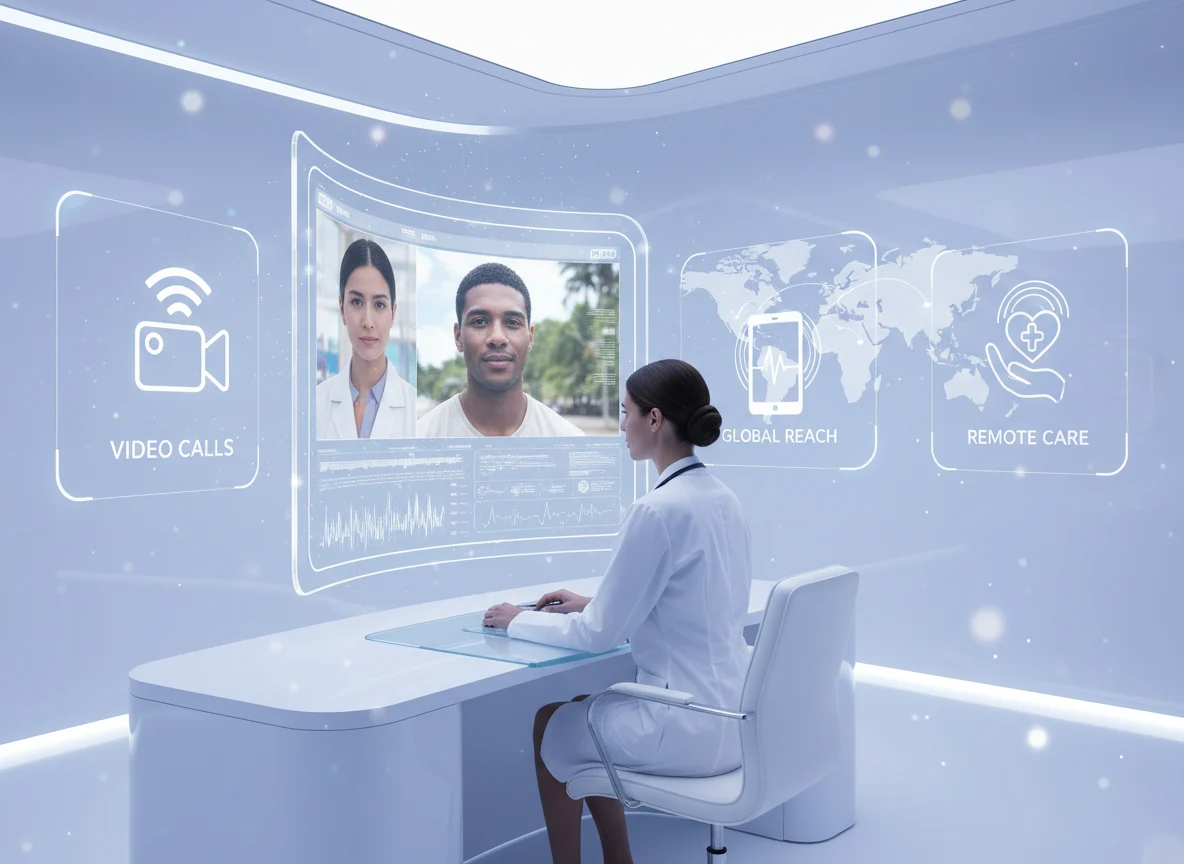
The rapid advancements in digital healthcare have led to the rise of telemedicine, transforming how patients access medical expertise worldwide. Telemedicine, which allows remote consultations between doctors and patients using digital communication tools, has become a cornerstone of modern healthcare.
Medical tourism, on the other hand, has been a growing industry, with patients traveling to different countries for specialized and cost-effective treatments. The convergence of telemedicine and medical tourism is revolutionizing how international patients seek, plan, and undergo medical treatment abroad.
This article explores the role of telemedicine in medical tourism, its benefits, technological advancements, challenges, and future potential in reshaping cross-border healthcare.
1. The Evolution of Telemedicine in Healthcare
Telemedicine is not a new concept, but its significance has grown tremendously due to advancements in technology and the increased demand for accessible healthcare services. Initially, telemedicine was limited to rural healthcare services, but today, it plays a vital role in global healthcare delivery.
Key Developments in Telemedicine:
Telemedicine is not a new concept, but its significance has grown tremendously due to advancements in technology and the increased demand for accessible healthcare services. Initially, telemedicine was limited to rural healthcare services, but today, it plays a vital role in global healthcare delivery.
Key Developments in Telemedicine:
Teleconsultations – Video conferencing and online medical consultations have made specialist healthcare accessible across borders.
Remote Monitoring – Wearable technology and mobile apps help monitor patients in real time, reducing the need for frequent hospital visits.
AI-Driven Diagnostics – Artificial intelligence aids in analyzing medical data, helping doctors make informed decisions remotely.
Cloud-Based Medical Records – Secure digital storage of medical history enables seamless information exchange between international healthcare providers.
Integration with Digital Health Platforms – Comprehensive patient portals allow easy access to prescriptions, test results, and follow-up schedules.
These innovations have significantly enhanced the efficiency of medical tourism, allowing patients to plan their treatments with greater confidence.
2. How Telemedicine is Transforming Medical Tourism
Pre-Treatment Consultation
One of the major pain points for medical tourists is understanding their treatment options before traveling. Telemedicine enables international patients to:
Schedule virtual consultations with doctors in their destination country.
Discuss their medical condition, treatment plan, costs, and recovery expectations.
Obtain a second opinion before making travel and treatment decisions.
Receive recommendations for alternative treatments if needed.
Ensure that the chosen healthcare facility meets their medical requirements.
Seamless Coordination Between Home and Destination Countries
Telemedicine facilitates coordination between the patient’s local physician and the overseas medical team. This ensures:
Proper transfer of medical records.
A personalized treatment plan tailored to the patient’s health needs.
Coordination of pre-travel medical evaluations and risk assessments.
Streamlined communication between specialists across different time zones.
Reduced miscommunication and improved patient outcomes.
Reducing Unnecessary Travel and Costs
Telemedicine eliminates the need for multiple international trips by allowing virtual consultations before and after the procedure. This significantly reduces:
Travel expenses.
Unnecessary hospital visits.
Waiting times for in-person doctor consultations.
Time away from work and family.
The risk of exposure to infections during travel.
Post-Treatment Follow-Ups and Rehabilitation
After receiving treatment abroad, continuous medical supervision is crucial. Telemedicine helps in:
Post-treatment follow-ups with international healthcare providers.
Remote monitoring of recovery and early detection of complications.
Virtual physiotherapy sessions and rehabilitation programs.
Medication adjustments and long-term care planning.
Providing emotional and psychological support through online counseling.
3. Advantages of Telemedicine in Medical Tourism
1. Enhanced Accessibility to Healthcare Specialists
Patients can consult top medical experts worldwide without geographical barriers.
Countries with limited specialized healthcare can connect with global specialists.
Patients can access second opinions from world-renowned doctors.
Faster diagnosis and treatment plans lead to improved patient outcomes.
Access to rare and highly specialized medical treatments in different countries.
2. Cost-Effective Healthcare Management
Eliminates additional travel costs for in-person consultations.
Reduces unnecessary medical procedures through accurate remote diagnostics.
Shortens hospital stays by enabling remote patient monitoring.
Offers affordable pre-treatment assessments without added expenses.
Reduces the overall cost burden on both patients and healthcare systems.
3. Reduced Language and Cultural Barriers
Virtual consultations with multilingual professionals ease communication issues.
AI-powered translation tools bridge the language gap between patients and doctors.
Cultural sensitivity training for healthcare professionals improves patient experience.
Access to interpreters for medical discussions ensures clarity in communication.
Patients can make informed decisions without language-based misunderstandings.
4. Higher Patient Confidence and Satisfaction
Pre-travel consultations ensure transparency in treatment procedures and expected outcomes.
Follow-up consultations reduce post-treatment anxiety and improve patient confidence.
Patients have direct access to specialists for quick answers and reassurance.
Real-time updates on treatment progress increase trust and reliability.
Seamless coordination enhances the overall medical tourism experience.
5. Improved Patient Monitoring and Personalized Treatment Plans
Wearable devices enable real-time tracking of health parameters.
Personalized treatment adjustments can be made remotely, improving recovery outcomes.
Remote check-ins prevent complications by catching early warning signs.
Digital health records allow doctors to track patient progress over time.
Customized lifestyle recommendations support long-term recovery and well-being.
4. Technologies Driving Telemedicine in Medical Tourism
1. Artificial Intelligence (AI) in Diagnostics
AI-driven tools help in faster and more accurate disease detection and treatment recommendations.
AI chatbots assist in preliminary patient assessments and scheduling.
Predictive analytics help identify potential health risks before they escalate.
Automated patient management systems reduce administrative workload.
AI-assisted imaging analysis enhances the accuracy of radiology reports.
2. Blockchain for Secure Medical Records
Ensures safe transfer of patient data across borders without risk of data breaches.
Prevents unauthorized access to sensitive medical history.
Facilitates transparency and trust in cross-border healthcare transactions.
Enhances data interoperability between healthcare institutions.
Provides tamper-proof records for long-term patient data integrity.
3. Internet of Medical Things (IoMT)
Smart devices and remote monitoring tools track vital signs, allowing physicians to assess patient health in real time.
Wearable health trackers provide continuous data on heart rate, blood pressure, and oxygen levels.
Remote patient monitoring reduces the need for hospitalization.
IoMT helps detect early warning signs of complications, enabling timely interventions.
Smart pill dispensers ensure medication adherence and dosage tracking.
4. Augmented Reality (AR) and Virtual Reality (VR) for Patient Education
Patients can understand medical procedures through immersive VR experiences before undergoing treatment abroad.
AR-assisted training for medical professionals enhances surgical precision.
Virtual rehabilitation programs aid in faster post-treatment recovery.
3D visualization helps doctors explain treatment plans more effectively.
Simulated patient environments assist in pre-surgical assessments.
5. 5G and High-Speed Internet
Enables seamless and lag-free video consultations, making telemedicine more effective.
Improves data transfer speed for high-resolution medical imaging.
Reduces latency in remote robotic surgeries.
Enhances the efficiency of cloud-based healthcare solutions.
Ensures real-time communication between medical teams worldwide.
5. Challenges in Implementing Telemedicine for Medical Tourism
1. Regulatory and Legal Barriers
Different countries have inconsistent telemedicine regulations, making it difficult to standardize cross-border healthcare services.
Licensing requirements vary, and many countries do not recognize foreign medical practitioners for remote consultations.
2. Data Security and Privacy Concerns
Cross-border transfer of medical data poses risks of data breaches and cyber threats.
Patients and providers must navigate different data protection laws, such as GDPR in Europe and HIPAA in the U.S.
3. Technological Disparities in Developing Nations
Limited access to high-speed internet and digital healthcare infrastructure affects the effectiveness of telemedicine.
Many patients in remote or underdeveloped areas may lack the technical literacy to use telemedicine platforms effectively.
4. Limited Insurance Coverage for Telemedicine Services
Many health insurance policies do not cover international telemedicine consultations, forcing patients to pay out-of-pocket.
Lack of reimbursement policies discourages healthcare providers from offering telemedicine services to international patients.
5. Need for Greater Patient Awareness and Digital Literacy
Patients unfamiliar with telemedicine platforms may struggle to navigate consultations, limiting accessibility.
Misinformation about telemedicine’s capabilities can create distrust or unrealistic expectations about remote healthcare solutions.
6. Future of Telemedicine in Medical Tourism
1. AI-Driven Personalized Treatment Plans
Future advancements will allow AI-based recommendations for customized treatments based on patient history.
AI-driven predictive models will help doctors identify potential complications early, improving treatment outcomes.
2. Integration with Robotics and Remote Surgeries
Surgeons will perform remote robotic-assisted surgeries, expanding medical tourism options.
Advancements in robotic surgery will enable highly precise procedures with minimal human intervention, reducing errors.
3. Increased Collaboration Between Countries
More bilateral agreements between nations to standardize telemedicine regulations.
Cross-border telemedicine programs will be developed, allowing seamless healthcare access between partner countries.
4. Expansion of Virtual Healthcare Ecosystems
Virtual hospitals and 24/7 telemedicine support for international patients.
AI-powered chatbots and virtual assistants will provide round-the-clock medical advice to patients worldwide.
5. Enhanced Role of Wearable Technology
Smart health monitors will provide continuous patient data to global doctors for proactive healthcare management.
Integration of IoT-based devices will allow doctors to adjust treatment plans in real-time, ensuring better patient outcomes.
Plan My Journey
Tell us your condition and budget — our AI matches the right destination, hospital and doctor and visa pathway
Conclusion
Telemedicine is revolutionizing medical tourism by breaking down geographical barriers, improving accessibility to world-class healthcare, and reducing overall treatment costs. By enabling seamless pre-treatment consultations, remote monitoring, and post-treatment follow-ups, telemedicine enhances the medical tourism experience for patients worldwide.
Despite regulatory challenges, continuous technological advancements will further integrate telemedicine into the medical tourism industry, making healthcare more efficient, affordable, and patient-centric. As the world moves towards a more connected healthcare ecosystem, telemedicine will play an increasingly crucial role in ensuring safe, efficient, and high-quality medical tourism experiences for patients globally.
Plan My Journey
Tell us your condition and budget — our AI matches the right destination, hospital and doctor and visa pathway
Cost Calculator
I know my treatment — show me cost from 3 hospitals
Booking With DIVINHEAL
Get a free consultation to understand your treatment options
From Consultation to Recovery,
Step by Step
Expert Specialist Matching
Connecting you with the world's top-rated medical experts.
Accredited Hospital Network
Access to JCI & NABH certified healthcare facilities.
Complete Travel Coordination
Hassle-free visa, stay, and local transport assistance.
24/7 Personal Care
Dedicated patient advisors supporting you at every step.
Journey Guidance
Full guidance from start to end of the patient treatment journey.
Expert Specialist Matching
Connecting you with the world's top-rated medical experts.
Everything you
need to know today
Browse through these common inquiries to better understand our patient-focused medical platform.
Yes, we work with a variety of insurance providers. Contact our team to verify your coverage.
Yes, we provide secure online consultations with experienced specialists.
Our care coordinators help match you with the most suitable specialist.
Absolutely. Your medical information is protected according to healthcare privacy standards.
Look at six things: accreditation (JCI or NABH), specialty depth, doctor credentials and experience, procedure-specific success rates, international patient support, and technology. DivinHeal's AI-driven matching evaluates every hospital in our accredited partner network on these dimensions and shortlists the best-fit options for your condition, budget, and country.
JCI (Joint Commission International) is the US-based global gold standard for hospital quality, recognised worldwide. NABH is India's national accreditation — accredited by ISQua, the same body that accredits JCI. Both signal independently verified safety and quality. Most of India's leading hospitals hold both.
Yes. All three welcome international patients through structured medical visa programs. India is the most established, treating patients from Africa, the Middle East, and South Asia at 60–80% lower cost. Thailand leads in cosmetic and dental care. The UAE is emerging in oncology and reproductive medicine.
Most patients save 50–80% on treatment costs. Heart bypass costs US $7,000–9,000 in India compared to $70,000–150,000 in the US. IVF costs $3,000–4,500 compared to $12,000–20,000 in the UK. Even after flights, visa, and accommodation, total savings remain 60–70%.
DivinHeal manages your entire non-medical journey: visa invitation letters, medical visa guidance, doctor appointments, teleconsultations, airport pickup, hospital-vetted accommodation for you and your attendant, language interpreters, local transport, cuisine preferences, and post-treatment follow-up — one dedicated coordinator from first enquiry to final follow-up.
You need a valid passport (6+ months validity), a medical visa (M-Visa for India — DivinHeal provides the hospital invitation letter), return flight tickets, recent medical reports and a doctor's referral, current prescription list, and proof of financial means. Any accompanying attendant needs their own passport and MX-Visa.
Still have more questions?
Book a call with our friendly team to learn how DivineHeal simplifies your healthcare journey.








