Types of Flexible Dentures: Valplast, Flexite and More


Written by DivinHeal Editorial Contributor, Rahul Kumar, Medical Expert | Medically Reviewed by Dr Indu Priya, MBBS,MD Published on: 2026-11-18
Plan My Journey
Tell us your condition and budget - our AI matches the right destination, hospital and doctor and visa pathway
Types of Flexible Dentures: A Complete Guide for Patients
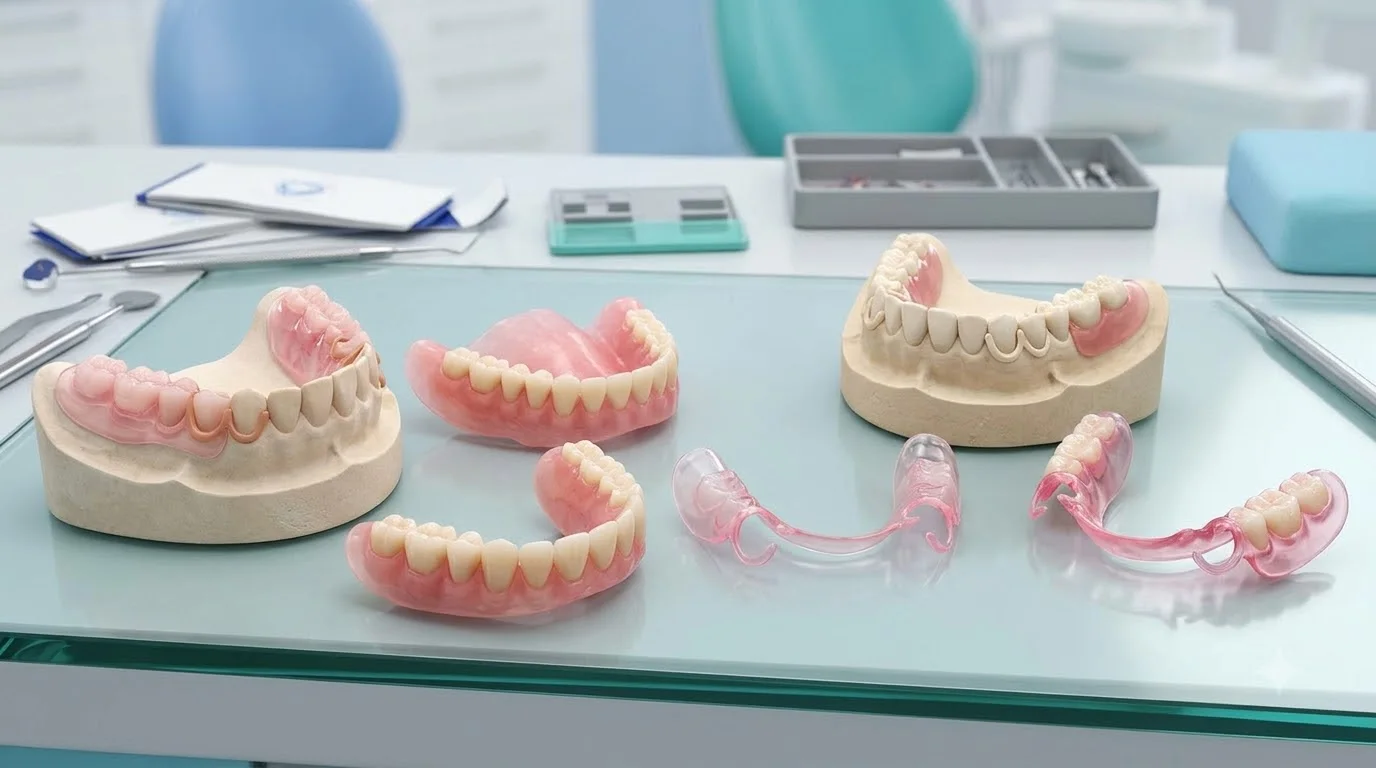
Quick answer: what are the types of flexible dentures? The main types of flexible dentures include Valplast, Flexite, Sunflex and Duraflex. Valplast, Flexite and Sunflex are nylon-based thermoplastic materials, while Duraflex is made from a polyolefin thermoplastic polymer. Their features and adjustment options vary by product, so discuss the available options with your dentist. |
|---|
Introduction
Choosing flexible dentures can be confusing when several brands are available. Valplast, Flexite, Sunflex and Duraflex are some of the names patients may come across. This guide explains what is known about each type, including their materials, repair options and features, to help patients discuss suitable choices with their dentist.
Key Takeaways
|
|---|
What Are the Main Types of Flexible Dentures?
Understanding these differences can help patients discuss the practical advantages and limitations of each option with their dentist. The table below compares the key features of each brand.
Brand | Material | Repair and adjustment |
|---|---|---|
Valplast | Nylon thermoplastic | Relining and conventional repairs can be challenging. Specialised laboratory procedures may be needed. |
Flexite | Nylon thermoplastic (Flexite Plus and Supreme-N) | The manufacturer describes techniques for adding to and relining flexible partial dentures. |
Sunflex | Nylon thermoplastic | Chairside adjustments are possible. The manufacturer also describes laboratory repairs and rebasing. |
Duraflex | Polyolefin thermoplastic polymer | The dental laboratory describes it as adjustable, repairable and suitable for rebasing. |
The available information on these brands varies, particularly when it comes to repair and adjustment options. Use this comparison to understand their key differences and identify the questions to discuss with your dentist before choosing a flexible denture.
Valplast
Valplast is a type of flexible partial denture made from nylon thermoplastic. It is designed to replace missing teeth using a flexible base rather than a conventional rigid acrylic base. The material softens when heated during manufacturing, allowing it to be moulded into the required shape.
One of its notable features is its resistance to odours and stains. It may also be suitable for people who have allergies to acrylic or certain metals.
Valplast offers a lifetime warranty against fractures or breaks.However, this does not necessarily cover adjustments or relining. Relining can be difficult because the material cannot be easily heated and reshaped to improve its fit. Patients should discuss future adjustment and repair options with their dentist before choosing this denture.
Flexite
Flexite is a thermoplastic material used to make flexible partial dentures. Its product range includes nylon-based options such as Flexite Plus and Flexite Supreme-N. These materials provide an alternative to conventional acrylic partial dentures.
One useful feature of the Flexite system is that it offers techniques for adding material and relining flexible partial dentures. This may help when changes are needed to improve the denture's fit. However, the available procedures depend on the specific material and the dental laboratory's capabilities.
Before choosing Flexite, ask your dentist which product is being used and whether future repairs, additions or relining can be carried out.
Sunflex
Sunflex is a flexible partial denture made from nylon thermoplastic, which the manufacturer describes as a specialised polyamide. It is designed to provide flexibility while maintaining the shape needed to replace missing teeth.
The manufacturer highlights its material density and resistance to staining as key features. Sunflex also allows chairside adjustments using a dedicated bur kit, so dentists can make certain modifications during an appointment.
The manufacturer also describes options for repairing and rebasing Sunflex dentures. These procedures may help address changes in fit or damage without automatically requiring a completely new denture. Patients should discuss the available repair options with their dentist before treatment.
Duraflex
Duraflex is a flexible partial denture made from a polyolefin thermoplastic polymer, which differs from the nylon-based materials used in Valplast, Flexite and Sunflex. Its material composition gives it different handling and processing requirements.
Duraflex can be adjusted, repaired and rebased by a dental laboratory. These options may help maintain the denture's fit and address certain types of damage.
Before choosing Duraflex, discuss its adjustment and maintenance requirements with your dentist. The available procedures may depend on the condition of the denture and the laboratory handling the work.
How to Choose the Right Type for You
The right flexible denture depends on individual dental needs, preferences and budget. Consider the following factors before making a decision:
Repair and maintenance: Check whether the denture can be repaired, relined or adjusted if its fit changes over time.
Appearance: Consider the material, colour and design to ensure the denture blends naturally with the gums.
Material allergies: Inform your dentist about any allergies to acrylic, metals or other dental materials before choosing an option.
Cost: Compare the prices of different materials and ask for a detailed estimate that includes fitting and future adjustments.
Oral health: Changes in gum and jawbone shape can affect denture fit. Regular dental check-ups can help identify when adjustments or replacement are needed.
How DivinHeal Supports Your Dental Treatment Journey
Choosing a suitable denture involves understanding the available materials, treatment options and your dental needs. DivinHeal helps international patients explore dental treatment options in India by connecting them with partner hospitals and dental specialists.
The team can support patients with:
Treatment options: Understand the available denture options and discuss them with dental specialists.
Case coordination: Share dental reports and X-rays for review by specialists at partner hospitals, subject to confirmation of the review process.
Treatment planning: Get information about the recommended treatment and estimated costs before travelling.
Travel assistance: Coordinate arrangements related to the dental treatment journey in India.
The final choice of denture should always be based on a clinical assessment by a qualified dentist or prosthodontist. Flexible dentures may not be suitable for every patient.
Planning your dental treatment in India? Get guidance from DivinHeal on exploring denture options, connecting with partner hospitals and planning your treatment journey.
Cost CalculatorI know my treatment - show me cost from 3 hospitals References
|
|---|
Plan My Journey
Tell us your condition and budget - our AI matches the right destination, hospital and doctor and visa pathway
Cost Calculator
I know my treatment - show me cost from 3 hospitals

Written by DivinHeal Editorial Contributor, Rahul Kumar, Medical Expert | Medically Reviewed by Dr Indu Priya, MBBS,MD Published on: 2026-11-18
Plan My Journey
Tell us your condition and budget - our AI matches the right destination, hospital and doctor and visa pathway
Cost Calculator
I know my treatment - show me cost from 3 hospitals
Booking With DIVINHEAL
Get a free consultation to understand your treatment options
From Consultation to Recovery,
Step by Step
Expert Specialist Matching
Connecting you with the world's top-rated medical experts.
Accredited Hospital Network
Access to JCI & NABH certified healthcare facilities.
Complete Travel Coordination
Hassle-free visa, stay, and local transport assistance.
24/7 Personal Care
Dedicated patient advisors supporting you at every step.
Journey Guidance
Full guidance from start to end of the patient treatment journey.
Expert Specialist Matching
Connecting you with the world's top-rated medical experts.
Everything you
need to know today
Browse through these common inquiries to better understand our patient-focused medical platform.
The lifespan of flexible dentures depends on the material, daily care, oral health and changes in the gums and jawbone. Regular dental check-ups can help identify signs of wear or changes in fit. Replacement may be necessary if the denture becomes damaged or no longer fits properly.
Both Valplast and Flexite are nylon-based materials used for flexible partial dentures. They may differ in their material formulations and adjustment requirements. A dentist can explain which option is suitable based on the patient's dental condition and treatment needs.
No single brand is necessarily the most natural-looking. The appearance depends on the denture material, design and how closely its colour matches the gums. A dentist can help select a suitable shade for a natural appearance.
Relining flexible dentures can be difficult because some materials do not bond easily with conventional relining materials. The available options depend on the denture material and its condition. A dentist can assess whether relining, adjustment or replacement is needed.
No. Many flexible dentures are made from nylon-based polyamide materials, including Valplast, Flexite and Sunflex. However, other thermoplastic materials are also used. The exact composition depends on the product and manufacturer.
Still have more questions?
Book a call with our friendly team to learn how DivineHeal simplifies your healthcare journey.