Weight Loss Surgery Cost in India: Real Prices by Procedure
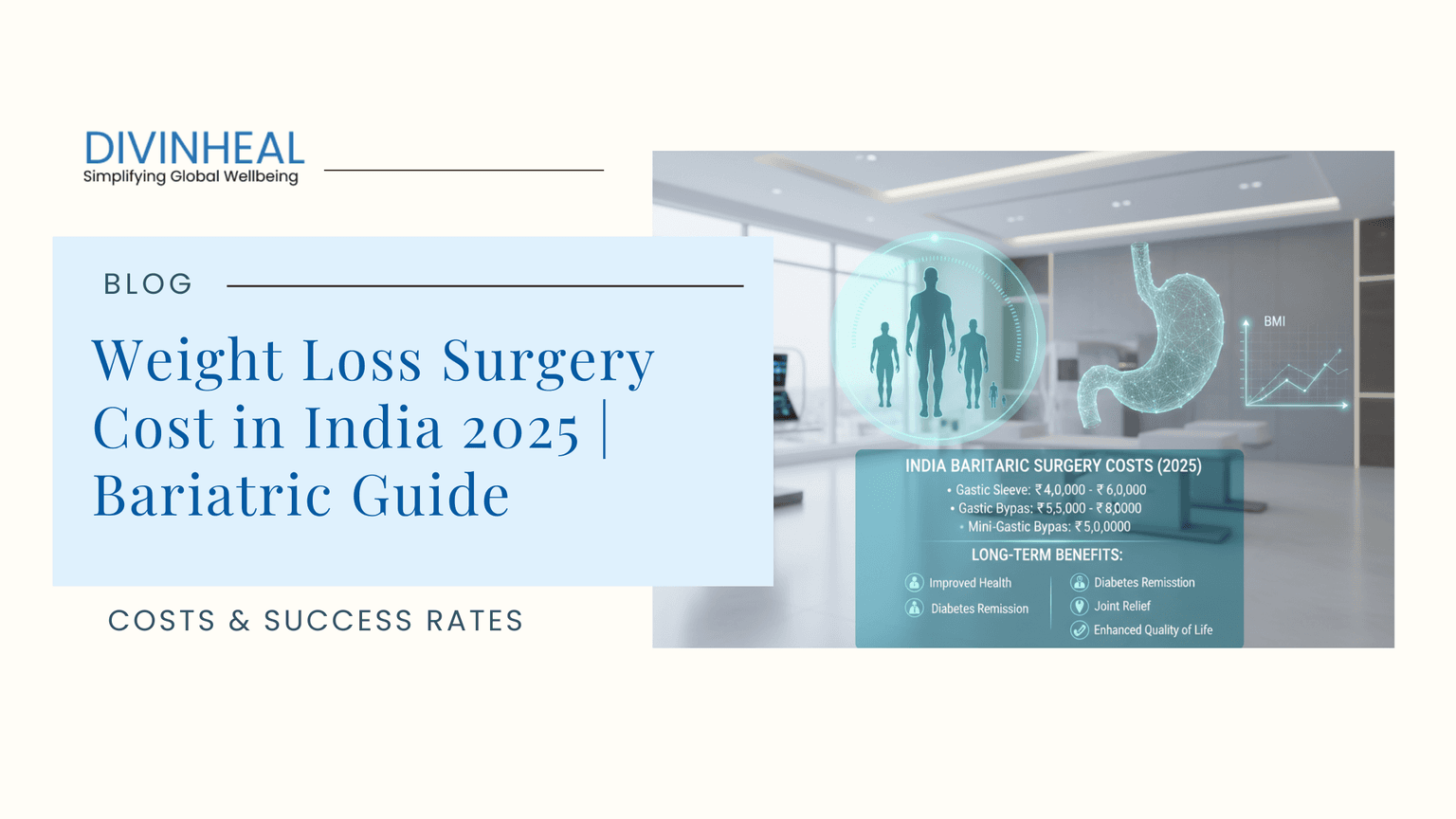
If you're looking into weight loss surgery cost in India, here's the short answer: a sleeve gastrectomy starts from ₹3,50,000 ($4,200) and gastric bypass ranges from ₹4,50,000 to ₹7,50,000 ($5,400–$9,000) at NABH-accredited hospitals. That's 50–70% less than what you'd pay in Australia, the UK or the US without any compromise on quality.
This guide covers everything you need to decide: procedure types, eligibility, realistic cost breakdowns, safety data, post-surgery recovery and how we makes the entire journey seamless for international patients. Let’s start with the basics.
Plan My Journey
Tell us your condition and budget — our AI matches the right destination, hospital and doctor and visa pathway
Understanding Weight Loss Surgery: Types and Who Qualifies
What is bariatric surgery?
Bariatric surgery, the medical term for weight loss surgery, changes the way your digestive system works so you can lose a significant amount of weight and keep it off long term. These aren't cosmetic procedures. They're designed to treat severe obesity and the serious health conditions that come with it, like type 2 diabetes, high blood pressure and sleep apnoea (a condition where your breathing repeatedly stops during sleep).
According to a 2022 meta-analysis published in The Lancet, bariatric surgery remains the most effective long-term treatment for severe obesity outperforming both lifestyle interventions and medications like semaglutide (Ozempic/Wegovy) for sustained weight loss beyond five years.
Common types of weight loss surgery in India
Sleeve gastrectomy (gastric sleeve) The most commonly performed bariatric procedure worldwide. Your surgeon removes around 75–80% of your stomach, leaving a narrow sleeve-shaped pouch. This limits how much food you can eat and reduces ghrelin, the hormone that makes you feel hungry.
Roux-en-Y gastric bypass Your surgeon creates a small stomach pouch (roughly the size of an egg) and connects it directly to the middle section of your small intestine, bypassing the duodenum (the first part of the small intestine). It's typically recommended for patients with severe obesity or metabolic conditions like uncontrolled diabetes.
Mini gastric bypass (MGB) — A simpler, shorter version of the traditional bypass. Your surgeon creates a long, narrow stomach pouch connected to the small intestine, bypassing around 150–200 cm of bowel. It's gaining popularity in India because of its excellent diabetes remission rates and shorter operating time. Most patients at major Delhi hospitals spend 3–5 days as an inpatient, including pre-operative assessments.
Am I a candidate? Eligibility criteria
You’re typically eligible for bariatric surgery if you have a BMI of 40 or higher (severe obesity) or a BMI of 35+ with at least one obesity-related health condition such as type 2 diabetes, severe sleep apnoea or uncontrolled hypertension. BMI stands for Body Mass Index, a number calculated from your height and weight that estimates body fat.
Before surgery, you’ll undergo a full pre-operative evaluation: blood tests, cardiac screening, psychological assessment and nutritional counselling. This isn’t just a formality it confirms you’re physically and mentally prepared for both the procedure and the lifestyle changes that follow. Surgery is a powerful tool, but your commitment to new eating habits and regular movement is what drives lasting results.
Weight Loss Surgery Cost in India vs. Australia: A Clear Breakdown
Cost is often the deciding factor for patients considering bariatric surgery abroad. Here’s how India compares to Australia:
Procedure | Cost in India | Cost in Australia | You Save |
Sleeve gastrectomy | ₹3,50,000–₹6,00,000 ($4,200–$7,200) | AUD 15,000–25,000 ($10,000–$17,000) | 50–70% |
Gastric bypass (Roux-en-Y) | ₹4,50,000–₹7,50,000 ($5,400–$9,000) | AUD 25,000–35,000 ($17,000–$24,000) | 60–75% |
Mini gastric bypass | ₹4,00,000–₹7,00,000 ($4,800–$8,400) | AUD 20,000–30,000 ($14,000–$20,000) | 55–70% |
Sources: Apollo Hospitals, Max Healthcare, Fortis Healthcare (India); Royal Australasian College of Surgeons patient cost guides
What affects your final price?
Four main factors shape what you'll pay: the specific procedure (a sleeve is simpler than a bypass and costs less), the hospital's accreditation level (JCI or NABH-certified facilities charge more but meet international safety standards), the surgeon's experience and reputation and the city (Delhi and Mumbai tend to be slightly more expensive than tier-2 cities like Jalandhar or Coimbatore, but offer the widest choice of specialists).
What’s included in a typical bariatric surgery package?
Usually included: surgeon’s fees, anaesthesiologist, operating theatre, hospital stay (2–4 nights), pre-operative diagnostics (blood work, ECG, chest X-ray) and initial post-operative consultations for 4–6 weeks.
Usually separate: international flights, accommodation for you and a companion, extended nutritional counselling beyond the first month, medications after discharge and any body contouring procedures down the line.
Is Bariatric Surgery Safe? What the Data Shows
Safety standards at Indian hospitals
Major Indian bariatric centres operate under strict NABH and JCI accreditation—the same standards that govern top hospitals in Europe, the US and Australia. Surgeons at these facilities typically hold international fellowships and perform hundreds of bariatric procedures annually. The overall complication rate for laparoscopic bariatric surgery (keyhole surgery through small incisions) at accredited Indian hospitals is comparable to global benchmarks: under 5% for minor complications and under 1% for major complications, according to data published by the Obesity Surgery Society of India (OSSI).
How much weight will I actually lose?
Realistic expectations matter. According to a 2021 meta-analysis published in JAMA Surgery, patients typically lose 50–70% of their excess body weight within 12–18 months after surgery. That means if you carry 50 kg of excess weight, you can realistically expect to lose 25–35 kg. Gastric bypass tends to produce slightly more weight loss than the sleeve, but both deliver life-changing results.
Long-term data (5–10 years) shows most patients maintain 50–60% excess weight loss, with some modest regain of 5–10% being normal. The patients who maintain the best results are those who stick with their post-operative diet plan and stay physically active.
Beyond weight loss: health conditions that improve or resolve
According to OSSI and global studies published in The New England Journal of Medicine, type 2 diabetes goes into complete remission in 60–80% of bypass patients and 50–60% of sleeve patients. Sleep apnoea resolves in 80–85% of cases. Joint pain and mobility improve dramatically. Many patients tell us the energy boost and mental clarity they experience within months of surgery were completely unexpected.
Is bariatric surgery worth the risks?
Every surgery carries risks: infections, blood clots and nutrient deficiencies are the main ones to discuss with your surgeon. But for patients with severe obesity, the risks of NOT having surgery (heart disease, stroke, worsening diabetes, reduced lifespan) typically outweigh the surgical risks by a wide margin. Mariam, a patient from Melbourne who had her sleeve gastrectomy at Max Healthcare Delhi, put it simply: "I spent years worrying about the surgery risks. I should have been worrying about the risks of staying at 130 kg."
Debunking 3 Common Myths About Weight Loss Surgery
Myth 1 - "It's the easy way out"
This is the most persistent misconception out there. Surgery changes your anatomy, but it doesn't change your habits — that's entirely on you. You'll follow a strict post-operative diet for months, attend regular follow-ups, take vitamin supplements for life and build an exercise routine from scratch. Clinics like Apollo Hospitals mandate pre-operative psychological and dietary counselling precisely because the commitment after surgery is so significant. Anyone who calls it "easy" hasn't been through it.
Myth 2 - "You'll regain all the weight"
Some weight fluctuation after the first 18 months is normal, but total regain is rare among patients who maintain follow-up care. The JAMA Surgery meta-analysis cited above found that at five years, the majority of patients maintained 50–60% of their excess weight loss. The key factor? Consistent follow-up with your medical team and a permanent shift in eating habits. Patients who skip follow-ups and return to old eating patterns are the ones who regain and that's a behaviour issue, not a failure of the surgery.
Myth 3 - "Liposuction does the same thing"
Liposuction removes localised fat deposits for cosmetic purposes. It doesn't alter your digestive system, doesn't produce significant overall weight loss and doesn't resolve metabolic conditions like diabetes or hypertension. Bariatric surgery is an internal medical procedure that fundamentally changes how your body processes food. They're completely different treatments with completely different goals.
Post-Surgery Recovery: Diet, Body Changes and Mental Health
The first week: hospital recovery
You’ll spend 2–4 nights in hospital depending on your procedure. The care team focuses on pain management, early mobilisation (short walks within hours of surgery to reduce blood clot risk) and monitoring for any complications. Most patients feel well enough to walk the hospital corridor by day two. Your surgical team will provide a clear discharge plan with wound care instructions and medication schedules before you leave.
Dietary changes: the 4-phase progression
Your stomach needs time to heal, so you’ll follow a structured diet plan. Phase 1 (week 1–2): clear liquids only—water, broth, sugar-free drinks. Phase 2 (week 2–4): pureed foods like blended soups, yoghurt and protein shakes. Phase 3 (week 4–6): soft foods such as scrambled eggs, soft fish and cooked vegetables. Phase 4 (week 6+): gradual return to solid foods, with protein prioritised at every meal.
The biggest adjustment patients report: portion sizes feel shockingly small at first. Your new stomach holds about 100–150 ml—roughly half a cup. This is by design and your appetite adjusts over time. Stay hydrated (sipping water throughout the day, not with meals) and take your prescribed vitamin supplements without fail.
Dealing with loose skin after major weight loss
Significant weight loss—especially losing 30+ kg—often leaves excess skin, particularly around the abdomen, upper arms and thighs. This is a cosmetic concern, but it can also cause skin irritation and discomfort. Body contouring procedures like abdominoplasty (tummy tuck) or brachioplasty (arm lift) are typically performed 12–18 months after your weight stabilises. Discuss the timeline and realistic expectations with your surgeon early on.
The emotional adjustment: what to expect mentally
Rapid physical change triggers emotional shifts. Many patients experience a mix of excitement, frustration with dietary restrictions, anxiety about the future and sometimes grief over losing their relationship with food. These feelings are completely normal. If your clinic offers psychological support—and most accredited Indian hospitals do—take advantage of it. Support groups, both online and in-person, also help enormously. James, a patient from Brisbane, shared: "The physical recovery was the easy part. The mental rewiring took longer, but the support group our coordinator connected me with made all the difference."
Why Choose India for Bariatric Surgery? Beyond Just Cost
Internationally accredited hospitals and experienced surgeons
India is home to over 40 JCI-accredited and hundreds of NABH-accredited hospitals. Bariatric surgeons at facilities like Apollo, Fortis and Max Healthcare perform 200–500+ procedures per year and hold fellowships from international bariatric surgery associations. This volume of experience translates directly to better outcomes and lower complication rates.
No waiting lists
In Australia, public hospital waiting times for bariatric surgery can stretch 2–5 years. Even private pathways involve months of waiting. In India, you can typically schedule your entire treatment—from initial consultation to surgery within 2–4 weeks. For patients whose health is deteriorating while they wait, this speed can be life-changing.
A recovery environment that helps you heal
India offers more than hospitals. The warmth of the culture, affordable accommodation and dedicated international patient services create a supportive recovery environment. For patients choosing hospitals in Punjab (near Jalandhar or Amritsar), we arrange comfortable accommodation and local transport, including airport transfers from Amritsar. Many patients combine their recovery period with gentle exploration of local heritage sites and cuisine, a welcome distraction during the adjustment period.
Your Step-by-Step Journey with Divinheal
Step 1: Free initial consultation
You start with a virtual consultation where our coordinator reviews your medical history and connects you with a bariatric specialist whose expertise matches your condition. Together, you'll discuss procedure options, get a personalized treatment plan and receive a transparent cost estimate—including what's bundled and what's separate. No pressure, no hidden fees.
Step 2: Trip planning and logistics
Once you've chosen your clinic, we handle the logistics: medical visa documentation, flight timing advice, accommodation booking near your hospital (many partner clinics include 2–3 nights in their package), airport transfers and local transport for all appointments. Australian patients typically need 10–14 days in India for the full cycle: pre-op assessments, surgery, initial recovery and first follow-up.
Step 3: Surgery and in-hospital care
Your coordinator is on the ground during your hospital stay, available for anything from translation support to coordinating with your family back home. The surgical team manages your clinical care; we manage everything around it so you can focus entirely on recovery.
Step 4: Post-surgery follow-up from home
Before you fly home, we prepare a detailed care plan you can share with your local GP. We schedule virtual follow-up consultations with your Indian surgeon for the first 3–6 months, coordinate any additional nutritional counselling and remain your point of contact if questions or concerns arise after you're back in Australia. Your care doesn't stop at the airport.
Cost Calculator
I know my treatment — show me cost from 3 hospitals
Final Thoughts
You now have a clear picture of weight loss surgery cost in India, what each procedure involves and how the numbers compare to Australian prices. A sleeve gastrectomy from ₹3,50,000 ($4,200) or a gastric bypass from ₹4,50,000 ($5,400) at an internationally accredited hospital represents genuine value — not a compromise on quality.
Thousands of international patients, including many from Australia, have already had successful bariatric surgery in India and gone on to transform their health. With Divinheal coordinating your journey from first consultation to post-surgery follow-up at home, the logistics are in safe hands so you can focus on what actually matters: getting healthier.
Plan My Journey
Tell us your condition and budget — our AI matches the right destination, hospital and doctor and visa pathway
Cost Calculator
I know my treatment — show me cost from 3 hospitals
Booking With DIVINHEAL
Get a free consultation to understand your treatment options
From Consultation to Recovery,
Step by Step
Expert Specialist Matching
Connecting you with the world's top-rated medical experts.
Accredited Hospital Network
Access to JCI & NABH certified healthcare facilities.
Complete Travel Coordination
Hassle-free visa, stay, and local transport assistance.
24/7 Personal Care
Dedicated patient advisors supporting you at every step.
Journey Guidance
Full guidance from start to end of the patient treatment journey.
Expert Specialist Matching
Connecting you with the world's top-rated medical experts.
Everything you
need to know today
Browse through these common inquiries to better understand our patient-focused medical platform.
Yes, the anatomical changes are permanent — removed stomach tissue doesn't grow back. However, some weight regain is possible without sustained dietary habits and follow-up care. The surgery is a lasting tool; your long-term commitment determines the outcome.
Most patients return to desk jobs within 2–3 weeks. Physically demanding work typically requires 4–6 weeks. Your surgeon will give you a specific timeline based on your procedure and recovery pace. Many patients schedule surgery to coincide with annual leave for minimal work disruption.
Most bariatric patients need lifelong supplements: a daily multivitamin, calcium with vitamin D, vitamin B12 (especially after bypass procedures) and iron. Your surgical team provides a specific supplement plan before discharge. These are readily available in Australia and cost $20–$40/month.
Absolutely. We arrange accommodation for companions, include them in ground transport and keep them informed throughout your hospital stay. Many patients find having a partner or family member present makes the emotional and practical aspects of recovery much easier.
Not everyone does, but patients who lose 30+ kg often have excess skin that causes discomfort or self-consciousness. Body contouring (tummy tuck, arm lift) is typically performed 12–18 months after your weight stabilises. Some patients combine a return trip to India for contouring—again at significantly lower cost than in Australia.
We schedule virtual follow-ups with your Indian surgeon for 3–6 months post-surgery. If a complication arises that requires in-person care, our team helps connect you with a local specialist and shares your complete surgical records. Serious complications requiring re-intervention are rare (under 1% at accredited centres), but having a clear escalation path provides peace of mind.
Yes, many Indian hospitals partner with financial institutions to offer EMI (Equated Monthly Instalment) options for international patients. We can help you explore these payment plans as part of your cost breakdown, subject to eligibility criteria.
Long-term data shows most patients maintain significant weight loss at 10 years, though some experience a modest regain of 5–10% of their lost weight. Patients who maintain follow-up appointments, stick to dietary guidelines and exercise regularly have the best long-term outcomes. Many also maintain remission of conditions like type 2 diabetes.
For patients with severe obesity (BMI 40+), surgery produces more substantial and durable weight loss than GLP-1 medications like semaglutide (Ozempic/Wegovy). Medications require indefinite use when you stop, weight often returns. Surgery creates a permanent anatomical change. That said, medications can be an effective bridge or complement to surgery for some patients discuss both options with your specialist.
Most Australian private health insurance policies don't cover overseas surgery by default. However, some insurers offer partial reimbursement for medically necessary procedures check your policy's overseas provisions. We provide detailed medical invoices and documentation in the format Australian insurers typically require for reimbursement claims.
Plan for 10–14 days. This covers pre-operative assessments (1–2 days), the surgery itself with hospital stay (2–4 days) and initial recovery with follow-up consultations before you're cleared to fly home. Our team coordinates the full schedule to fit your travel window.
After gastric bypass surgery, most patients have their first bowel movement within 2–5 days. This delay is normal due to anesthesia, reduced food intake, and pain medications. Staying hydrated, walking regularly, and following your doctor’s diet plan can help restore normal bowel movements more quickly.
It depends on your BMI, health conditions and goals. Sleeve gastrectomy suits most patients; gastric bypass is preferred for severe obesity or uncontrolled diabetes; mini bypass offers a middle ground. Your surgeon recommends the best fit after a full assessment.
Most patients lose 30–40% of their excess body weight by month four. For 50 kg of excess weight, that's roughly 15–20 kg. Loss slows after 6 months and stabilises around 12–18 months post-surgery.
Still have more questions?
Book a call with our friendly team to learn how DivineHeal simplifies your healthcare journey.








