



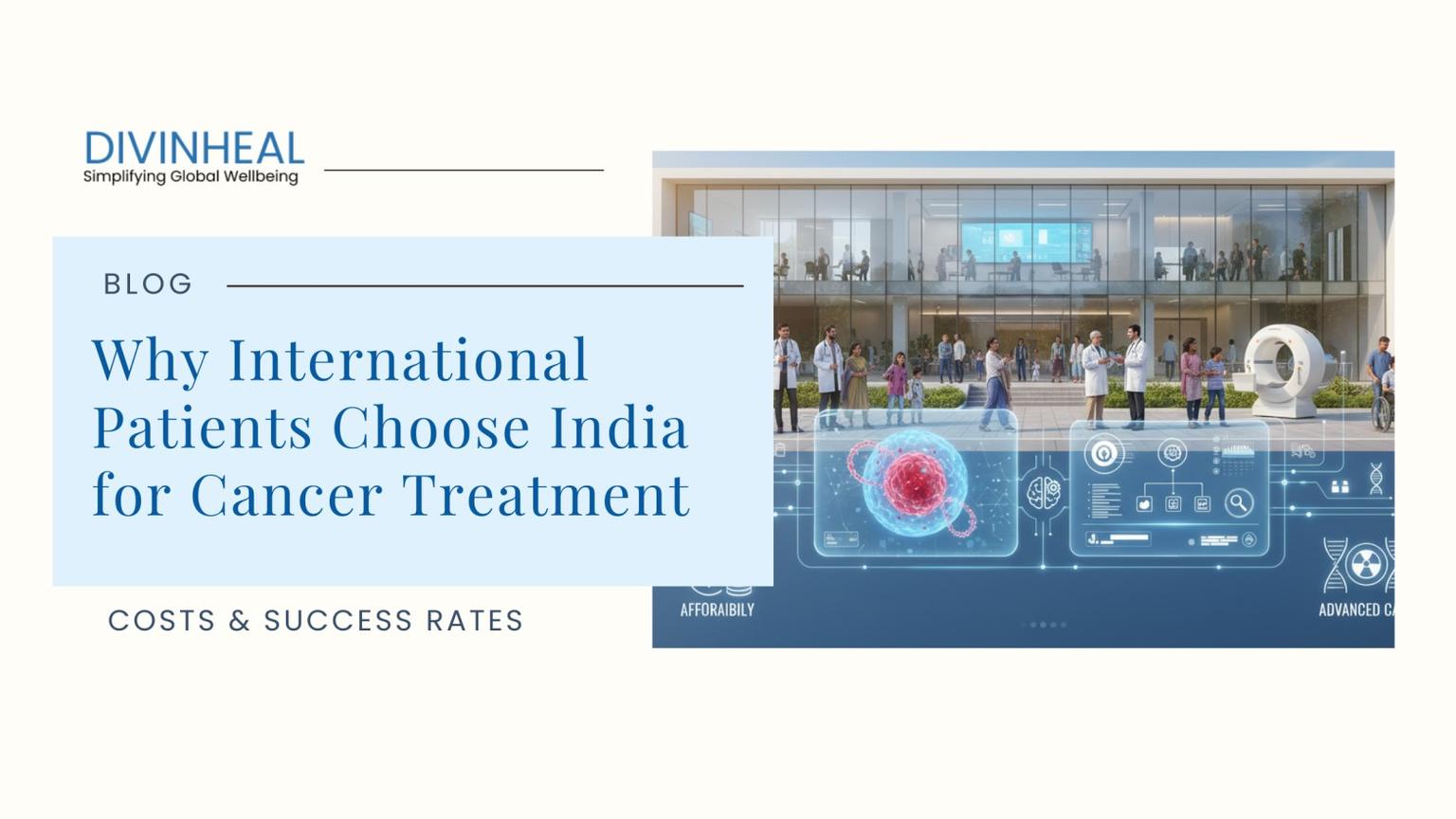
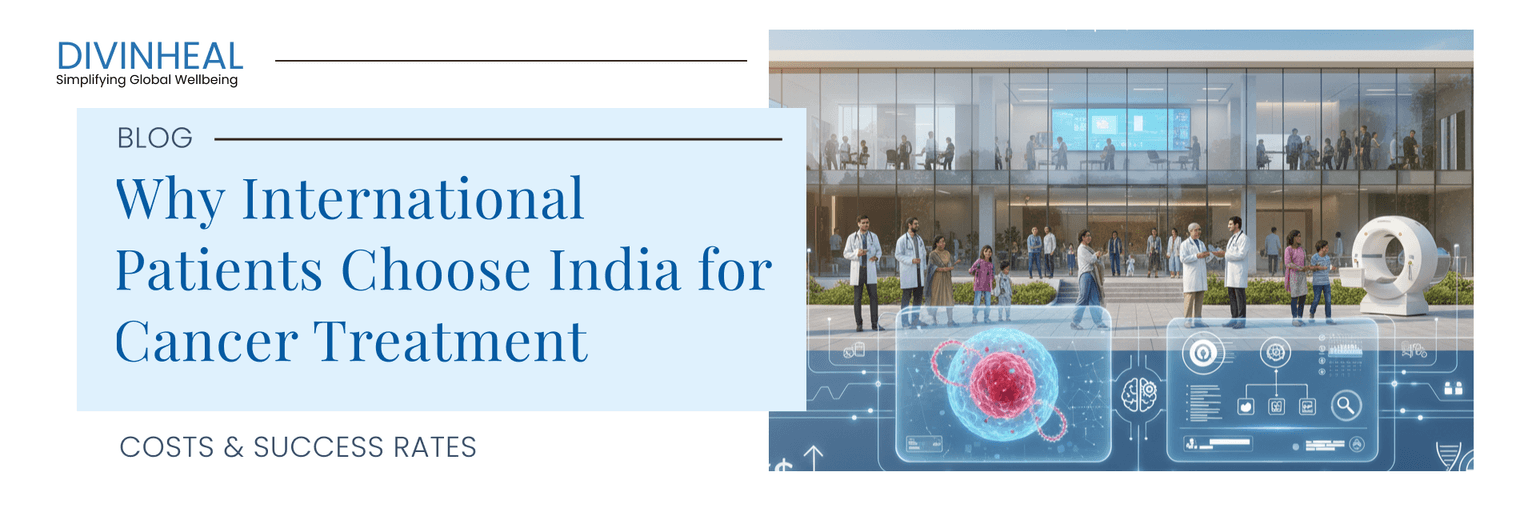
Why International Patients Choose India for Cancer Treatment
Why International Patients Choose India for Cancer Treatment
Cancer remains one of the most challenging health conditions worldwide, affecting millions of people each year. The rising costs of cancer treatment in developed countries have led to a surge in medical tourism, with India emerging as one of the most preferred destinations for world-class oncology care at a fraction of the price. Beyond affordability, India offers a compassionate and patient-centric approach, ensuring that patients receive not just medical attention but also emotional and holistic support during their battle with cancer.
With advancements in medical technology, internationally accredited hospitals, highly skilled oncologists, and personalized treatment plans, India has positioned itself as a leader in medical tourism for cancer treatment. This blog explores how India has revolutionized cancer treatment with a humane touch and why it has become a preferred choice for international patients.

Plan My Journey
Tell us your condition and budget - our AI matches the right destination, hospital and doctor and visa pathway
1. Why India for Cancer Treatment?
India is one of the fastest-growing medical tourism hubs for oncology care, offering cutting-edge treatments while maintaining an empathetic approach toward patients. Here’s why cancer patients from around the world choose India:
Affordable Cancer Treatment: Cancer care inIndia costs up to 60-80% less than in Western countries like the U.S., UK, or Canada, without compromising on quality.
Globally Accredited Hospitals: India has multiple hospitals accredited by international organizations such as JCI (Joint Commission International) and NABH (National Accreditation Board for Hospitals & Healthcare Providers), ensuring high standards of care.
Expert Oncologists and Multidisciplinary Teams: Many Indian oncologists have trained and practiced in prestigious international institutions, bringing global expertise to cancer treatment in India.
Advanced Medical Technology: India’s hospitals are equipped with the latest in radiation therapy, robotic-assisted surgery, and precision oncology techniques.
Personalized and Holistic Care: Patients receive individualized treatment plans along with integrative therapies, including yoga, Ayurveda, and psychological support, to help them cope with the emotional burden of cancer.
No Long Waiting Periods: Unlike in many Western countries where waiting lists for cancer treatment can be extensive, India offers quick access to consultations, diagnostics, and procedures.
Cost Calculator
I know my treatment - show me cost from 3 hospitals
2. Advanced Cancer Treatments Available in India
India’s cancer hospitals provide state-of-the-art treatments with a multidisciplinary approach, ensuring comprehensive care for patients. Some of the most sought-after treatments include:
2.1. Surgical Oncology
Robotic-Assisted Cancer Surgery: Minimally invasive surgeries with high precision, leading to faster recovery and minimal scarring.
Organ-Specific Cancer Surgeries: Specialized procedures for breast cancer, lung cancer, liver cancer, prostate cancer, and more.
2.2. Radiation Therapy
IMRT (Intensity-Modulated Radiation Therapy): Precisely targets cancer cells while sparing healthy tissues.
Proton Beam Therapy: A revolutionary treatment that minimizes radiation exposure to surrounding healthy tissues.
2.3. Medical Oncology (Chemotherapy, Targeted Therapy, and Immunotherapy)
Personalized Chemotherapy Plans: Based on genetic profiling to enhance treatment effectiveness.
Targeted Therapy: Attacks cancer cells based on specific molecular markers.
Immunotherapy: Boosts the body’s immune system to fight cancer more effectively.
2.4. Bone Marrow and Stem Cell Transplants
Autologous and Allogeneic Bone Marrow Transplants: Performed for leukemia, lymphoma, and other blood-related cancers.
2.5. Integrative Cancer Treatment
Palliative Care and Pain Management: Ensures a higher quality of life for patients undergoing cancer treatments.
Alternative and Supportive Therapies: Yoga, Ayurveda, and naturopathy help in managing side effects and improving overall well-being.
3. How India Provides a Humane Touch in Cancer Treatment
Cancer treatment is not just about administering medical procedures; it also involves emotional resilience, psychological well-being, and a compassionate support system. India’s approach to cancer care extends beyond clinical treatment, incorporating holistic healing, personalized support, and a deeply empathetic healthcare culture.
1. Patient-Centered Care with a Compassionate Approach
Indian hospitals emphasize patient comfort, dignity, and emotional well-being throughout the treatment journey.
Oncologists, nurses, and healthcare professionals take time to listen to patients’ concerns, explain procedures in detail, and provide reassurance, reducing fear and anxiety.
Many cancer treatment centers offer dedicated patient coordinators, ensuring that patients feel supported at every stage, from consultation to recovery.
2. Family Involvement and Emotional Support
Unlike many Western healthcare systems where treatment may feel impersonal, India promotes strong family involvement in patient care.
Hospitals encourage family members to be part of consultations, allowing them to understand the treatment plan and provide essential emotional support.
Specialized family counseling sessions help loved ones cope with the stress of a cancer diagnosis, creating a stronger emotional foundation for patients.
3. Spiritual and Holistic Healing Therapies
Many hospitals integrate spiritual and alternative healing approaches alongside conventional cancer treatments.
Practices such as yoga, meditation, and Ayurveda are offered to help patients manage stress, anxiety, and pain.
Healing gardens, prayer rooms, and quiet spaces are incorporated into hospital designs, allowing patients a peaceful retreat during their treatment journey.
4. Counseling, Mental Health Support, and Survivor Networks
Hospitals provide specialized oncology counselors to support patients through the psychological toll of cancer treatment.
Survivor support groups and mentorship programs connect patients with cancer survivors, fostering hope and encouragement.
Many hospitals also offer art therapy, music therapy, and relaxation sessions, which help patients cope with emotional distress, fear, and depression.
By combining cutting-edge medical treatment with holistic healing and compassionate patient care, India ensures that cancer patients not only receive world-class treatment but also feel emotionally and spiritually supported throughout their recovery journey.
4. Comparing Cancer Treatment Costs: India vs. Other Countries
One of the most significant reasons patients travel to India for cancer treatment is the affordability. Below is a cost comparison of common cancer treatments:
Treatment Type USA ($) UK ($) India ($)
Chemotherapy (per cycle) 3,000 - 7,000 2,500 - 5,000 400 - 1,500
Radiation Therapy 30,000 - 50,000 20,000 - 40,000 2,500 - 8,000
Breast Cancer Surgery 25,000 - 50,000 20,000 - 40,000 3,000 - 7,000
Bone Marrow Transplant 200,000 - 400,000 150,000 - 300,000 20,000 - 50,000
These cost differences make India a highly attractive destination for medical tourists.
5. Navigating Medical Tourism for Cancer Treatment in India
For international patients, planning cancer treatment in India involves several steps:
Research and Choose the Right Hospital and Oncologist: Patients should select hospitals accredited by international boards and specialists with expertise in their type of cancer.
Initial Consultation via Telemedicine: Many hospitals offer virtual consultations, allowing patients to discuss treatment options before traveling.
Travel Arrangements and Medical Visas: India provides special medical visas for patients and their caregivers, ensuring smooth entry into the country.
Treatment and Accommodation: International patients can access luxury hospital suites or medical guesthouses for a comfortable stay.
Post-Treatment Follow-Up: Telemedicine ensures continuous monitoring even after returning to one’s home country.
6. Comprehensive Cancer Care with a Holistic Approach
One of the biggest advantages of seeking cancer treatment in India is the comprehensive and holistic approach adopted by leading medical institutions. Instead of focusing solely on medical procedures, Indian hospitals integrate multidisciplinary care, ensuring that patients receive treatment that is not only technologically advanced but also emotionally and psychologically supportive.
Key Aspects of Comprehensive Cancer Care in India:
Multidisciplinary Tumor Boards for Personalized Treatment Plans
Leading hospitals have tumor boards where oncologists, radiologists, pathologists, and specialists collaborate to design the most effective and individualized treatment plan for each patient.
This ensures precision medicine, where therapies are tailored based on the patient's cancer type, genetic profile, and overall health condition.
Integration of Ayurveda and Alternative Therapies
Many hospitals offer complementary therapies such as Ayurveda, Yoga, Meditation, and Naturopathy alongside conventional cancer treatments.
These therapies help in reducing chemotherapy side effects, improving immunity, and enhancing mental well-being.
State-of-the-Art Pain and Palliative Care
Unlike many Western healthcare systems where palliative care can be expensive and limited, Indian cancer centers provide affordable and specialized pain management and palliative care services.
Patients receive integrated pain relief therapies, psychological counseling, and lifestyle guidance to improve their quality of life.
Nutritional and Psychological Support Programs
Proper nutrition plays a crucial role in cancer recovery, and Indian hospitals have dedicated nutritionists who create diet plans suited to each patient’s treatment stage.
Psycho-oncology services provide mental health support to both patients and their families, helping them cope with the emotional challenges of cancer treatment.
Advanced Rehabilitation and Survivorship Programs
Cancer treatment doesn’t stop at remission—hospitals in India offer comprehensive rehabilitation services including physical therapy, speech therapy, occupational therapy, and lifestyle coaching.
Survivorship programs focus on long-term health monitoring, cancer recurrence prevention strategies, and patient education to ensure a better quality of life post-treatment.
By adopting a patient-first philosophy, India's medical system ensures that cancer care is not just about survival but also about enhancing the patient’s overall well-being, making it one of the most compassionate and effective destinations for cancer treatment worldwide.
Challenges and Considerations
While India offers world-class cancer treatment, patients should be mindful of:
Quality Variation: Selecting an internationally accredited hospital is crucial.
Cultural and Language Barriers: Major hospitals have multilingual staff and translators.
Follow-Up Care: Patients must have a proper post-treatment care plan when they return home.
Conclusion: Why India is Leading the Way in Cancer Treatment
India’s ability to provide world-class oncology care at a fraction of the price, combined with a deeply compassionate approach, makes it a top destination for medical tourism. By integrating cutting-edge technology, expert oncologists, personalized treatment, and holistic care, India ensures that cancer patients not only receive the best medical attention but also a humane, supportive environment during their fight against cancer.
As medical tourism continues to grow, India will remain a beacon of hope for cancer patients worldwide, offering them an affordable yet high-quality path to recovery with dignity, compassion, and excellence.
Plan My Journey
Tell us your condition and budget - our AI matches the right destination, hospital and doctor and visa pathway
Cost Calculator
I know my treatment - show me cost from 3 hospitals
Recommended Article

Plan My Journey
Tell us your condition and budget - our AI matches the right destination, hospital and doctor and visa pathway
Cost Calculator
I know my treatment - show me cost from 3 hospitals
Booking With DIVINHEAL
Get a free consultation to understand your treatment options
Recommended Article
From Consultation to Recovery,
Step by Step
Expert Specialist Matching
Connecting you with the world's top-rated medical experts.
Accredited Hospital Network
Access to JCI & NABH certified healthcare facilities.
Complete Travel Coordination
Hassle-free visa, stay, and local transport assistance.
24/7 Personal Care
Dedicated patient advisors supporting you at every step.
Journey Guidance
Full guidance from start to end of the patient treatment journey.
Expert Specialist Matching
Connecting you with the world's top-rated medical experts.
Everything you
need to know today
Browse through these common inquiries to better understand our patient-focused medical platform.
Yes, we work with a variety of insurance providers. Contact our team to verify your coverage.
Yes, we provide secure online consultations with experienced specialists.
Our care coordinators help match you with the most suitable specialist.
Absolutely. Your medical information is protected according to healthcare privacy standards.
Look at six things: accreditation (JCI or NABH), specialty depth, doctor credentials and experience, procedure-specific success rates, international patient support, and technology. DivinHeal's AI-driven matching evaluates every hospital in our accredited partner network on these dimensions and shortlists the best-fit options for your condition, budget, and country.
JCI (Joint Commission International) is the US-based global gold standard for hospital quality, recognised worldwide. NABH is India's national accreditation — accredited by ISQua, the same body that accredits JCI. Both signal independently verified safety and quality. Most of India's leading hospitals hold both.
Yes. All three welcome international patients through structured medical visa programs. India is the most established, treating patients from Africa, the Middle East, and South Asia at 60–80% lower cost. Thailand leads in cosmetic and dental care. The UAE is emerging in oncology and reproductive medicine.
Most patients save 50–80% on treatment costs. Heart bypass costs US $7,000–9,000 in India compared to $70,000–150,000 in the US. IVF costs $3,000–4,500 compared to $12,000–20,000 in the UK. Even after flights, visa, and accommodation, total savings remain 60–70%.
DivinHeal manages your entire non-medical journey: visa invitation letters, medical visa guidance, doctor appointments, teleconsultations, airport pickup, hospital-vetted accommodation for you and your attendant, language interpreters, local transport, cuisine preferences, and post-treatment follow-up — one dedicated coordinator from first enquiry to final follow-up.
You need a valid passport (6+ months validity), a medical visa (M-Visa for India — DivinHeal provides the hospital invitation letter), return flight tickets, recent medical reports and a doctor's referral, current prescription list, and proof of financial means. Any accompanying attendant needs their own passport and MX-Visa.
Still have more questions?
Book a call with our friendly team to learn how DivineHeal simplifies your healthcare journey.








