Minimally Invasive Brain Tumor Surgery Treatment in Chennai for Iraq
Need Personalized Advice?
Our medical experts are ready to answer your questions and guide you through your treatment options.
About
Minimally Invasive Brain Tumor Surgery in Chennai for Iraqis
For patients from Iraq facing a brain tumor diagnosis, the uncertainty of treatment options can be overwhelming. The thought of complex surgery, recovery, and finding the right expertise often brings significant worry, making careful decision-making crucial for their health and future.
Many individuals seek healthcare beyond their borders for specialized procedures like minimally invasive brain tumor surgery. Chennai stands out as a preferred destination, offering advanced medical infrastructure and a focused environment that caters specifically to international patients, including comprehensive care coordination.
Chennai's medical community has earned a reputation for excellence, housing world-class hospitals and highly skilled neurosurgeons. Patients can trust in the city's integrated healthcare approach, ensuring not only successful surgery but also seamless follow-ups and comprehensive post-operative support within the city.
Is Chennai the right choice for your brain tumor treatment?
What is Minimally Invasive Brain Tumor Surgery?
Minimally invasive brain tumor surgery involves removing tumors through smaller openings than traditional open surgery. This approach uses specialized instruments and imaging technology to access the tumor with precision, causing less disruption to surrounding healthy brain tissue. It aims to reduce patient discomfort, shorten hospital stays, and accelerate recovery by minimizing incisions and tissue manipulation.
What are the Types of Minimally Invasive Brain Tumor Surgery?
Several techniques fall under the umbrella of minimally invasive approaches for brain tumors, each tailored to the tumor's location and characteristics:
- Endoscopic Surgery: Uses an endoscope, a thin tube with a camera and light, inserted through a small incision or natural opening like the nostril to reach and remove tumors.
- Keyhole Craniotomy: Performed through a very small opening in the skull, often no larger than a coin. Surgeons use specialized instruments and high-definition microscopes.
- Stereotactic Radiosurgery (SRS): A non-surgical method that uses highly focused radiation beams to destroy tumor cells, often used for smaller, well-defined tumors that are difficult to reach surgically.
- Laser Interstitial Thermal Therapy (LITT): Involves inserting a small laser fiber into the tumor to heat and destroy cancerous cells, guided by MRI imaging.
- Neuro-endovascular Surgery: Used for certain types of brain tumors or vascular lesions, involving catheters inserted into blood vessels to deliver treatment or block blood supply to the tumor.
When is Minimally Invasive Brain Tumor Surgery Recommended?
- Headaches that are persistent or worsening.
- Changes in vision, hearing, or speech.
- Seizures or unexplained convulsions.
- Weakness or numbness in parts of the body.
- Balance problems or difficulty walking.
- Changes in personality, memory, or concentration.
- When imaging scans like MRI or CT reveal a suspicious growth in the brain.
How is Brain Tumor Surgery Readiness Evaluated?
- Detailed neurological examination to assess brain function.
- MRI with contrast and CT scans of the brain for precise tumor mapping.
- Blood tests including complete blood count, kidney, and liver function.
- Electrocardiogram (ECG) and chest X-ray to evaluate heart and lung health.
- Neuropsychological testing to assess cognitive abilities.
- Consultation with a neurosurgeon, neurologist, and possibly an oncologist.
- Anesthesia evaluation to ensure patient suitability for surgery.
What Happens During Minimally Invasive Brain Tumor Surgery?
The specific steps of a minimally invasive brain tumor surgery depend largely on the tumor's type, size, location, and the chosen surgical approach.
Initial Preparation and Anesthesia
Patients are positioned carefully, and general anesthesia is administered. The surgical area is prepped and sterilized. Advanced navigation systems are often used to guide the surgeon.
Access and Tumor Removal
Depending on the chosen method, a small incision is made. For endoscopic approaches, an endoscope is inserted. For keyhole surgery, a small craniotomy is performed. The surgeon uses specialized micro-instruments, high-definition cameras, and sometimes intraoperative MRI or CT to precisely locate and remove the tumor while preserving healthy brain tissue.
Closure
Once the tumor is removed or debulked, the instruments are withdrawn, and the small incision is closed using sutures or surgical glue. The patient is then moved to recovery.
Ready to Explore Minimally Invasive Options?
Connect with top neurosurgeons in Chennai to discuss your treatment plan and get a personalized cost estimate.
What Does Recovery Involve After Surgery?
Recovery from minimally invasive brain tumor surgery is generally quicker than traditional open surgery, though it varies for each individual. Patients typically spend a few days in the hospital, often with a period in the intensive care unit. Healing time involves managing any residual pain or discomfort, gradual return to normal activities, and strict adherence to follow-up appointments. Rehabilitation, including physical or occupational therapy, may be recommended to regain strength and function.
What are the Risks and Success Rates?
- Temporary swelling or bleeding at the surgical site.
- Infection, though uncommon with modern sterile techniques.
- Headaches or discomfort that typically resolve with medication.
- New or worsened neurological symptoms, often temporary.
- Possible fluid accumulation in the brain (hydrocephalus).
- Risk of recurrence if not all tumor cells can be safely removed.
The success rates for minimally invasive brain tumor surgery are highly individual, depending on factors such as tumor type, size, location, patient's overall health, and the surgeon's experience. While complete tumor removal is the primary goal, success is also measured by improved quality of life and controlled disease progression. Outcomes range widely, but these techniques generally offer excellent results for appropriate cases, often with reduced complications compared to open surgery. Long-term expectations are discussed based on specific tumor characteristics and pathology.
What is the Cost of Brain Tumor Surgery in Chennai?
The cost of minimally invasive brain tumor surgery in Chennai is influenced by several factors. These include the specific hospital chosen, the experience of the neurosurgeon, the complexity of the tumor, the length of hospital stay, and any advanced technologies or medications required during or after the procedure.
A rough estimate for Minimally Invasive Brain Tumor Surgery in Chennai can range from INR 6,50,000 to INR 18,00,000.
Minimally Invasive Brain Tumor Surgery Cost: Chennai vs. Global
Chennai offers significantly more affordable options for advanced brain tumor surgery compared to many developed nations, without compromising on quality or technology.
| Location | Estimated Cost (USD) |
|---|---|
| Chennai, India | $8,000 - $22,000 |
| United States | $50,000 - $120,000 |
| United Kingdom | $40,000 - $90,000 |
| Singapore | $35,000 - $80,000 |
| Thailand | $15,000 - $35,000 |
Comprehensive Support for Your Chennai Treatment Journey
- Assistance with medical visa applications and extensions.
- Arrangement of airport transfers and local transportation.
- Dedicated patient care coordinators for seamless communication.
- Language interpretation services throughout your hospital stay.
- Booking of suitable accommodation for patients and accompanying family.
- Guidance on local amenities and cultural information for your comfort.
Essential Papers Required for Your Medical Visit
- Valid passport and medical visa.
- Complete medical history, including previous diagnoses and treatments.
- Original reports of all relevant scans (MRI, CT, PET) and pathology.
- Referral letter from your local doctor, if applicable.
- A list of all current medications and allergies.
- Copies of any previous surgical reports or discharge summaries.
Getting Ready Before You Arrive for Surgery
- Follow all dietary and medication instructions given by your Chennai medical team.
- Arrange for a companion to travel with you for support during your stay.
- Ensure all necessary documents are organized and easily accessible.
- Discuss any travel restrictions or health precautions with your doctor.
- Plan for your accommodation and local travel arrangements in Chennai.
- Communicate any last-minute health changes to your assigned coordinator.
Healing and Follow-Up Care After Your Procedure
- Adhere strictly to all prescribed medications and dosage instructions.
- Attend all scheduled follow-up appointments with your neurosurgeon.
- Follow guidelines for wound care to prevent infection and promote healing.
- Gradually reintroduce physical activities as advised by your medical team.
- Monitor for any warning signs and report them immediately to your doctor.
- Consider post-operative rehabilitation or therapy if recommended for optimal recovery.
Ready to Take the Next Step Towards Recovery?
Contact us today to receive detailed information and assistance for your Minimally Invasive Brain Tumor Surgery in Chennai.
Your Path to Better Health Starts Here
Choosing Chennai for your brain tumor surgery means opting for advanced care, experienced specialists, and a supportive environment. We are here to guide you through every step.
Hospitals Offering this treatment
India offers premium medical procedures at affordable prices. Discover our most popular treatments, delivered by the country's finest doctors.
Meet Our Doctors
Meet our team of highly qualified and experienced medical professionals dedicated to providing the best healthcare services.
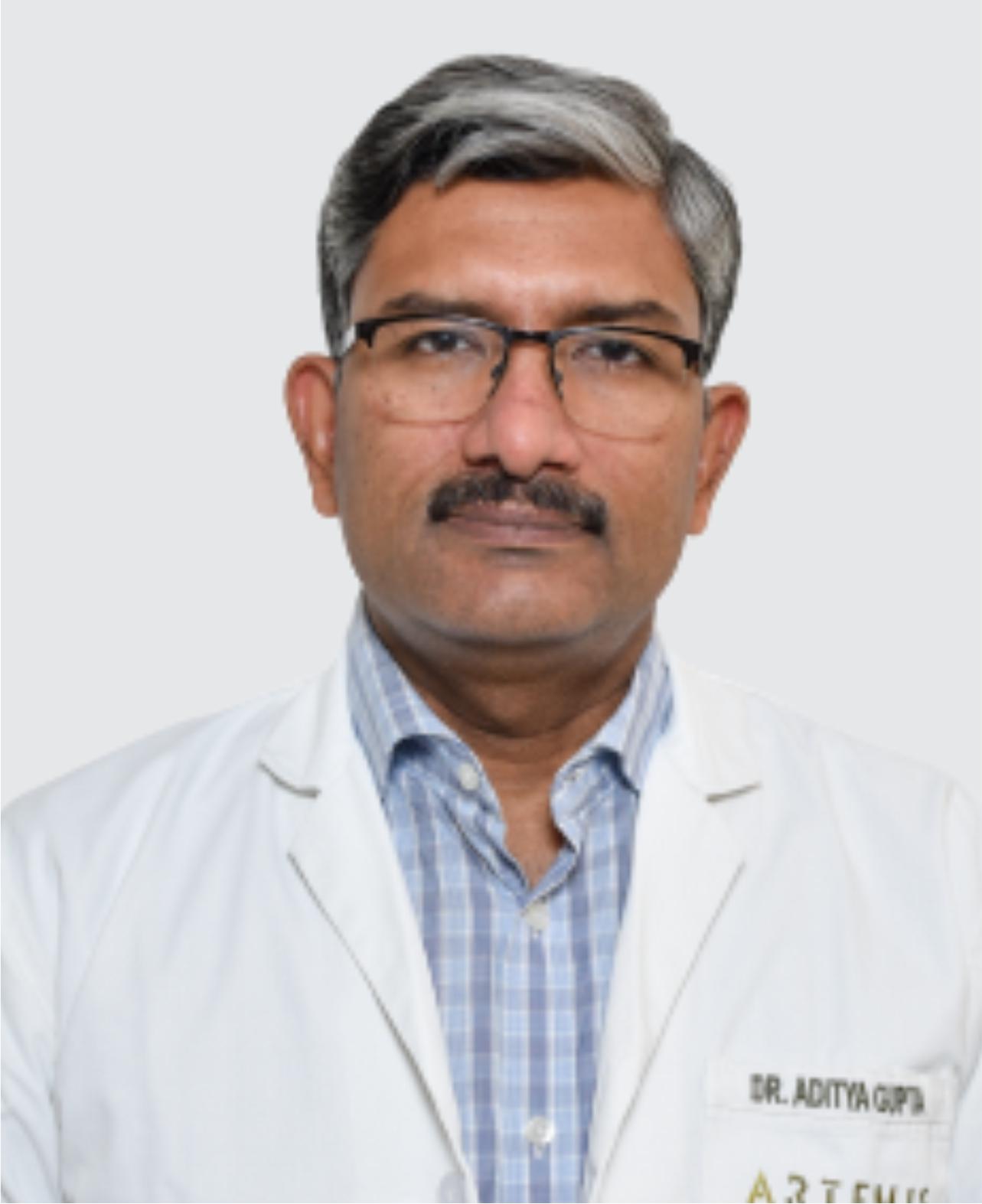
Dr. Aditya Gupta
Chairperson - Neurosurgery & CNS Radiosurgery & Co-Chief - Cyberknife Centre, Artemis Hospitals, Gurgaon
Neurosurgeon
Haryana
32+ Years
Experience
Artemis Hospital
Hospital
1500
Fees
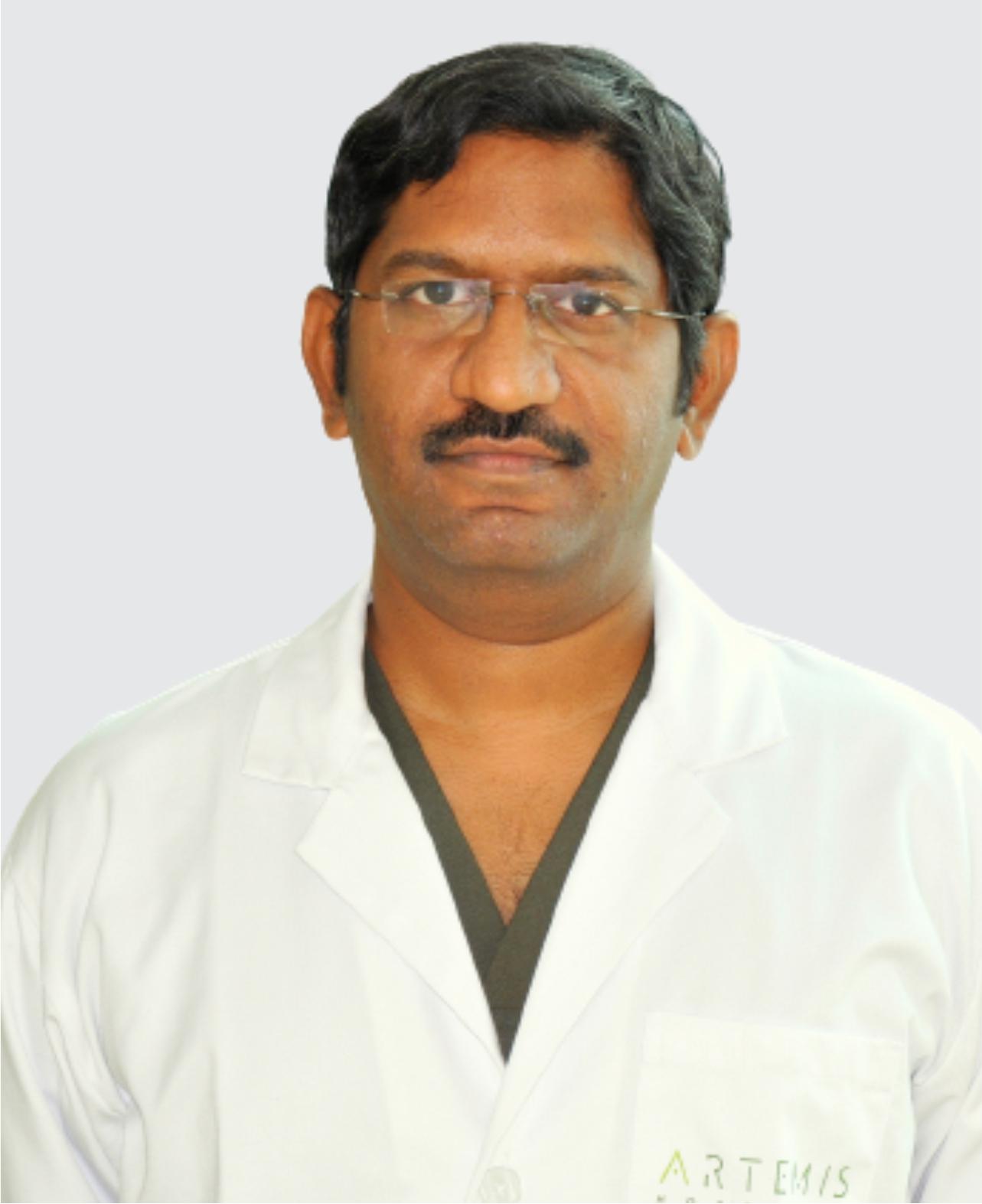
Dr. Y Naveen
Director
Neuroscience
New Delhi
12+ Years
Experience
Artemis Hospital
Hospital
1500
Fees
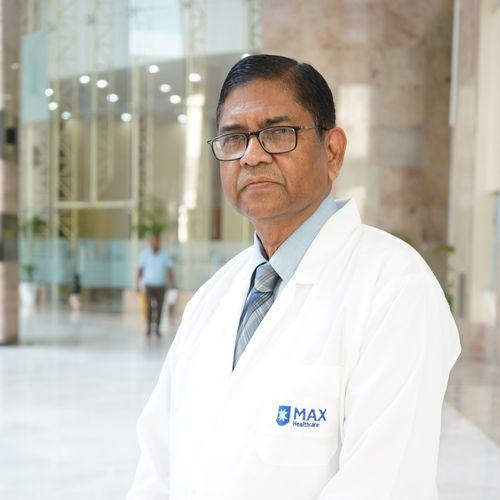
Dr. Nakul Sinha
Chairman - Cardiology
Cardiology
New Delhi
41+ Years
Experience
Max Hospital,Gurgaon
Hospital
1500
Fees
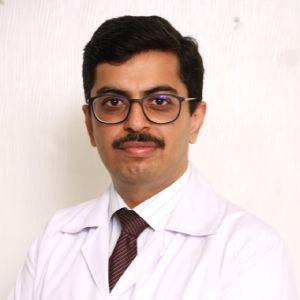
Dr. Abhideep Chaudhary
Chairman & HOD, HPB Surgery and Liver Transplantation
HPB Surgery, Liver Transplantation, Surgical Gastroenterology, Robotic Surgery, Biliary Sciences
New Delhi
20+ Years
Experience
Max Hospital,Gurgaon
Hospital
1500
Fees
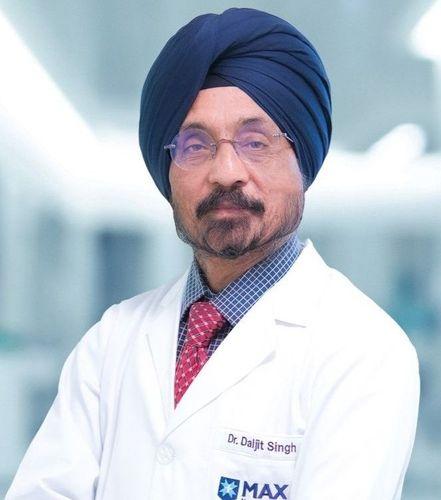
Dr (Prof) Daljit Singh
Vice Chairman & HOD — Neurosurgery and Unit Head — Neuro Intervention, Max Healthcare
Neurosurgery
New Delhi
31+ Years
Experience
Max Hospital,Gurgaon
Hospital
1500
Fees
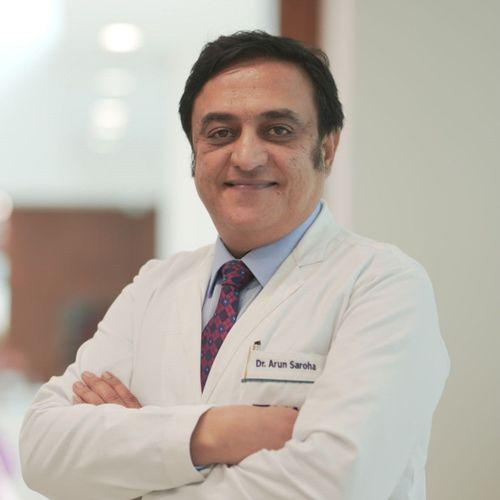
Dr. Arun Saroha
Director & HOD
Neurosurgery
New Delhi
30+ Years
Experience
Apolo Delhi
Hospital
1500
Fees
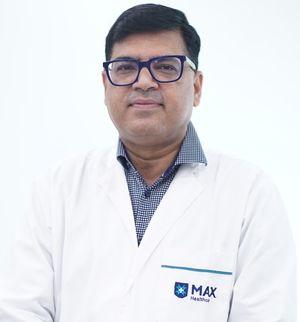
Dr. Vishal Saxena
Senior Consultant
Neurosurgery
New Delhi
25+ Years
Experience
Apolo Delhi
Hospital
1500
Fees
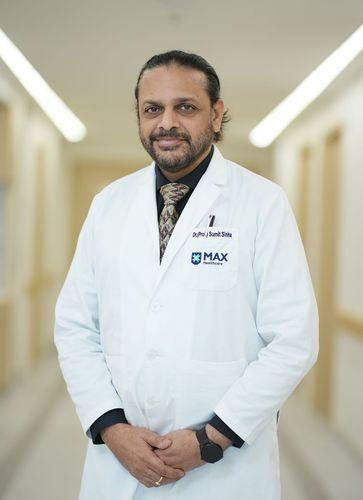
Dr. Sumit Sinha
Chairman - Neurosurgery
Neurosurgery
New Delhi
25+ Years
Experience
Apolo Delhi
Hospital
1500
Fees
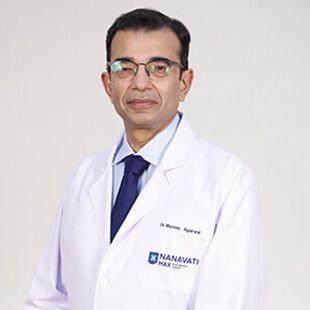
Dr. Manish Agarwal
Director - Oncology
Oncology
New Delhi
22+ Years
Experience
Apolo Delhi
Hospital
1500
Fees
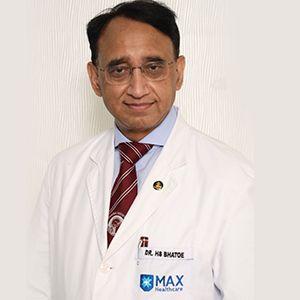
Brig. Dr. H.S. Bhatoe
Director - Neuro Surgery, Max Hospital, Saket & Patparganj
Neuro Surgery
New Delhi
50+ Years
Experience
Apolo Delhi
Hospital
1500
Fees
Related Links
Other Treatment related Information
- Minimally Invasive Brain Tumor Surgery cost in India
- Minimally Invasive Brain Tumor Surgery cost in Haryana
- Minimally Invasive Brain Tumor Surgery cost in Bengaluru
- Minimally Invasive Brain Tumor Surgery cost in Chennai
- Minimally Invasive Brain Tumor Surgery cost in Mumbai
- Minimally Invasive Brain Tumor Surgery cost in Hyderabad
- Minimally Invasive Brain Tumor Surgery cost in New Delhi
- Minimally Invasive Brain Tumor Surgery cost in Pune
- Minimally Invasive Brain Tumor Surgery Success Rate in Haryana
- Minimally Invasive Brain Tumor Surgery Success Rate in Hyderabad
- Minimally Invasive Brain Tumor Surgery Success Rate in Pune
- Minimally Invasive Brain Tumor Surgery Success Rate in Bengaluru
- Minimally Invasive Brain Tumor Surgery Success Rate in Mumbai
- Minimally Invasive Brain Tumor Surgery Success Rate in New Delhi
- Minimally Invasive Brain Tumor Surgery Success Rate in India
- Minimally Invasive Brain Tumor Surgery Success Rate in Chennai
- Best Minimally Invasive Brain Tumor Surgery Doctors in Chennai
- Best Minimally Invasive Brain Tumor Surgery Doctors in Mumbai
- Best Minimally Invasive Brain Tumor Surgery Doctors in New Delhi
- Best Minimally Invasive Brain Tumor Surgery Doctors in Pune
Ready To Start Your Healing Journey?
Get Personalized Medical Treatment Options From India's Top Hospitals. Our Medical Experts Are Ready To Assist You Every Step Of The Way.