Minimally Invasive Brain Tumor Surgery Treatment in Hyderabad for Bangladesh
Need Personalized Advice?
Our medical experts are ready to answer your questions and guide you through your treatment options.
About
Minimally Invasive Brain Tumor Surgery in Hyderabad for Bangladesh Patients
When faced with a brain tumor diagnosis, patients from Bangladesh often experience profound uncertainty and concern about treatment options. The thought of complex surgery, recovery, and associated costs can feel overwhelming, leading many to seek highly specialized care beyond their borders.
Hyderabad has emerged as a preferred destination for neurosurgical care due to its advanced medical infrastructure and renowned specialists. Patients are drawn to the city for its focused care environment, where the coordination of appointments and treatment plans is streamlined for international visitors.
The city's hospitals house dedicated teams of neurosurgeons, neurologists, and support staff, offering expertise in complex procedures. This focused approach ensures continuity of care, from initial consultation to post-operative follow-ups, all within Hyderabad's established medical community.
Hyderabad provides a comprehensive and accessible path to advanced neurological treatment.
What is Minimally Invasive Brain Tumor Surgery?
Minimally Invasive Brain Tumor Surgery refers to surgical techniques that allow neurosurgeons to access and remove brain tumors through smaller incisions or natural openings, rather than traditional large skull openings. These methods often involve specialized instruments, endoscopes, or microscopes to navigate precisely to the tumor while causing less disruption to surrounding healthy brain tissue. The goal is to achieve effective tumor removal with reduced pain, faster recovery, and fewer complications compared to conventional open surgery. This advanced approach focuses on precision and patient well-being, utilizing state-of-the-art technology to enhance surgical outcomes.
What are the Approaches to Minimally Invasive Brain Tumor Surgery?
Minimally invasive techniques for brain tumor removal can vary based on tumor location, size, and type. Some common approaches include:
- Neuroendoscopy: Using a thin, flexible tube with a camera (endoscope) inserted through a small hole in the skull or a natural opening like the nostril to visualize and remove tumors.
- Keyhole Craniotomy: Performing surgery through a small incision and bone opening (the "keyhole") about the size of a quarter, guided by advanced imaging and navigation systems.
- Transnasal Endoscopic Surgery: Accessing tumors located at the base of the skull, such as pituitary tumors, through the nasal passages without external incisions.
- Laser Interstitial Thermal Therapy (LITT): A minimally invasive procedure that uses laser heat to ablate (destroy) certain types of brain tumors, guided by MRI in real-time.
- Stereotactic Radiosurgery (SRS): A non-surgical method using highly focused radiation beams to destroy tumor cells, often considered for tumors that are difficult to reach surgically.
When is Minimally Invasive Brain Tumor Surgery Recommended?
- When a brain tumor is diagnosed through imaging (MRI, CT scans) and biopsy.
- If the tumor is causing symptoms such as severe headaches, seizures, weakness, or vision changes.
- For tumors located in areas that are accessible with minimal disruption to vital brain structures.
- When biopsy results confirm a tumor type that can be effectively removed surgically.
- To reduce tumor burden before other treatments like radiation or chemotherapy.
- For specific tumor types like pituitary adenomas, meningiomas, or certain gliomas.
What Pre-Treatment Evaluations are Necessary?
- Detailed neurological examination to assess brain function and identify specific deficits.
- High-resolution MRI of the brain with contrast to precisely map the tumor's size, location, and relationship to critical structures.
- CT scan, sometimes with angiography, to visualize bone structures and blood vessels.
- Blood tests including complete blood count, kidney and liver function tests, and coagulation profile.
- Electrocardiogram (ECG) and chest X-ray to evaluate overall heart and lung health.
- Consultation with a neurosurgeon, neurologist, and sometimes an oncologist or radiation oncologist.
- Neuropsychological testing to evaluate cognitive function if necessary.
How is Minimally Invasive Brain Tumor Surgery Performed?
The specific steps for minimally invasive brain tumor surgery depend on the tumor's characteristics and the chosen surgical approach.
Initial Preparation
Patients receive general anesthesia. The surgical area of the head is prepared, which may involve shaving a small section of hair. Advanced intraoperative navigation systems are often used, which act like a GPS for the brain, guiding the surgeon with real-time imaging.
Access and Tumor Removal
For keyhole approaches, a small incision is made, and a precise opening is created in the skull. Through this opening, specialized micro-instruments and an endoscope or microscope are inserted. The surgeon carefully navigates to the tumor, precisely identifies its boundaries, and removes it using techniques that minimize damage to surrounding healthy brain tissue. For transnasal approaches, instruments are guided through the nostrils to reach tumors at the skull base.
Closure and Recovery
Once the tumor is removed, the surgical site is carefully inspected. The small incision or entry point is then closed. Patients are monitored closely in the recovery unit as they awaken from anesthesia, and then transferred to a specialized neurosurgical ward for post-operative care.
What Does the Recovery Process Involve?
Recovery from minimally invasive brain tumor surgery is typically faster than traditional open surgery. Patients usually stay in the hospital for a few days for monitoring. Pain management is provided, and neurological function is regularly assessed. Physical, occupational, or speech therapy might be recommended depending on the tumor's location and any post-surgical deficits. Most patients can resume light activities within a few weeks, with full recovery taking several months. Follow-up appointments with the neurosurgeon are crucial to monitor healing and assess the need for further treatments.
What are the Risks and Success Rates of This Surgery?
- Potential for bleeding or infection at the surgical site.
- Risk of swelling in the brain, which can temporarily affect brain function.
- Possible injury to surrounding healthy brain tissue or nerves, leading to new or worsened neurological deficits.
- Cerebrospinal fluid (CSF) leakage in some cases, particularly with skull base approaches.
- Though rare, incomplete tumor removal may occur, necessitating further treatment.
- Temporary or permanent side effects such as headaches, weakness, or vision changes.
The success rates for minimally invasive brain tumor surgery are generally high, especially for well-defined and accessible tumors. Outcomes vary significantly based on the tumor's type, size, location, and the patient's overall health. Complete tumor removal is a primary goal, and for many benign tumors, this can lead to a cure. For malignant tumors, surgery is often part of a broader treatment plan. Long-term expectations are discussed with the patient, focusing on improving quality of life and managing any residual disease.
Cost of Minimally Invasive Brain Tumor Surgery in Hyderabad
The cost of Minimally Invasive Brain Tumor Surgery in Hyderabad can vary based on several factors. These include the specific hospital chosen, the experience and reputation of the neurosurgeon, the complexity of the tumor, the technology utilized during the procedure (e.g., advanced navigation systems, intraoperative MRI), and the duration of the hospital stay, including any intensive care unit time.
In Hyderabad, the estimated cost for Minimally Invasive Brain Tumor Surgery typically ranges from INR 3,50,000 to INR 10,00,000.
Comparing Treatment Costs: Hyderabad vs. Other Countries
Patients from Bangladesh often find Hyderabad to be a cost-effective option for advanced neurosurgical procedures without compromising on quality. Here’s a general comparison:
| Location | Estimated Cost Range (USD) |
|---|---|
| Hyderabad, India | $4,500 – $12,000 |
| United States | $50,000 – $150,000+ |
| United Kingdom | $40,000 – $100,000+ |
| Singapore | $30,000 – $80,000+ |
| Thailand | $15,000 – $40,000+ |
Considering Minimally Invasive Brain Tumor Surgery in Hyderabad?
Our team is ready to provide personalized guidance, detailed cost estimates, and help you connect with top neurosurgeons in Hyderabad.
Essential Support Services for International Patients
- Assistance with medical visa application and invitation letters.
- Dedicated patient coordinator for travel, accommodation, and hospital logistics.
- Language interpretation services to ensure clear communication with medical staff.
- Arrangements for airport transfers and local transportation.
- Guidance on pre-arrival medical reports and necessary paperwork.
- Support for post-treatment follow-up and discharge planning.
Key Documents Required for Your Medical Journey
- Valid passport and medical visa for entry into India.
- Comprehensive medical reports, including MRI/CT scans, biopsy results, and physician notes.
- A referral letter from your local doctor, if available, detailing your condition.
- Proof of financial solvency for treatment costs and stay.
- Contact information for your emergency contacts.
- Any previous surgical records or treatment summaries.
Preparing for Your Minimally Invasive Brain Tumor Surgery
- Undergo all recommended pre-operative tests and consultations in Hyderabad.
- Discuss all medications with your neurosurgeon; some may need to be stopped before surgery.
- Follow specific dietary guidelines given by your medical team prior to the procedure.
- Arrange for a companion to travel with you for support and assistance.
- Understand the recovery process and plan for your post-operative stay in Hyderabad.
- Ensure all financial arrangements are clear and settled before the surgery.
Post-Treatment Care and Recovery Guidelines
- Adhere strictly to all medication schedules and wound care instructions.
- Attend all scheduled follow-up appointments with your neurosurgeon.
- Gradually reintroduce physical activities as advised by your medical team.
- Report any unusual symptoms such as fever, severe headaches, or new neurological changes immediately.
- Consider any recommended rehabilitation therapies to aid in full recovery.
- Ensure comfortable and safe travel back to Bangladesh after clearance from your doctor.
Ready to Explore Treatment Options in Hyderabad?
Connect with our expert medical team for a seamless and supportive treatment experience tailored to your needs as an international patient.
Embark on Your Path to Recovery with Confidence
Choosing Hyderabad for Minimally Invasive Brain Tumor Surgery offers access to advanced care and experienced specialists.
Hospitals Offering this treatment
India offers premium medical procedures at affordable prices. Discover our most popular treatments, delivered by the country's finest doctors.
Meet Our Doctors
Meet our team of highly qualified and experienced medical professionals dedicated to providing the best healthcare services.
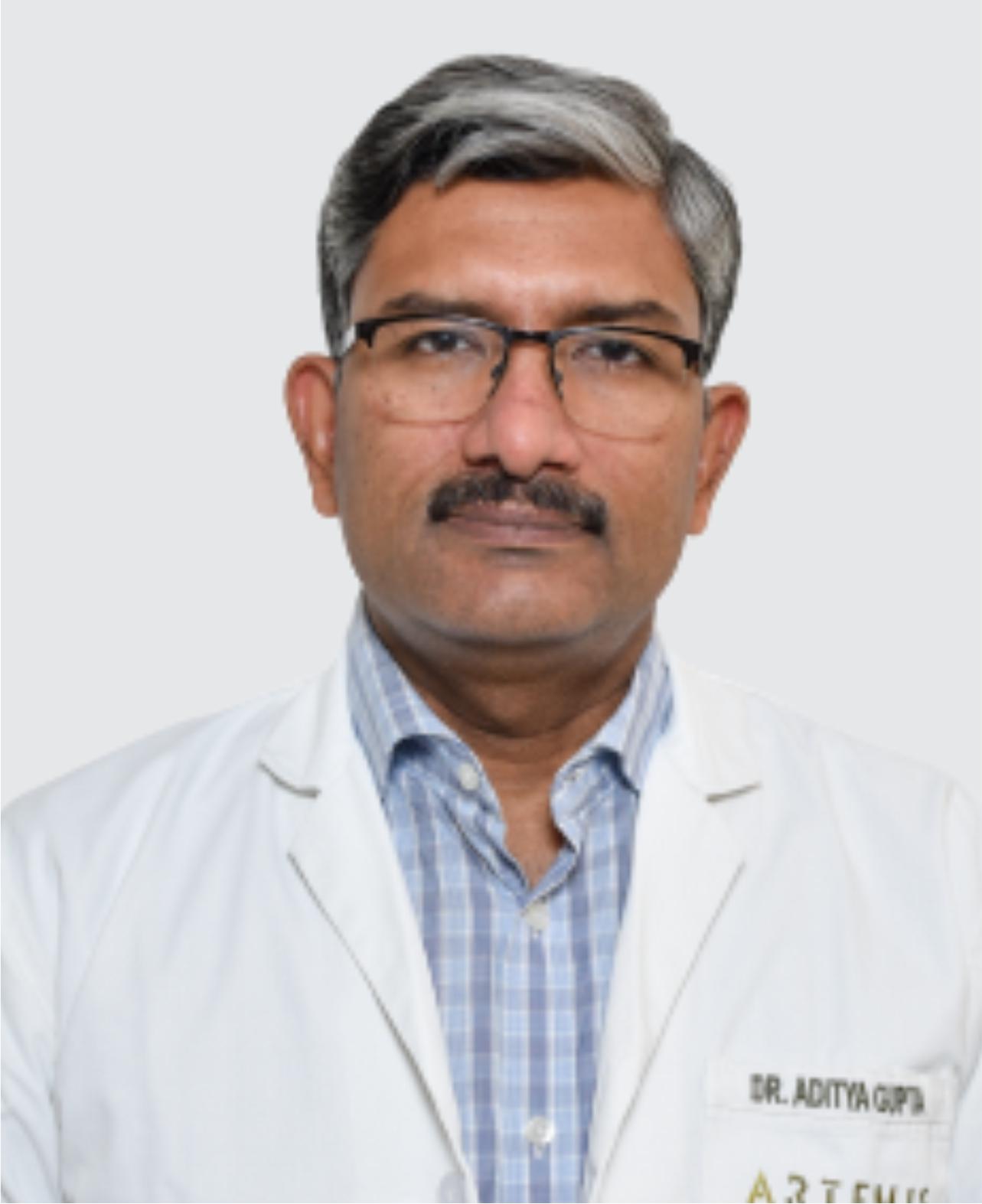
Dr. Aditya Gupta
Chairperson - Neurosurgery & CNS Radiosurgery & Co-Chief - Cyberknife Centre, Artemis Hospitals, Gurgaon
Neurosurgeon
Haryana
32+ Years
Experience
Artemis Hospital
Hospital
1500
Fees
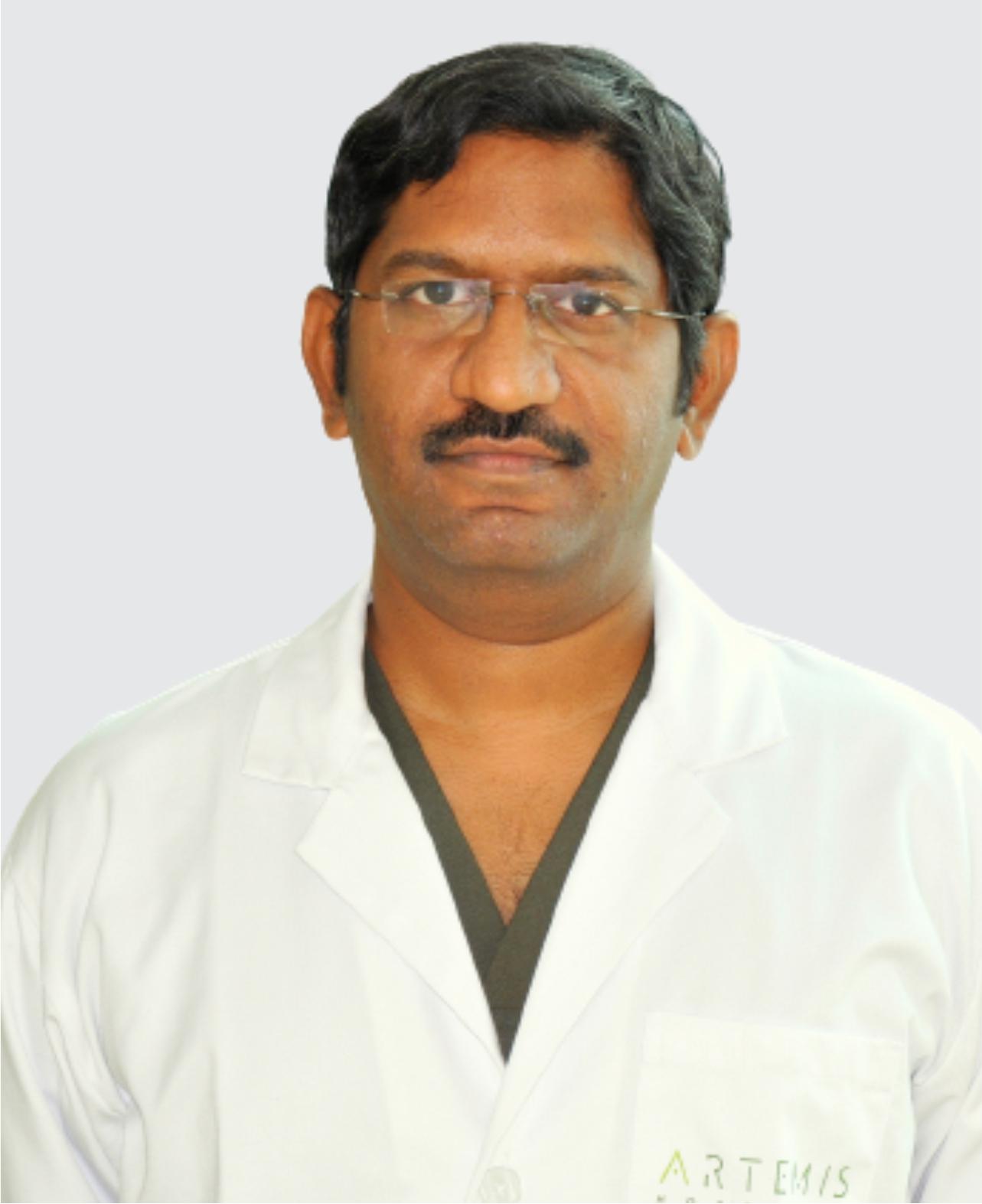
Dr. Y Naveen
Director
Neuroscience
New Delhi
12+ Years
Experience
Artemis Hospital
Hospital
1500
Fees
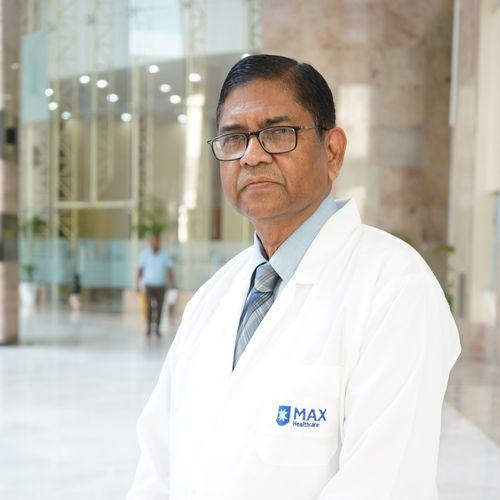
Dr. Nakul Sinha
Chairman - Cardiology
Cardiology
New Delhi
41+ Years
Experience
Max Hospital,Gurgaon
Hospital
1500
Fees
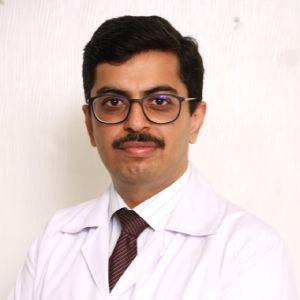
Dr. Abhideep Chaudhary
Chairman & HOD, HPB Surgery and Liver Transplantation
HPB Surgery, Liver Transplantation, Surgical Gastroenterology, Robotic Surgery, Biliary Sciences
New Delhi
20+ Years
Experience
Max Hospital,Gurgaon
Hospital
1500
Fees
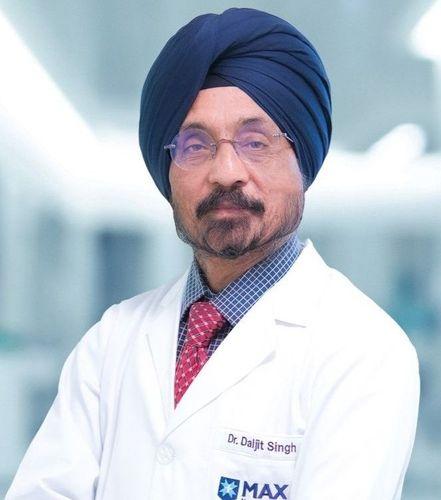
Dr (Prof) Daljit Singh
Vice Chairman & HOD — Neurosurgery and Unit Head — Neuro Intervention, Max Healthcare
Neurosurgery
New Delhi
31+ Years
Experience
Max Hospital,Gurgaon
Hospital
1500
Fees
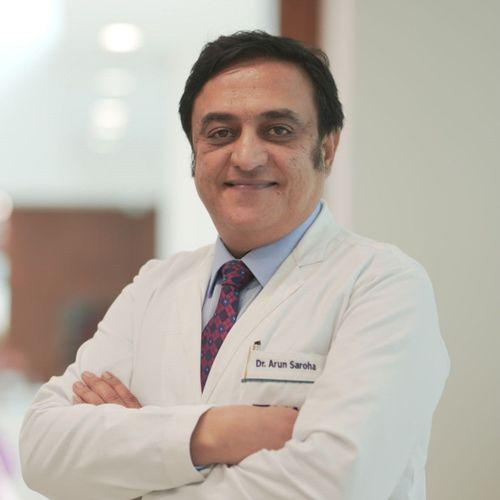
Dr. Arun Saroha
Director & HOD
Neurosurgery
New Delhi
30+ Years
Experience
Apolo Delhi
Hospital
1500
Fees
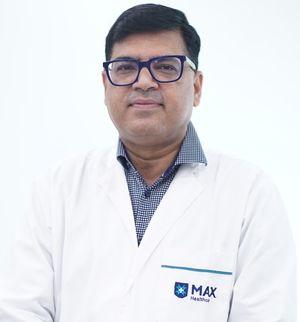
Dr. Vishal Saxena
Senior Consultant
Neurosurgery
New Delhi
25+ Years
Experience
Apolo Delhi
Hospital
1500
Fees
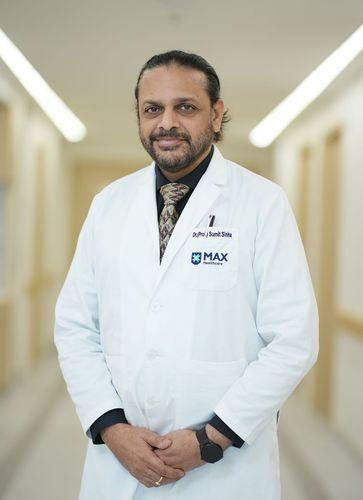
Dr. Sumit Sinha
Chairman - Neurosurgery
Neurosurgery
New Delhi
25+ Years
Experience
Apolo Delhi
Hospital
1500
Fees
Dr. Manish Agarwal
Director - Oncology
Oncology
New Delhi
22+ Years
Experience
Apolo Delhi
Hospital
1500
Fees
Brig. Dr. H.S. Bhatoe
Director - Neuro Surgery, Max Hospital, Saket & Patparganj
Neuro Surgery
New Delhi
50+ Years
Experience
Apolo Delhi
Hospital
1500
Fees
Related Links
Other Treatment related Information
- Minimally Invasive Brain Tumor Surgery cost in India
- Minimally Invasive Brain Tumor Surgery cost in Haryana
- Minimally Invasive Brain Tumor Surgery cost in Bengaluru
- Minimally Invasive Brain Tumor Surgery cost in Chennai
- Minimally Invasive Brain Tumor Surgery cost in Mumbai
- Minimally Invasive Brain Tumor Surgery cost in Hyderabad
- Minimally Invasive Brain Tumor Surgery cost in New Delhi
- Minimally Invasive Brain Tumor Surgery cost in Pune
- Minimally Invasive Brain Tumor Surgery Success Rate in Haryana
- Minimally Invasive Brain Tumor Surgery Success Rate in Hyderabad
- Minimally Invasive Brain Tumor Surgery Success Rate in Pune
- Minimally Invasive Brain Tumor Surgery Success Rate in Bengaluru
- Minimally Invasive Brain Tumor Surgery Success Rate in Mumbai
- Minimally Invasive Brain Tumor Surgery Success Rate in New Delhi
- Minimally Invasive Brain Tumor Surgery Success Rate in India
- Minimally Invasive Brain Tumor Surgery Success Rate in Chennai
- Best Minimally Invasive Brain Tumor Surgery Doctors in Chennai
- Best Minimally Invasive Brain Tumor Surgery Doctors in Mumbai
- Best Minimally Invasive Brain Tumor Surgery Doctors in New Delhi
- Best Minimally Invasive Brain Tumor Surgery Doctors in Pune
Ready To Start Your Healing Journey?
Get Personalized Medical Treatment Options From India's Top Hospitals. Our Medical Experts Are Ready To Assist You Every Step Of The Way.