Minimally Invasive Brain Tumor Surgery Treatment in India for Ethiopia
Need Personalized Advice?
Our medical experts are ready to answer your questions and guide you through your treatment options.
About
Minimally Invasive Brain Tumor Surgery in India for Ethiopian Patients
For many patients in Ethiopia facing a brain tumor diagnosis, the thought of complex surgery can bring significant anxiety. Concerns about surgical precision, potential risks, and the path to recovery are natural. Finding world-class care that combines advanced techniques with compassionate support becomes a critical quest.
This is why a growing number of patients and their families are exploring medical options beyond their borders. India has emerged as a preferred destination, offering access to specialized medical expertise and cutting-edge surgical technologies that may not be readily available locally.
Across India, leading hospitals in major cities are equipped with state-of-the-art neurosurgical units, staffed by highly experienced specialists. These facilities uphold international standards of patient care, ensuring a secure and professional environment for complex procedures like brain tumor surgery.
India offers a comprehensive and accessible medical solution for brain tumor treatment.
What is Minimally Invasive Brain Tumor Surgery?
Minimally invasive brain tumor surgery involves removing brain tumors through smaller incisions or natural openings, using specialized instruments and advanced imaging. This approach aims to reduce trauma to healthy brain tissue, minimize blood loss, shorten hospital stays, and accelerate recovery compared to traditional open brain surgery. Techniques often include endoscopic surgery, keyhole surgery, and stereotactic radiosurgery, all designed to target the tumor precisely while preserving critical neurological functions.
Approaches to Minimally Invasive Brain Tumor Surgery
Different minimally invasive techniques are chosen based on the tumor's location, size, and type:
- Endoscopic Neurosurgery: Utilizes a thin, lighted tube with a camera (endoscope) inserted through small openings to visualize and remove tumors.
- Keyhole Craniotomy: Involves a small incision and a small opening in the skull, allowing access to deeper tumors with minimal disruption to surrounding tissue.
- Transsphenoidal Endoscopic Surgery: A common method for pituitary tumors, where access is gained through the nose and sphenoid sinus, avoiding external incisions on the head.
- Stereotactic Radiosurgery: A non-surgical technique using highly focused radiation beams to destroy tumor cells, often used for smaller, well-defined tumors or as an adjunct to surgery.
- Laser Interstitial Thermal Therapy (LITT): Uses a laser probe to deliver heat directly to the tumor, destroying it from within, guided by MRI.
When Is Minimally Invasive Brain Tumor Surgery Recommended?
- Diagnosis of a brain tumor through imaging (MRI, CT scans).
- Tumor growth causing neurological symptoms like headaches, seizures, weakness, or vision changes.
- Tumors located in areas accessible with minimally invasive techniques.
- Need for biopsy and definitive diagnosis of tumor type.
- Desire to preserve healthy brain tissue and minimize surgical trauma.
- Specific tumor types such as pituitary adenomas, meningiomas, gliomas, or metastatic tumors.
Pre-Treatment Evaluation for Brain Tumor Surgery
- Detailed neurological examination to assess cognitive and motor functions.
- High-resolution Magnetic Resonance Imaging (MRI) with contrast to pinpoint tumor location and characteristics.
- Computed Tomography (CT) scan to evaluate bone structures and potential calcifications.
- Angiography or MR Venography to map blood vessels near the tumor.
- Blood tests including complete blood count, coagulation profile, and biochemical markers.
- Electroencephalogram (EEG) if seizures are a symptom.
- Neuropsychological assessment to baseline cognitive function before surgery.
- Consultation with a neurosurgeon, neurologist, and often an oncologist or radiologist.
How Minimally Invasive Brain Tumor Surgery Is Performed
The exact surgical procedure depends on the tumor type, size, and location, along with the patient's overall health and the surgeon's specific plan.
Preparation and Anesthesia
Patients receive general anesthesia. The surgical area is carefully prepped and sterilized. Advanced neuronavigation systems, like intraoperative MRI or CT, are often used to create a real-time "GPS" of the brain, guiding the surgeon precisely.
Surgical Access
For endoscopic or keyhole procedures, a small incision is made on the scalp. A small opening, typically 1 to 3 centimeters, is created in the skull (craniotomy). Through this opening, an endoscope or micro-instruments are introduced.
Tumor Removal
Using the endoscope's camera for magnified, high-definition visualization, the surgeon carefully navigates to the tumor. Specialized micro-instruments are then used to resect or ablate the tumor tissue while meticulously avoiding critical brain structures. For transsphenoidal procedures, the instruments are guided through the nose to access pituitary tumors.
Closure
Once the tumor is removed or treated, the instruments are withdrawn. The small skull opening is covered, and the incision is closed with sutures or staples. The duration of the surgery varies but is typically shorter than traditional open approaches.
The Recovery Process Following Surgery
After minimally invasive brain tumor surgery, patients are closely monitored in an intensive care unit before moving to a regular ward. The initial recovery period typically involves managing pain, monitoring neurological function, and observing for any complications. Hospital stays are usually shorter, ranging from a few days to a week. Patients are encouraged to ambulate early. Post-discharge care often includes medication management, follow-up imaging, and rehabilitation services such as physical therapy, occupational therapy, or speech therapy, depending on any neurological deficits. Full recovery and return to normal activities can take several weeks to months.
Risks and Success Rates of the Procedure
- Infection at the surgical site or within the brain.
- Bleeding, which can sometimes require additional intervention.
- Stroke or temporary neurological deficits such as weakness or speech difficulty.
- Cerebrospinal fluid leak, a rare but possible complication.
- Seizures, which may occur post-surgery and require medication.
- Incomplete tumor removal, necessitating further treatment.
- Adverse reactions to anesthesia or medications.
Success rates for minimally invasive brain tumor surgery are generally high, especially when performed by experienced neurosurgeons. The specific outcome varies widely based on factors like the tumor's type, size, location, and the patient's overall health. Complete tumor removal is often possible for benign and some malignant tumors, significantly improving patient prognosis and quality of life. Long-term outcomes are continuously monitored through regular follow-up appointments and imaging.
Seeking expert advice for brain tumor surgery in India? Consult with our specialists for a personalized treatment plan.
Cost of Minimally Invasive Brain Tumor Surgery in India
The cost of minimally invasive brain tumor surgery in India is influenced by several factors, including the specific type of surgery, the tumor's complexity, the hospital's infrastructure, the surgeon's experience, and the duration of hospital stay. Additional costs may arise from pre-operative diagnostics, post-operative rehabilitation, and any unexpected complications.
In India, the estimated cost for minimally invasive brain tumor surgery typically ranges from 7,00,000 INR to 15,00,000 INR.
Cost Comparison Across Major Indian Cities (INR)
| City | Estimated Cost Range (INR) |
|---|---|
| Delhi | 7,50,000 - 14,50,000 |
| Mumbai | 8,00,000 - 15,00,000 |
| Chennai | 7,00,000 - 13,00,000 |
| Bengaluru | 7,80,000 - 14,00,000 |
| Hyderabad | 7,20,000 - 13,50,000 |
| Kolkata | 6,80,000 - 12,80,000 |
| Pune | 7,30,000 - 13,80,000 |
Global Cost Comparison (USD)
| Country | Estimated Cost Range (USD) |
|---|---|
| India | 8,500 - 18,000 |
| Ethiopia | 15,000 - 30,000+ (if available) |
| USA | 60,000 - 100,000+ |
| UK | 45,000 - 70,000+ |
| Singapore | 35,000 - 55,000+ |
Get a detailed cost estimate for your minimally invasive brain tumor surgery in India. Reach out for a transparent quote.
Support Services for Your Treatment Journey
- Dedicated international patient coordinator for seamless communication and planning.
- Assistance with visa application and medical travel arrangements.
- Airport pickup and drop-off services for convenience.
- Accommodation recommendations for patients and accompanying family members.
- Language translation services during consultations and hospital stays.
- Guidance on local transportation and essential amenities.
- Facilitation of post-operative follow-up appointments and remote consultations.
Important Medical Documents for Ethiopian Patients
- Current passport and valid medical visa for India.
- Comprehensive medical reports, including diagnostic scans (MRI, CT) and pathology results.
- Referral letters from your local physician if applicable.
- Detailed medical history, including any prior surgeries or treatments.
- List of all current medications, including dosages.
- Proof of financial capability for treatment and travel expenses.
Preparing for Your Procedure in India
- Complete all recommended pre-operative tests and consultations as advised.
- Disclose any allergies or existing medical conditions to your Indian medical team.
- Follow specific dietary guidelines or medication adjustments instructed by your doctor.
- Arrange for a responsible companion to travel and stay with you for support.
- Ensure your travel and accommodation plans are confirmed well in advance.
- Prepare questions for your medical team regarding the surgery and recovery.
Healing and Support After Treatment
- Adhere strictly to post-operative medication schedules and wound care instructions.
- Participate actively in any prescribed physical or occupational therapy sessions.
- Maintain regular communication with your treating neurosurgeon for follow-up guidance.
- Avoid strenuous activities and heavy lifting during the initial recovery phase.
- Monitor for any signs of complications and report them immediately to your medical team.
- Plan for adequate rest and a gradual return to your daily routine, as advised.
Begin Your Path to Recovery
Choosing the right medical care for a brain tumor is a significant decision. India offers advanced treatment options and supportive services to ensure a confident and well-managed journey toward healing.
Hospitals Offering this treatment
India offers premium medical procedures at affordable prices. Discover our most popular treatments, delivered by the country's finest doctors.
Meet Our Doctors
Meet our team of highly qualified and experienced medical professionals dedicated to providing the best healthcare services.
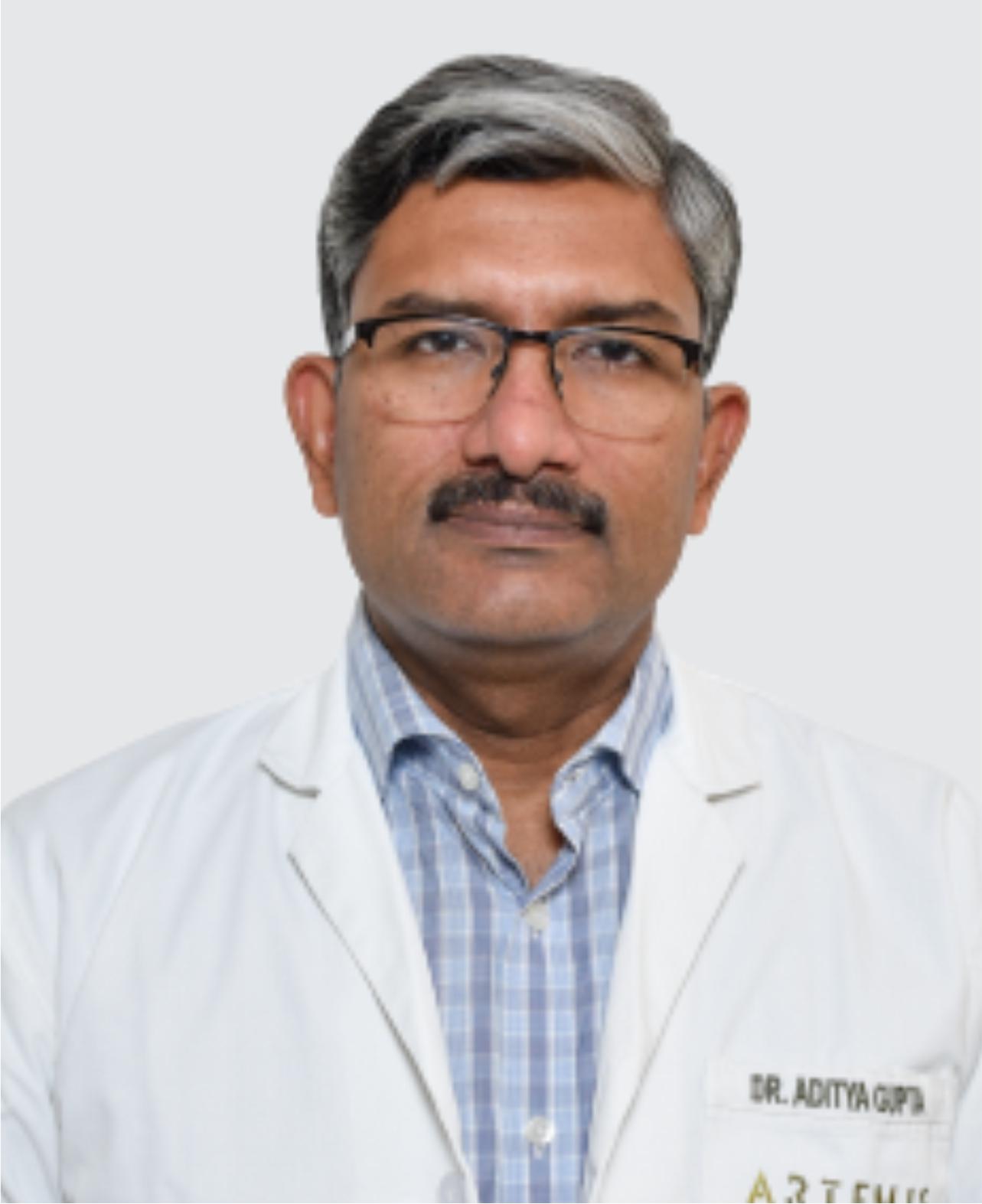
Dr. Aditya Gupta
Chairperson - Neurosurgery & CNS Radiosurgery & Co-Chief - Cyberknife Centre, Artemis Hospitals, Gurgaon
Neurosurgeon
Haryana
32+ Years
Experience
Artemis Hospital
Hospital
1500
Fees
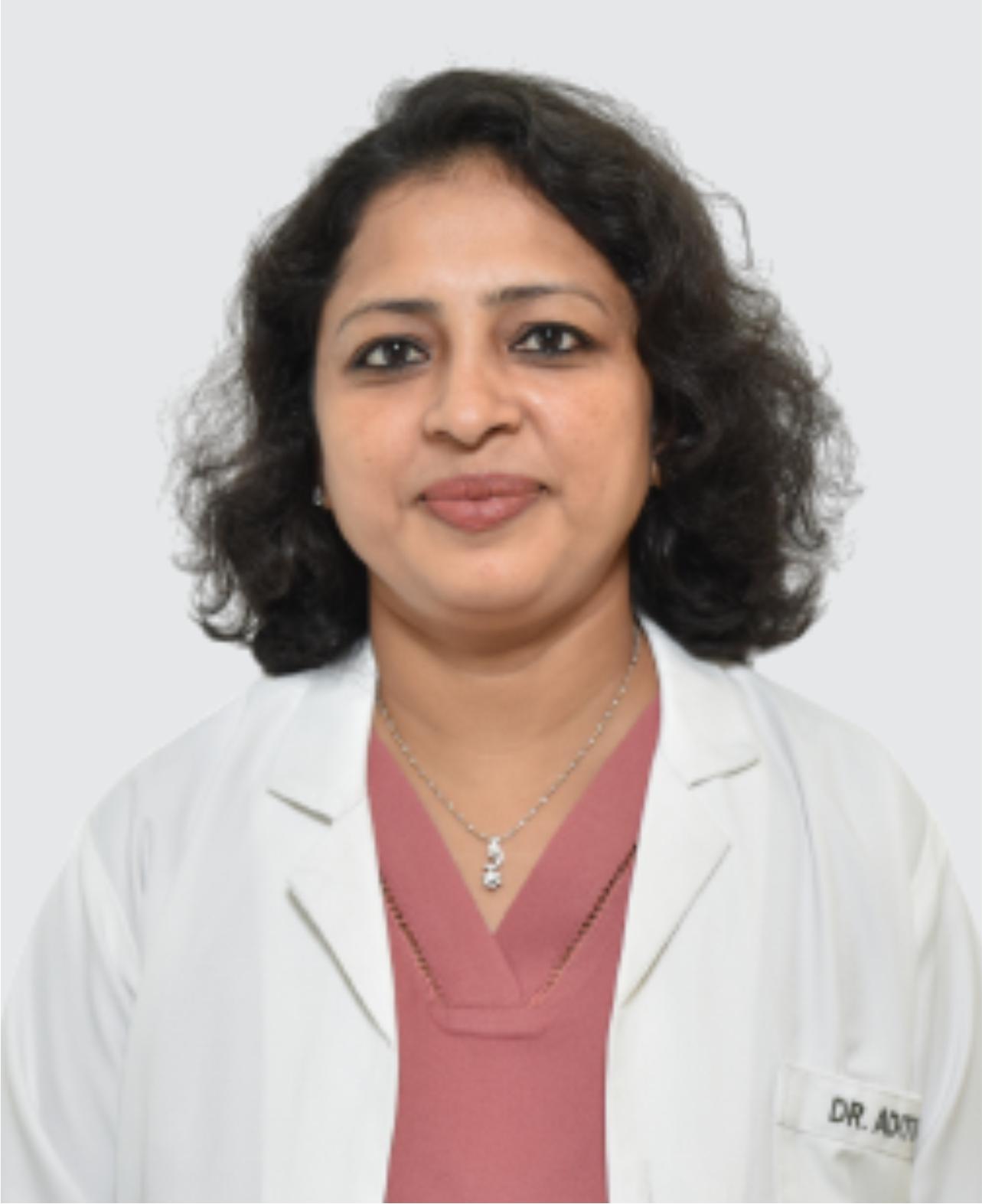
Dr Aditi Dixit
Sr. Consultant – Women Imaging
Radiology
New Delhi
15+ Years
Experience
Artemis Hospital
Hospital
1500
Fees

Dr Chandrima Misra M
Co-Head Psychological Services
Mental Health and Behavioural Sciences
New Delhi
15+ Years
Experience
Artemis Hospital
Hospital
1500
Fees
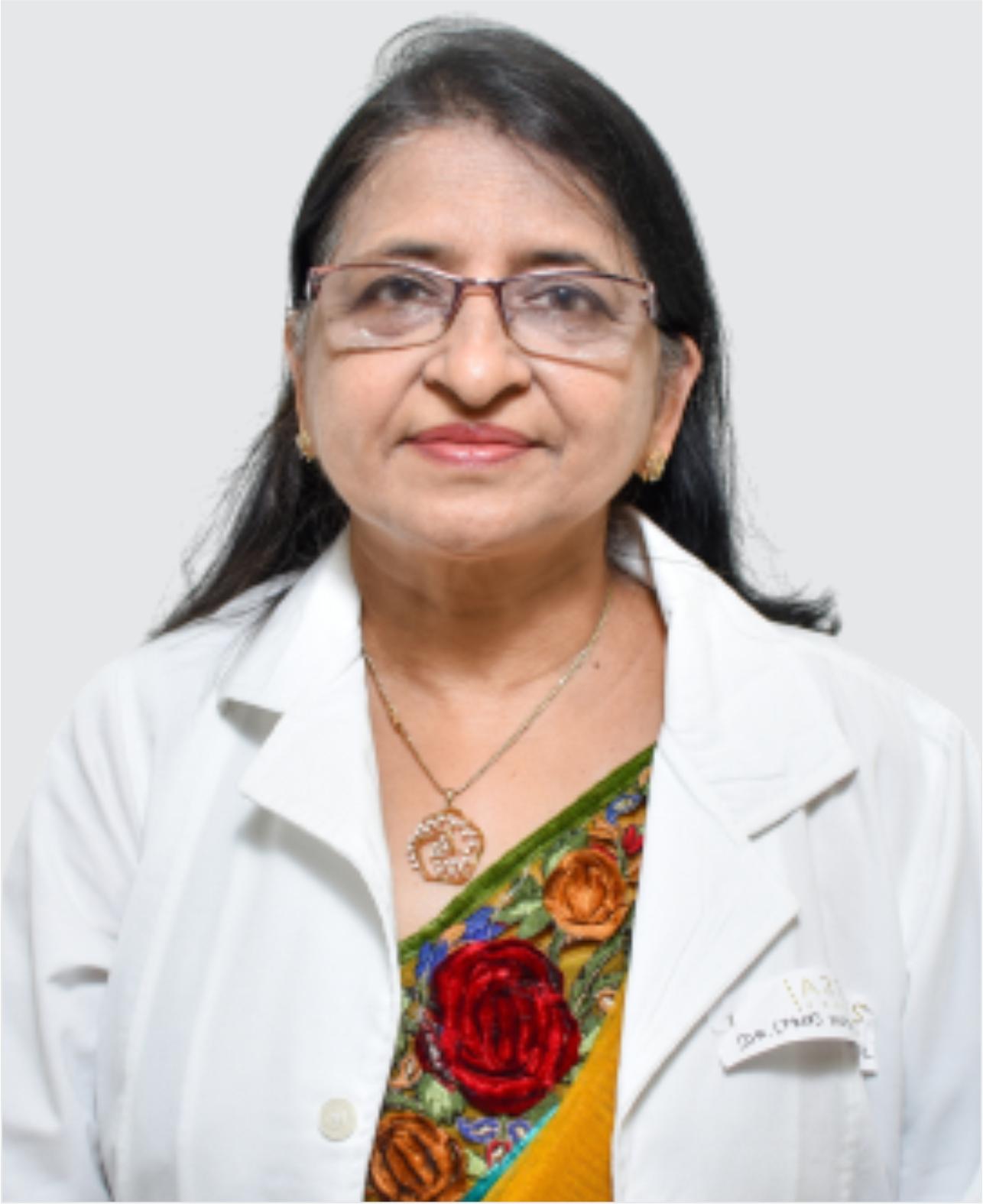
Dr. Nutan Agarwal
Head of Department - Gynae Endocrinology & DNB Program Director - Obs & Gynae
Gynaecological Endocrinology, Maternity, Obstetrics & Gynaecology
New Delhi
35+ Years
Experience
Artemis Hospital
Hospital
1500
Fees
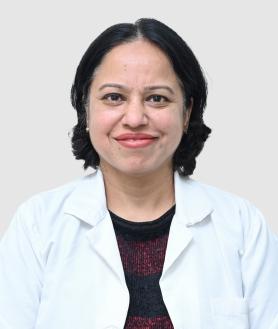
Dr. Poonam Gautam
Senior Consultant - ENT
ENT and Head & Neck Surgery
New Delhi
24+ Years
Experience
Artemis Hospital
Hospital
1500
Fees
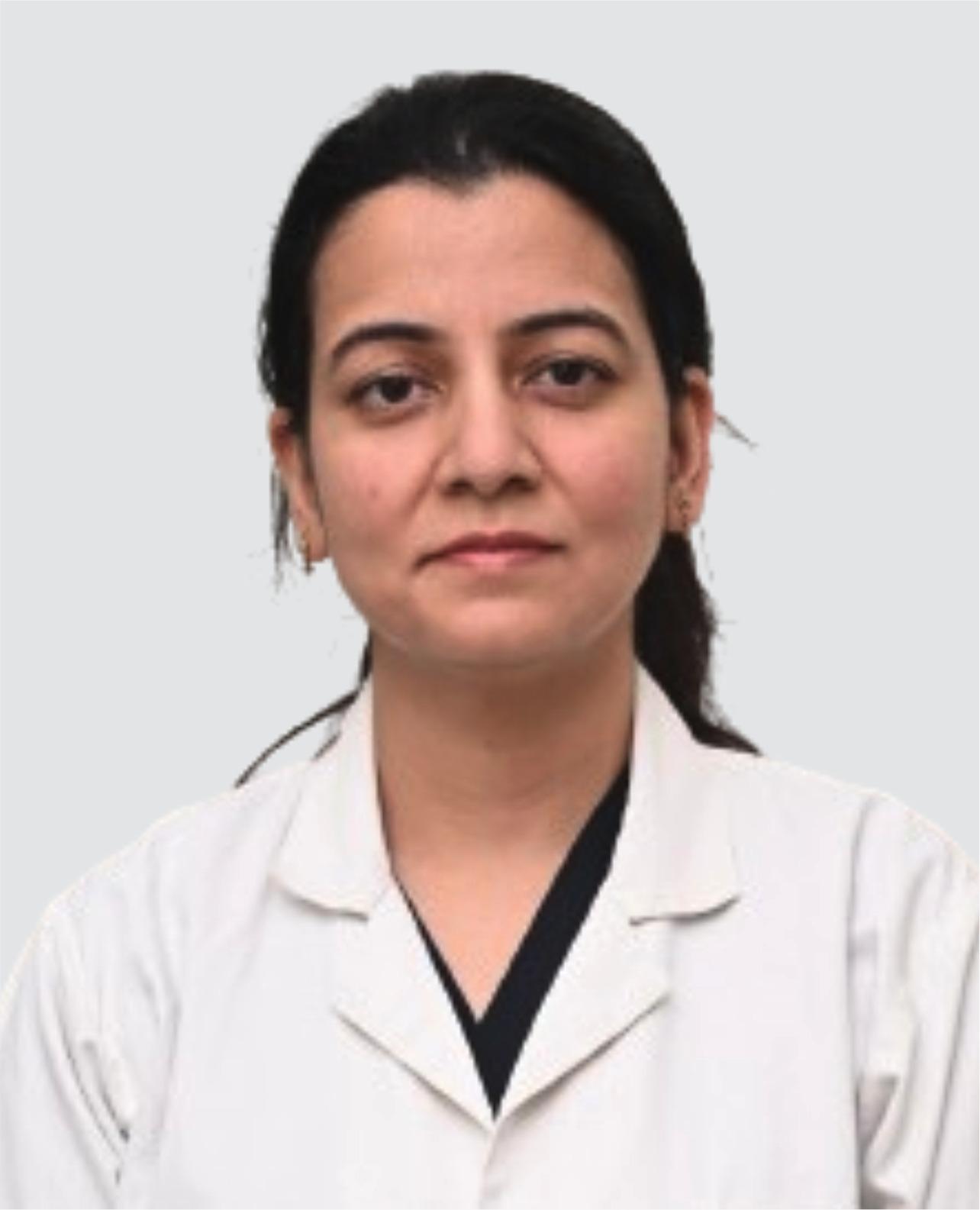
Dr. Priyanka Raina
Consultant (Head & Neck Surgery) - Surgical Oncology
Head and Neck Surgical Oncology
New Delhi
10+ Years
Experience
Artemis Hospital
Hospital
1500
Fees
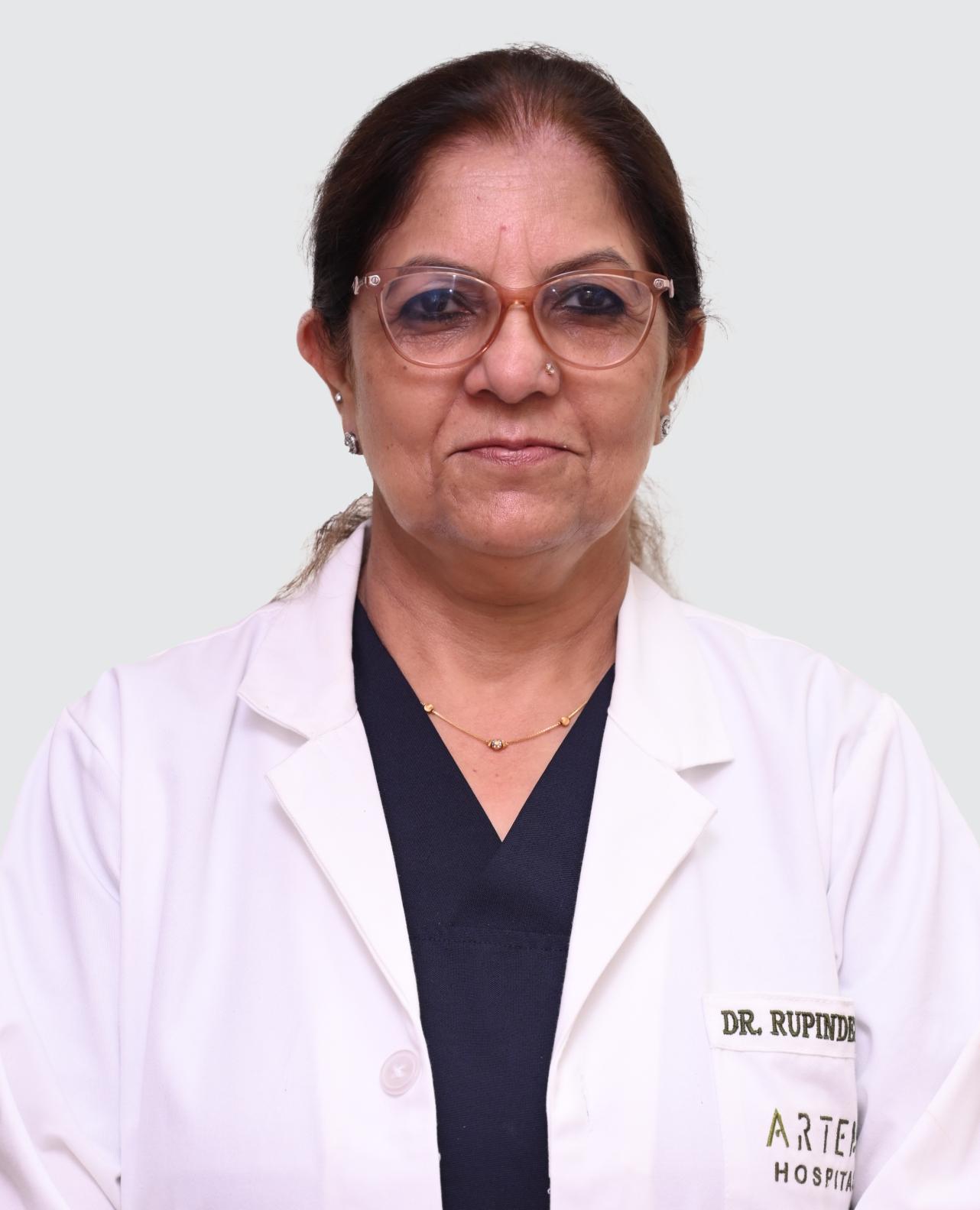
Dr. Rupinder Sekhon
Chairperson - Gynae Oncology
Gynaecological Oncology
New Delhi
16+ Years
Experience
Artemis Hospital
Hospital
1500
Fees
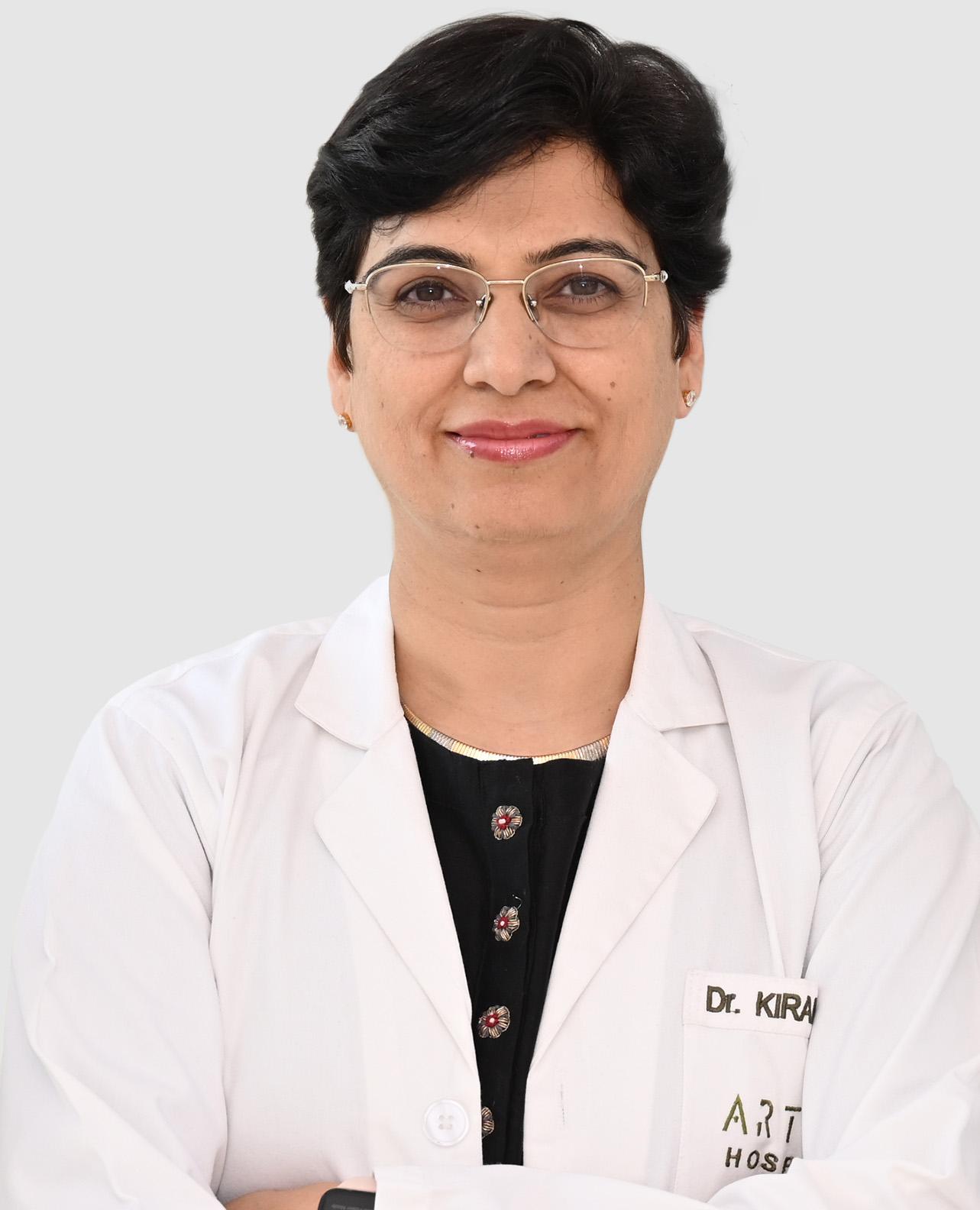
Dr. Kiran Arora
Unit Head - Reproductive Medicine (Unit II)
IVF, Reproductive Medicine, Obstetrics & Gynecology
New Delhi
20+ Years
Experience
Artemis Hospital
Hospital
1500
Fees
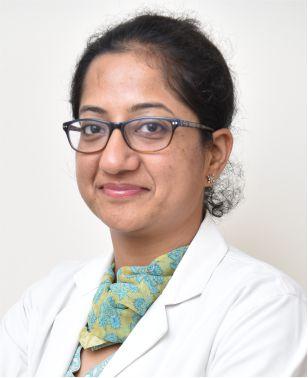
Nidhi Jain
Sr. Consultant - Obs & Gynae
Maternity, Obstetrics & Gynaecology
New Delhi
15+ Years
Experience
Artemis Hospital
Hospital
1500
Fees

Dr. Nidhi Rajotia
Unit Head - Obs & Gynae
Maternity, Obstetrics & Gynaecology
New Delhi
19+ Years
Experience
Artemis Hospital
Hospital
1500
Fees
Related Links
Other Treatment related Information
- Minimally Invasive Brain Tumor Surgery cost in India
- Minimally Invasive Brain Tumor Surgery Success Rate in India
- Best Minimally Invasive Brain Tumor Surgery Doctors in India
- Best Minimally Invasive Brain Tumor Surgery Hospitals in India
- brain tumor surgery
- Minimally Invasive Brain Tumor Surgery Treatment in India
International Patient Visiting India
Ready To Start Your Healing Journey?
Get Personalized Medical Treatment Options From India's Top Hospitals. Our Medical Experts Are Ready To Assist You Every Step Of The Way.