Minimally Invasive Brain Tumor Surgery Treatment in Pune for Nigeria
Need Personalized Advice?
Our medical experts are ready to answer your questions and guide you through your treatment options.
About
Minimally Invasive Brain Tumor Surgery in Pune for Nigerian Patients
Receiving a brain tumor diagnosis can be an overwhelming experience, often leaving patients from Nigeria and their families searching for the best possible care. The concern for advanced, safe, and effective treatment options, coupled with questions about accessibility and outcome, is deeply understandable.
Many individuals exploring their medical choices increasingly consider destinations like Pune, India. This city has emerged as a hub for specialized medical procedures, offering state-of-the-art facilities and a focused care environment that supports international patients seeking complex treatments.
Pune’s medical community is recognized for its leading neurosurgeons and advanced hospital infrastructure. Patients benefit from modern diagnostic tools, precise surgical techniques, and dedicated recovery support, ensuring a continuum of care specifically tailored to their needs during their stay in the city.
Is Pune the ideal choice for your minimally invasive brain tumor surgery?
What is Minimally Invasive Brain Tumor Surgery?
Minimally invasive brain tumor surgery represents a significant advancement in neurosurgery, focusing on removing brain tumors through smaller incisions or natural openings in the body. Unlike traditional open brain surgery, this approach uses specialized instruments, endoscopes, and advanced imaging to precisely target and remove tumors while minimizing disruption to healthy brain tissue and surrounding structures. The goal is to reduce pain, shorten hospital stays, accelerate recovery, and lower the risk of complications, offering a less traumatic experience for patients.
Approaches in Minimally Invasive Brain Tumor Surgery
Different minimally invasive techniques are employed based on the tumor's size, location, and type:
- Endoscopic Brain Surgery: Involves inserting a thin tube with a camera and light (endoscope) through a small incision or a natural opening like the nose to visualize and remove tumors.
- Keyhole Craniotomy: Uses a small incision (often no larger than a keyhole) and specialized microscopic instruments to access and remove tumors located close to the brain's surface.
- Stereotactic Biopsy and Resection: Utilizes advanced imaging and computer navigation to guide a needle or surgical tools to a precise location for biopsy or tumor removal with minimal invasion.
- Laser Interstitial Thermal Therapy (LITT): A technique that uses laser heat to ablate (destroy) certain types of brain tumors, often through a tiny incision.
- Neuroendoport Surgery: A small, tubular retractor is guided through a minimal incision to create a narrow corridor to the tumor, minimizing disruption to surrounding brain tissue.
When is Minimally Invasive Brain Tumor Surgery Required?
- Diagnosis of a new brain tumor that requires biopsy or removal.
- Tumors causing neurological symptoms such as persistent headaches, seizures, vision changes, or weakness.
- Brain tumors that are growing or causing increased intracranial pressure.
- Tumors located in accessible areas where a minimally invasive approach can achieve complete or near-complete resection.
- Certain types of benign or malignant tumors where reduced surgical trauma is beneficial for patient recovery.
- When a definitive diagnosis is needed through tissue sampling for treatment planning.
Pre-Treatment Evaluation Process
- Comprehensive neurological examination to assess cognitive function, motor skills, and sensory responses.
- Advanced imaging studies, including high-resolution MRI of the brain with contrast and sometimes CT scans.
- Cerebral angiography to evaluate blood supply to the tumor and surrounding vessels, if necessary.
- Blood tests, including complete blood count, coagulation profile, and biochemical markers, to assess overall health.
- Consultation with a neurosurgeon and multidisciplinary team to review imaging, discuss tumor characteristics, and plan the surgical strategy.
- Biopsy (if not already performed) to determine the tumor type and grade.
- Electroencephalography (EEG) if seizures are a primary symptom.
How Minimally Invasive Brain Tumor Surgery is Performed
The specific steps for minimally invasive brain tumor surgery depend significantly on the tumor's location, size, and the chosen surgical approach.
Pre-operative Planning and Anesthesia
Detailed pre-operative planning involves advanced imaging and neuro-navigation systems to create a precise 3D map of the brain and tumor. Patients receive general anesthesia to ensure comfort and immobility throughout the procedure.
Access and Incision
A small incision, typically a few centimeters long, is made on the scalp. For endoscopic approaches, this might be a single small hole or access through the nose. For keyhole or neuroendoport surgeries, a small opening in the skull (craniotomy) is created, significantly smaller than in traditional open surgery.
Tumor Visualization and Removal
Specialized instruments, such as endoscopes with high-definition cameras or sophisticated microscopes, are inserted through the incision. These tools provide magnified, illuminated views of the tumor and surrounding brain tissue. The surgeon meticulously works through this narrow corridor, using micro-surgical tools to carefully dissect and remove the tumor tissue. Intraoperative imaging like MRI or ultrasound may be used to confirm the extent of removal.
Closure
Once the tumor is removed, the instruments are withdrawn. The small opening in the skull is often closed with plates or screws, and the scalp incision is sutured. The minimally invasive nature typically results in less scarring.
Recovery Process Following Surgery
Recovery from minimally invasive brain tumor surgery is generally faster and less painful compared to traditional open surgery. Patients typically experience a shorter hospital stay, often ranging from 3 to 7 days, depending on the complexity of the surgery and their overall health. Initial recovery involves monitoring vital signs, managing pain, and assessing neurological function. Patients are usually encouraged to start walking soon after surgery. Post-discharge care includes instructions for wound care, activity restrictions, and managing potential side effects. Follow-up appointments with the neurosurgeon are crucial to monitor healing and discuss any further treatment plans, such as radiation or chemotherapy. Rehabilitation, including physical or occupational therapy, may be recommended to address any neurological deficits and help patients regain full function.
Ready to learn more about minimally invasive brain tumor surgery options in Pune?
Connect with a specialist today to discuss your case and explore personalized treatment plans.
Potential Risks and Success Rates
- Infection: Risk of surgical site infection or meningitis, though low with modern sterile techniques.
- Bleeding: Hemorrhage within the brain or at the surgical site.
- Neurological Deficits: Temporary or permanent weakness, speech difficulties, or cognitive changes depending on tumor location and extent of surgery.
- Cerebrospinal Fluid Leak: A rare complication where fluid leaks from the brain or spinal cord.
- Seizures: New onset or worsening of existing seizure activity.
- Tumor Recurrence: The possibility that the tumor may regrow over time, necessitating further treatment.
- Anesthesia Complications: General risks associated with anesthesia, such as allergic reactions or respiratory issues.
The success rates for minimally invasive brain tumor surgery are highly individualized, depending on factors like the tumor type, size, location, patient's age, and overall health. For benign tumors, complete removal often leads to a cure. For malignant tumors, successful surgery aims to maximize tumor removal while preserving neurological function, which can extend life and improve quality of life. Outcomes vary, and a multidisciplinary team approach often contributes to better long-term expectations and management of the disease.
How Much Does Minimally Invasive Brain Tumor Surgery Cost in Pune?
The cost of minimally invasive brain tumor surgery in Pune is influenced by several factors, including the specific hospital chosen, the experience of the neurosurgeon, the exact technique employed, the duration of the hospital stay, and any additional post-operative care or rehabilitation required. High-end hospitals with advanced technology and renowned specialists may have different pricing structures compared to others.
In Pune, the estimated cost for minimally invasive brain tumor surgery typically ranges from approximately INR 4,00,000 to INR 12,00,000.
Pune Minimally Invasive Brain Tumor Surgery Cost Compared Globally
Patients from across the globe, including Nigeria, often find Pune to be a cost-effective alternative for advanced medical procedures. The quality of care remains high, but the financial burden is significantly less when compared to Western countries.
| Location | Estimated Cost (USD) |
|---|---|
| Pune, India | $5,000 – $15,000 |
| United States | $60,000 – $150,000 |
| United Kingdom | $45,000 – $100,000 |
| Singapore | $30,000 – $70,000 |
| Germany | $40,000 – $90,000 |
| Australia | $50,000 – $120,000 |
Your Support System for a Smooth Journey in Pune
- Assistance with medical visa applications and necessary travel documents for Nigerian patients.
- Coordination of airport transfers and comfortable accommodation arrangements in Pune.
- Dedicated patient care managers to guide you through appointments, hospital stays, and administrative processes.
- Language interpretation services to ensure clear communication between patients and medical staff.
- Post-treatment follow-up scheduling and arrangements for extended recovery or tourism, if desired.
- Access to healthy and culturally appropriate meal options during your stay.
Necessary Documents for Your Medical Travel
- Current passport valid for at least six months beyond your intended stay.
- Medical visa approved by the Indian embassy or consulate in Nigeria.
- Comprehensive medical reports, imaging scans (MRI, CT), and previous treatment records in English.
- Doctor's referral letter or medical opinion from your local physician.
- Proof of funds to cover treatment and travel expenses.
- Contact information for your next of kin and local emergency contacts.
Getting Ready for Your Surgery in Pune
- Follow all pre-operative dietary and medication instructions provided by your Pune medical team.
- Arrange for a companion to travel with you for support during your medical journey.
- Ensure all necessary travel and medical documents are organized and easily accessible.
- Plan for adequate rest and maintain good hydration before your procedure.
- Communicate any allergies or current medications to your medical care team well in advance.
- Understand the full treatment plan and expected duration of stay in Pune.
Guidance for Recovery After Your Procedure
- Adhere strictly to all post-operative medication schedules, including pain relief and antibiotics.
- Follow wound care instructions diligently to prevent infection and promote healing.
- Limit physical activity as advised by your surgeon to ensure proper recovery.
- Attend all scheduled follow-up appointments with your neurosurgeon in Pune.
- Be aware of any warning signs or symptoms that require immediate medical attention.
- Consider the recommended rehabilitation therapies to aid in regaining strength and function.
Have questions about financing your minimally invasive brain tumor surgery in Pune?
Our team can provide detailed cost estimates and guide you through payment options.
Take Your Next Step Toward Better Health
Making an informed decision about brain tumor treatment is crucial. Explore the advanced care and patient-focused environment Pune offers.
Hospitals Offering this treatment
India offers premium medical procedures at affordable prices. Discover our most popular treatments, delivered by the country's finest doctors.
Meet Our Doctors
Meet our team of highly qualified and experienced medical professionals dedicated to providing the best healthcare services.
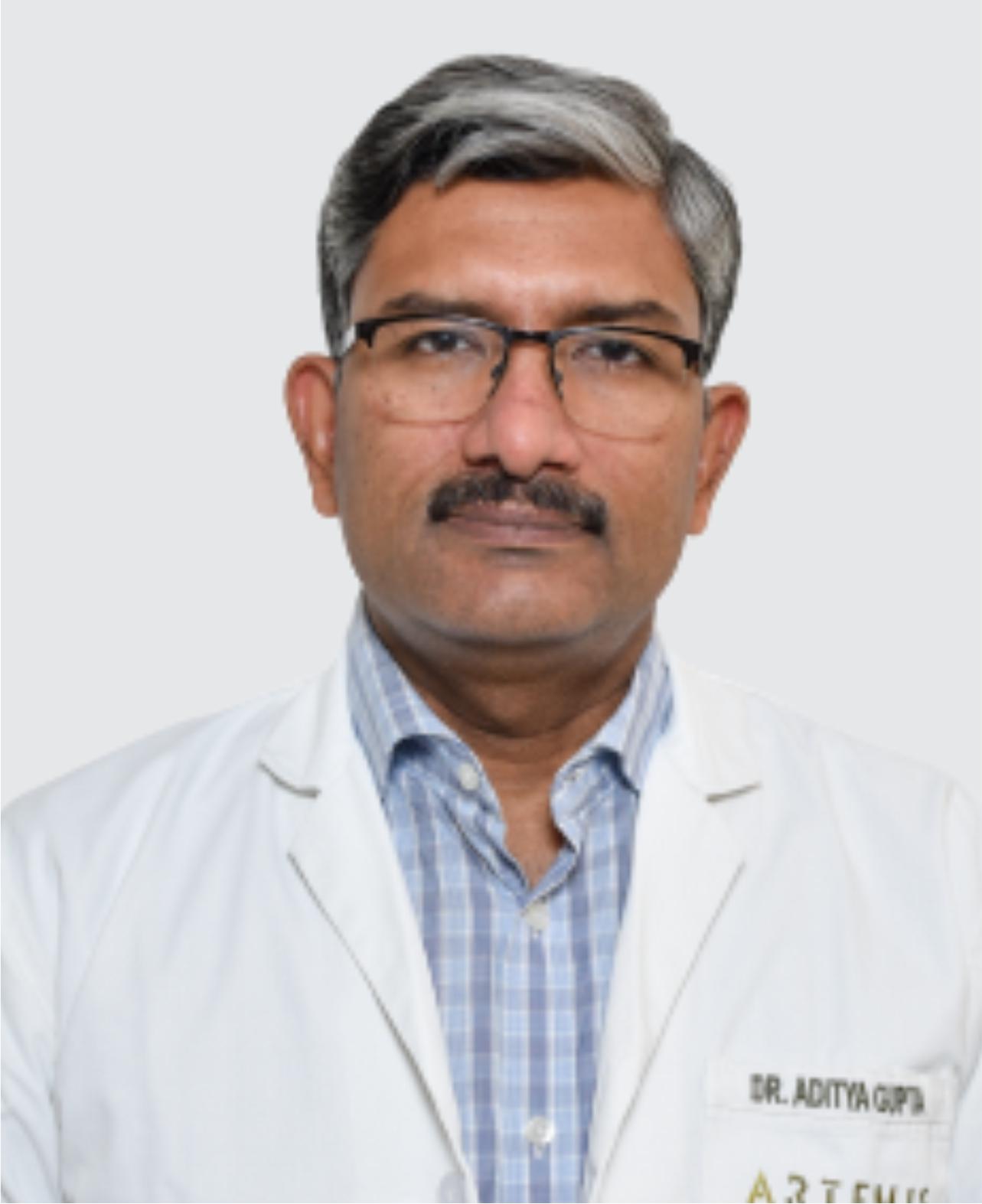
Dr. Aditya Gupta
Chairperson - Neurosurgery & CNS Radiosurgery & Co-Chief - Cyberknife Centre, Artemis Hospitals, Gurgaon
Neurosurgeon
Haryana
32+ Years
Experience
Artemis Hospital
Hospital
1500
Fees

Dr. Ajit Singh Baghela
Consultant
Paediatric Neurology
Haryana
9+ Years
Experience
Artemis Hospital
Hospital
1500
Fees
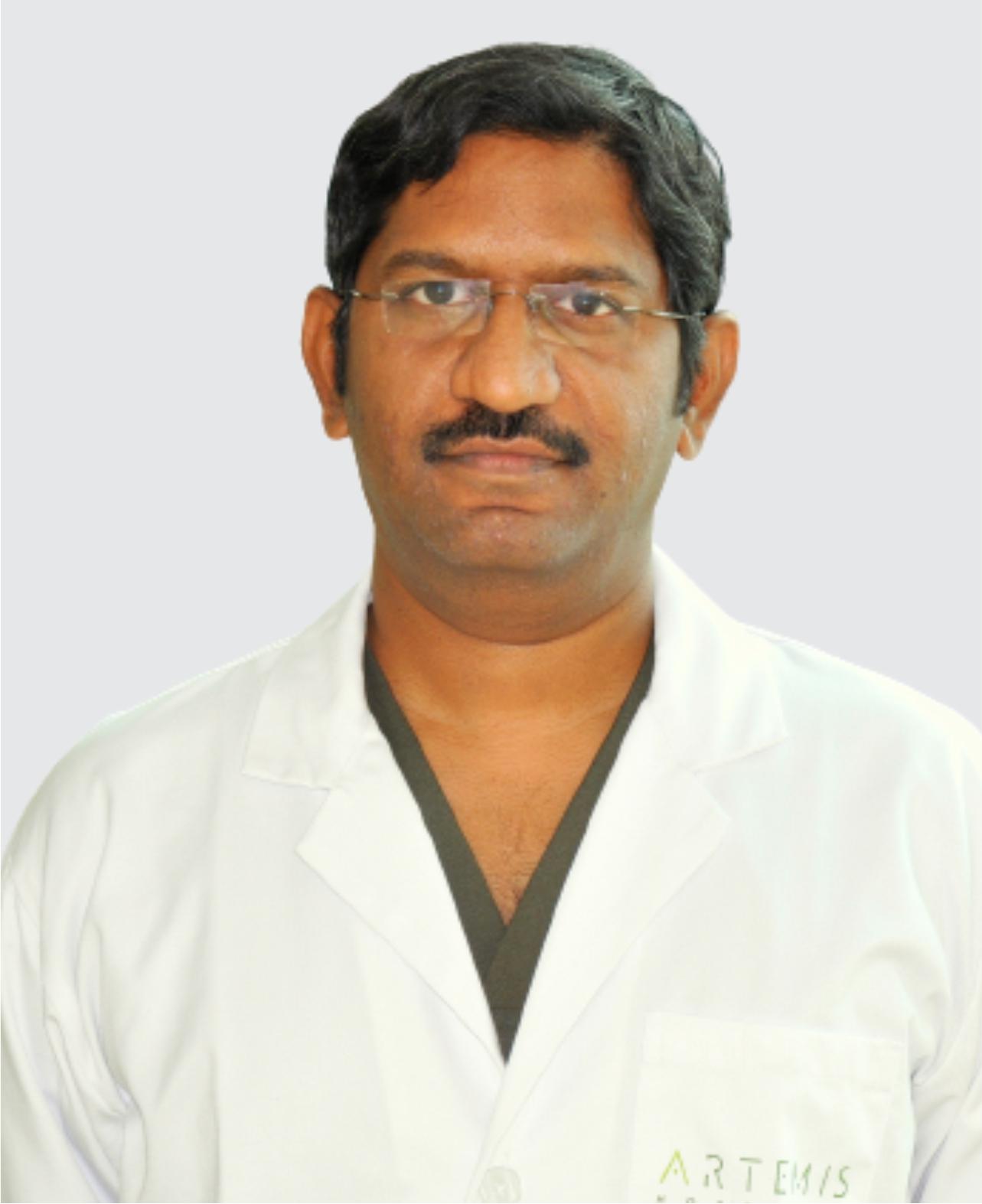
Dr. Y Naveen
Director
Neuroscience
New Delhi
12+ Years
Experience
Artemis Hospital
Hospital
1500
Fees
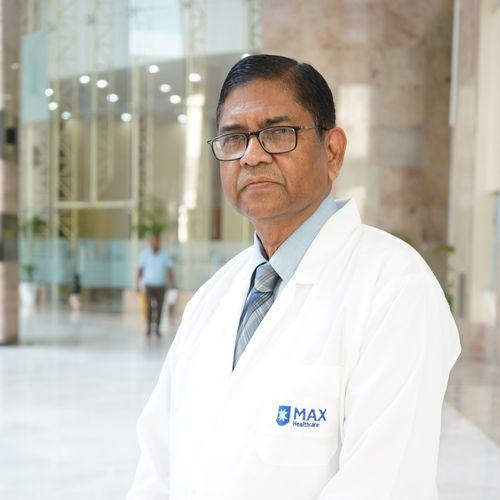
Dr. Nakul Sinha
Chairman - Cardiology
Cardiology
New Delhi
41+ Years
Experience
Max Hospital,Gurgaon
Hospital
1500
Fees
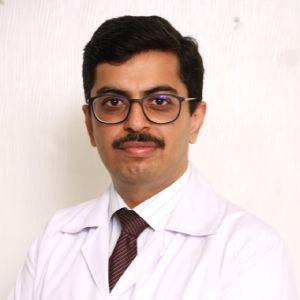
Dr. Abhideep Chaudhary
Chairman & HOD, HPB Surgery and Liver Transplantation
HPB Surgery, Liver Transplantation, Surgical Gastroenterology, Robotic Surgery, Biliary Sciences
New Delhi
20+ Years
Experience
Max Hospital,Gurgaon
Hospital
1500
Fees
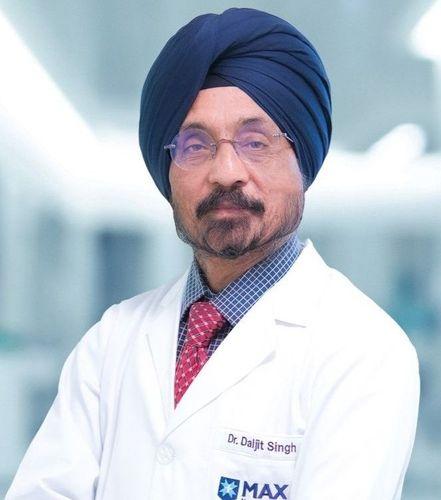
Dr (Prof) Daljit Singh
Vice Chairman & HOD — Neurosurgery and Unit Head — Neuro Intervention, Max Healthcare
Neurosurgery
New Delhi
31+ Years
Experience
Max Hospital,Gurgaon
Hospital
1500
Fees
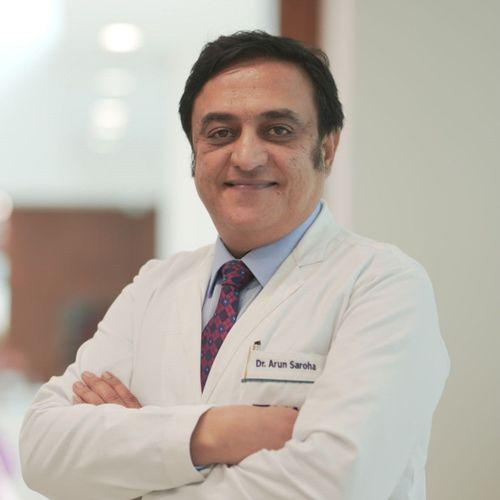
Dr. Arun Saroha
Director & HOD
Neurosurgery
New Delhi
30+ Years
Experience
Apolo Delhi
Hospital
1500
Fees

Dr. Vishal Saxena
Senior Consultant
Neurosurgery
New Delhi
25+ Years
Experience
Apolo Delhi
Hospital
1500
Fees
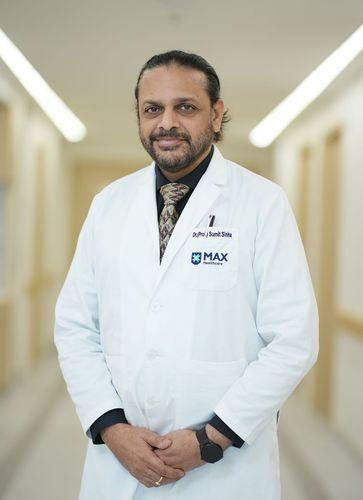
Dr. Sumit Sinha
Chairman - Neurosurgery
Neurosurgery
New Delhi
25+ Years
Experience
Apolo Delhi
Hospital
1500
Fees
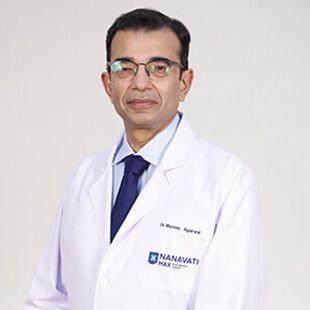
Dr. Manish Agarwal
Director - Oncology
Oncology
New Delhi
22+ Years
Experience
Apolo Delhi
Hospital
1500
Fees
Related Links
Other Treatment related Information
- Minimally Invasive Brain Tumor Surgery cost in India
- Minimally Invasive Brain Tumor Surgery cost in Haryana
- Minimally Invasive Brain Tumor Surgery cost in Bengaluru
- Minimally Invasive Brain Tumor Surgery cost in Chennai
- Minimally Invasive Brain Tumor Surgery cost in Mumbai
- Minimally Invasive Brain Tumor Surgery cost in Hyderabad
- Minimally Invasive Brain Tumor Surgery cost in New Delhi
- Minimally Invasive Brain Tumor Surgery cost in Pune
- Minimally Invasive Brain Tumor Surgery Success Rate in Haryana
- Minimally Invasive Brain Tumor Surgery Success Rate in Hyderabad
- Minimally Invasive Brain Tumor Surgery Success Rate in Pune
- Minimally Invasive Brain Tumor Surgery Success Rate in Bengaluru
- Minimally Invasive Brain Tumor Surgery Success Rate in Mumbai
- Minimally Invasive Brain Tumor Surgery Success Rate in New Delhi
- Minimally Invasive Brain Tumor Surgery Success Rate in India
- Minimally Invasive Brain Tumor Surgery Success Rate in Chennai
- Best Minimally Invasive Brain Tumor Surgery Doctors in Chennai
- Best Minimally Invasive Brain Tumor Surgery Doctors in Mumbai
- Best Minimally Invasive Brain Tumor Surgery Doctors in New Delhi
- Best Minimally Invasive Brain Tumor Surgery Doctors in Pune
Ready To Start Your Healing Journey?
Get Personalized Medical Treatment Options From India's Top Hospitals. Our Medical Experts Are Ready To Assist You Every Step Of The Way.