
Capsule Endoscopy Treatment in Bengaluru for Iraq
Need Personalized Advice?
Our medical experts are ready to answer your questions and guide you through your treatment options.
About
Capsule Endoscopy in Bengaluru for Iraq Patients | Hospitals, Cost
Patients from Iraq often face diagnostic challenges for gastrointestinal issues, leading to uncertainty and a search for advanced solutions abroad. Understanding conditions like unexplained bleeding or chronic abdominal pain requires precise imaging that might be difficult to access locally. This often brings forward the question of where to find reliable and sophisticated medical care.
Many international patients, including those from Iraq, consider Bengaluru for its renowned medical infrastructure and specialized diagnostic capabilities. The city provides a conducive environment for medical travelers, offering state-of-the-art hospitals with coordinated care pathways. Patients value the efficiency and focused attention available in Bengaluru's healthcare sector.
Trust in Bengaluru's healthcare stems from its accredited hospitals and highly skilled gastroenterologists who specialize in advanced procedures like Capsule Endoscopy. The city ensures seamless patient journeys, from initial consultation to follow-up care, prioritizing comfort and clinical excellence. This integrated approach builds confidence for those seeking diagnostic precision.
Is Bengaluru the clear choice for your advanced diagnostic needs?
Understanding Capsule Endoscopy
Capsule Endoscopy is a non-invasive procedure that uses a tiny wireless camera to take pictures of the digestive tract. The patient swallows a vitamin-sized capsule containing the camera, which then travels naturally through the digestive system, transmitting images to a recorder worn on a belt. This allows doctors to visualize areas of the small intestine that traditional endoscopy or colonoscopy cannot easily reach. It is particularly effective for diagnosing unexplained bleeding, detecting polyps, identifying sources of inflammation, or confirming conditions like Crohn's disease and celiac disease. The capsule is safely passed out of the body through a bowel movement.
Variations of Capsule Endoscopy
While the core technology remains consistent, Capsule Endoscopy can be tailored to specific areas of interest:
- Small Bowel Capsule Endoscopy: This is the most common type, focusing on imaging the entire small intestine to detect abnormalities such as bleeding, polyps, or inflammation.
- Colon Capsule Endoscopy: Designed with a longer battery life and different imaging angles, this capsule aims to visualize the large intestine. It can sometimes be an alternative for patients who cannot undergo conventional colonoscopy.
- Esophageal Capsule Endoscopy: A specialized capsule used to examine the esophagus, often for screening conditions like Barrett's esophagus or identifying sources of reflux.
When is Capsule Endoscopy Recommended?
- Unexplained gastrointestinal bleeding not identified by traditional endoscopy or colonoscopy.
- Investigation of iron deficiency anemia due to suspected blood loss in the small bowel.
- Diagnosis and monitoring of Crohn's disease and other inflammatory bowel conditions.
- Detection of polyps, tumors, or other growths in the small intestine.
- Evaluation of malabsorption syndromes like celiac disease.
- Screening for inherited polyp syndromes in some cases.
- Persistent abdominal pain or diarrhea where other tests are inconclusive.
Before Your Capsule Endoscopy
- A detailed consultation with a gastroenterologist to review medical history and symptoms.
- Physical examination to assess overall health and suitability for the procedure.
- Blood tests, including complete blood count and iron levels, if bleeding is suspected.
- Review of current medications, with instructions on which ones to temporarily stop.
- Bowel preparation, similar to a colonoscopy, to ensure clear images of the digestive tract.
- Discussion about any previous abdominal surgeries or swallowing difficulties.
How a Capsule Endoscopy is Performed
The capsule endoscopy procedure involves swallowing a small camera for internal imaging without sedation or anesthesia.
Swallowing the Capsule
You will be asked to swallow the small, vitamin-sized capsule with a glass of water at the clinic. This is usually very easy to do for most patients.
Wearing the Data Recorder
Once the capsule is swallowed, you will be fitted with a small data recorder worn on a belt around your waist. This device collects the images transmitted by the capsule as it travels through your digestive system.
During the Procedure
You can typically leave the clinic and go about most of your normal daily activities. You will be given specific instructions on when you can start drinking clear liquids and eat a light meal. Strenuous physical activity should be avoided.
Returning the Equipment
After approximately eight hours or as advised by your doctor, you will return the data recorder to the clinic. The capsule will pass naturally through your stool, usually within 24 to 72 hours.
Image Review
The images captured by the capsule are then downloaded from the recorder and reviewed by a gastroenterologist, who will analyze them for any abnormalities.
What to Expect After Capsule Endoscopy
Recovery from Capsule Endoscopy is straightforward with minimal downtime. Patients can typically resume their regular diet and activities immediately after returning the data recorder. There are no restrictions once the capsule has passed naturally. It is important to look for the capsule in your stool to confirm its passage, though this is not always necessary. You will be advised on the timeline for receiving your results and scheduling a follow-up consultation to discuss the findings and any potential next steps or treatment plans.
Ready to learn more about Capsule Endoscopy in Bengaluru?
Connect with top specialists for a personalized consultation.
Potential Risks and Success Rates
- Capsule retention in a narrowed part of the bowel, requiring endoscopic or surgical removal in rare cases.
- Missed lesions or areas due to rapid transit or poor bowel preparation.
- Battery failure of the capsule, leading to incomplete imaging.
- Temporary mild abdominal discomfort or nausea.
- False positive or false negative results, necessitating further investigation.
Capsule Endoscopy has a high success rate in identifying abnormalities in the small bowel, often exceeding 80-90% for specific indications like obscure gastrointestinal bleeding. The diagnostic yield varies based on the condition being investigated, the patient's bowel preparation, and the expertise of the interpreting physician. Long-term outcomes are positive when accurate diagnoses lead to appropriate treatment. The procedure has significantly advanced the detection of small bowel diseases that were previously difficult to diagnose.
Cost of Capsule Endoscopy in Bengaluru
The cost of Capsule Endoscopy in Bengaluru is influenced by several factors, including the specific hospital chosen, the experience of the gastroenterologist, the type of capsule used (e.g., small bowel vs. colon), and any additional diagnostic tests required. While precise figures vary, Bengaluru offers a highly competitive and affordable option for this advanced diagnostic procedure compared to many Western countries.
In Bengaluru, the estimated cost for Capsule Endoscopy typically ranges from INR 35,000 to INR 75,000.
Comparing Capsule Endoscopy Costs: Bengaluru vs. Other Nations
Bengaluru provides a significant cost advantage for Capsule Endoscopy without compromising on quality or advanced technology, making it an attractive destination for international patients.
| Location | Estimated Cost (USD) |
|---|---|
| Bengaluru, India | $450 - $900 |
| United States | $2,500 - $4,500 |
| United Kingdom | $1,800 - $3,000 |
| UAE | $1,500 - $2,800 |
| Singapore | $1,200 - $2,500 |
Comprehensive Patient Support for Your Visit
- Assistance with travel logistics and flight bookings to Bengaluru.
- Arrangement of suitable accommodation options for patients and accompanying family.
- Multilingual support to ensure clear communication with medical staff.
- Streamlined appointment scheduling and coordination across departments.
- Guidance through the medical visa application process for Iraqi citizens.
- Post-procedure follow-up arrangements and remote consultation options.
Essential Documents for Your Medical Trip
- Valid passport with sufficient validity period.
- Approved medical visa for India.
- Comprehensive medical reports and diagnostic test results from Iraq.
- Referral letter from your treating physician (if applicable).
- Copies of any previous procedure notes or hospitalization records.
- Proof of financial solvency for the treatment and stay.
Preparing for Your Capsule Endoscopy
- Strict adherence to fasting guidelines provided by the clinic before the procedure.
- Review and adjust medication intake as advised by the Bengaluru medical team.
- Ensure adequate hydration in the days leading up to the bowel preparation.
- Wear comfortable, loose-fitting clothing on the day of the procedure.
- Finalize local travel arrangements to and from the hospital or clinic.
After Your Procedure: Care and Follow-Up
- Observe for the natural passage of the capsule, usually within a few days.
- Immediately report any unusual symptoms like severe abdominal pain or vomiting.
- Maintain good hydration and gradually reintroduce your regular diet.
- Attend all scheduled follow-up consultations to discuss the results with your doctor.
- Adhere to any specific dietary or lifestyle recommendations given post-procedure.
Ready to make an informed decision for your health?
Request a personalized treatment plan and cost estimate today.
Ready to Explore Your Diagnostic Options?
Bengaluru offers a clear path to accurate diagnosis and care for international patients seeking Capsule Endoscopy.
Hospitals Offering this treatment
India offers premium medical procedures at affordable prices. Discover our most popular treatments, delivered by the country's finest doctors.
Meet Our Doctors
Meet our team of highly qualified and experienced medical professionals dedicated to providing the best healthcare services.
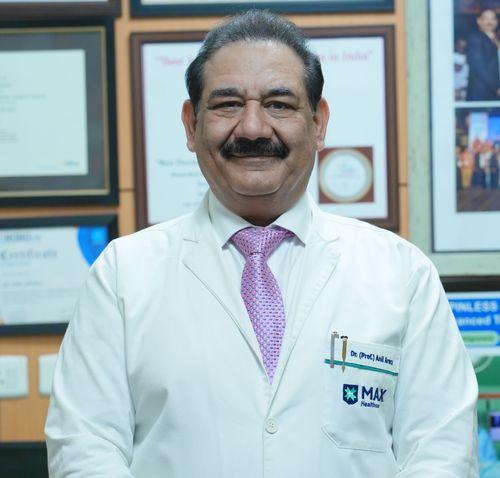
Dr. (Prof.) Anil Arora
Professor & Robotic Joint Replacement Surgeon
Orthopaedic & Robotic Joint Replacement Surgery
New Delhi
33+ Years
Experience
Max Hospital,Gurgaon
Hospital
1500
Fees
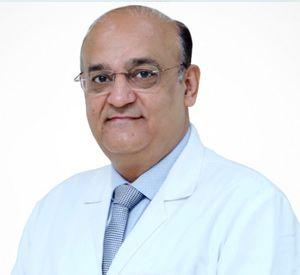
Dr. Neeraj Bhalla
Senior Director, Cardiology Department
Interventional Cardiology
New Delhi
15+ Years
Experience
Max Hospital,Gurgaon
Hospital
1500
Fees
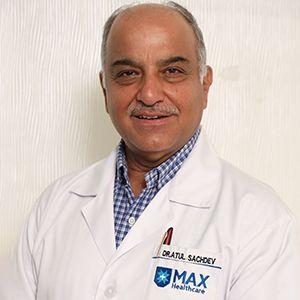
Dr. Atul Sachdev
Principal Consultant
Gastroenterology
New Delhi
25+ Years
Experience
Apolo Delhi
Hospital
1500
Fees
Dr. Vivek Saxena
Director
Gastroenterology & Therapeutic Endoscopy
New Delhi
20+ Years
Experience
Apolo Delhi
Hospital
1500
Fees
Related Links
Other Treatment related Information
- Capsule Endoscopy cost in Chennai
- Capsule Endoscopy cost in India
- Capsule Endoscopy cost in Hyderabad
- Capsule Endoscopy cost in Bengaluru
- Capsule Endoscopy cost in Haryana
- Capsule Endoscopy cost in Pune
- Capsule Endoscopy cost in Mumbai
- Capsule Endoscopy cost in New Delhi
- Capsule Endoscopy Success Rate in Mumbai
- Capsule Endoscopy Success Rate in Bengaluru
- Capsule Endoscopy Success Rate in New Delhi
- Capsule Endoscopy Success Rate in Haryana
- Capsule Endoscopy Success Rate in Chennai
- Capsule Endoscopy Success Rate in Pune
- Capsule Endoscopy Success Rate in Hyderabad
- Capsule Endoscopy Success Rate in India
- Best Capsule Endoscopy Doctors in New Delhi
- Best Capsule Endoscopy Doctors in Mumbai
- Best Capsule Endoscopy Doctors in Chennai
- Best Capsule Endoscopy Doctors in India
Ready To Start Your Healing Journey?
Get Personalized Medical Treatment Options From India's Top Hospitals. Our Medical Experts Are Ready To Assist You Every Step Of The Way.