Centres Of Excellence
Our Centres of Excellence bring together multidisciplinary teams to deliver precise diagnosis, advanced treatments, and superior outcomes across a wide spectrum of medical specialties.
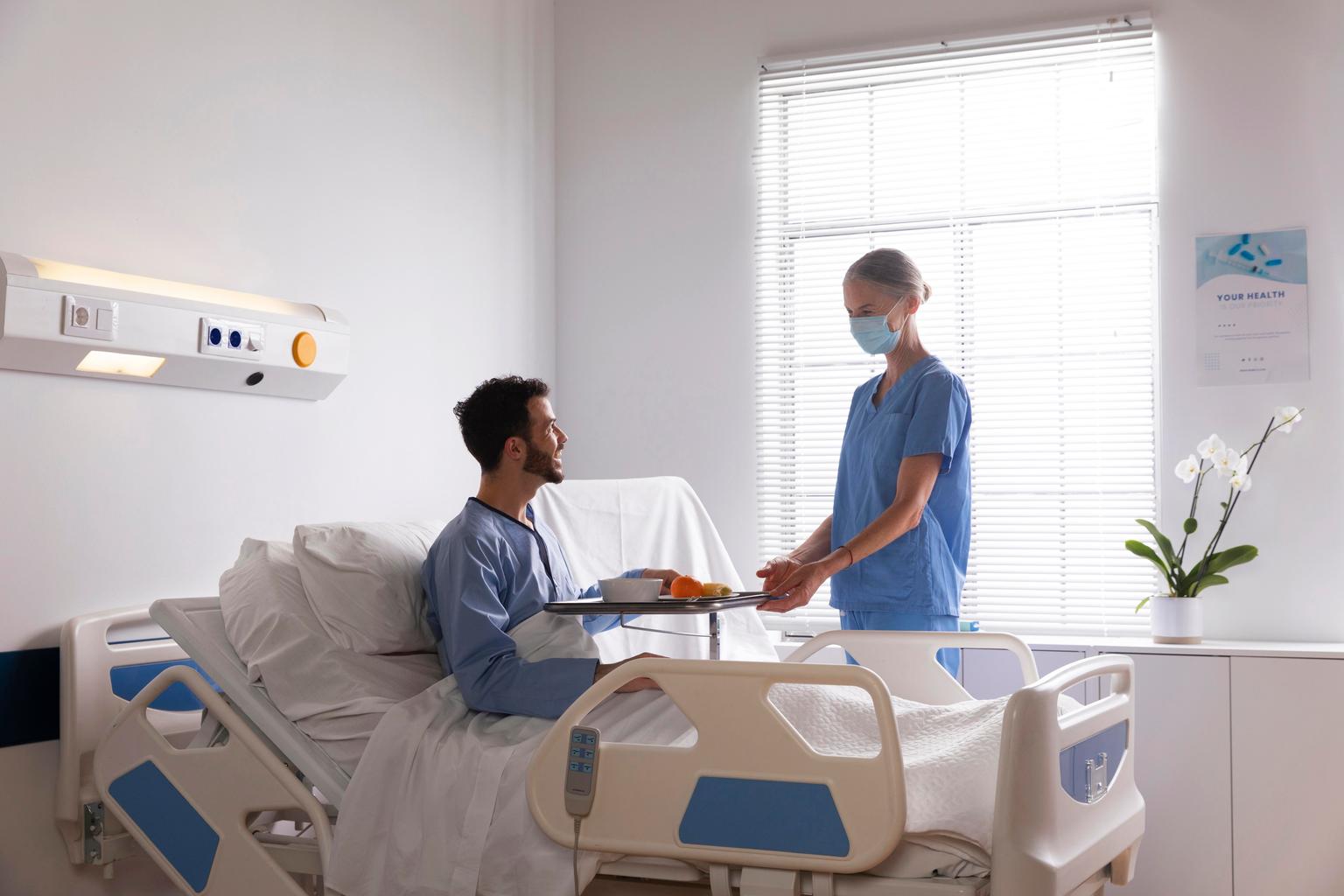
OVERVIEW
Capsule Endoscopy provides detailed images of the small bowel, crucial for diagnosing conditions like unexplained gastrointestinal bleeding, Crohn's disease, celiac disease, and small bowel tumors. It offers a comfortable, radiation-free alternative to explore difficult-to-reach areas of the digestive tract.
PROCEDURE
BENEFITS
Key Benefits of Capsule Endoscopy
Non-Invasive and Painless:
Unlike traditional endoscopic procedures, Capsule Endoscopy requires no sedation, incisions, or discomfort. Patients simply swallow a pill-sized camera.Comprehensive Small Bowel Visualization:
It offers an unparalleled view of the entire small intestine, an area difficult to reach with conventional endoscopes, crucial for detecting obscure conditions.High Diagnostic Accuracy:
Highly effective in identifying sources of unexplained gastrointestinal bleeding, Crohn's disease, celiac disease, and small bowel tumors.Radiation-Free:
An excellent alternative to imaging techniques that involve radiation exposure, such as CT scans.Patient Comfort and Convenience:
Patients can typically go about their daily routine during the procedure, making it far less disruptive than other diagnostic tests.Early Detection:
Aids in the early detection of various gastrointestinal conditions, allowing for timely intervention and improved outcomes.
RECOVERY
Recovery and Post-Procedure Care for Capsule Endoscopy
Recovery from a Capsule Endoscopy is exceptionally straightforward and typically involves no downtime. Since the procedure is non-invasive and does not require sedation, you can usually resume your normal activities immediately after swallowing the capsule.
What to Expect Immediately After:
- You will wear a data recorder on a belt for approximately 8 hours, capturing images from the capsule as it travels through your digestive system.
- You can usually drink clear liquids after two hours and have a light meal four hours after swallowing the capsule, unless otherwise advised by your doctor.
- Avoid strenuous physical activity or excessive bending during the recording period, as this can interfere with image transmission.
Capsule Passage:
- The capsule is disposable and designed to pass naturally and painlessly out of your body with a bowel movement, typically within 24-72 hours. It does not need to be retrieved or returned.
Receiving Results:
- Once you return the data recorder, the images are downloaded and carefully reviewed by a gastroenterologist. This process can take a few days.
- Your doctor will schedule a follow-up appointment to discuss the findings and determine any necessary next steps, such as further diagnostic tests or treatment plans.
DivinHeal ensures you are guided through every step, from preparation to understanding your results, connecting you with specialists who will provide clear, compassionate explanations.
WHAT WE TREAT
- Unexplained Gastrointestinal Bleeding (obscure GI bleeding)
- Crohn's Disease (for diagnosis, monitoring, and assessing extent)
- Celiac Disease (to assess mucosal damage or complications)
- Small Bowel Tumors or Polyps
- Chronic Abdominal Pain of unknown origin
- Malabsorption Syndromes
- Iron Deficiency Anemia when other tests are inconclusive
PREPARATION
RISKS
JOURNEY
The patient journey for Capsule Endoscopy typically begins with a consultation with a gastroenterologist, often prompted by symptoms like unexplained bleeding, chronic abdominal pain, or anemia. Diagnosis involves initial tests, followed by the recommendation for Capsule Endoscopy. The procedure itself is simple: the patient swallows a vitamin-sized capsule containing a camera. This capsule then travels naturally through the digestive tract, taking thousands of images. These images are transmitted to a data recorder worn by the patient, usually for about 8 hours. After the recording period, the patient returns the device, and the images are reviewed by a specialist. Recovery is immediate, with the capsule naturally passing through the body. Follow-up includes discussing findings and planning further treatment if necessary.
OUTCOMES
Expected Outcomes of Capsule Endoscopy
Accurate diagnosis of small bowel conditions previously hard to detect.
Guidance for targeted treatment plans, leading to improved digestive health.
Enhanced patient comfort compared to more invasive diagnostic procedures.
Related Links
Doctors For Treatment in Similar Locations
- Best Capsule Endoscopy Doctors in Bengaluru
- Best Capsule Endoscopy Doctors in Chennai
- Best Capsule Endoscopy Doctors in Gurugram
- Best Capsule Endoscopy Doctors in Hyderabad
- Best Capsule Endoscopy Doctors in India
- Best Capsule Endoscopy Doctors in Mumbai
- Best Capsule Endoscopy Doctors in New Delhi
- Best Capsule Endoscopy Doctors in Pune
Best Hospital Near by for treatment
- Best Capsule Endoscopy Hospitals in Bengaluru
- Best Capsule Endoscopy Hospitals in Chennai
- Best Capsule Endoscopy Hospitals in Gurugram
- Best Capsule Endoscopy Hospitals in Hyderabad
- Best Capsule Endoscopy Hospitals in India
- Best Capsule Endoscopy Hospitals in Mumbai
- Best Capsule Endoscopy Hospitals in New Delhi
- Best Capsule Endoscopy Hospitals in Pune
Hospitals Offering this treatment
India offers premium medical procedures at affordable prices. Discover our most popular treatments, delivered by the country's finest doctors.
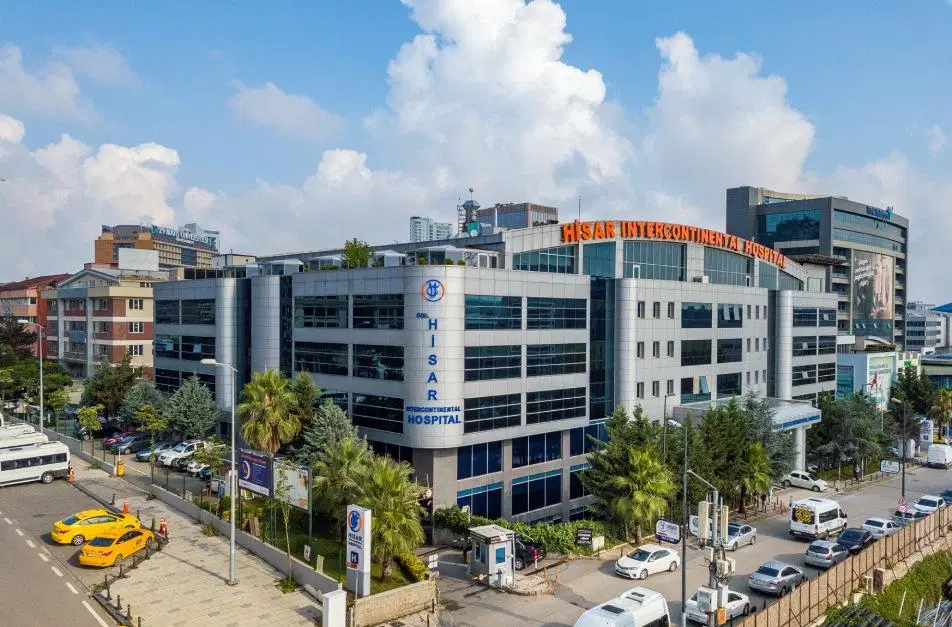
Hisar Intercontinental Hospital
Saray Mah. Siteyolu Cad. No:7, Umraniye, 34768, Istanbul, Turkey
Hisar Intercontinental Hospital
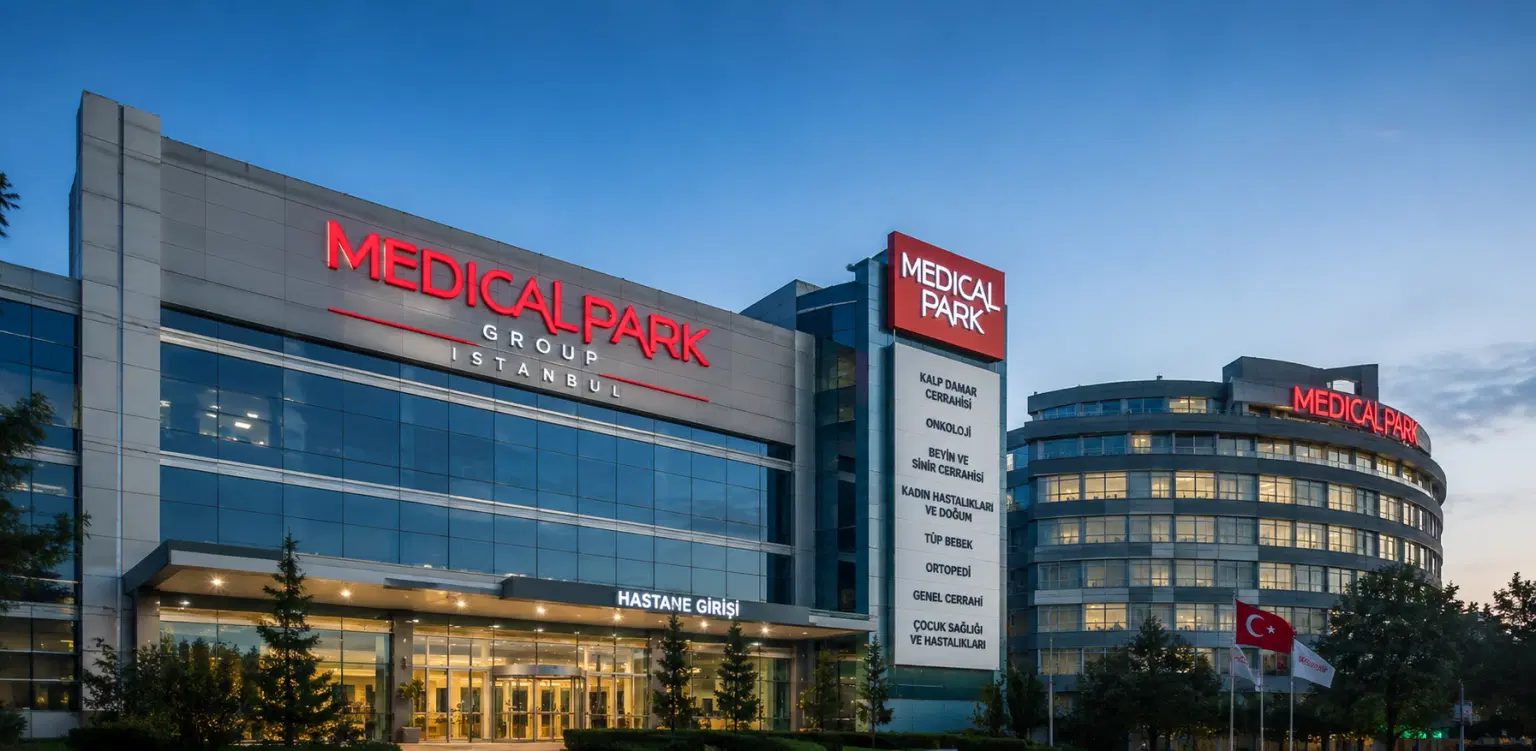
Medical Park Group, Istanbul
Fahrettin Kerim Gokay Cad. Tıbbiye Cd., Kadikoy, Istanbul, Turkey
Medical Park Group, Istanbul
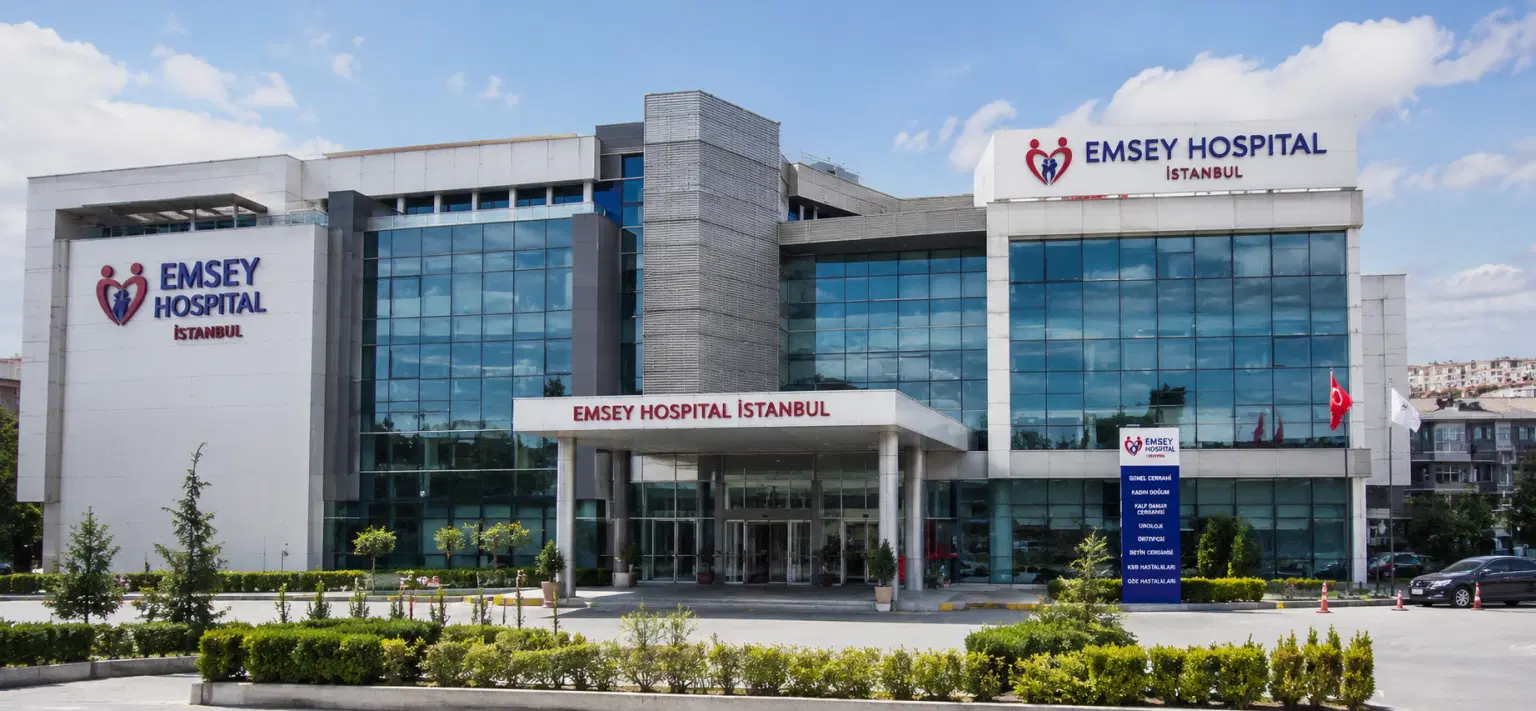
Emsey Hospital, Pendik, Istanbul
Çamlık, Selçuklu Cd. No:22, 34912 Pendik/İstanbul, Türkiye
Emsey Hospital, Pendik, Istanbul
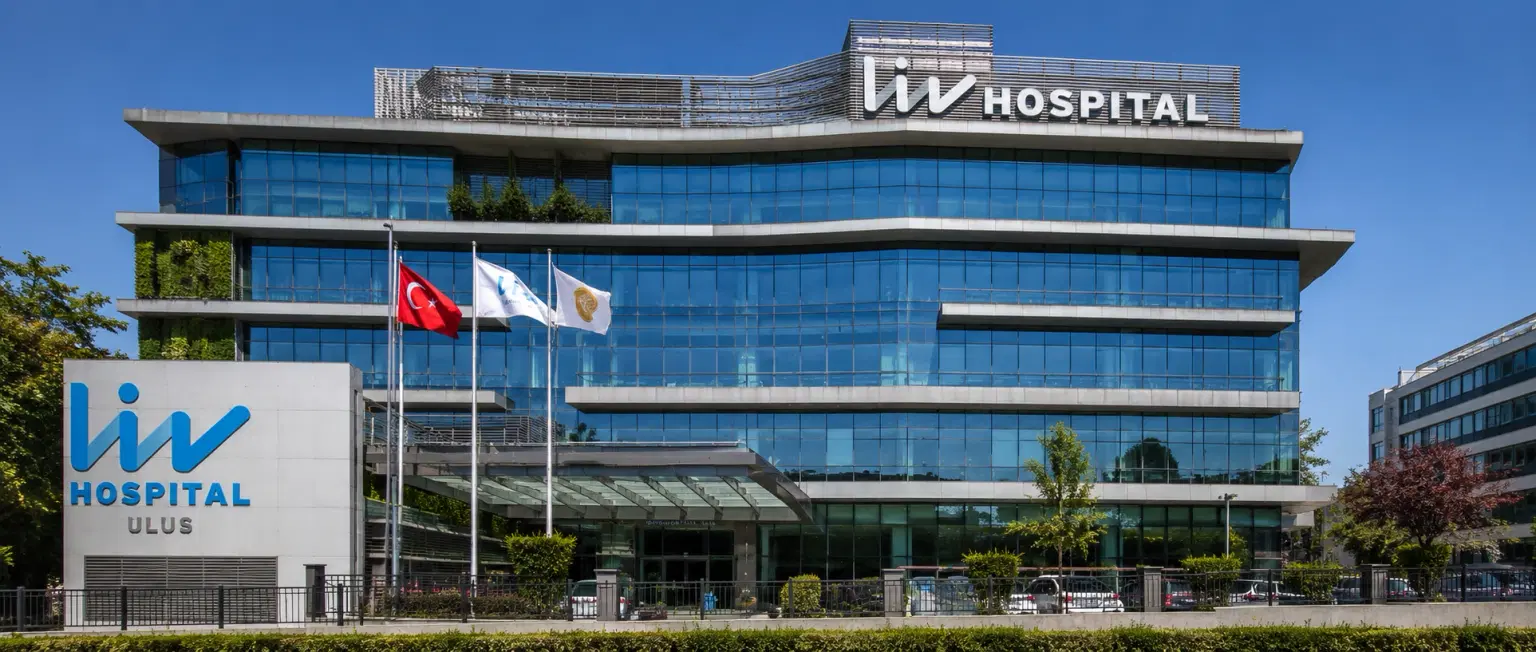
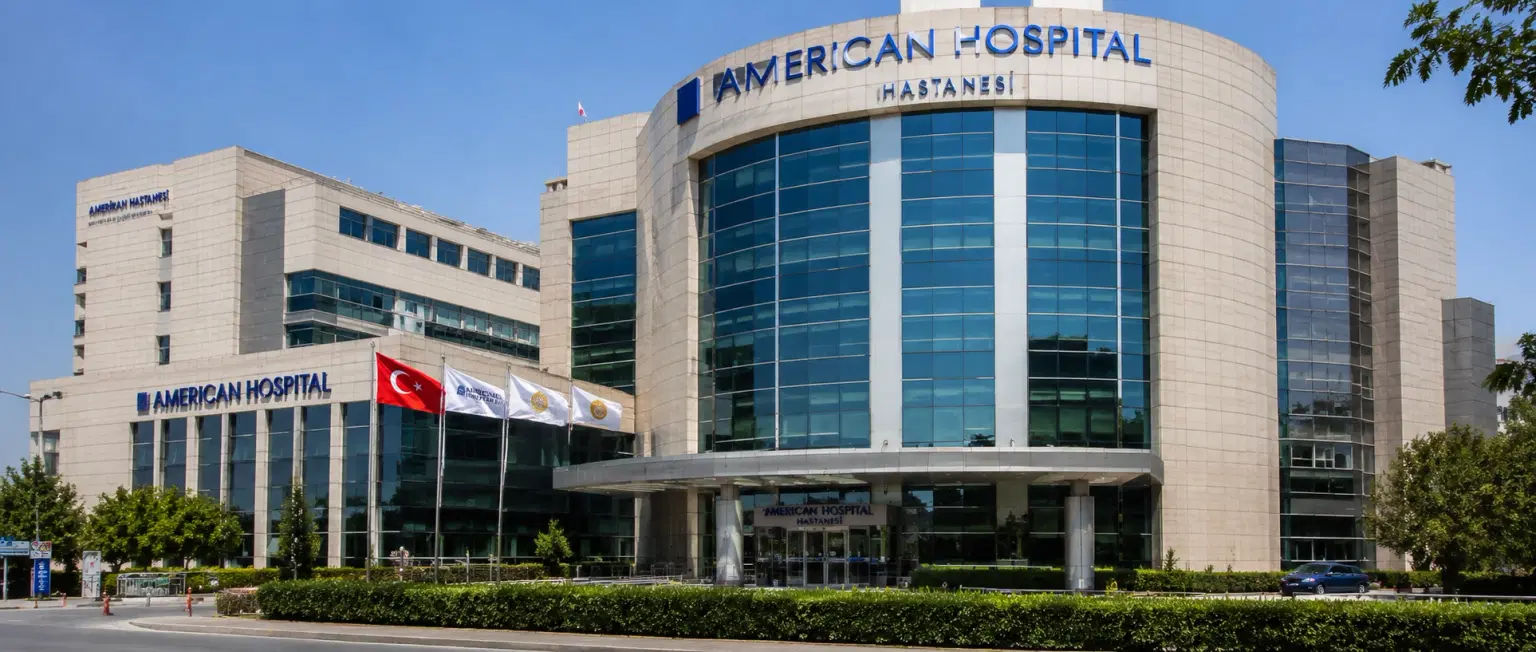
American Hospital, Istanbul
Guzelbahce Sk. No:20, 34365, Nisantasi, Istanbul, Turkey
American Hospital, Istanbul
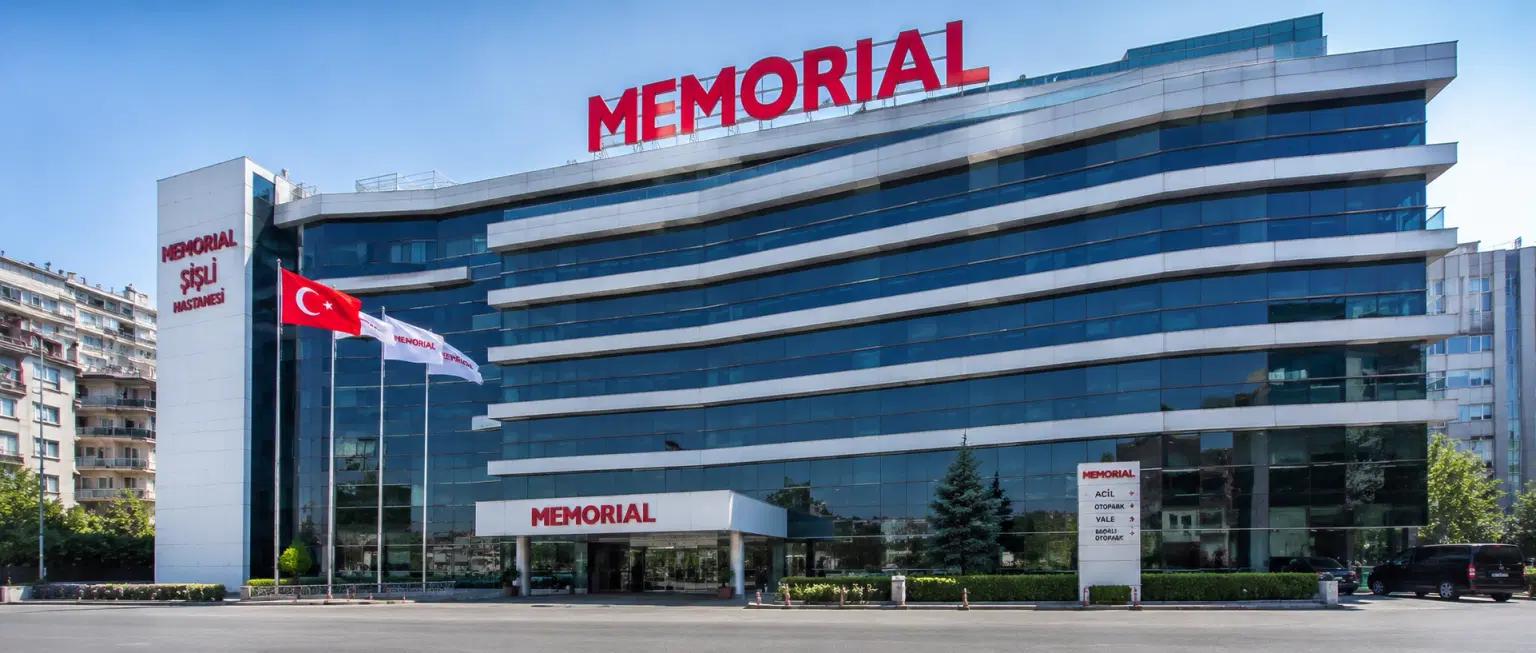
Memorial Hospitals Group
Burhaniye, Nagehan Sokağı No:4/A D:1, 34676 Üsküdar/İstanbul, Türkiye
Memorial Hospitals Group
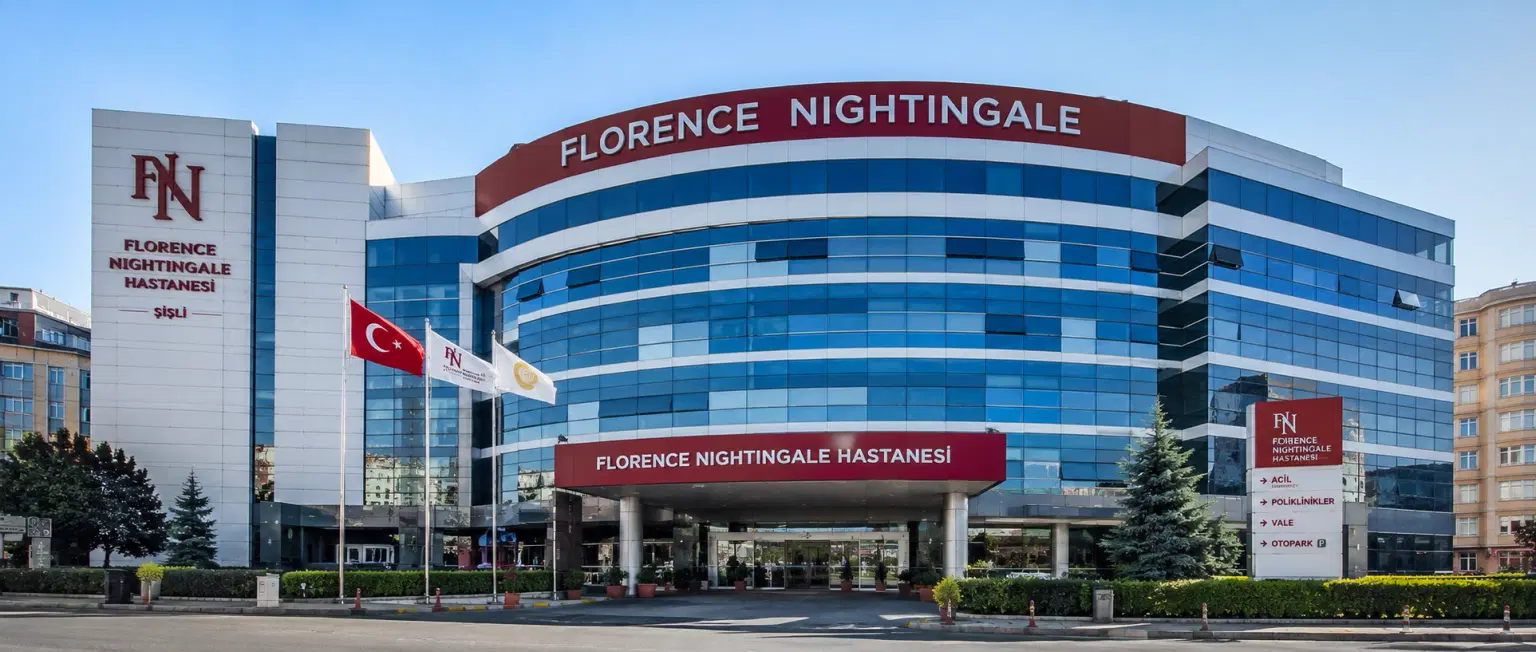
Florence Nightingale Hospital Istanbul
Abide-i Hürriyet Cd No:166, 34381 Sisli, Istanbul
Florence Nightingale Hospital Istanbul
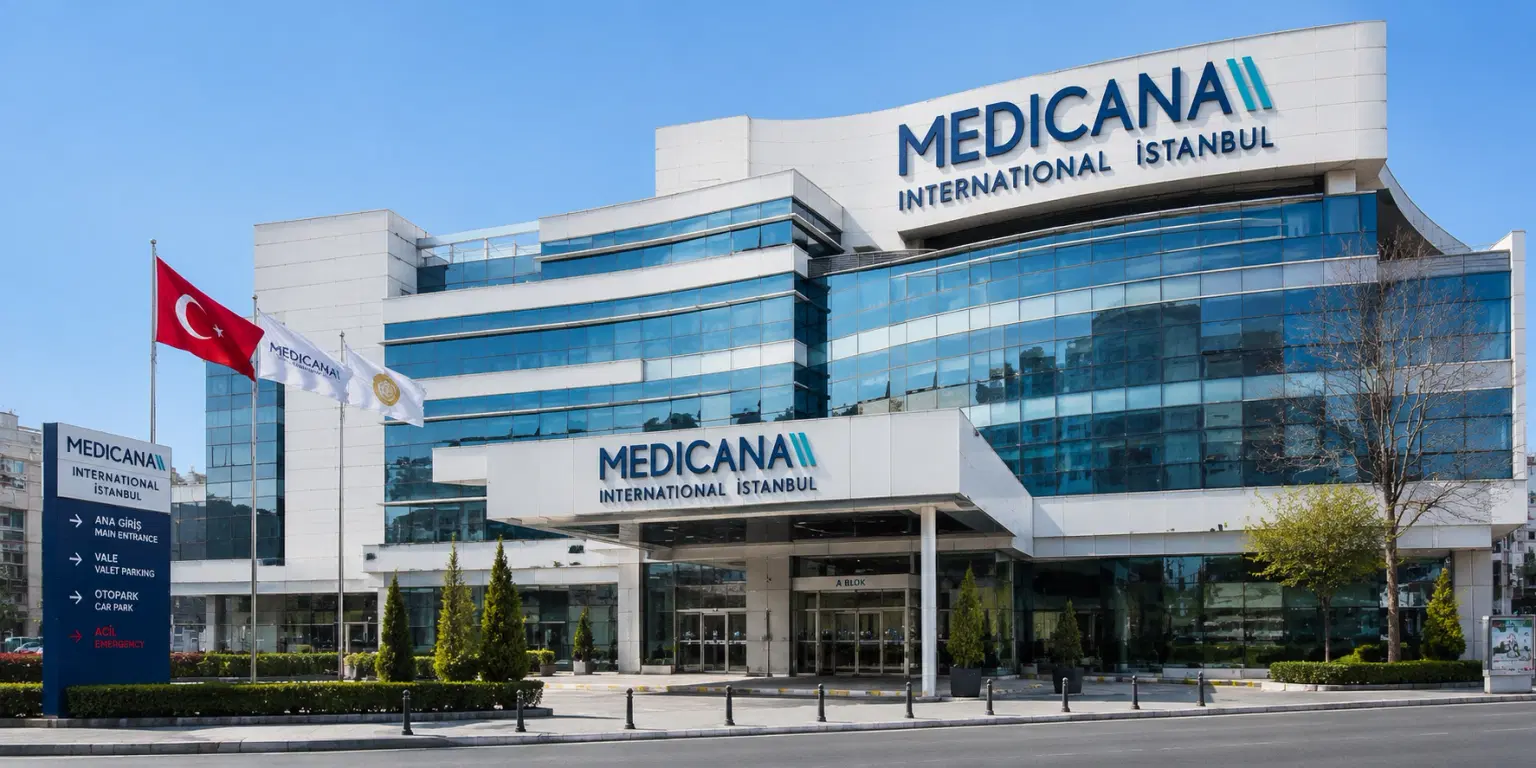
Medicana International Hospital, Istanbul
Halit Ziya Turkkani Mah. Medikal Park Cd. No:1, Beylikdüzü, İstanbul
Medicana International Hospital, Istanbul
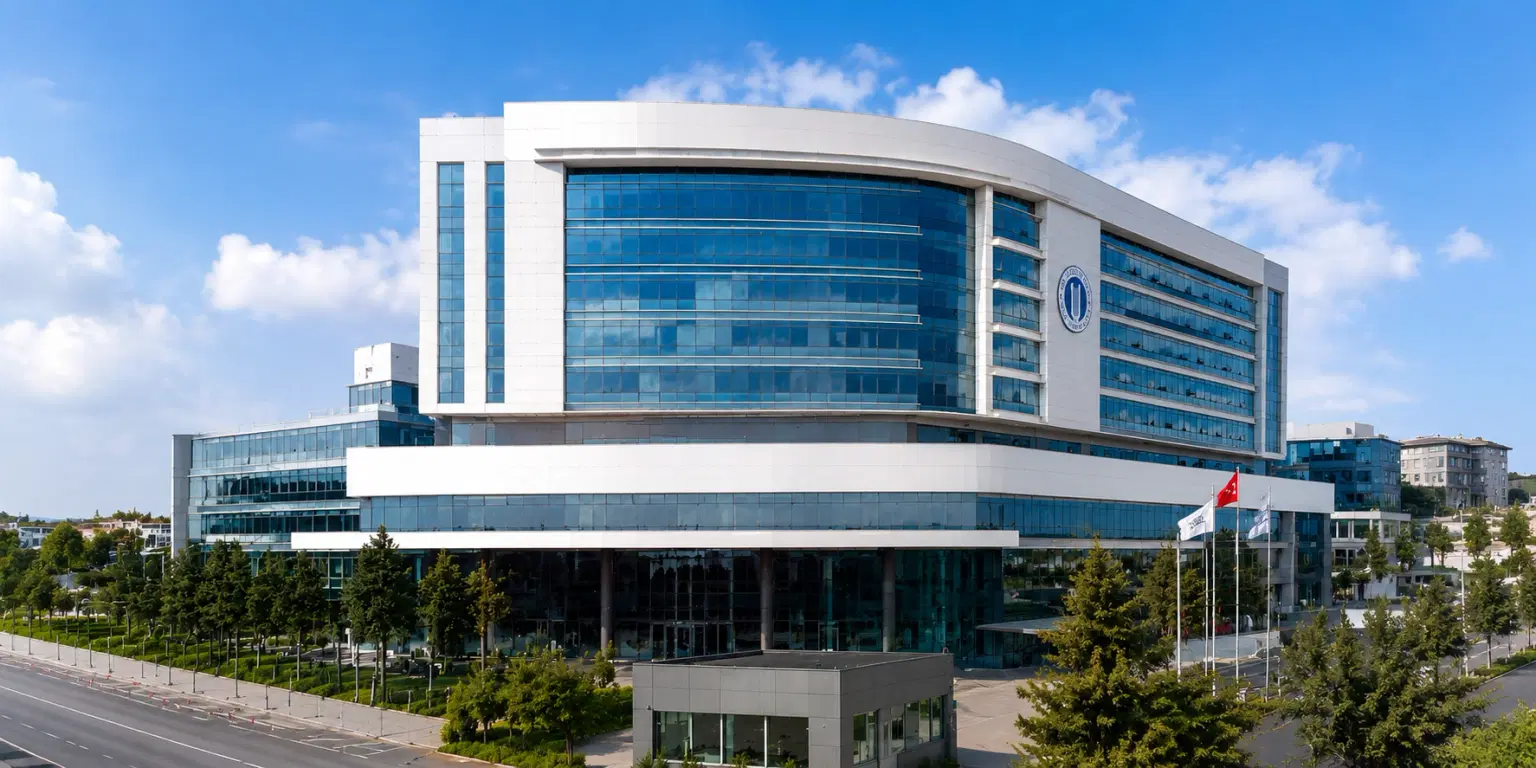
Okan University Hospital Istanbul
Icmeler Mah. Aydınlıyolu Cd. No:2, 34947 Icmeler-Tuzla, Istanbul
Okan University Hospital Istanbul
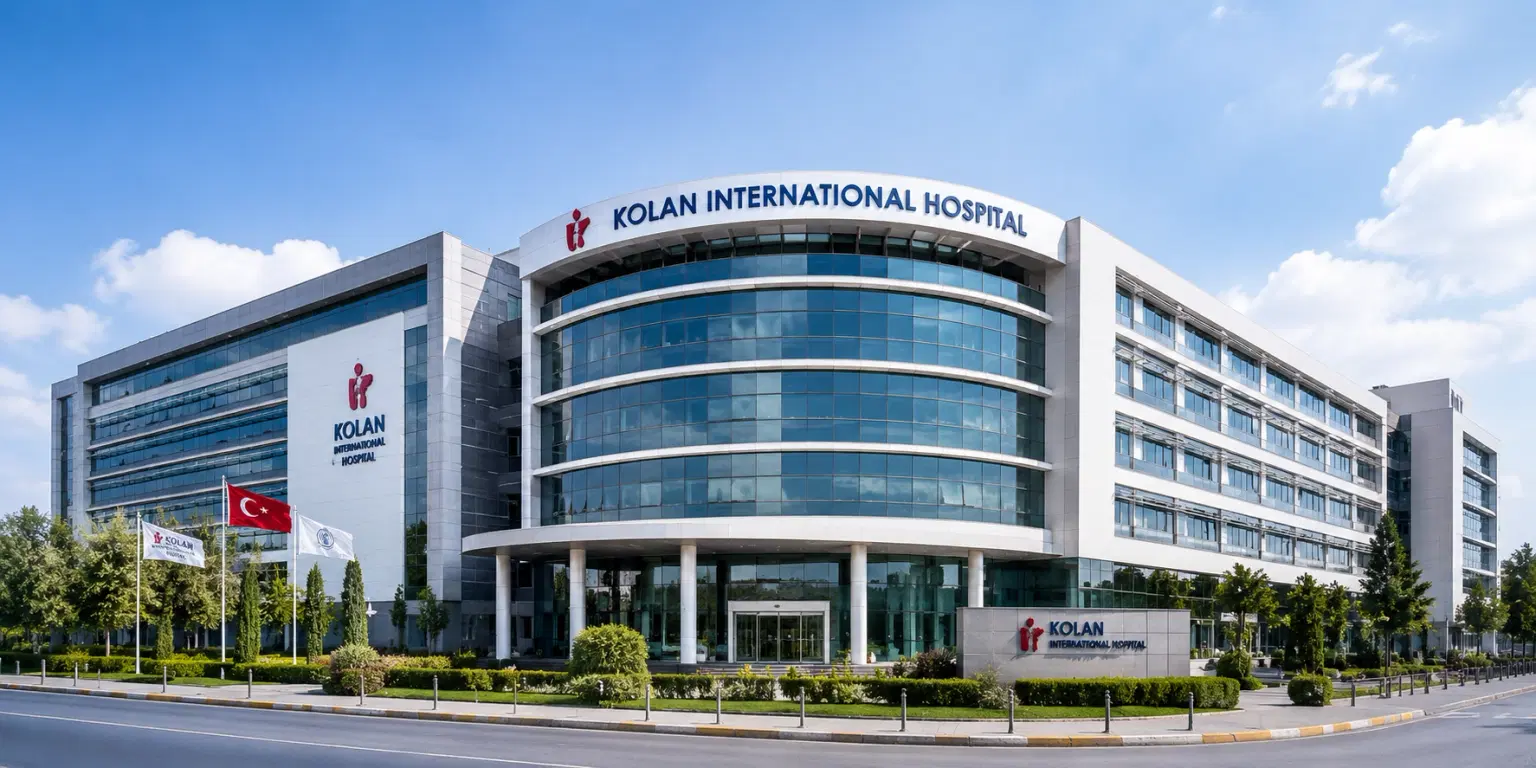
Kolan International Hospital, Istanbul
Kaptanpasa Mah. Okmeydan Kavsagi, Darulaceze Cd. No:14, 34384 Sisli, Istanbul
Kolan International Hospital, Istanbul
Meet Our Doctors
Meet our team of highly qualified and experienced medical professionals dedicated to providing the best healthcare services.
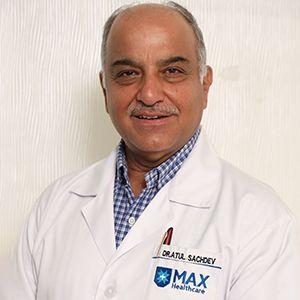
Dr. Atul Sachdev
Principal Consultant
Gastroenterology
New Delhi
25+ Years
Experience
Apolo Delhi
Hospital
1500
Fees
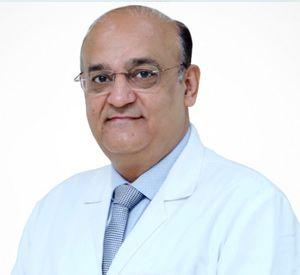
Dr. Neeraj Bhalla
Senior Director, Cardiology Department
Interventional Cardiology
New Delhi
15+ Years
Experience
Max Hospital,Gurgaon
Hospital
1500
Fees
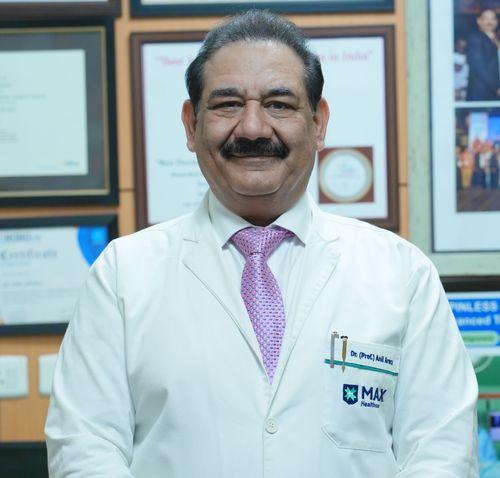
Dr. (Prof.) Anil Arora
Professor & Robotic Joint Replacement Surgeon
Orthopaedic & Robotic Joint Replacement Surgery
New Delhi
33+ Years
Experience
Max Hospital,Gurgaon
Hospital
1500
Fees
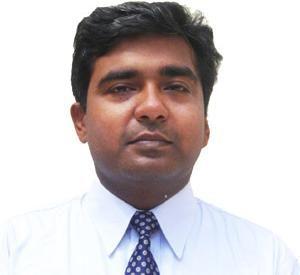
Dr. Vivek Saxena
Director
Gastroenterology & Therapeutic Endoscopy
New Delhi
20+ Years
Experience
Apolo Delhi
Hospital
1500
Fees
Booking With DIVINHEAL
Get a free consultation to understand your treatment options