
Capsule Endoscopy Treatment in Gurugram for Iraq
Need Personalized Advice?
Our medical experts are ready to answer your questions and guide you through your treatment options.
About
Capsule Endoscopy in Gurugram for Iraq Patients | Cost, Hospitals
For patients from Iraq facing persistent digestive symptoms or seeking a detailed internal view, the uncertainty of a clear diagnosis can be concerning. Finding advanced, less invasive diagnostic methods like Capsule Endoscopy, especially internationally, often involves evaluating quality, cost, and expertise.
Many patients from Iraq are now looking towards Gurugram, India, as a preferred destination for medical diagnostics and treatment. The city has emerged as a hub for advanced medical technology and highly specialized care, offering a coordinated environment for international patients seeking efficient and precise evaluations.
Gurugram's medical infrastructure boasts world-class hospitals and a network of gastroenterology specialists renowned for their expertise. These facilities ensure that patients receive comprehensive care, from initial consultation to detailed reporting and follow-up, all within a well-managed urban setting.
Is Gurugram the right choice for your Capsule Endoscopy?
What is Capsule Endoscopy?
Capsule Endoscopy is a non-invasive procedure used to examine the lining of the middle part of your gastrointestinal tract, which includes the small bowel. You swallow a vitamin-sized capsule that contains a tiny camera. As the capsule travels naturally through your digestive system, it captures thousands of images. These images are transmitted to a recording device worn on your waist, providing doctors with a detailed visual examination to detect abnormalities that might not be visible with traditional endoscopy or imaging. This procedure helps identify sources of bleeding, inflammation, ulcers, or tumors.
Applications of Capsule Endoscopy
Capsule endoscopy is primarily used for specific diagnostic purposes within the digestive tract:
- Small Bowel Examination: Most commonly used to visualize the entire small intestine, which is difficult to reach with conventional endoscopes.
- Crohn's Disease Monitoring: Helps detect and monitor inflammation and damage in patients with suspected or diagnosed Crohn's disease.
- Obscure Gastrointestinal Bleeding: Identifies the source of bleeding when upper endoscopy and colonoscopy are inconclusive.
- Celiac Disease Evaluation: Used to assess the extent of damage to the small intestinal lining in celiac disease patients.
- Tumor Detection: Can help in identifying polyps or tumors in the small bowel.
When is Capsule Endoscopy Recommended?
- Unexplained gastrointestinal bleeding or iron deficiency anemia.
- Chronic abdominal pain or diarrhea that remains undiagnosed.
- Suspected inflammatory bowel disease, such as Crohn's disease, affecting the small intestine.
- Evaluation of celiac disease complications.
- Screening for small bowel tumors or polyps in specific high-risk cases.
- Monitoring known small bowel conditions over time.
Pre-Procedure Evaluation for Capsule Endoscopy
- A thorough medical history and physical examination by a gastroenterologist.
- Blood tests, including a complete blood count and iron levels, to assess for anemia or other issues.
- Previous endoscopy or colonoscopy reports if available, to rule out issues in the upper GI tract or colon.
- Imaging studies like CT scans or MRI in some cases, especially if there's a concern for bowel obstruction or strictures.
- Review of all current medications, especially blood thinners, which may need adjustment.
How Capsule Endoscopy is Performed
The procedure for Capsule Endoscopy is straightforward and typically involves these steps:
Preparation: Patients are usually required to fast for a certain period before the procedure, typically 10-12 hours. A bowel preparation may also be prescribed to ensure a clear view of the intestinal lining.
Swallowing the Capsule: The patient swallows the small, disposable capsule with a sip of water. Sensors are attached to the abdomen, connected to a data recorder worn on a belt around the waist.
Image Recording: As the capsule travels through the digestive tract, it continuously takes pictures for approximately eight hours. During this time, patients can usually resume light activities but should avoid strenuous exercise or heavy lifting.
Capsule Excretion: The capsule passes naturally and painlessly through the stool, typically within 24 to 72 hours. It does not need to be retrieved.
Data Analysis: After about eight hours, the patient returns the recording device. A specialist then downloads the images and reviews them to identify any abnormalities. A detailed report is prepared for the referring physician.
Recovery Process After Capsule Endoscopy
Capsule Endoscopy requires virtually no recovery time. Most patients can return to their normal diet and activities immediately after swallowing the capsule. There are no restrictions on eating or drinking once the recording period is complete, typically after eight hours. Patients are advised to look for the natural passage of the capsule, though confirming its excretion is not usually necessary. Your doctor will schedule a follow-up to discuss the findings from the video review and determine any next steps for treatment or further diagnostics.
Potential Risks and Success Rates
- The capsule may get stuck in a narrowed part of the small bowel (bowel obstruction), requiring surgical or endoscopic removal. This risk is very low.
- There is a minimal chance of the capsule not capturing sufficient images due to rapid transit or poor bowel preparation.
- Some patients may experience mild abdominal discomfort, though this is rare.
Capsule Endoscopy has a high diagnostic yield, especially for conditions affecting the small bowel that are difficult to visualize otherwise. Its success in identifying the cause of obscure gastrointestinal bleeding or small bowel lesions is excellent, often exceeding 80-90%. The diagnostic outcome can vary based on the specific condition being investigated and the individual patient's bowel transit time. Long-term expectations usually depend on the findings and subsequent treatment plan.
Ready to Explore Your Diagnostic Options?
Our team is here to guide you through every step of arranging your Capsule Endoscopy in Gurugram. Contact us today for personalized assistance.
Cost of Capsule Endoscopy in Gurugram
The cost of Capsule Endoscopy in Gurugram can vary depending on several factors, including the hospital's reputation, the specific type of capsule used, the expertise of the gastroenterologist reviewing the images, and any additional pre-procedure tests or consultations required. Gurugram offers competitive pricing compared to many Western countries, without compromising on the quality of care or technology.
Generally, the cost for Capsule Endoscopy in Gurugram ranges from 40,000 INR to 70,000 INR.
Gurugram vs. Global Cost Comparison for Capsule Endoscopy
Discover how Gurugram's Capsule Endoscopy costs compare globally, highlighting its affordability for high-quality care.
| Location | Estimated Cost (USD) |
|---|---|
| Gurugram, India | $500 - $850 |
| United States | $1,500 - $3,000 |
| United Kingdom | $1,200 - $2,500 |
| Thailand | $700 - $1,200 |
| Turkey | $600 - $1,000 |
Essential Support Services for International Patients
- Assistance with medical visa applications and necessary documentation.
- Arrangement of airport transfers and comfortable local accommodation.
- Dedicated patient coordinators to facilitate appointments and hospital stays.
- Language interpretation services to ensure clear communication.
- Guidance on local travel and cultural considerations in Gurugram.
- Post-procedure follow-up arrangements, including telemedicine options.
Important Papers for Your Medical Journey
- Valid passport and medical visa for entry into India.
- All relevant past medical reports, including previous endoscopy results, lab tests, and imaging.
- A referral letter from your local physician in Iraq, if available.
- A list of all current medications, dosages, and any known allergies.
- Contact information for emergency contacts in your home country.
Preparing for Your Procedure in Gurugram
- Consult with the Gurugram medical team via teleconsultation before travel to finalize your diagnostic plan.
- Complete any prescribed dietary restrictions or bowel preparation steps accurately.
- Inform your doctor about all medications, especially blood thinners or diabetes medications.
- Arrange for a companion to accompany you for your travel and initial appointments, if possible.
- Familiarize yourself with the hospital facilities and your accommodation surroundings.
Aftercare and Follow-Up Instructions
- Ensure you understand when and how you will receive your Capsule Endoscopy report.
- Adhere to any specific dietary advice given by the doctor after the procedure, though usually none is required.
- Schedule your follow-up consultation with the gastroenterologist to discuss the findings and potential treatment pathways.
- Maintain communication with your Gurugram care team for any post-procedure questions or concerns.
- Plan for your return journey to Iraq, considering any medical recommendations.
Ready to Take the Next Step for Clarity?
Discover the ease and precision of Capsule Endoscopy in Gurugram. Our dedicated team is ready to assist you. Reach out today.
Begin Your Path to Diagnostic Clarity
Choosing Gurugram for your Capsule Endoscopy offers a blend of advanced technology, expert medical care, and cost-effectiveness. We are committed to supporting patients from Iraq through every stage of their diagnostic journey.
Hospitals Offering this treatment
India offers premium medical procedures at affordable prices. Discover our most popular treatments, delivered by the country's finest doctors.
Meet Our Doctors
Meet our team of highly qualified and experienced medical professionals dedicated to providing the best healthcare services.
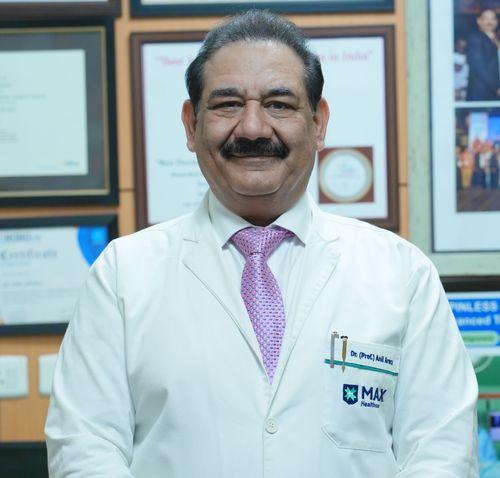
Dr. (Prof.) Anil Arora
Professor & Robotic Joint Replacement Surgeon
Orthopaedic & Robotic Joint Replacement Surgery
New Delhi
33+ Years
Experience
Max Hospital,Gurgaon
Hospital
1500
Fees
Dr. Neeraj Bhalla
Senior Director, Cardiology Department
Interventional Cardiology
New Delhi
15+ Years
Experience
Max Hospital,Gurgaon
Hospital
1500
Fees
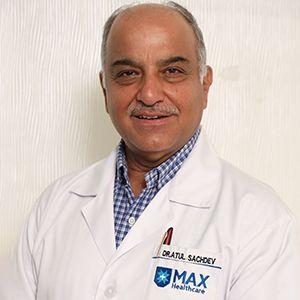
Dr. Atul Sachdev
Principal Consultant
Gastroenterology
New Delhi
25+ Years
Experience
Apolo Delhi
Hospital
1500
Fees
Dr. Vivek Saxena
Director
Gastroenterology & Therapeutic Endoscopy
New Delhi
20+ Years
Experience
Apolo Delhi
Hospital
1500
Fees
Related Links
Other Treatment related Information
Ready To Start Your Healing Journey?
Get Personalized Medical Treatment Options From India's Top Hospitals. Our Medical Experts Are Ready To Assist You Every Step Of The Way.