
Capsule Endoscopy Treatment in New Delhi for Iraq
Need Personalized Advice?
Our medical experts are ready to answer your questions and guide you through your treatment options.
About
Capsule Endoscopy in New Delhi for Iraq Patients
For patients in Iraq seeking advanced diagnostic care, the thought of needing a procedure like Capsule Endoscopy can bring questions about options and access. Understanding where to find expert care, reliable technology, and comfortable surroundings for such an important diagnostic step is a primary concern for many families.
Many individuals from Iraq look beyond their immediate region for specialized medical services, often narrowing their search to cities known for their healthcare infrastructure. New Delhi stands out as a destination, offering a comprehensive and well-coordinated environment for international patients, ensuring a smoother journey for diagnostic procedures.
New Delhi's medical landscape features numerous internationally accredited hospitals and highly experienced gastroenterology specialists. These facilities are equipped with state-of-the-art diagnostic technology, providing a high level of precision and care. Patients can expect streamlined processes for appointments, follow-ups, and coordinated post-procedure guidance within the city.
Is New Delhi the right choice for your diagnostic needs?
What is Capsule Endoscopy?
Capsule Endoscopy is a non-invasive diagnostic procedure used to visualize the lining of the small bowel, an area often difficult to reach with traditional endoscopy. During the procedure, the patient swallows a small, vitamin-sized capsule containing a miniature camera. This camera captures thousands of images as it naturally passes through the digestive tract. These images are transmitted wirelessly to a recorder worn on a belt around the patient's waist. The capsule is then naturally expelled from the body. This method helps doctors identify abnormalities such as bleeding, inflammation, ulcers, polyps, or tumors that may be missed by other diagnostic tools, providing crucial insights into unexplained gastrointestinal symptoms.
Applications of Capsule Endoscopy
While Capsule Endoscopy is a specific procedure, its application can be tailored to different parts of the digestive system or for specific diagnostic goals. The primary types of capsule endoscopy typically relate to the area of the gastrointestinal tract being examined:
- Small Bowel Capsule Endoscopy: This is the most common application, specifically designed to investigate the entire length of the small intestine. It is invaluable for detecting sources of obscure gastrointestinal bleeding, diagnosing Crohn's disease, identifying small bowel tumors, or evaluating celiac disease.
- Colon Capsule Endoscopy: A newer application, this capsule is designed to examine the colon. It serves as an alternative to traditional colonoscopy for certain patients, especially those who cannot undergo a conventional colonoscopy or prefer a less invasive option.
- Esophageal Capsule Endoscopy: This specialized capsule is used to examine the esophagus, primarily for screening conditions like Barrett's esophagus or esophageal varices in specific patient populations.
- Patency Capsule: Before a full capsule endoscopy, a patency capsule might be used. This dissolvable capsule is designed to confirm that there are no narrowings or obstructions in the small bowel that could prevent the diagnostic capsule from passing safely.
When Is Capsule Endoscopy Recommended?
- Unexplained gastrointestinal bleeding where other tests have not found the source.
- Diagnosis and evaluation of Crohn's disease.
- Detection of small bowel tumors or polyps.
- Investigation of chronic abdominal pain, diarrhea, or malabsorption.
- Monitoring of celiac disease complications.
- Screening for specific conditions in the esophagus or colon when traditional methods are not suitable.
- Follow-up of previously identified small bowel abnormalities.
Preparation for Your Capsule Endoscopy
- Medical History Review: A thorough review of your health history, including any prior abdominal surgeries, swallowing difficulties, or pacemakers.
- Medication Adjustment: You may need to temporarily stop certain medications, especially iron supplements or blood thinners, as directed by your doctor.
- Bowel Preparation: A clear liquid diet and specific laxatives are required the day before the procedure to ensure the bowel is clean for clear imaging.
- Fasting: You will need to fast for several hours (typically 8-12 hours) before swallowing the capsule.
- Hydration: Specific instructions on when you can consume clear liquids will be provided.
How the Capsule Endoscopy is Performed
The procedure for Capsule Endoscopy is straightforward and typically performed on an outpatient basis.
Before Swallowing the Capsule
Upon arrival at the clinic or hospital, a nurse or technician will attach a sensor array or adhesive pads to your abdomen. These sensors connect to a small data recorder worn on a belt around your waist. This recorder captures the images transmitted by the capsule.
Swallowing the Capsule
You will be instructed to swallow the small, pill-sized capsule with a little water. This usually happens in the morning. The capsule is designed to pass easily through the esophagus, similar to swallowing a large vitamin pill.
During the Procedure
After swallowing the capsule, you can generally leave the facility and resume light activities. You will wear the data recorder for approximately 8 hours as the capsule travels through your digestive system, capturing images. You'll receive specific instructions on when you can drink clear liquids and eat a light meal. It is important to avoid strenuous activity or exposure to strong electromagnetic fields during this time.
After the Procedure
After about 8 hours, you will return the data recorder to the hospital or clinic. The capsule will naturally pass out of your body with a bowel movement within a few days and does not need to be retrieved. The collected images are then downloaded from the recorder and reviewed by a gastroenterologist, who will analyze the footage for any abnormalities.
What to Expect During Recovery
Recovery from Capsule Endoscopy is minimal, as it is a non-invasive procedure. Most patients can return to their normal diet and activities immediately after the 8-hour monitoring period. There is no sedation involved, so you can drive yourself home or go back to work the same day. You may be advised to avoid certain medications or foods until your doctor reviews the results. There are no stitches or wounds to heal. The main 'recovery' involves waiting for the capsule to pass naturally and for the medical team to analyze the vast number of images collected to provide a diagnosis and recommend any further steps.
Potential Risks and Diagnostic Success Rates
- Capsule Retention: The most significant, though rare, risk is the capsule getting lodged in a narrowed part of the small intestine. This may require endoscopic or surgical removal.
- Misinterpretation of Images: While rare, there is a possibility that a significant finding might be missed or misinterpreted by the reviewing physician.
- Incomplete Examination: The capsule may not visualize the entire small bowel due to rapid transit or technical issues, leading to an incomplete study.
- Aspiration: Extremely rare, but there is a minimal risk of inhaling the capsule instead of swallowing it.
Capsule Endoscopy has a high diagnostic yield, particularly for identifying sources of obscure gastrointestinal bleeding and detecting small bowel pathologies that traditional endoscopy or imaging may not reveal. Success rates, in terms of providing a useful diagnosis, are generally high, ranging from 50% to 70% or more depending on the indication. Outcomes can vary based on the specific condition being investigated, the quality of bowel preparation, and the expertise of the interpreting physician. Long-term expectations usually involve using the diagnostic information to guide subsequent treatment plans, which may include medication, further interventions, or lifestyle changes.
Cost of Capsule Endoscopy in New Delhi
The cost of Capsule Endoscopy in New Delhi is influenced by several factors, including the reputation and accreditation of the hospital, the specific technology and brand of capsule used, the expertise of the gastroenterologist, and any additional services required, such as pre-procedure consultations or post-procedure follow-ups. Diagnostic costs are often comprehensive, covering the capsule, monitoring equipment, and expert review.
In New Delhi, the cost for a Capsule Endoscopy typically ranges from INR 35,000 to INR 60,000.
New Delhi vs. Global Capsule Endoscopy Costs
Patients from Iraq considering Capsule Endoscopy in New Delhi will find the city offers a highly competitive price point compared to many developed nations, without compromising on medical standards or technological capabilities.
| Location | Estimated Cost (USD) |
|---|---|
| New Delhi, India | $420 - $720 |
| United States | $1,500 - $3,000 |
| United Kingdom | $1,200 - $2,500 |
| Australia | $1,000 - $2,000 |
| Germany | $900 - $1,800 |
| Singapore | $800 - $1,500 |
Comprehensive Support Services for Your Medical Journey
- Assistance with medical visa applications and necessary documentation.
- Coordination of travel logistics, including airport transfers and accommodation.
- Dedicated patient care managers to support you throughout your stay.
- Translation services to ensure clear communication with medical staff.
- Guidance on choosing the most suitable hospital and specialist for your condition.
- Post-procedure follow-up arrangements and ongoing communication.
Important Papers Required for Your Visit
- Valid passport and medical visa.
- Copies of your medical reports, including previous diagnostic results and doctor's notes.
- Any referral letters from your primary care physician in Iraq.
- A list of all current medications, dosages, and allergies.
- Contact information for your emergency contact person.
- Proof of financial arrangement for your medical treatment.
Guidance on How to Prepare Before You Arrive
- Consult with your local doctor in Iraq to get a referral and gather all relevant medical records.
- Discuss your travel plans and specific medical needs with our patient support team.
- Arrange your medical visa well in advance to avoid delays.
- Familiarize yourself with the pre-procedure dietary and medication instructions for Capsule Endoscopy.
- Plan for a companion to travel with you, especially if you anticipate needing extra support.
Care and Follow-Up After Your Procedure
- You will receive clear instructions on when and how to collect your results and discuss them with the specialist.
- Detailed guidance will be provided for any dietary or activity restrictions, although minimal for Capsule Endoscopy.
- Information on what symptoms to look out for, though complications are rare.
- Assistance with arranging any necessary follow-up appointments or additional tests based on the findings.
- Ongoing support for questions about your report or future medical needs, even after you return to Iraq.
Ready to Make an Informed Decision?
Choosing New Delhi for your Capsule Endoscopy offers access to world-class diagnostic services and experienced specialists, all within a supportive environment designed for international patients.
Hospitals Offering this treatment
India offers premium medical procedures at affordable prices. Discover our most popular treatments, delivered by the country's finest doctors.
Meet Our Doctors
Meet our team of highly qualified and experienced medical professionals dedicated to providing the best healthcare services.
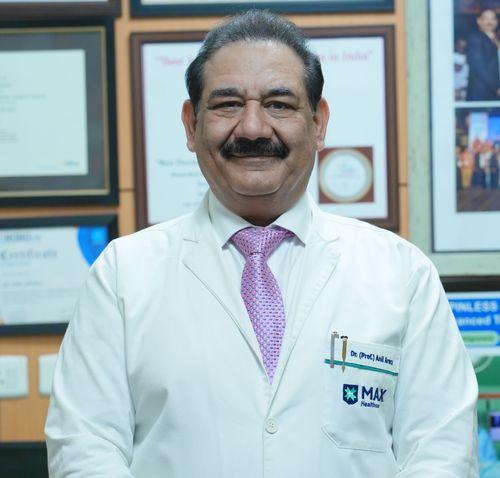
Dr. (Prof.) Anil Arora
Professor & Robotic Joint Replacement Surgeon
Orthopaedic & Robotic Joint Replacement Surgery
New Delhi
33+ Years
Experience
Max Hospital,Gurgaon
Hospital
1500
Fees
Dr. Neeraj Bhalla
Senior Director, Cardiology Department
Interventional Cardiology
New Delhi
15+ Years
Experience
Max Hospital,Gurgaon
Hospital
1500
Fees
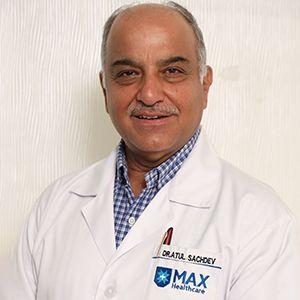
Dr. Atul Sachdev
Principal Consultant
Gastroenterology
New Delhi
25+ Years
Experience
Apolo Delhi
Hospital
1500
Fees

Dr. Vivek Saxena
Director
Gastroenterology & Therapeutic Endoscopy
New Delhi
20+ Years
Experience
Apolo Delhi
Hospital
1500
Fees
Related Links
Other Treatment related Information
- Capsule Endoscopy cost in Chennai
- Capsule Endoscopy cost in India
- Capsule Endoscopy cost in Hyderabad
- Capsule Endoscopy cost in Bengaluru
- Capsule Endoscopy cost in Haryana
- Capsule Endoscopy cost in Pune
- Capsule Endoscopy cost in Mumbai
- Capsule Endoscopy cost in New Delhi
- Capsule Endoscopy Success Rate in Mumbai
- Capsule Endoscopy Success Rate in Bengaluru
- Capsule Endoscopy Success Rate in New Delhi
- Capsule Endoscopy Success Rate in Haryana
- Capsule Endoscopy Success Rate in Chennai
- Capsule Endoscopy Success Rate in Pune
- Capsule Endoscopy Success Rate in Hyderabad
- Capsule Endoscopy Success Rate in India
- Best Capsule Endoscopy Doctors in New Delhi
- Best Capsule Endoscopy Doctors in Mumbai
- Best Capsule Endoscopy Doctors in Chennai
- Best Capsule Endoscopy Doctors in India
Ready To Start Your Healing Journey?
Get Personalized Medical Treatment Options From India's Top Hospitals. Our Medical Experts Are Ready To Assist You Every Step Of The Way.