
Capsule Endoscopy Treatment in Pune for Bangladesh
Need Personalized Advice?
Our medical experts are ready to answer your questions and guide you through your treatment options.
About
Capsule Endoscopy in Pune for Bangladesh Patients | Hospitals & Costs
For patients from Bangladesh experiencing persistent digestive discomfort or unexplained bleeding, finding an accurate diagnosis is often a primary concern. The thought of complex or invasive procedures can add to this worry, making advanced diagnostic options seem distant or intimidating.
Many individuals seek medical solutions beyond their immediate borders when advanced diagnostic tools are needed. Pune stands out as a preferred destination, recognized for its modern medical infrastructure, skilled specialists, and a welcoming environment for international patients seeking focused care.
Pune’s healthcare ecosystem provides a strong foundation of trust, featuring accredited hospitals and highly experienced gastroenterologists. The city’s medical facilities are equipped for advanced diagnostics, ensuring continuity of care and straightforward follow-ups for patients throughout their stay.
Pune offers a reliable pathway for effective diagnostic medical services.
What is Capsule Endoscopy?
Capsule endoscopy is a non-invasive procedure used to visualize the small intestine, an area that traditional endoscopies or colonoscopies cannot easily reach. During the procedure, a patient swallows a vitamin-sized capsule containing a miniature wireless camera. As the capsule travels naturally through the digestive tract, it captures thousands of images of the small bowel. These images are transmitted to a portable data recorder worn by the patient. Later, a specialist reviews these images to detect abnormalities such as bleeding, inflammation, polyps, or tumors, providing a detailed view of the small bowel lining.
Types of Capsule Endoscopy
When is Capsule Endoscopy Recommended?
- Unexplained gastrointestinal bleeding not identified by upper endoscopy or colonoscopy.
- Diagnosis and monitoring of Crohn's disease and other inflammatory bowel diseases in the small intestine.
- Detection of small bowel tumors or polyps.
- Evaluation of celiac disease complications.
- Investigation of chronic iron deficiency anemia without an obvious cause.
- Screening for genetic polyp syndromes.
Pre-Treatment Evaluation for Capsule Endoscopy
- Comprehensive medical history review and physical examination.
- Blood tests to check for anemia, infection, and overall health.
- Review of previous imaging studies or endoscopic procedures.
- Discussion of current medications, especially blood thinners or diabetes medications.
- Detailed instructions on fasting and bowel preparation prior to the procedure.
How is Capsule Endoscopy Performed?
The capsule endoscopy procedure is largely non-invasive and can often be performed as an outpatient service. The exact steps involve preparation, capsule ingestion, data recording, and subsequent image review.
Preparation Day
Patients typically fast for several hours before the procedure. Specific instructions regarding dietary restrictions and bowel cleansing will be provided to ensure clear visualization. This preparation is vital for optimal image quality.Swallowing the Capsule
On the day of the procedure, you will swallow a small, disposable capsule with a glass of water. This capsule is roughly the size of a large vitamin pill and contains a tiny camera, light source, battery, and transmitter.Wearing the Data Recorder
A small data recorder is attached to a belt worn around your waist or a sensor array placed on your abdomen. This device receives signals and images transmitted wirelessly from the capsule as it travels through your digestive system.Activity During the Procedure
You can usually continue most normal daily activities during the 8-12 hours that the capsule is active. You will be given instructions on when you can drink clear liquids and eat a light meal. The capsule passes naturally through your digestive system and is excreted in a bowel movement.Data Retrieval and Analysis
After the recording period, you return the data recorder to the clinic. The images are then downloaded onto a computer and reviewed by a gastroenterologist, who analyzes them for any abnormalities or findings.Considering Capsule Endoscopy in Pune?
Connect with leading specialists in Pune to understand if this advanced diagnostic procedure is right for you. Get personalized advice and explore your options.
What to Expect During Recovery?
Recovery from a capsule endoscopy is typically immediate. Patients can usually resume their normal diet and activities shortly after the data recorder is removed. There is no sedation involved, so you will not need assistance traveling home. The capsule passes naturally out of the body, usually within a few days, and does not require retrieval. Your doctor will schedule a follow-up appointment to discuss the findings from the capsule images and determine any next steps for your care.
Potential Risks and Success Rates
- Capsule retention: The capsule might get stuck in a narrowed part of the digestive tract, though this is rare.
- Incomplete examination: In some cases, the capsule may not reach the end of the small intestine before its battery dies.
- Misdiagnosis: While rare, like any diagnostic tool, there is a small chance of missing a lesion or misinterpreting findings.
- Aspiration: Extremely rare, but the capsule could be accidentally inhaled if swallowed incorrectly.
Capsule endoscopy boasts a high success rate in identifying abnormalities in the small bowel, especially for conditions like unexplained bleeding and Crohn's disease. Its effectiveness depends on various factors, including proper bowel preparation, the experience of the specialist reviewing the images, and the specific condition being investigated. Outcomes typically range from 70% to 90% in detecting significant pathology, offering valuable insights that might not be available through other methods. Long-term expectations usually involve using the diagnostic findings to guide further treatment or management plans.
Cost of Capsule Endoscopy in Pune
The cost of capsule endoscopy in Pune can vary based on several factors. These include the specific hospital or clinic chosen, the fees of the gastroenterologist performing the interpretation, the brand or type of capsule used, and any additional diagnostic tests required before or after the procedure. Location within the city and the level of hospital amenities can also play a role in the overall expense.
Generally, the cost for a capsule endoscopy in Pune ranges from INR 25,000 to INR 50,000.
Capsule Endoscopy Costs: Pune vs. Global Averages
Comparing the cost of capsule endoscopy in Pune against international benchmarks highlights the economic advantages without compromising on quality medical care.
| Location | Estimated Cost (USD) |
|---|---|
| Pune, India | $300 - $600 |
| United States | $1,500 - $3,000 |
| United Kingdom | $1,200 - $2,500 |
| Singapore | $1,000 - $2,000 |
Patient Support for Your Journey in Pune
- Assistance with medical visa applications and extensions.
- Help with arranging comfortable accommodation options.
- Guidance for local transportation and logistics within Pune.
- Access to professional language interpretation services.
- Coordinated scheduling of all medical appointments and consultations.
- Dedicated patient relations manager for continuous support.
Documents Needed for Your Visit to Pune
- A valid passport and necessary medical visa.
- All relevant past medical records and diagnostic reports.
- Referral letters from your primary care physician, if applicable.
- A list of all current medications with dosages.
- Proof of financial capacity for medical treatment and stay.
- Copies of any previous health insurance documents.
Preparing for Your Capsule Endoscopy
- Adhere strictly to fasting instructions provided by your doctor.
- Complete any prescribed bowel preparation thoroughly.
- Discuss all current medications with your doctor, especially blood thinners.
- Ensure you are well-hydrated before the fasting period begins.
- Wear comfortable, loose-fitting clothing on the day of the procedure.
- Arrange for a companion if you prefer, though it's not strictly necessary.
Aftercare Following Your Procedure
- Resume your normal diet and activities as advised by your doctor.
- Monitor your bowel movements for the natural passage of the capsule.
- Attend all scheduled follow-up appointments to discuss results.
- Report any unusual symptoms or discomfort to your medical team.
- Stay hydrated and maintain a balanced diet for overall well-being.
- Avoid strenuous physical activity immediately after the procedure.
Connect with Pune's Top Specialists
Ready to get an accurate diagnosis? Reach out to our team to find the best hospitals and gastroenterologists in Pune for your Capsule Endoscopy.
Begin Your Path to Diagnostic Clarity
Understanding your digestive health is the first step towards effective treatment. Explore the advanced diagnostic capabilities available in Pune for a clearer picture of your condition.
Hospitals Offering this treatment
India offers premium medical procedures at affordable prices. Discover our most popular treatments, delivered by the country's finest doctors.
Meet Our Doctors
Meet our team of highly qualified and experienced medical professionals dedicated to providing the best healthcare services.
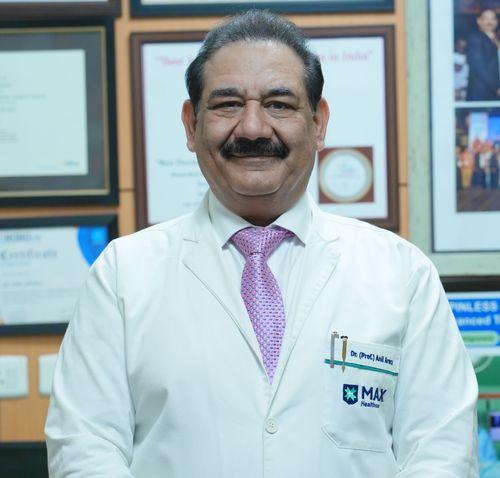
Dr. (Prof.) Anil Arora
Professor & Robotic Joint Replacement Surgeon
Orthopaedic & Robotic Joint Replacement Surgery
New Delhi
33+ Years
Experience
Max Hospital,Gurgaon
Hospital
1500
Fees
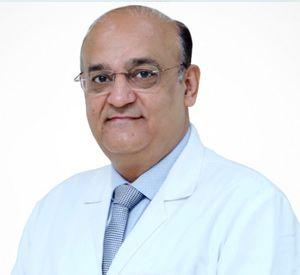
Dr. Neeraj Bhalla
Senior Director, Cardiology Department
Interventional Cardiology
New Delhi
15+ Years
Experience
Max Hospital,Gurgaon
Hospital
1500
Fees
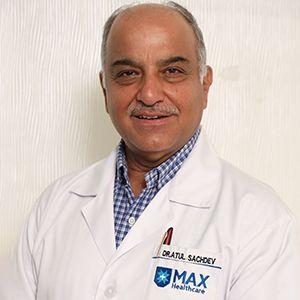
Dr. Atul Sachdev
Principal Consultant
Gastroenterology
New Delhi
25+ Years
Experience
Apolo Delhi
Hospital
1500
Fees
Dr. Vivek Saxena
Director
Gastroenterology & Therapeutic Endoscopy
New Delhi
20+ Years
Experience
Apolo Delhi
Hospital
1500
Fees
Related Links
Other Treatment related Information
- Capsule Endoscopy cost in Chennai
- Capsule Endoscopy cost in India
- Capsule Endoscopy cost in Hyderabad
- Capsule Endoscopy cost in Bengaluru
- Capsule Endoscopy cost in Haryana
- Capsule Endoscopy cost in Pune
- Capsule Endoscopy cost in Mumbai
- Capsule Endoscopy cost in New Delhi
- Capsule Endoscopy Success Rate in Mumbai
- Capsule Endoscopy Success Rate in Bengaluru
- Capsule Endoscopy Success Rate in New Delhi
- Capsule Endoscopy Success Rate in Haryana
- Capsule Endoscopy Success Rate in Chennai
- Capsule Endoscopy Success Rate in Pune
- Capsule Endoscopy Success Rate in Hyderabad
- Capsule Endoscopy Success Rate in India
- Best Capsule Endoscopy Doctors in New Delhi
- Best Capsule Endoscopy Doctors in Mumbai
- Best Capsule Endoscopy Doctors in Chennai
- Best Capsule Endoscopy Doctors in India
Ready To Start Your Healing Journey?
Get Personalized Medical Treatment Options From India's Top Hospitals. Our Medical Experts Are Ready To Assist You Every Step Of The Way.