
Immunotherapy & CAR-T Cell Therapy Treatment in Bengaluru
Need Personalized Advice?
Our medical experts are ready to answer your questions and guide you through your treatment options.
About
Immunotherapy & CAR-T Cell Therapy in India for Bengaluru Patients
For patients in Bengaluru facing complex cancer diagnoses, the prospect of advanced treatments like Immunotherapy and CAR-T Cell Therapy often comes with questions about accessibility and expertise. Understanding where to find the right specialists and facilities for these cutting-edge therapies is a significant concern, especially when seeking options beyond local availability.
Many individuals from Bengaluru choose to explore treatment possibilities across India. This decision often stems from a desire to access a broader network of specialized cancer centers and leading oncologists who focus on these innovative cellular therapies. India's diverse medical landscape offers multiple highly-regarded options, ensuring patients can find a suitable environment for their specific needs.
The trust in India's medical system for advanced care is built upon its growing infrastructure, state-of-the-art hospitals, and a pool of internationally trained cancer specialists. These facilities across the country are equipped to handle intricate procedures like CAR-T cell manufacturing and immunotherapy administration, supported by comprehensive care teams dedicated to patient well-being.
India offers established pathways for patients seeking advanced cancer treatments nationwide.
What is Immunotherapy & CAR-T Cell Therapy?
Immunotherapy and CAR-T (Chimeric Antigen Receptor T-cell) Cell Therapy are groundbreaking approaches in cancer treatment that harness the body's own immune system to fight cancer. Immunotherapy works by stimulating or restoring the immune system's natural ability to recognize and destroy cancer cells. This can involve various methods, such as checkpoint inhibitors which block proteins that prevent T-cells from attacking cancer, or monoclonal antibodies that target specific cancer cell markers. CAR-T Cell Therapy is a highly specialized form of immunotherapy where a patient's T-cells are collected, genetically modified in a lab to produce CARs that can recognize specific proteins on cancer cells, and then infused back into the patient. These engineered T-cells then multiply and attack cancer cells throughout the body. Both therapies represent significant advancements, particularly for certain types of cancers that have not responded to traditional treatments.
Types of Immunotherapy & CAR-T Cell Therapy
Monoclonal Antibodies
These engineered antibodies target specific proteins on cancer cells or immune cells, either directly killing cancer cells or blocking signals that help them grow.
Immune Checkpoint Inhibitors
These drugs block "checkpoint" proteins on immune cells or cancer cells that prevent the immune system from attacking cancer, thereby releasing the brakes on the immune response.
CAR-T Cell Therapy
A personalized treatment where a patient's T-cells are engineered to express chimeric antigen receptors (CARs) that target specific cancer antigens, then reinfused.
Oncolytic Viruses
Viruses are modified to infect and kill cancer cells while sparing normal cells, often also stimulating an anti-cancer immune response.
Cancer Vaccines
These vaccines train the immune system to recognize and attack specific cancer cells. They can be preventive or therapeutic, given after a cancer diagnosis.
Cytokines
These are proteins that activate immune cells. Synthetic versions like interleukins and interferons can be used to boost the immune response against cancer.
When is Immunotherapy & CAR-T Cell Therapy Required?
- When standard treatments like chemotherapy, radiation, or surgery have been ineffective or exhausted.
- For specific blood cancers, such as certain lymphomas, leukemias, and multiple myeloma, especially in relapsed or refractory cases.
- In advanced melanoma, non-small cell lung cancer, kidney cancer, bladder cancer, and head and neck cancers, among others.
- When a patient's cancer exhibits specific biomarkers that make it susceptible to particular immunotherapy agents.
- To achieve longer-term remission or disease control in aggressive or metastatic cancers.
- As part of a combination therapy approach to enhance the effectiveness of other treatments.
Pre-Treatment Evaluation for Cellular Therapies
- Comprehensive medical history review and physical examination to assess overall health.
- Detailed cancer staging through imaging scans like PET-CT, MRI, or CT scans.
- Biopsy and molecular testing of tumor tissue to identify specific biomarkers or genetic mutations.
- Blood tests including complete blood count, liver and kidney function tests, and viral screening for infections.
- Cardiac evaluation, often including an echocardiogram, to ensure heart health.
- Pulmonary function tests to assess lung capacity, especially before therapies that might impact respiration.
- Bone marrow aspiration and biopsy for hematological malignancies.
- Consultation with a multidisciplinary team, including oncologists, immunologists, and hematologists.
How Immunotherapy & CAR-T Cell Therapy are Performed
The specific procedure for Immunotherapy and CAR-T Cell Therapy varies greatly depending on the type of therapy, the patient's condition, and the overall treatment plan.
For Immunotherapy (General)
Immunotherapy drugs are typically administered intravenously, similar to chemotherapy, in an outpatient clinic or hospital setting. The treatment usually involves a series of cycles over several weeks or months. Each cycle consists of drug infusion followed by a rest period. Patients are closely monitored for side effects throughout the treatment course. The exact duration and frequency of infusions depend on the specific drug, type of cancer, and patient response.
For CAR-T Cell Therapy
CAR-T cell therapy involves several distinct stages:
- Leukapheresis: The patient's blood is drawn, and T-cells are separated from other blood components using a specialized machine. The remaining blood is returned to the patient.
- Cell Engineering: The collected T-cells are sent to a specialized laboratory where they are genetically modified to express CARs that target cancer cells. This process can take several weeks.
- Chemotherapy (Lymphodepletion): Before the CAR-T cells are infused, the patient typically receives a short course of chemotherapy to reduce the number of existing T-cells, creating space for the new CAR-T cells to expand.
- Infusion: The engineered CAR-T cells are infused back into the patient intravenously, similar to a blood transfusion.
- Monitoring: Patients are hospitalized for several weeks post-infusion to be closely monitored for potential severe side effects, such as cytokine release syndrome (CRS) or neurotoxicity.
Recovery Process and Aftercare
Recovery from immunotherapy and CAR-T cell therapy is highly individual and depends on the specific treatment and patient response. For general immunotherapy, recovery involves managing potential side effects, which can range from fatigue and skin rashes to more serious autoimmune reactions. Regular follow-up appointments, blood tests, and imaging scans are crucial to monitor treatment effectiveness and manage any late-onset side effects. For CAR-T cell therapy, the initial recovery period in the hospital is critical due to potential acute side effects. After discharge, patients require close outpatient monitoring for several months. Restrictions on activities, travel, and certain medications may apply. Rehabilitation and supportive care, including nutritional guidance and psychological support, are often integral to the long-term recovery process, focusing on restoring quality of life.
Risks & Success Rates of Treatment
- Immunotherapy Risks: Autoimmune reactions affecting organs like the skin, colon, lungs, liver, or endocrine glands; fatigue, rash, diarrhea, thyroid dysfunction.
- CAR-T Cell Therapy Risks: Cytokine Release Syndrome (CRS) leading to fever, low blood pressure, difficulty breathing; neurological toxicities such as confusion, seizures, or swelling in the brain.
- General Risks: Infection, infusion reactions, low blood counts, allergic reactions, and rarely, secondary cancers.
The success rates for Immunotherapy and CAR-T Cell Therapy vary significantly based on the type of cancer, its stage, the patient's overall health, and prior treatments. Immunotherapy can lead to durable responses and prolonged survival in a subset of patients across various cancers, with response rates sometimes ranging from 20% to 50% or more depending on the specific cancer and drug. CAR-T cell therapy has shown remarkable success in specific blood cancers, achieving complete remission rates of 50-80% in relapsed or refractory cases, offering a new lease on life for many. While these therapies offer profound hope, results can differ, and a complete understanding of individual prognosis should be discussed with the treating specialist.
Cost of Immunotherapy & CAR-T Cell Therapy in India
The cost of Immunotherapy and CAR-T Cell Therapy in India is influenced by several factors, including the specific type of treatment, the duration of therapy, the hospital's reputation and facilities, the specialist's fees, and any necessary pre-treatment evaluations or post-treatment supportive care. India offers a cost-effective alternative compared to Western countries without compromising on quality.
Generally, the cost for a full course of Immunotherapy can range from INR 15,00,000 to INR 60,00,000. CAR-T Cell Therapy, being more complex and personalized, typically ranges from INR 1,50,00,000 to INR 4,00,00,000. These are approximate figures and subject to change based on individual case specifics.
Immunotherapy & CAR-T Cell Therapy Cost Across Major Indian Cities
| City | Immunotherapy (INR) | CAR-T Cell Therapy (INR) |
|---|---|---|
| Bengaluru | 18,00,000 - 55,00,000 | 1,80,00,000 - 3,80,00,000 |
| Delhi | 15,00,000 - 58,00,000 | 1,60,00,000 - 3,90,00,000 |
| Mumbai | 16,00,000 - 60,00,000 | 1,70,00,000 - 4,00,00,000 |
| Chennai | 17,00,000 - 52,00,000 | 1,75,00,000 - 3,70,00,000 |
| Hyderabad | 16,50,000 - 50,00,000 | 1,65,00,000 - 3,50,00,000 |
| Kolkata | 14,00,000 - 48,00,000 | 1,50,00,000 - 3,40,00,000 |
| Pune | 15,50,000 - 51,00,000 | 1,60,00,000 - 3,60,00,000 |
Global Cost Comparison (Approximate)
| Country | Immunotherapy (USD) | CAR-T Cell Therapy (USD) |
|---|---|---|
| USA | 100,000 - 300,000+ | 450,000 - 700,000+ |
| UK | 80,000 - 250,000+ | 350,000 - 550,000+ |
| Germany | 70,000 - 220,000+ | 300,000 - 500,000+ |
| Singapore | 60,000 - 200,000+ | 280,000 - 450,000+ |
| Thailand | 50,000 - 180,000+ | 250,000 - 400,000+ |
| India | 20,000 - 70,000+ | 180,000 - 480,000+ |
Considering Immunotherapy or CAR-T Cell Therapy in India?
Our team provides comprehensive support to help you evaluate your treatment options and connect with leading cancer specialists across India. Reach out for a personalized consultation.
Support Services for Your Treatment Journey
- Detailed medical opinion and treatment plan from multiple specialists.
- Assistance with hospital selection based on your specific needs and budget.
- Coordination of appointments, tests, and admissions.
- Guidance for accommodation and local travel arrangements.
- Language interpretation services if required.
- Support for post-treatment follow-up and care coordination.
Required Medical Documents for Your Visit
- All previous medical reports, including diagnosis, biopsy reports, and treatment history.
- Relevant imaging scans (PET-CT, MRI, CT) and their reports.
- Pathology reports and molecular test results.
- Current medication list and known allergies.
- Passport copies and visa information if applicable.
- Physician referral letter, if available.
Essential Pre-Treatment Guidance for Patients
- Ensure all necessary medical records are organized and accessible.
- Discuss potential side effects and management strategies with your doctor.
- Plan for accommodation and support during your treatment stay.
- Understand the financial aspects and prepare for associated costs.
- Arrange for a companion to accompany you, especially for CAR-T cell therapy.
- Follow specific dietary or medication instructions given by your medical team.
Healing and Follow-up After Advanced Cancer Treatment
- Adhere strictly to all prescribed medications and follow-up schedules.
- Monitor for any new symptoms or side effects and report them promptly.
- Engage in gentle physical activity as advised to aid recovery.
- Maintain a healthy diet and stay well-hydrated.
- Attend all scheduled post-treatment appointments and tests.
- Seek emotional support if needed during the recovery phase.
Ready to Explore Your Options?
We are here to guide patients from Bengaluru through every step of accessing Immunotherapy and CAR-T Cell Therapy in India. Contact us today to begin your journey towards advanced care.
Take the Next Step Towards Comprehensive Care
Navigating advanced cancer treatment requires careful consideration and expert guidance, which is available for patients seeking Immunotherapy and CAR-T Cell Therapy across India.
Hospitals Offering this treatment
India offers premium medical procedures at affordable prices. Discover our most popular treatments, delivered by the country's finest doctors.
Meet Our Doctors
Meet our team of highly qualified and experienced medical professionals dedicated to providing the best healthcare services.

Dr. Deepa Goel
Head - Histopathology & Cytology Lab
Laboratory Services
New Delhi
21+ Years
Experience
Artemis Hospital
Hospital
1500
Fees

Dr. Devender Yadav
Senior Consultant - Orthopedics (Unit VI)
Orthopaedics
New Delhi
10+ Years
Experience
Artemis Hospital
Hospital
1500
Fees
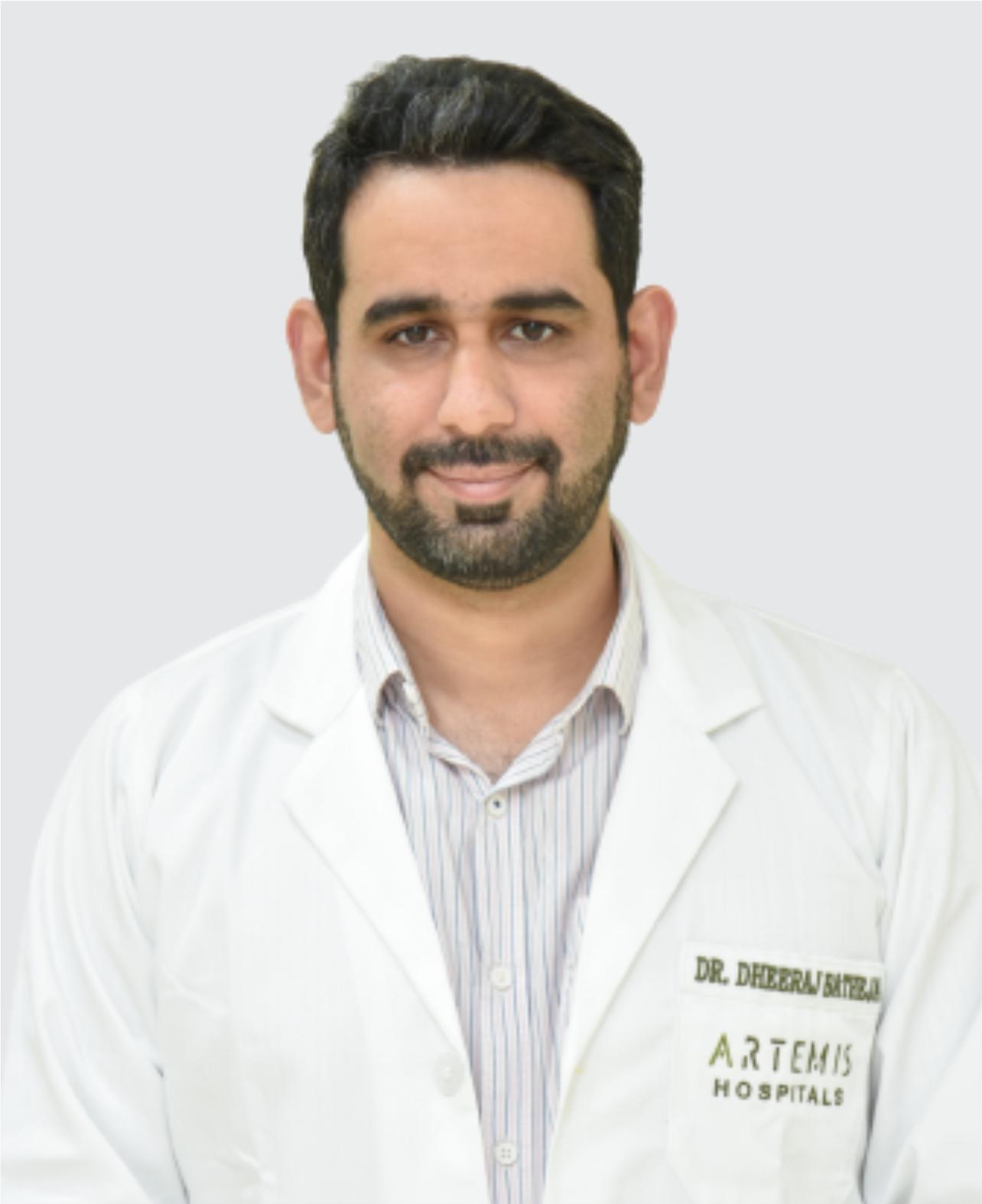
Dr. Dheeraj Batheja
Senior Consultant - Ortho Spine Surgery
Orthopaedic Surgery, Spine Surgery
New Delhi
12+ Years
Experience
Artemis Hospital
Hospital
1500
Fees

Dr. Pradeep Kumar Singh
Head - Cosmetic & Plastic Surgery
Cosmetic & Plastic Surgery
New Delhi
17+ Years
Experience
Artemis Hospital
Hospital
1500
Fees
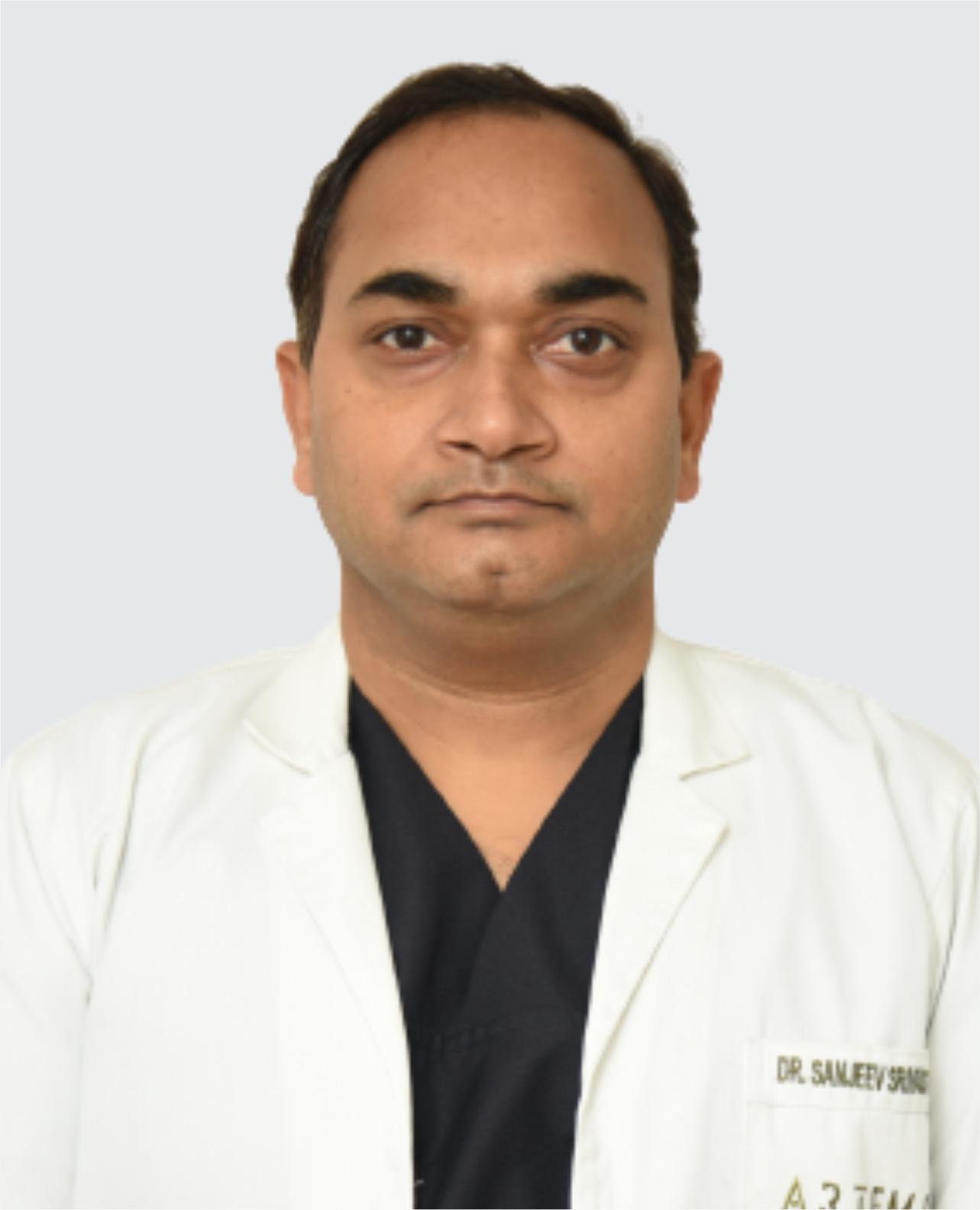
Dr. Sanjeev Srivastava
Sr. Consultant
Neurosurgery
New Delhi
23+ Years
Experience
Artemis Hospital
Hospital
1500
Fees

Dr. Suresh Chhabra
Sr. Consultant & Unit Incharge (Unit III)
General & Minimally Invasive Surgery
New Delhi
37+ Years
Experience
Artemis Hospital
Hospital
1500
Fees

Dr. Tapan Singh Chauhan
Sr. Consultant - Surgical Oncology, Robotics, GI & HPB, Gynae & Peritoneal Surface Oncology
Oncology, Robotic Surgery
New Delhi
15+ Years
Experience
Artemis Hospital
Hospital
1500
Fees
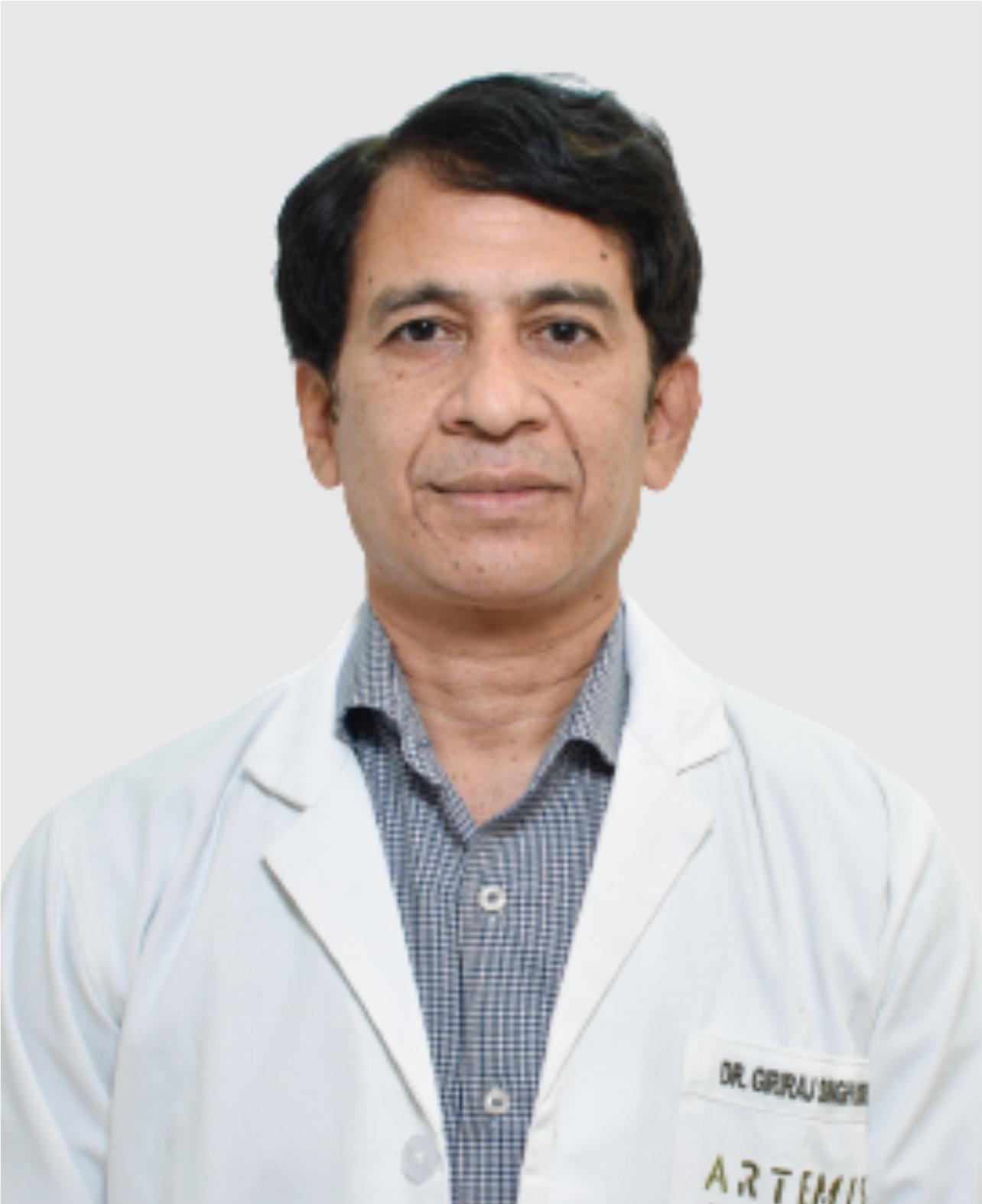
Dr. Giriraj Bora
Chief - Liver Transplant & Sr. Consultant - GI & HPB Surgery
Liver and Biliary Sciences, Organ Transplant
New Delhi
15+ Years
Experience
Artemis Hospital
Hospital
1500
Fees

Nandini Vasdev
Head Lab medicine – Head Histopathology & Cytology
Laboratory Services
New Delhi
24+ Years
Experience
Artemis Hospital
Hospital
1500
Fees
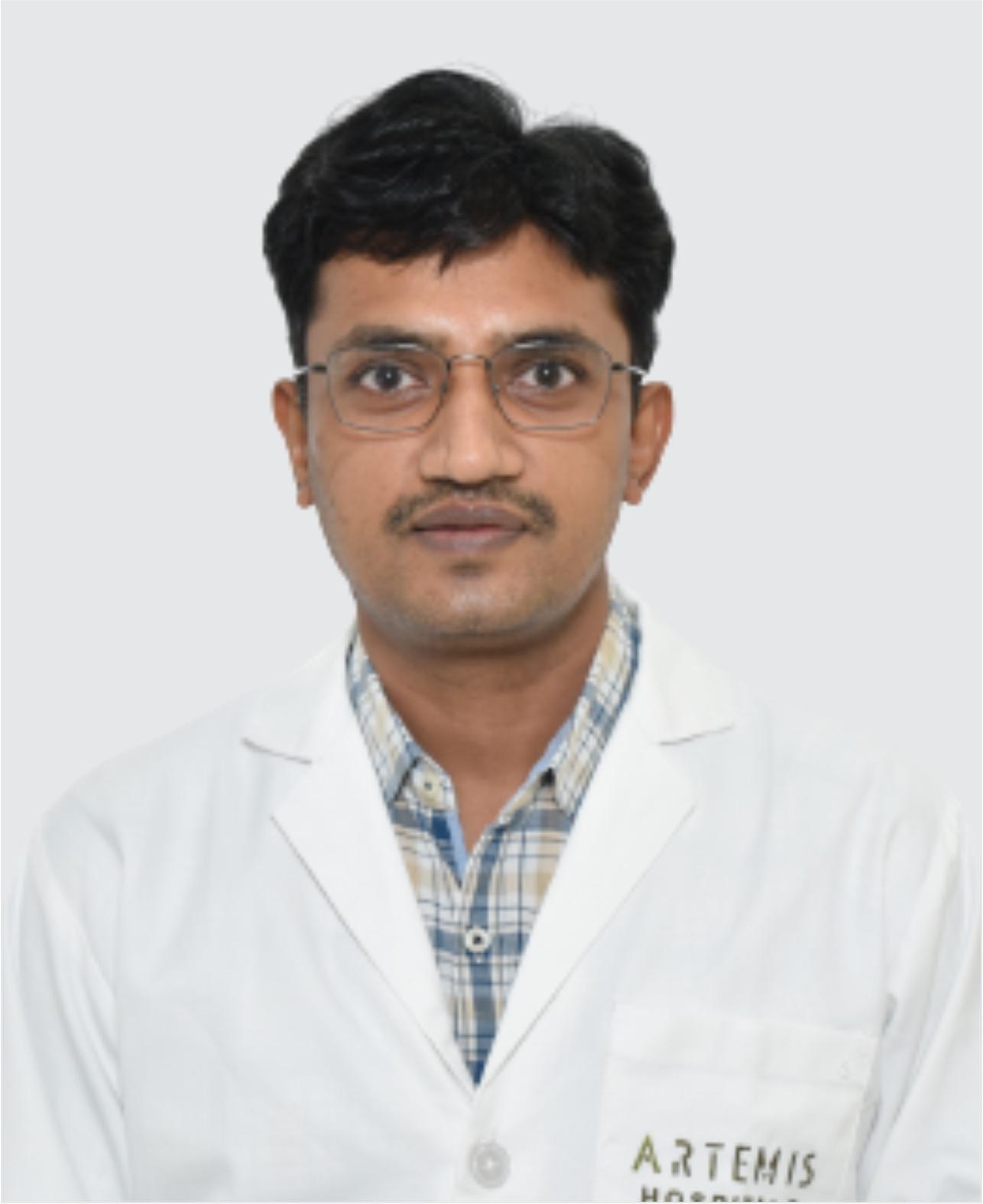
Dr. Nitin Goel
Sr. Consultant
Paediatric Surgery
New Delhi
10+ Years
Experience
Artemis Hospital
Hospital
1500
Fees
Related Links
Other Treatment related Information
International Patient Visiting India
- Immunotherapy & CAR-T Cell Therapy Treatment in Bengaluru for Iraq
- Immunotherapy & CAR-T Cell Therapy Treatment in Bengaluru for Nigeria
- Immunotherapy & CAR-T Cell Therapy Treatment in Bengaluru for Ethiopia
- Immunotherapy & CAR-T Cell Therapy Treatment in Bengaluru for Bangladesh
- Immunotherapy & CAR-T Cell Therapy Treatment in Bengaluru for UAE
Ready To Start Your Healing Journey?
Get Personalized Medical Treatment Options From India's Top Hospitals. Our Medical Experts Are Ready To Assist You Every Step Of The Way.