
Cardiac Ablation for Arrhythmias Treatment in Mumbai for Ethiopia
Need Personalized Advice?
Our medical experts are ready to answer your questions and guide you through your treatment options.
About
Cardiac Ablation for Arrhythmias in Mumbai for Ethiopian Patients
Navigating complex medical decisions for your heart health can be overwhelming, especially when considering treatment far from home in Ethiopia. If you are experiencing persistent arrhythmias, the thought of undergoing a procedure like cardiac ablation in a new country may bring worries about care quality, costs, and the entire patient journey. Your health and peace of mind are paramount in this important decision.
Many patients facing challenging heart conditions seek advanced medical care outside their home countries. Mumbai, known for its high-quality healthcare infrastructure, offers a compelling option. The city’s medical environment is structured to provide comprehensive cardiac care, attracting patients specifically for its specialized treatments and well-coordinated medical services.
Mumbai's leading hospitals house internationally trained cardiac specialists and electrophysiologists dedicated to arrhythmia management. These facilities are equipped with state-of-the-art technology, ensuring precise diagnoses and effective treatment outcomes. Patients from Ethiopia often find comfort in the integrated approach to care, including seamless follow-ups and recovery support within the city.
Could Mumbai be the right choice for your cardiac ablation?
What is Cardiac Ablation for Arrhythmias?
Cardiac ablation is a minimally invasive procedure used to treat heart rhythm disorders, or arrhythmias. It works by creating small scars in the heart tissue to block faulty electrical signals that cause irregular heartbeats. This allows the heart's electrical system to reset to a normal rhythm, significantly improving quality of life and preventing potential complications from persistent arrhythmias.
What Types of Ablation Procedures are Available?
Different approaches to cardiac ablation are tailored to the specific type of arrhythmia and individual patient needs:
- Radiofrequency (RF) Ablation: Uses heat energy to create lesions.
- Cryoablation: Employs extreme cold to freeze and block electrical pathways.
- Laser Ablation: Utilizes laser energy for targeted tissue destruction.
- Pulsed Field Ablation (PFA): A newer technique using brief, high-energy electrical pulses.
- Catheter Ablation for Atrial Fibrillation: Specifically targets the pulmonary veins, a common source of AFib.
- Ventricular Tachycardia (VT) Ablation: Addresses arrhythmias originating in the heart's lower chambers.
When is Cardiac Ablation Necessary?
- Recurrent symptomatic arrhythmias not controlled by medication.
- Presence of atrial fibrillation, atrial flutter, or supraventricular tachycardia (SVT).
- Ventricular tachycardia that poses a risk to heart function.
- Palpitations, dizziness, shortness of breath, or fatigue due to irregular heartbeats.
- Risk of stroke or heart failure linked to chronic arrhythmias.
- When anti-arrhythmic medications cause intolerable side effects.
What Tests are Done Before Ablation?
- Electrocardiogram (ECG): To record the heart's electrical activity.
- Echocardiogram: An ultrasound of the heart to assess its structure and function.
- Holter or Event Monitor: To record heart rhythms over extended periods.
- Cardiac MRI or CT Scan: To get detailed images of the heart's anatomy.
- Electrophysiology (EP) Study: An invasive procedure to map the heart's electrical pathways.
- Blood Tests: To check overall health and identify any underlying conditions.
How is Cardiac Ablation Performed?
The specific procedure for cardiac ablation depends on the type of arrhythmia and the patient's individual treatment plan.
Typically, the process involves these steps:
Preparation
Patients receive local anesthesia and sedation or general anesthesia. Catheters are inserted into a blood vessel, usually in the groin, and guided to the heart.
Mapping
An electrophysiologist uses the catheters to create a detailed electrical map of the heart, identifying the exact areas responsible for the irregular signals.
Ablation
Once the problematic areas are identified, energy (radiofrequency, cryo, or laser) is delivered through the catheter to create tiny scars. These scars block the abnormal electrical pathways without affecting the heart's normal function.
Verification
After ablation, the electrophysiologist retests the heart's electrical activity to confirm that the abnormal signals have been eliminated and a normal rhythm is restored.
What Does Recovery From Ablation Involve?
After cardiac ablation, patients typically remain in the hospital for 1-2 days for observation. Mild chest discomfort or soreness at the catheter insertion site is common. Most individuals can return to light activities within a few days, with full recovery taking a few weeks. It is crucial to follow all post-procedure instructions, including restrictions on heavy lifting and strenuous exercise, and to attend scheduled follow-up appointments. Regular monitoring of heart rhythm may continue for several months to confirm the long-term success of the procedure.
What Are the Risks and Success Rates?
- Potential for bleeding or bruising at the catheter insertion site.
- Small risk of heart perforation or damage to heart valves.
- Minor risk of blood clot formation leading to stroke.
- Rare chance of damage to the esophagus during the procedure.
- Possibility of fluid accumulation around the heart (pericardial effusion).
- Some patients might experience a recurrence of their arrhythmia.
The success rates for cardiac ablation vary depending on the type of arrhythmia, its severity, and the patient's overall health. For common conditions like SVT, success rates can be very high, often above 90%. For atrial fibrillation, success rates typically range from 60% to 80% after one procedure, with higher rates achieved with repeat procedures if necessary. Long-term outcomes are generally positive, significantly improving symptoms and reducing reliance on medications.
Cost of Cardiac Ablation in Mumbai
The cost of cardiac ablation for arrhythmias in Mumbai is considerably lower than in many Western countries, while maintaining high standards of medical care. Several factors influence the final cost, including the specific type of ablation needed, the hospital chosen, the experience of the electrophysiologist, the duration of hospital stay, and any additional diagnostic tests required.
In Mumbai, the estimated cost for cardiac ablation for arrhythmias typically ranges from INR 3,50,000 to INR 8,00,000.
Mumbai Versus Global Treatment Costs
Patients from Ethiopia often find Mumbai's medical costs highly competitive, especially when comparing them to expenses in other leading medical hubs worldwide. This makes advanced cardiac care more accessible without compromising quality.
| Location | Estimated Cost Range (USD) |
|---|---|
| Mumbai, India | $4,200 - $9,600 |
| United States | $30,000 - $80,000 |
| United Kingdom | $25,000 - $55,000 |
| Germany | $20,000 - $45,000 |
| Singapore | $15,000 - $30,000 |
Comprehensive Support Services for Your Medical Journey
- Personalized medical guidance and specialist recommendations.
- Assistance with hospital appointments and admission procedures.
- Travel logistics support, including visa assistance and accommodation arrangements.
- Language interpretation services to ensure clear communication.
- Dedicated patient care managers for continuous support.
- Post-treatment follow-up coordination and recovery care planning.
Essential Documents for Your Medical Visit
- Current passport and valid medical visa.
- All relevant medical records, including diagnostic reports and treatment history.
- Referral letters from your physician in Ethiopia.
- Identification documents for accompanying family members.
- Insurance documents, if applicable.
- Proof of financial capacity for treatment and travel.
Preparing for Your Cardiac Ablation in Mumbai
- Discuss all medications with your doctor; some may need to be stopped before the procedure.
- Arrange for a companion to travel with you for support during your stay.
- Follow any dietary restrictions advised by your medical team prior to admission.
- Ensure all necessary documents are organized and easily accessible.
- Understand the recovery expectations and plan for appropriate post-procedure care.
- Pack comfortable clothing and essential personal items for your hospital stay.
Guidance for Recovery and Aftercare
- Adhere strictly to prescribed medications and follow-up schedules.
- Avoid strenuous activities and heavy lifting for several weeks as advised.
- Monitor for any unusual symptoms or discomfort and report them immediately.
- Attend all follow-up appointments with your cardiologist in Mumbai or back home.
- Maintain a healthy lifestyle, including diet and exercise, to support heart health.
- Plan for a recuperation period in Mumbai before traveling back to Ethiopia.
Ready to Explore Your Treatment Options?
Taking the next step towards better heart health is a significant decision. We are here to guide Ethiopian patients through every stage of considering cardiac ablation in Mumbai.
Hospitals Offering this treatment
India offers premium medical procedures at affordable prices. Discover our most popular treatments, delivered by the country's finest doctors.
Meet Our Doctors
Meet our team of highly qualified and experienced medical professionals dedicated to providing the best healthcare services.
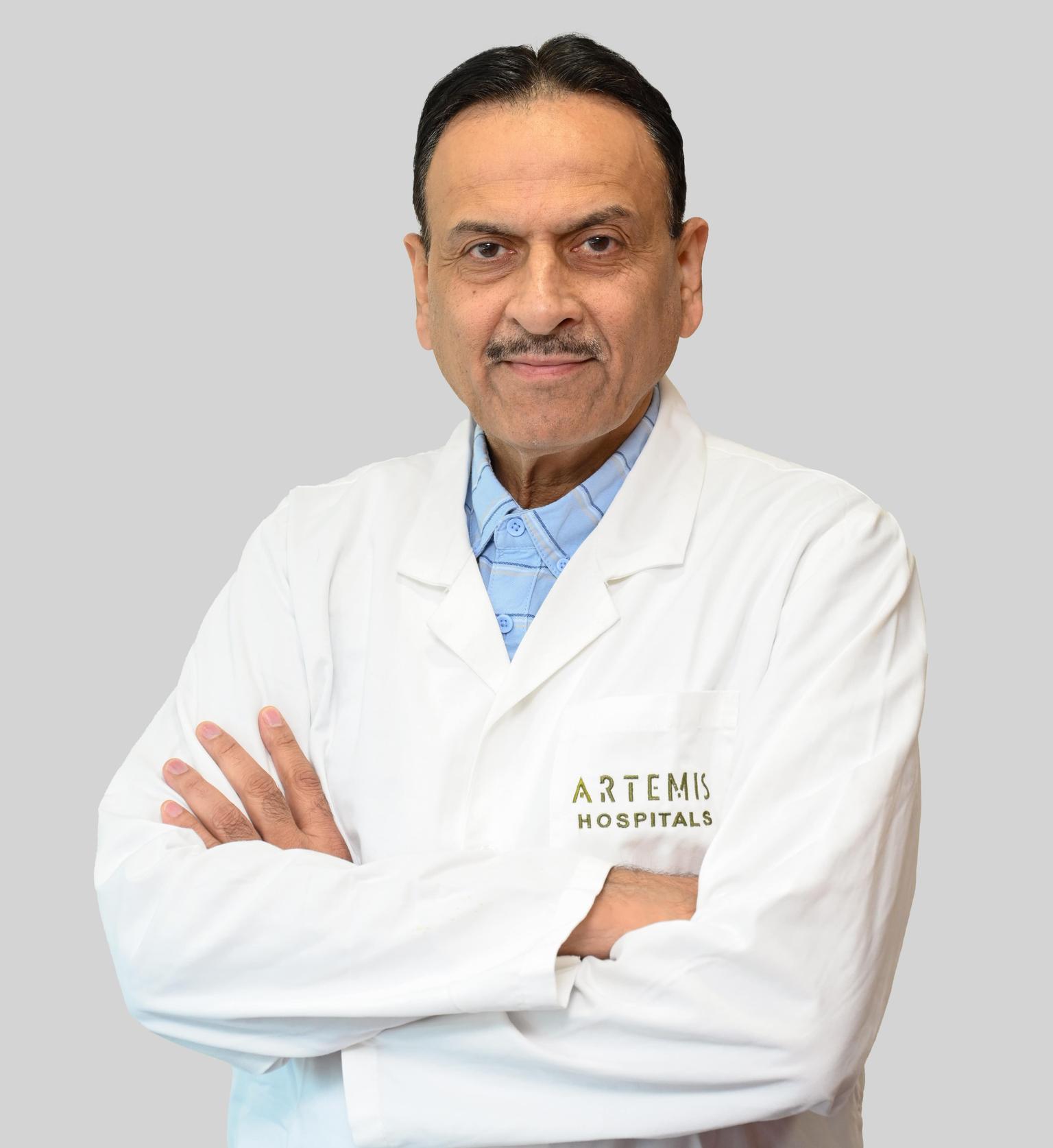
Dr. D.K. Jhamb
Chief Cardiology (Unit IV)
Cardiology
New Delhi
30+ Years
Experience
Artemis Hospital
Hospital
1500
Fees
Dr Aditi Dixit
Sr. Consultant – Women Imaging
Radiology
New Delhi
15+ Years
Experience
Artemis Hospital
Hospital
1500
Fees
Dr Amit Jassal
Principal Consultant - Anaesthesia
Anaesthesia
New Delhi
15+ Years
Experience
Artemis Hospital
Hospital
1500
Fees
Dr. Devendra Singh Solanki
Head Unit I
Orthopaedic Surgery, Orthopaedics
New Delhi
15+ Years
Experience
Artemis Hospital
Hospital
1500
Fees

Dr Chandrima Misra M
Co-Head Psychological Services
Mental Health and Behavioural Sciences
New Delhi
15+ Years
Experience
Artemis Hospital
Hospital
1500
Fees
Dr. Nutan Agarwal
Head of Department - Gynae Endocrinology & DNB Program Director - Obs & Gynae
Gynaecological Endocrinology, Maternity, Obstetrics & Gynaecology
New Delhi
35+ Years
Experience
Artemis Hospital
Hospital
1500
Fees
Dr. P. Venkata Krishnan
Sr. Consultant
Internal Medicine
New Delhi
12+ Years
Experience
Artemis Hospital
Hospital
1500
Fees
Dr. Poonam Gautam
Senior Consultant - ENT
ENT and Head & Neck Surgery
New Delhi
24+ Years
Experience
Artemis Hospital
Hospital
1500
Fees
Dr. Priyanka Raina
Consultant (Head & Neck Surgery) - Surgical Oncology
Head and Neck Surgical Oncology
New Delhi
10+ Years
Experience
Artemis Hospital
Hospital
1500
Fees
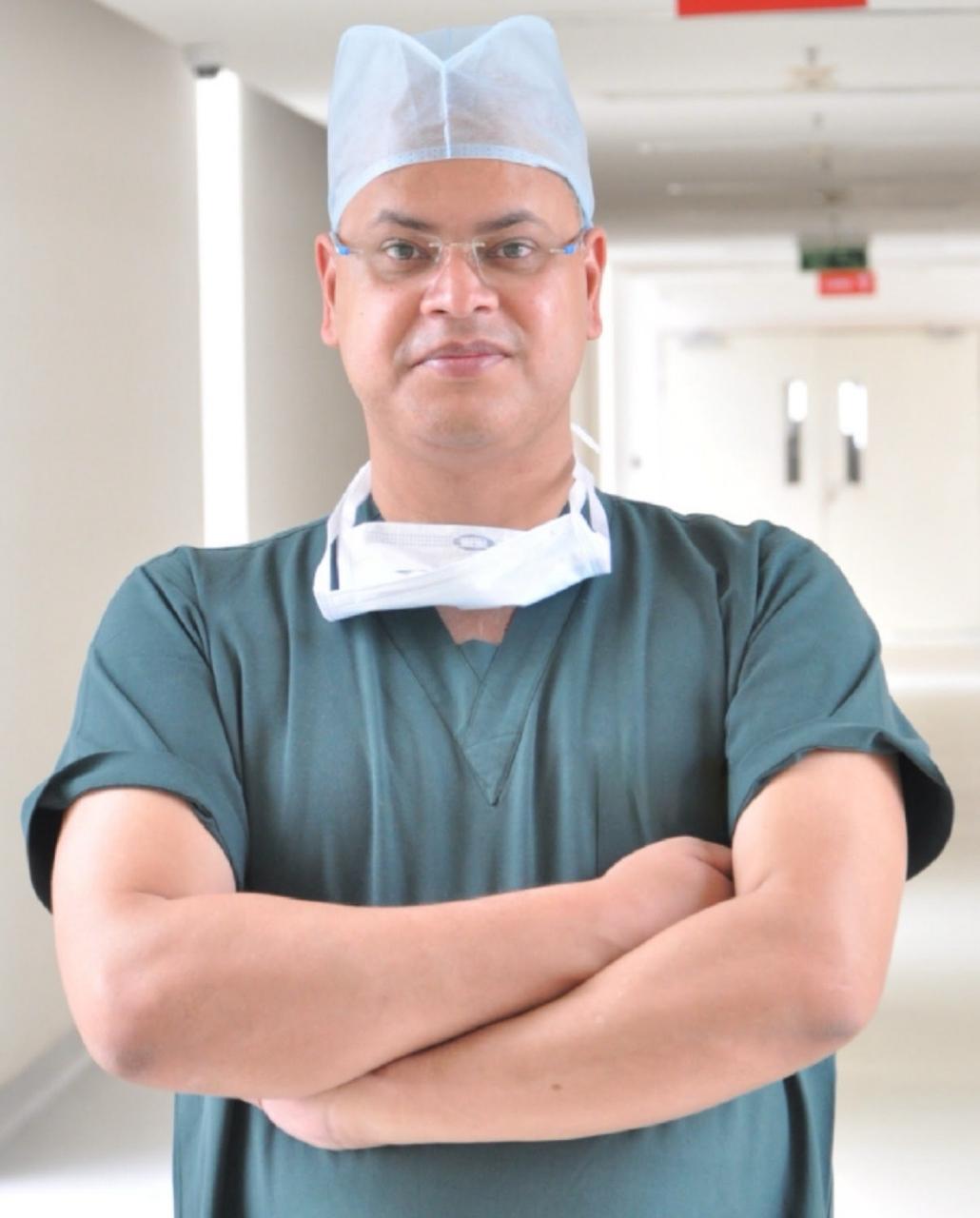
Dr. Ramkinkar Jha
Chief and Unit Head - Orthopaedics (Unit III)
Orthopaedic Surgery, Orthopaedics, Robotic Surgery
New Delhi
20+ Years
Experience
Artemis Hospital
Hospital
1500
Fees
Related Links
Other Treatment related Information
- Cardiac Ablation for Arrhythmias cost in Mumbai
- Cardiac Ablation for Arrhythmias cost in Pune
- Cardiac Ablation for Arrhythmias cost in New Delhi
- Cardiac Ablation for Arrhythmias cost in Hyderabad
- Cardiac Ablation for Arrhythmias cost in Chennai
- Cardiac Ablation for Arrhythmias cost in Bengaluru
- Cardiac Ablation for Arrhythmias cost in India
- Cardiac Ablation for Arrhythmias cost in Haryana
- Cardiac Ablation for Arrhythmias Success Rate in Hyderabad
- Cardiac Ablation for Arrhythmias Success Rate in New Delhi
- Cardiac Ablation for Arrhythmias Success Rate in Pune
- Cardiac Ablation for Arrhythmias Success Rate in India
- Cardiac Ablation for Arrhythmias Success Rate in Mumbai
- Cardiac Ablation for Arrhythmias Success Rate in Chennai
- Cardiac Ablation for Arrhythmias Success Rate in Haryana
- Cardiac Ablation for Arrhythmias Success Rate in Bengaluru
- Best Cardiac Ablation for Arrhythmias Doctors in Chennai
- Best Cardiac Ablation for Arrhythmias Doctors in India
- Best Cardiac Ablation for Arrhythmias Doctors in Mumbai
- Best Cardiac Ablation for Arrhythmias Doctors in Bengaluru
Ready To Start Your Healing Journey?
Get Personalized Medical Treatment Options From India's Top Hospitals. Our Medical Experts Are Ready To Assist You Every Step Of The Way.