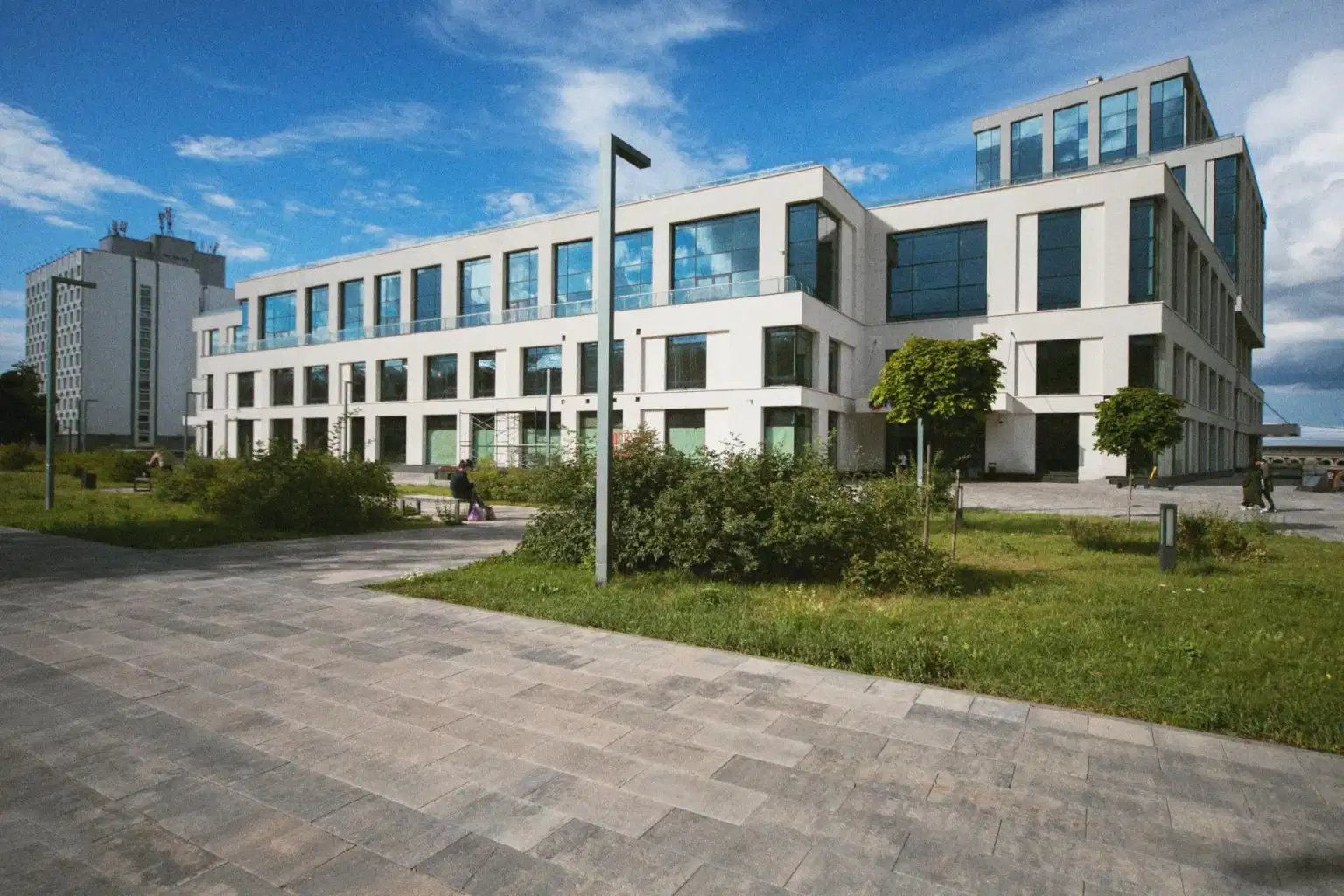
Cardiac Ablation for Arrhythmias Treatment in New Delhi for Ethiopia
Need Personalized Advice?
Our medical experts are ready to answer your questions and guide you through your treatment options.
About
Cardiac Ablation for Arrhythmias in New Delhi for Ethiopian Patients
Ethiopian patients often seek advanced heart care abroad for conditions like arrhythmias. Navigating effective treatment options internationally, especially for complex procedures, can feel overwhelming and bring many uncertainties.
New Delhi stands as a leading medical hub for specialized cardiac treatments. Its reputation for high-quality care, combined with integrated patient support systems, makes it a preferred choice for precise cardiac interventions like ablation.
Hospitals in New Delhi boast highly skilled cardiologists and electrophysiologists utilizing advanced technology. Patients receive comprehensive care, ensuring smooth coordination from initial diagnosis through recovery and essential follow-ups within the city.
Is New Delhi your ideal destination for cardiac ablation?
Understanding Cardiac Ablation for Arrhythmias
Cardiac ablation is a minimally invasive procedure designed to correct irregular heart rhythms (arrhythmias). It involves carefully creating small scars on specific heart tissue that generate faulty electrical signals. By blocking these abnormal pathways, the procedure helps restore a normal, steady heart rhythm. This treatment is often recommended for conditions like atrial fibrillation or supraventventricular tachycardia (SVT) when medications prove ineffective, offering a potential long-term solution to improve heart function and reduce related symptoms.
Common Cardiac Ablation Techniques
- Radiofrequency (RF) Ablation: Uses heat energy to create therapeutic lesions.
- Cryoablation: Employs extreme cold to freeze and deactivate problematic tissue.
- Laser Ablation: Utilizes focused laser energy for precise tissue targeting.
- Surgical Ablation: An open-heart approach for intricate or concurrent cardiac issues.
- Hybrid Ablation: Combines catheter and surgical methods for comprehensive treatment.
Indications for Cardiac Ablation
- Arrhythmias that are persistent and unresponsive to medication.
- Severe symptoms such as dizziness, fainting spells, or chest pain caused by irregular heartbeats.
- High risk of developing serious complications like stroke or heart failure due to untreated arrhythmia.
- Intolerance or adverse reactions to prescribed anti-arrhythmic drugs.
- Diagnosis of specific arrhythmias including atrial fibrillation, supraventricular tachycardia (SVT), or atrial flutter.
- Patient preference for a definitive, long-term solution for rhythm control.
Essential Pre-Procedure Diagnostic Assessment
- Thorough medical history and comprehensive physical examination.
- Electrocardiogram (ECG) and continuous heart monitoring (Holter or event monitor).
- Echocardiogram to evaluate heart structure and function in detail.
- Blood tests for general health assessment and organ function.
- Cardiac imaging, including Chest X-ray, Cardiac MRI, or CT scan.
- Electrophysiology (EP) study to precisely map the heart's electrical pathways.
Steps of the Cardiac Ablation Procedure
The specifics of the cardiac ablation procedure are tailored to the individual's arrhythmia type and the cardiologist's treatment plan.
Preparation: Patients receive local anesthesia and sedation. Thin, flexible wires (catheters) are then inserted into a blood vessel, typically in the groin, and carefully guided to the heart using real-time imaging.
Mapping: An electrophysiology (EP) study is performed to precisely map the electrical activity of the heart and pinpoint the abnormal tissue causing the arrhythmia.
Ablation: Once the problematic area is accurately located, energy (radiofrequency, cryo, or laser) is precisely delivered through the catheter tip to create small, controlled scars. These scars effectively block the faulty electrical signals.
Verification: After the ablation, the heart's electrical activity is re-evaluated to confirm that the arrhythmia has been successfully corrected and a normal rhythm restored.
Completion: The catheters are carefully withdrawn, and pressure is applied to the insertion site to prevent any bleeding. The entire procedure typically lasts a few hours.
Post-Ablation Recovery and Aftercare
Following cardiac ablation, patients usually remain in the hospital for 1-2 days for close monitoring. Initial rest is crucial to allow the catheter insertion site to heal properly. Mild chest discomfort or palpitations are common initially but usually subside. Patients are advised to avoid heavy lifting and strenuous activities for about a week. Regular follow-up appointments with your cardiologist are essential to monitor heart rhythm and ensure a successful outcome. Complete recovery may span several weeks, with strict adherence to prescribed medications and recommended lifestyle advice being vital for sustained results.
Potential Risks and Outcome Expectations
- Minor bruising or bleeding at the catheter insertion site.
- Temporary chest pain or discomfort, and occasional palpitations.
- Rarely, serious complications such as heart perforation, stroke, or damage to blood vessels.
- Potential for nerve damage affecting the diaphragm, particularly with certain ablation types.
- The possibility of needing a repeat procedure if the arrhythmia recurs over time.
The success rate for cardiac ablation varies significantly depending on the type and complexity of the arrhythmia. For conditions like SVT, success rates can exceed 90%, while for atrial fibrillation, they typically range from 60-80% after one procedure. Outcomes are influenced by the patient's age, overall health, duration of the arrhythmia, and the experience of the medical team. Many patients experience a significant reduction or complete elimination of their arrhythmia symptoms, leading to an improved quality of life. Long-term expectations often involve continued monitoring and, in some cases, ongoing medication.
Ready to explore cardiac ablation options in New Delhi?
Connect with our patient care team for a personalized consultation.
Cost of Cardiac Ablation in New Delhi
The overall cost for cardiac ablation in New Delhi is influenced by several factors, including the specific hospital chosen, the experience of the electrophysiologist, the complexity of the arrhythmia, the type of ablation technique used, and the length of hospital stay. Additional costs may arise from pre-procedure diagnostics, medications, and any post-procedure rehabilitation.
In New Delhi, the cost for Cardiac Ablation for Arrhythmias typically ranges from INR 350,000 to INR 700,000.
New Delhi Cardiac Ablation Cost Comparison
Patients considering cardiac ablation in New Delhi often find the costs significantly more affordable compared to Western countries, without compromising on quality of care or advanced technology.
| Location | Approximate Cost Range |
|---|---|
| New Delhi | INR 350,000 - 700,000 |
| United States | USD 30,000 - 60,000 |
| United Kingdom | GBP 20,000 - 40,000 |
| Singapore | SGD 25,000 - 50,000 |
| Thailand | THB 600,000 - 1,200,000 |
| Germany | EUR 25,000 - 45,000 |
Essential Patient Support for Your Medical Journey
- Dedicated patient coordinators providing personalized guidance.
- Assistance with medical visa applications and extensions.
- Arrangements for airport transfers and local transportation.
- Support with accommodation options for patients and accompanying family.
- Professional language interpretation services in various languages.
- Facilitation of online consultations with New Delhi specialists.
- Coordinated post-treatment follow-up and remote care options.
Required Medical Travel Documents
- A valid passport with at least six months validity.
- Your approved medical visa and all supporting documentation.
- Copies of all relevant medical reports, scans, and doctor's notes.
- A doctor's referral letter from your home country, if available.
- Proof of financial means to cover treatment and stay expenses.
- Details of any accompanying family members or companions.
- Immunization records as required by Indian entry regulations.
Preparing for Your Cardiac Ablation Procedure
- Discuss all current medications, including supplements, with your doctor.
- Arrange for all necessary pre-operative tests and evaluations as instructed.
- Follow any dietary restrictions, such as fasting, advised before the procedure.
- Plan your travel to arrive a few days before treatment for rest and pre-evaluations.
- Inform the medical team about any known allergies you may have.
- Arrange for a family member or trusted companion to travel with you for support.
- Keep all essential travel and medical documents organized and readily accessible.
Your Aftercare and Recovery Instructions
- Strictly adhere to all prescribed medications and dosage instructions.
- Attend all scheduled follow-up appointments with your cardiologist.
- Avoid strenuous activities and heavy lifting for the recommended period.
- Monitor the catheter insertion site for any signs of infection or unusual bleeding.
- Stay well-hydrated and maintain a balanced diet for optimal recovery.
- Report any new or worsening symptoms, such as chest pain or fever, immediately.
- Gradually resume normal activities as advised by your medical team.
Ready to take the next step towards better heart health?
Contact us today to start your personalized treatment plan in New Delhi.
Begin Your Journey to a Healthier Heart
Choosing cardiac ablation can significantly improve your quality of life by addressing irregular heart rhythms. Our dedicated team in New Delhi is ready to guide you through every stage of this vital treatment with expert, compassionate care.
Hospitals Offering this treatment
India offers premium medical procedures at affordable prices. Discover our most popular treatments, delivered by the country's finest doctors.
Meet Our Doctors
Meet our team of highly qualified and experienced medical professionals dedicated to providing the best healthcare services.
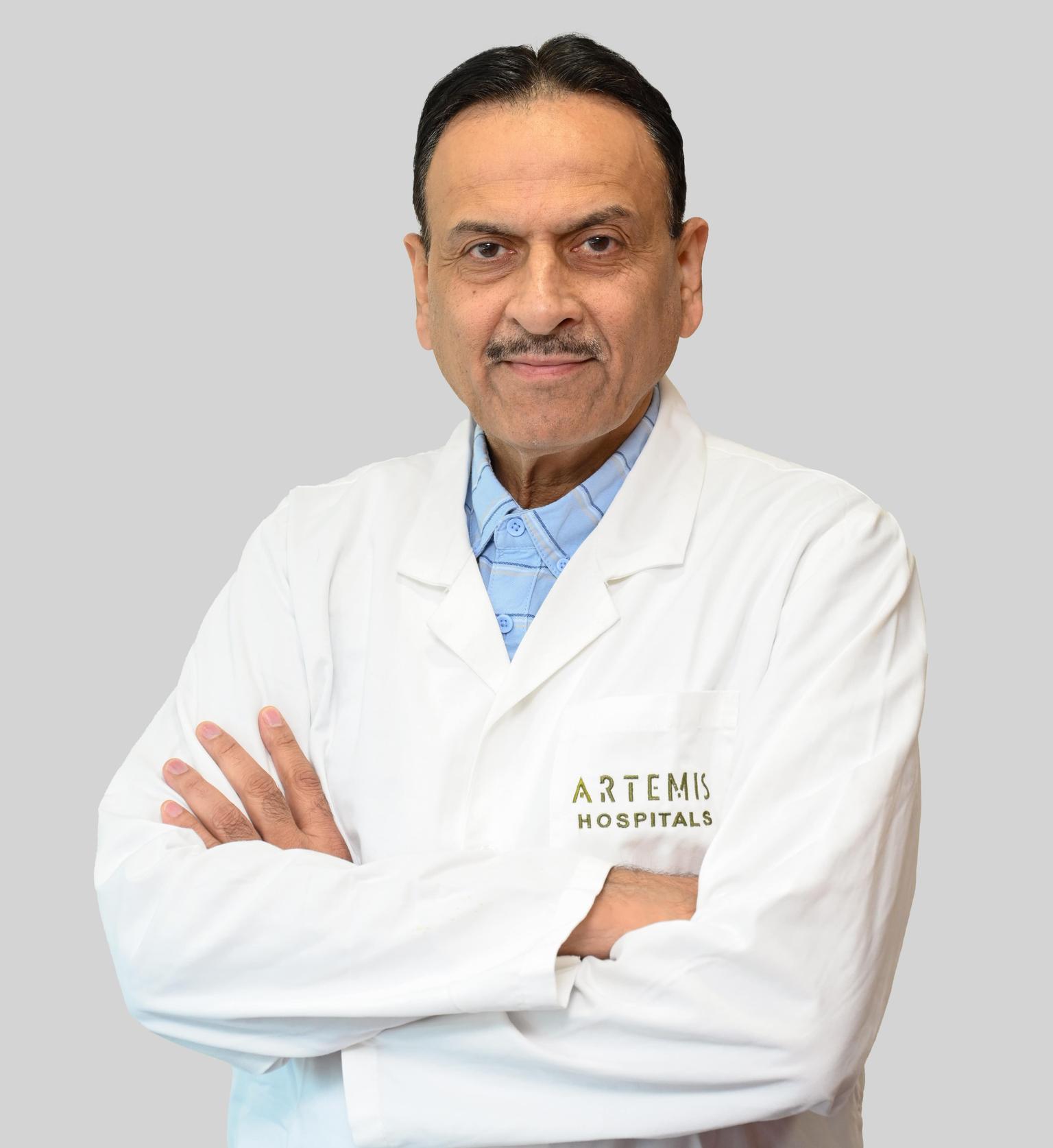
Dr. D.K. Jhamb
Chief Cardiology (Unit IV)
Cardiology
New Delhi
30+ Years
Experience
Artemis Hospital
Hospital
1500
Fees
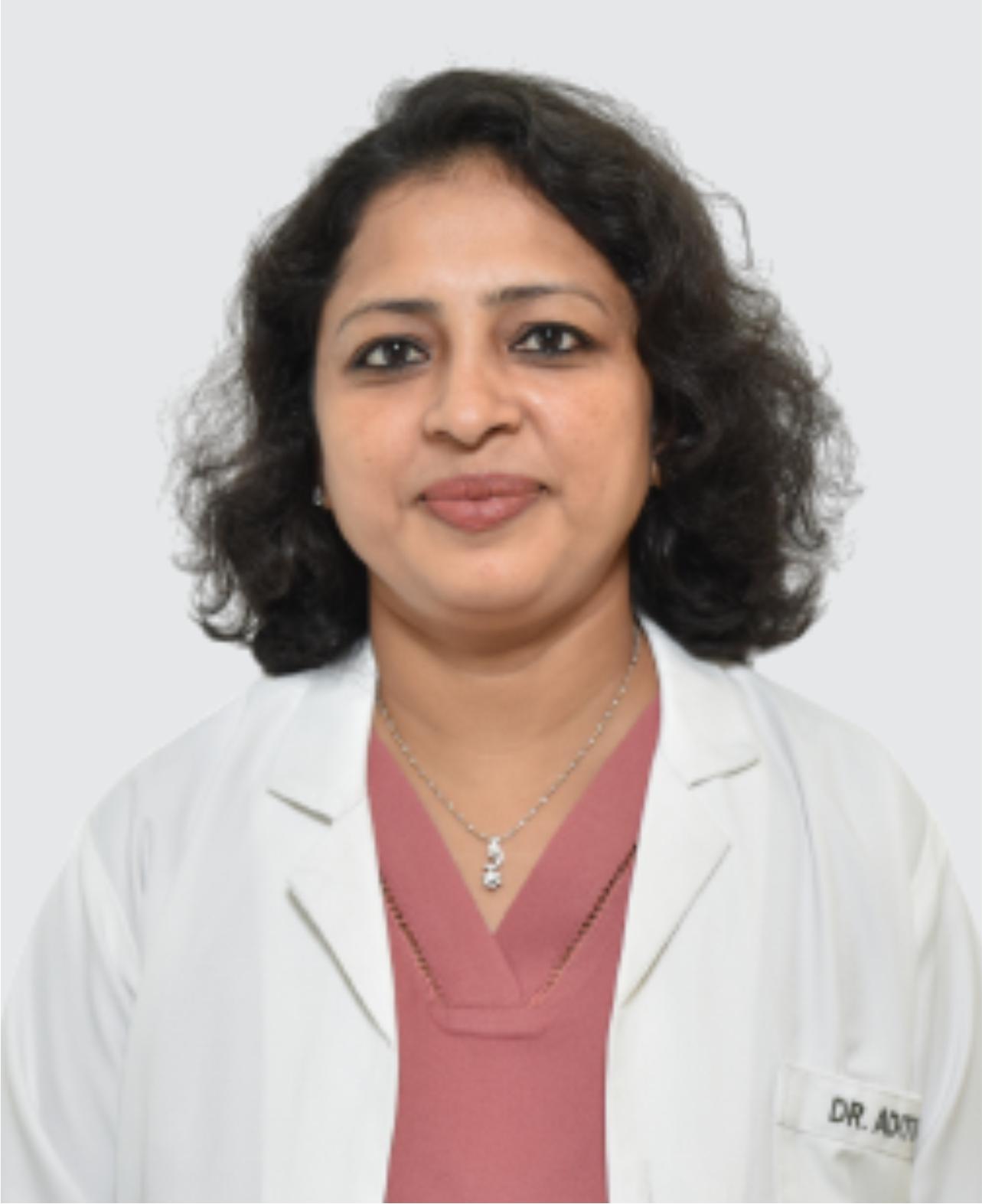
Dr Aditi Dixit
Sr. Consultant – Women Imaging
Radiology
New Delhi
15+ Years
Experience
Artemis Hospital
Hospital
1500
Fees
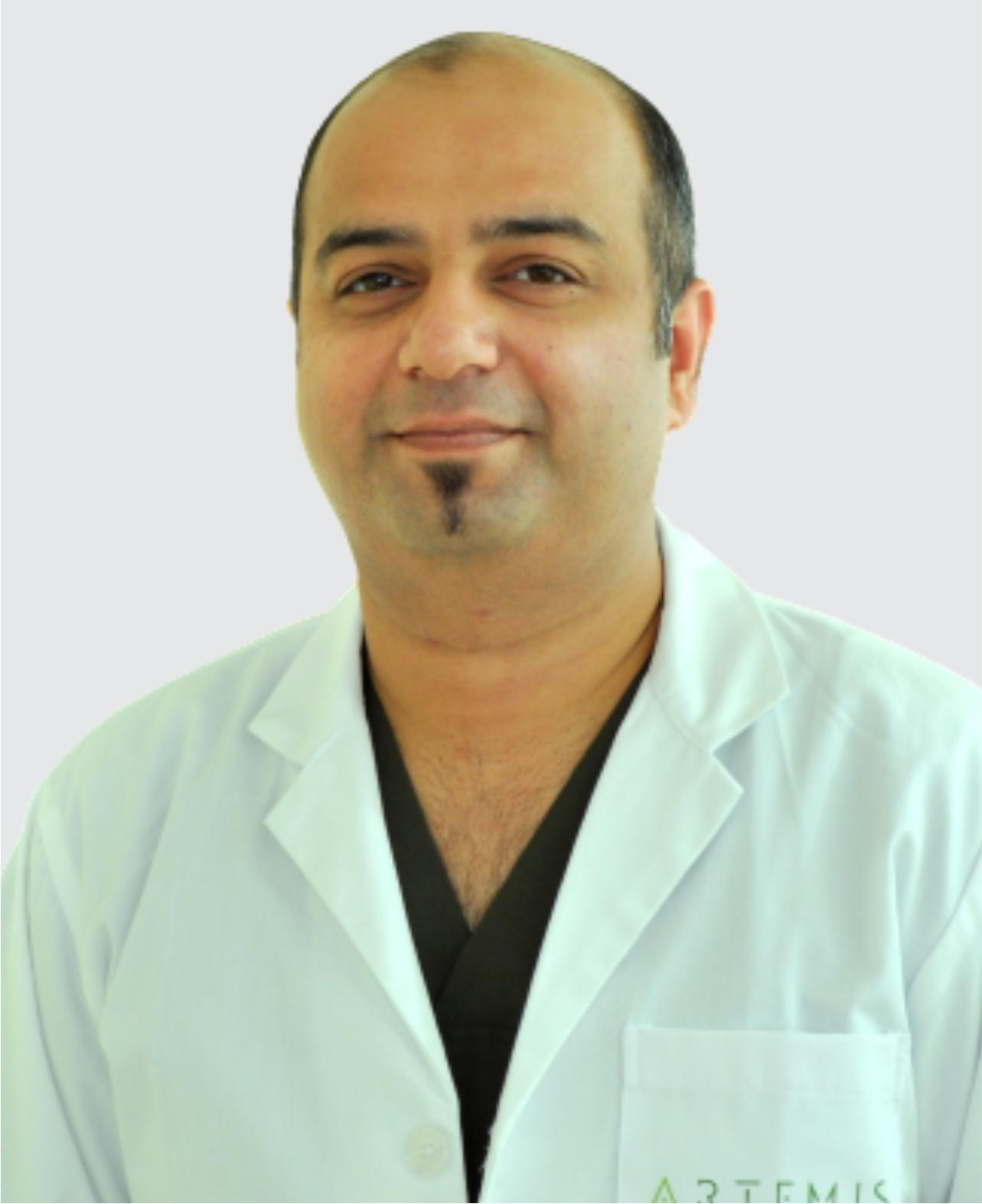
Dr Amit Jassal
Principal Consultant - Anaesthesia
Anaesthesia
New Delhi
15+ Years
Experience
Artemis Hospital
Hospital
1500
Fees
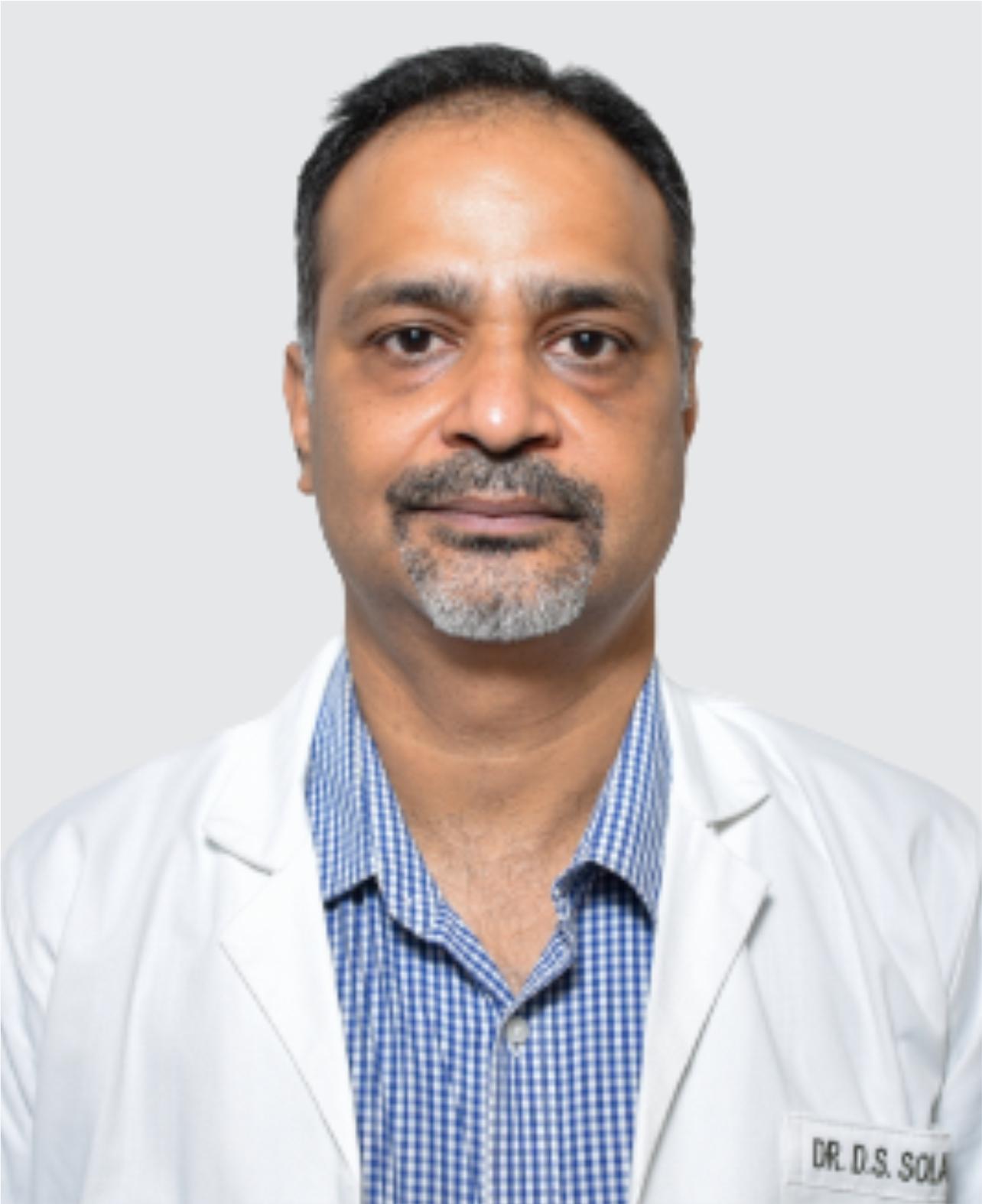
Dr. Devendra Singh Solanki
Head Unit I
Orthopaedic Surgery, Orthopaedics
New Delhi
15+ Years
Experience
Artemis Hospital
Hospital
1500
Fees

Dr Chandrima Misra M
Co-Head Psychological Services
Mental Health and Behavioural Sciences
New Delhi
15+ Years
Experience
Artemis Hospital
Hospital
1500
Fees
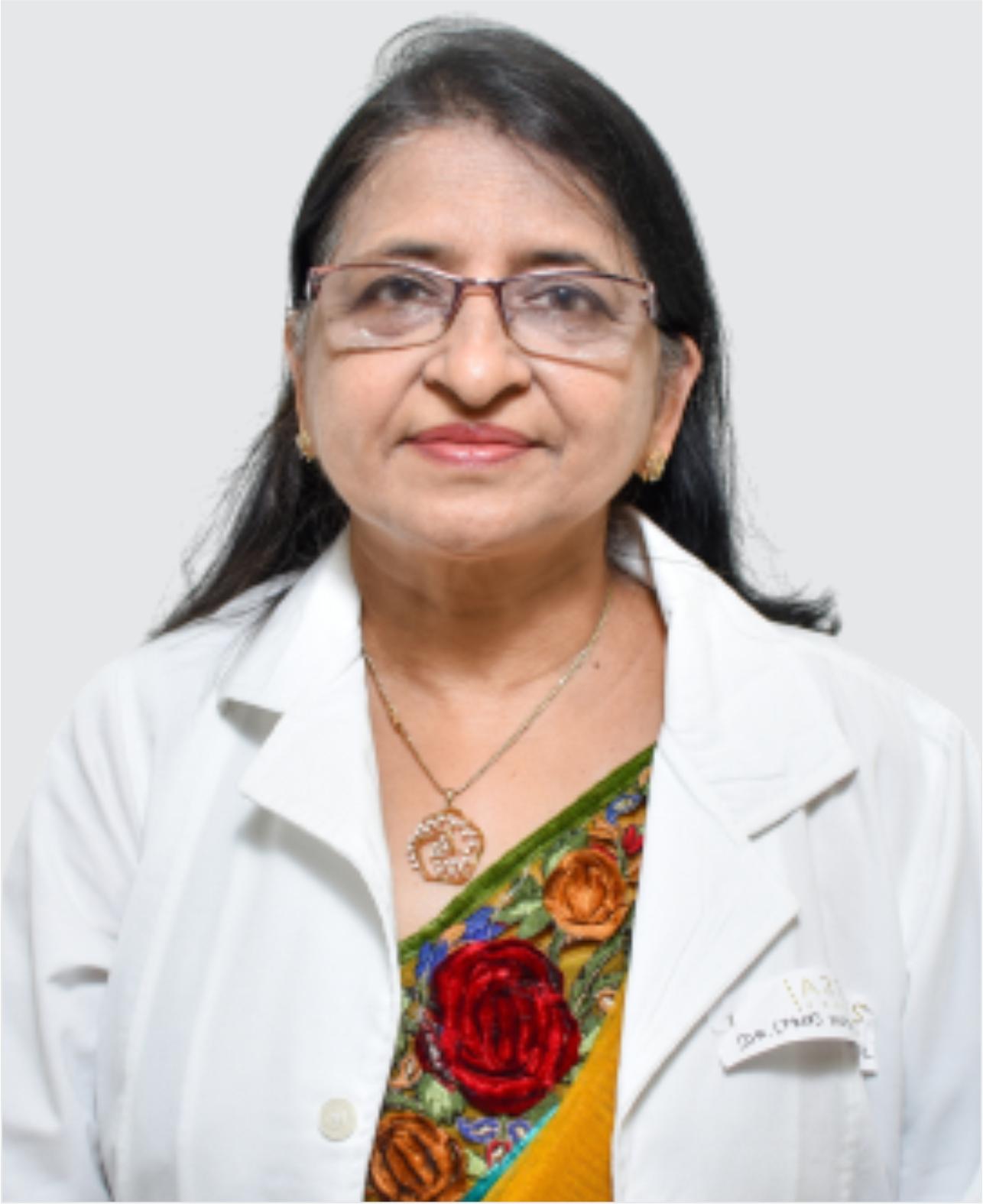
Dr. Nutan Agarwal
Head of Department - Gynae Endocrinology & DNB Program Director - Obs & Gynae
Gynaecological Endocrinology, Maternity, Obstetrics & Gynaecology
New Delhi
35+ Years
Experience
Artemis Hospital
Hospital
1500
Fees
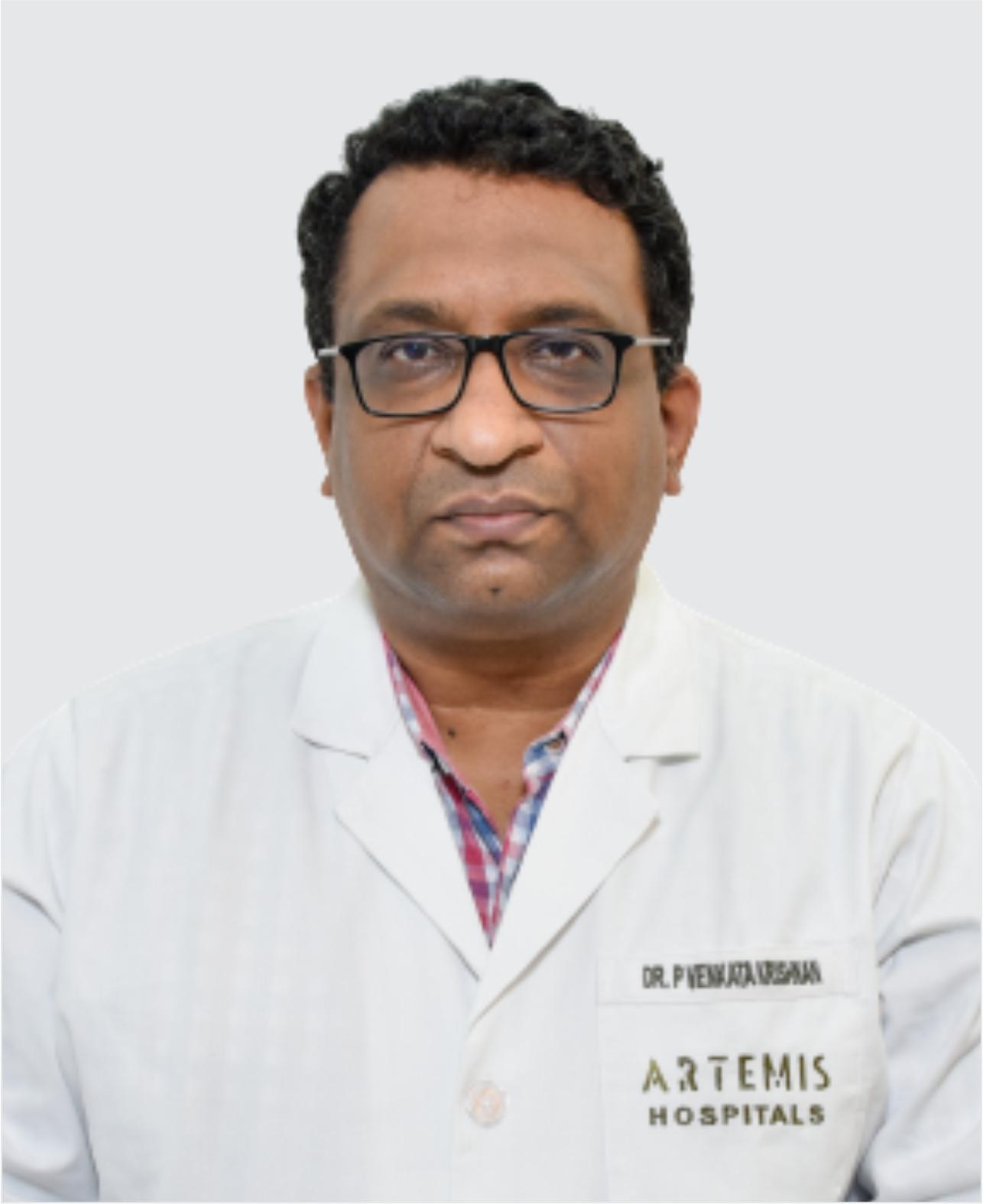
Dr. P. Venkata Krishnan
Sr. Consultant
Internal Medicine
New Delhi
12+ Years
Experience
Artemis Hospital
Hospital
1500
Fees

Dr. Poonam Gautam
Senior Consultant - ENT
ENT and Head & Neck Surgery
New Delhi
24+ Years
Experience
Artemis Hospital
Hospital
1500
Fees
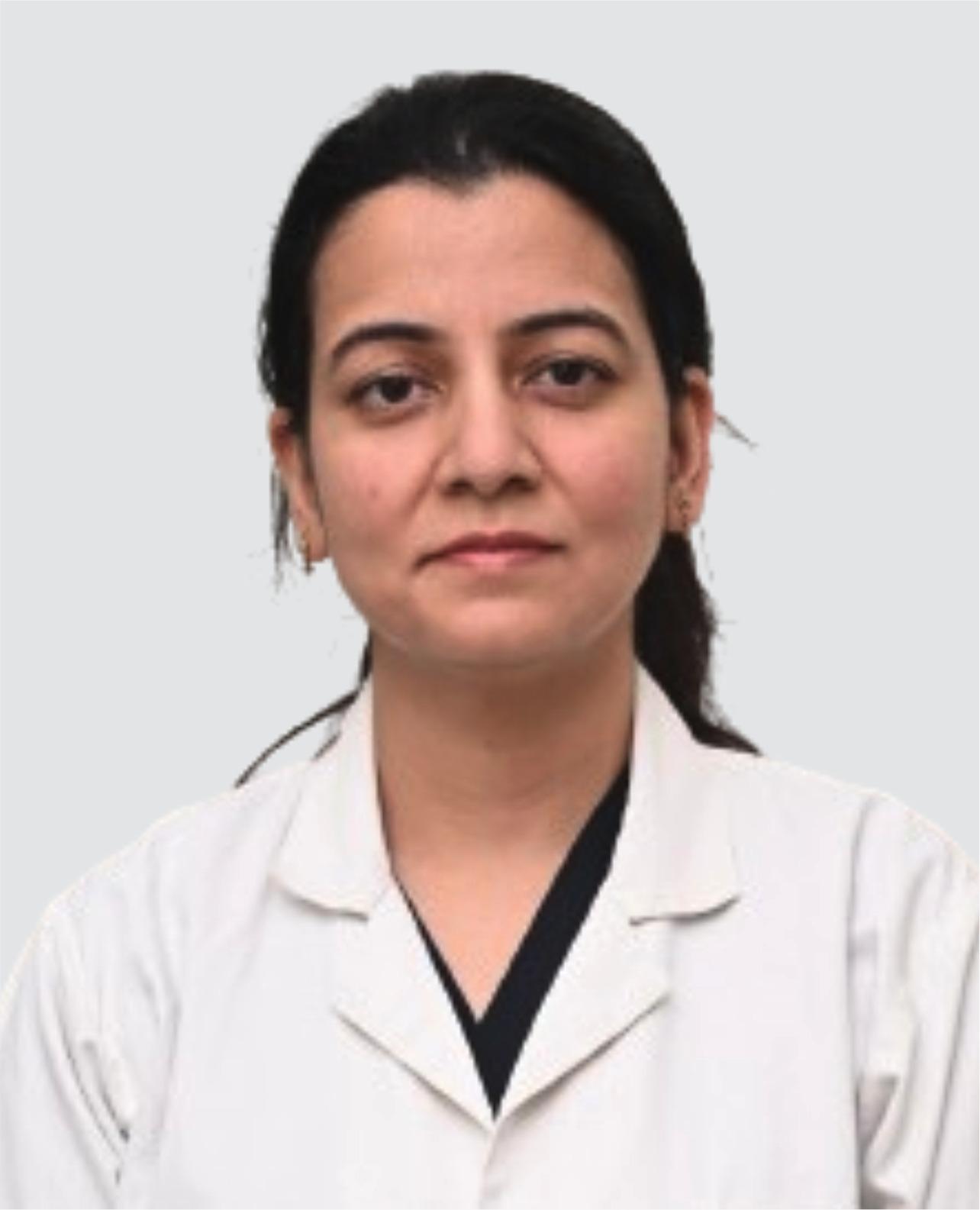
Dr. Priyanka Raina
Consultant (Head & Neck Surgery) - Surgical Oncology
Head and Neck Surgical Oncology
New Delhi
10+ Years
Experience
Artemis Hospital
Hospital
1500
Fees
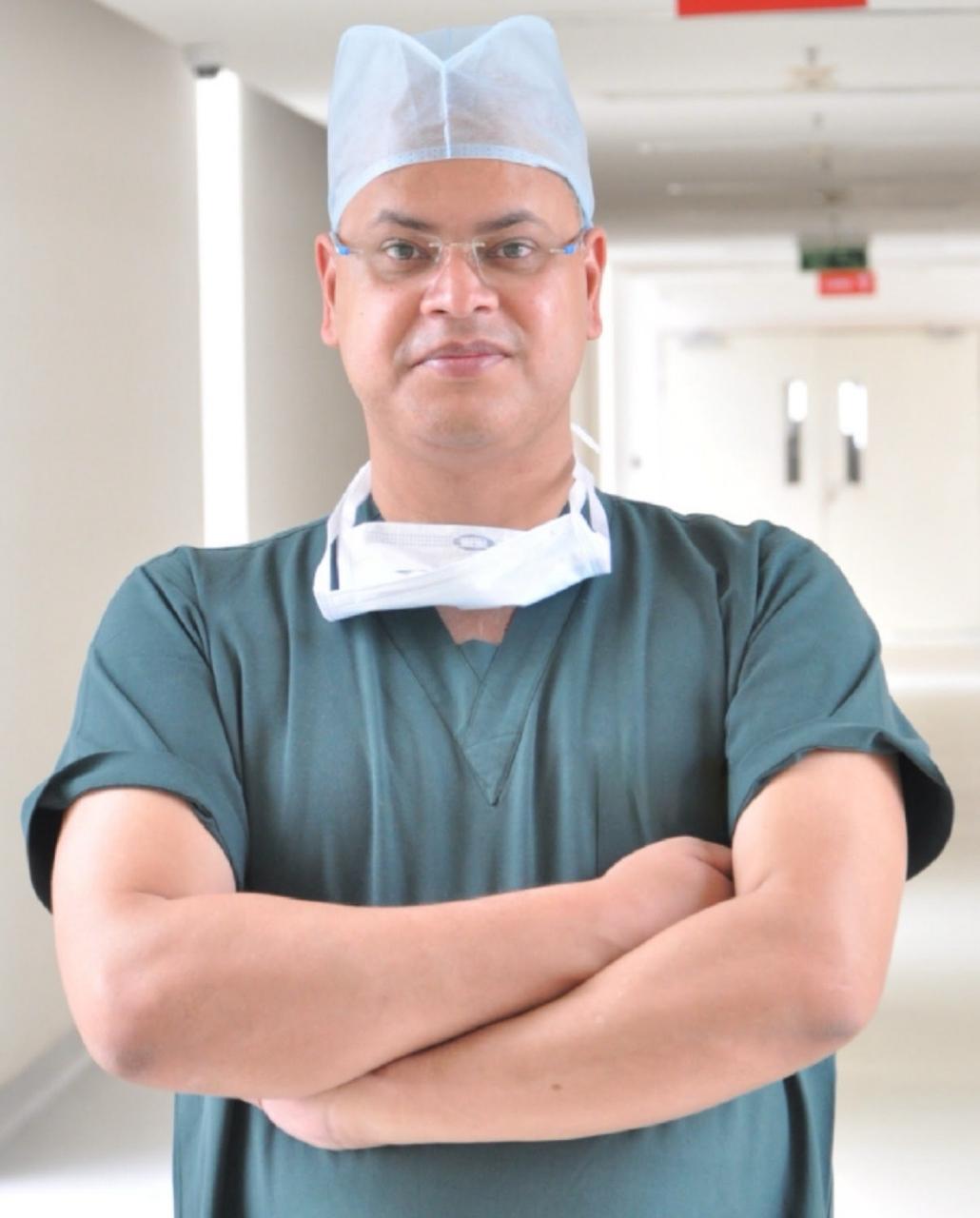
Dr. Ramkinkar Jha
Chief and Unit Head - Orthopaedics (Unit III)
Orthopaedic Surgery, Orthopaedics, Robotic Surgery
New Delhi
20+ Years
Experience
Artemis Hospital
Hospital
1500
Fees
Related Links
Other Treatment related Information
- Cardiac Ablation for Arrhythmias cost in Mumbai
- Cardiac Ablation for Arrhythmias cost in Pune
- Cardiac Ablation for Arrhythmias cost in New Delhi
- Cardiac Ablation for Arrhythmias cost in Hyderabad
- Cardiac Ablation for Arrhythmias cost in Chennai
- Cardiac Ablation for Arrhythmias cost in Bengaluru
- Cardiac Ablation for Arrhythmias cost in India
- Cardiac Ablation for Arrhythmias cost in Haryana
- Cardiac Ablation for Arrhythmias Success Rate in Hyderabad
- Cardiac Ablation for Arrhythmias Success Rate in New Delhi
- Cardiac Ablation for Arrhythmias Success Rate in Pune
- Cardiac Ablation for Arrhythmias Success Rate in India
- Cardiac Ablation for Arrhythmias Success Rate in Mumbai
- Cardiac Ablation for Arrhythmias Success Rate in Chennai
- Cardiac Ablation for Arrhythmias Success Rate in Haryana
- Cardiac Ablation for Arrhythmias Success Rate in Bengaluru
- Best Cardiac Ablation for Arrhythmias Doctors in Chennai
- Best Cardiac Ablation for Arrhythmias Doctors in India
- Best Cardiac Ablation for Arrhythmias Doctors in Mumbai
- Best Cardiac Ablation for Arrhythmias Doctors in Bengaluru
Ready To Start Your Healing Journey?
Get Personalized Medical Treatment Options From India's Top Hospitals. Our Medical Experts Are Ready To Assist You Every Step Of The Way.