Cardiac Ablation for Arrhythmias Treatment in Pune for Bangladesh
Need Personalized Advice?
Our medical experts are ready to answer your questions and guide you through your treatment options.
About
Cardiac Ablation for Arrhythmias in Pune for Bangladesh Patients
Patients from Bangladesh seeking specialized care for heart rhythm disorders often face uncertainty regarding treatment options abroad. Concerns about navigating a new healthcare system, understanding medical procedures, and ensuring continuity of care are natural. Finding a reliable medical destination that prioritizes patient well-being is a key consideration for many.
Many international patients, including those from Bangladesh, choose Pune for their medical needs due to its established healthcare infrastructure. The city offers a welcoming environment and advanced medical facilities. Patients often select Pune for the quality of care and the ease of coordination during their treatment journey.
Trust in Pune's hospitals and specialists for cardiac ablation procedures is well-founded. The city hosts several JCI and NABH accredited hospitals equipped with modern technology. These facilities are staffed by experienced cardiologists and electrophysiologists. This ensures patients receive expert opinions and comprehensive care throughout their stay.
Pune provides focused medical care for cardiac arrhythmias, ensuring a smooth patient experience.
What is Cardiac Ablation for Arrhythmias?
Cardiac ablation is a medical procedure used to correct irregular heartbeats, known as arrhythmias. During an arrhythmia, the heart may beat too fast, too slow, or with an irregular rhythm. This occurs when electrical signals in the heart malfunction. Cardiac ablation works by carefully creating small scars on the heart tissue. These scars block the abnormal electrical signals that cause the arrhythmia, helping the heart return to a normal rhythm. It is a minimally invasive procedure often performed by an electrophysiologist, a heart rhythm specialist.
Types of Cardiac Ablation Procedures
There are several approaches to performing cardiac ablation, depending on the specific type of arrhythmia and its location:
- Radiofrequency (RF) Ablation: Uses heat energy to destroy the targeted heart tissue causing the arrhythmia.
- Cryoablation: Uses extreme cold to freeze and destroy the abnormal tissue responsible for the irregular heart rhythm.
- Laser Ablation: Employs laser energy delivered through a catheter to create lesions that block faulty electrical signals.
- Catheter Ablation: A general term for procedures using flexible tubes (catheters) inserted through blood vessels to reach the heart.
- Surgical Ablation (Maze Procedure): Performed during open-heart surgery, often for complex or persistent arrhythmias, by creating a pattern of scar tissue.
When is Cardiac Ablation Required?
- Persistent atrial fibrillation (AFib) that does not respond to medication.
- Frequent episodes of symptomatic paroxysmal AFib.
- Supraventricular tachycardia (SVT) causing significant symptoms.
- Ventricular tachycardia (VT) in certain clinical situations.
- Wolff-Parkinson-White (WPW) syndrome causing rapid heart rates.
- Symptoms like palpitations, dizziness, shortness of breath, or chest pain due to arrhythmia.
- When medications are not tolerated or ineffective in controlling heart rhythm disorders.
Pre-Treatment Evaluation for Cardiac Ablation
- Thorough medical history and physical examination.
- Electrocardiogram (ECG) to record the heart's electrical activity.
- Holter monitor or event recorder to track heart rhythms over time.
- Echocardiogram to visualize heart structure and function.
- Cardiac MRI or CT scan for detailed imaging of the heart.
- Blood tests including complete blood count, kidney, and thyroid function.
- Electrophysiology (EP) study to map the heart's electrical pathways and pinpoint arrhythmia source.
How the Cardiac Ablation Procedure is Performed
The cardiac ablation procedure varies based on the type of arrhythmia and the chosen ablation method. Generally, it involves accessing the heart through blood vessels.
Catheter Ablation Overview
The procedure typically begins with the patient receiving a local anesthetic and mild sedation, or sometimes general anesthesia. A small incision is made, usually in the groin, to access a blood vessel. Thin, flexible tubes called catheters are then guided through these vessels to the heart. Advanced imaging techniques, such as fluoroscopy or 3D mapping systems, help the electrophysiologist navigate the catheters precisely to the areas causing the abnormal rhythm.
Mapping and Ablation
Once the catheters are in place, an electrophysiology (EP) study is performed. This involves sending tiny electrical impulses through the catheters to provoke and map the abnormal electrical pathways. After identifying the source of the arrhythmia, the specialized ablation catheter delivers energy (either heat or cold) to create small, precise scars. These scars block the faulty electrical signals, effectively isolating the problem area and allowing the heart's normal rhythm to resume. The procedure can take several hours depending on the complexity of the arrhythmia.
Post-Procedure Steps
After the ablation is complete, the catheters are carefully removed. Pressure is applied to the insertion site to prevent bleeding. The patient is then monitored closely in a recovery area. Most patients remain in the hospital overnight for observation before being discharged.
Cardiac Ablation Recovery Process
Recovery from cardiac ablation typically involves rest and avoiding strenuous activities for a few days to a week. Patients may experience some soreness or bruising at the catheter insertion site. Mild chest discomfort or palpitations can also occur, which usually resolve. It is crucial to follow all post-procedure instructions, including medication regimens and activity restrictions. Follow-up appointments with the cardiologist are essential to monitor heart rhythm and ensure the success of the ablation. Full recovery and stabilization of heart rhythm can take several weeks to a few months.
Risks and Success Rates of Cardiac Ablation
- Minor bleeding or bruising at the catheter insertion site.
- Perforation of the heart muscle or blood vessels (rare).
- Formation of blood clots, potentially leading to stroke (very rare).
- Damage to the esophagus or nerves near the heart.
- Development of new arrhythmias or worsening of existing ones.
- Need for a pacemaker if the heart's natural pacemaker is affected.
- Fluid buildup around the heart (cardiac tamponade).
The success rate for cardiac ablation varies significantly depending on the type of arrhythmia being treated, its duration, and the patient's overall health. For common conditions like supraventricular tachycardia, success rates can be very high, often above 90%. For atrial fibrillation, particularly persistent forms, initial success rates range from 60% to 80%, with some patients requiring a second procedure for sustained results. Outcomes are also influenced by the expertise of the medical team and the technology used. Long-term expectations often include improved quality of life and reduced reliance on antiarrhythmic medications.
Considering Cardiac Ablation? Connect with Pune's top heart specialists today.
Cost of Cardiac Ablation for Arrhythmias in Pune
The cost of cardiac ablation in Pune is influenced by several factors. These include the specific type of ablation procedure performed, the complexity of the arrhythmia, the choice of hospital facility, and the experience level of the cardiologist. The duration of hospital stay, pre-procedure diagnostics, and post-operative care also contribute to the final expense.
In Pune, Cardiac Ablation for Arrhythmias can range from approximately INR 2,50,000 to INR 6,00,000.
Pune Cardiac Ablation Cost Comparison
Pune offers highly competitive pricing for advanced cardiac procedures compared to many Western countries, without compromising on quality or outcomes.
| Location | Approximate Cost (USD) |
|---|---|
| Pune, India | $3,000 - $7,500 |
| United States | $30,000 - $60,000 |
| United Kingdom | $20,000 - $45,000 |
| Singapore | $15,000 - $30,000 |
Comprehensive Support Services for Your Medical Journey in Pune
- Assistance with medical visa applications and necessary travel documents.
- Coordination of hospital appointments and specialist consultations.
- Language interpretation services to ensure clear communication.
- Arrangements for comfortable accommodation during your stay in Pune.
- Guidance on local travel and transportation within the city.
- Facilitation of post-treatment follow-up and teleconsultations.
Essential Documents for Your Cardiac Ablation in Pune
- Valid passport and medical visa.
- Complete medical history, including previous diagnostic reports and prescriptions.
- Referral letters from your primary physician or cardiologist.
- Copies of all relevant cardiac test results (ECG, Holter, Echo, EP study).
- Proof of funds or insurance for medical expenses.
- A list of all current medications with dosages.
Preparing for Your Cardiac Ablation Procedure
- Discuss all current medications, including over-the-counter drugs and supplements, with your doctor.
- Follow fasting instructions provided by your medical team before the procedure.
- Arrange for someone to accompany you and assist with transport after discharge.
- Avoid alcohol and smoking for a specified period before the ablation.
- Inform your doctor about any allergies, especially to contrast dye or anesthesia.
- Pack comfortable clothing and personal items for your hospital stay.
Understanding Your Aftercare Instructions
- Adhere strictly to prescribed medications, including blood thinners, as advised.
- Keep the catheter insertion site clean and dry, monitoring for any signs of infection.
- Gradually resume physical activities as directed by your cardiologist.
- Attend all scheduled follow-up appointments to track your recovery and heart rhythm.
- Stay hydrated and maintain a healthy diet to support healing.
- Report any unusual symptoms such as severe pain, fever, or significant bleeding immediately.
Take Your Next Step Toward Better Health
Pune's medical facilities offer a compassionate and effective path to managing cardiac arrhythmias through advanced ablation techniques.
Ready to explore your cardiac ablation options in Pune? Get a personalized treatment plan.
Hospitals Offering this treatment
India offers premium medical procedures at affordable prices. Discover our most popular treatments, delivered by the country's finest doctors.
Meet Our Doctors
Meet our team of highly qualified and experienced medical professionals dedicated to providing the best healthcare services.

Dr. D.K. Jhamb
Chief Cardiology (Unit IV)
Cardiology
New Delhi
30+ Years
Experience
Artemis Hospital
Hospital
1500
Fees
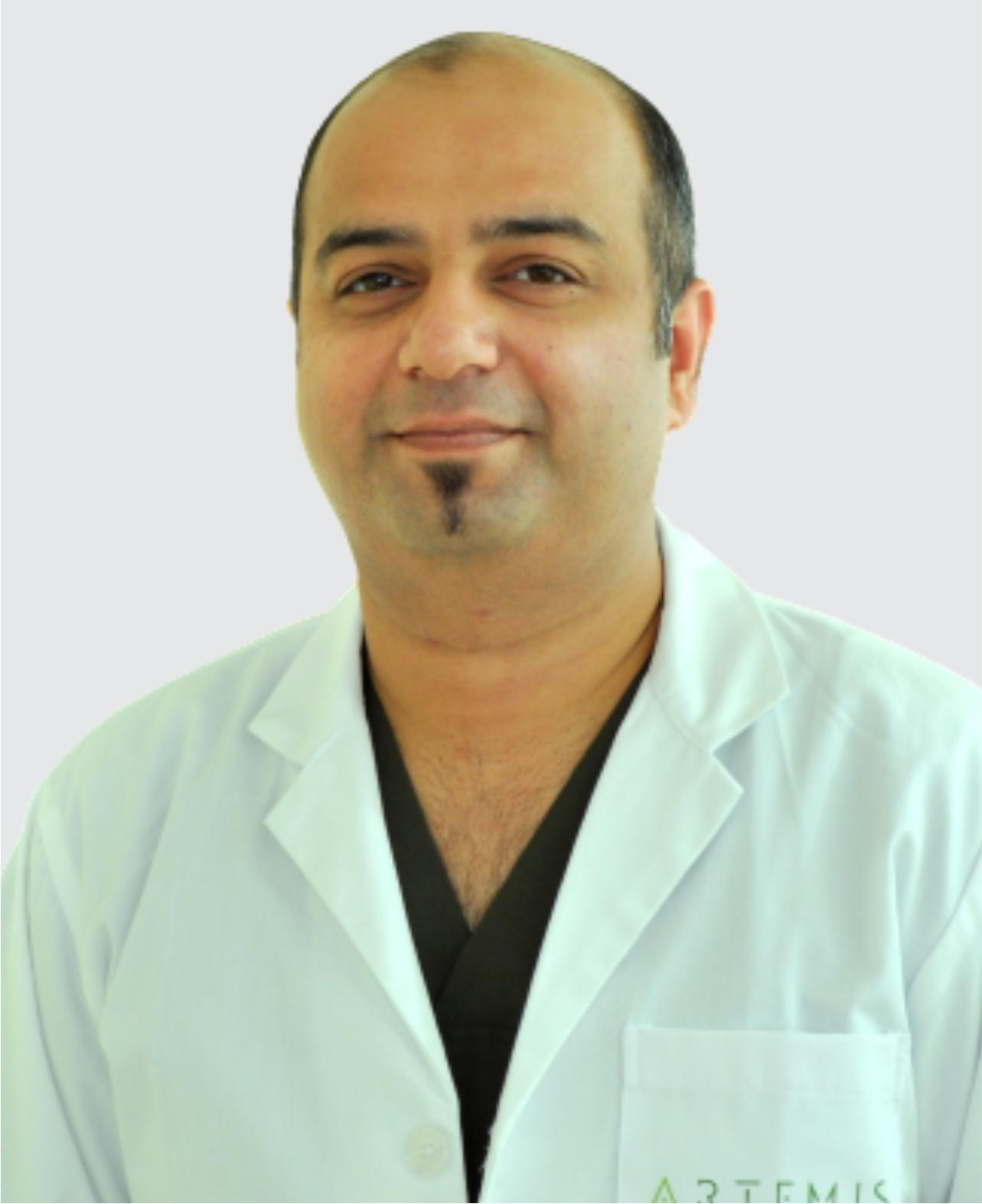
Dr Amit Jassal
Principal Consultant - Anaesthesia
Anaesthesia
New Delhi
15+ Years
Experience
Artemis Hospital
Hospital
1500
Fees

Dr. Devendra Singh Solanki
Head Unit I
Orthopaedic Surgery, Orthopaedics
New Delhi
15+ Years
Experience
Artemis Hospital
Hospital
1500
Fees
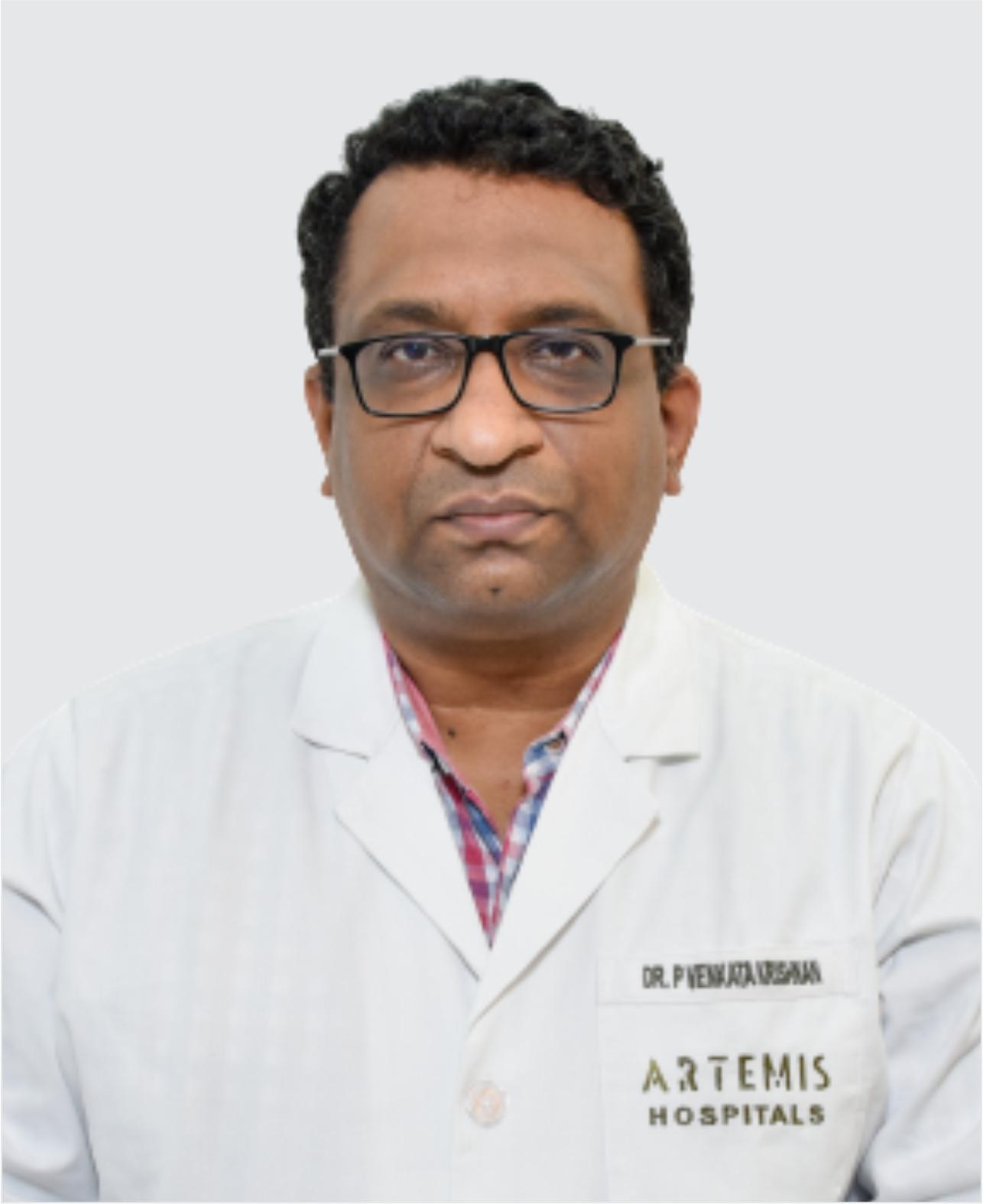
Dr. P. Venkata Krishnan
Sr. Consultant
Internal Medicine
New Delhi
12+ Years
Experience
Artemis Hospital
Hospital
1500
Fees
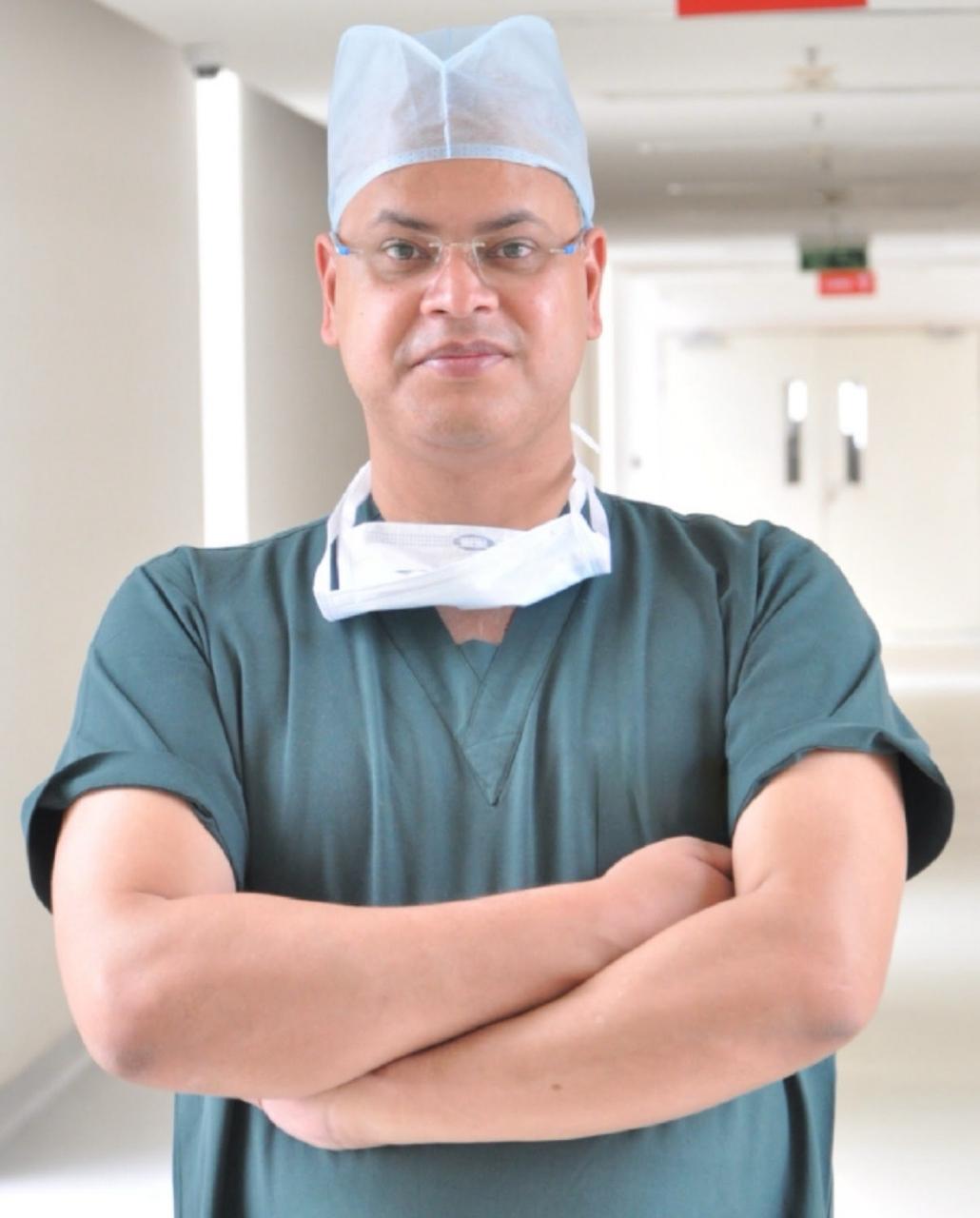
Dr. Ramkinkar Jha
Chief and Unit Head - Orthopaedics (Unit III)
Orthopaedic Surgery, Orthopaedics, Robotic Surgery
New Delhi
20+ Years
Experience
Artemis Hospital
Hospital
1500
Fees
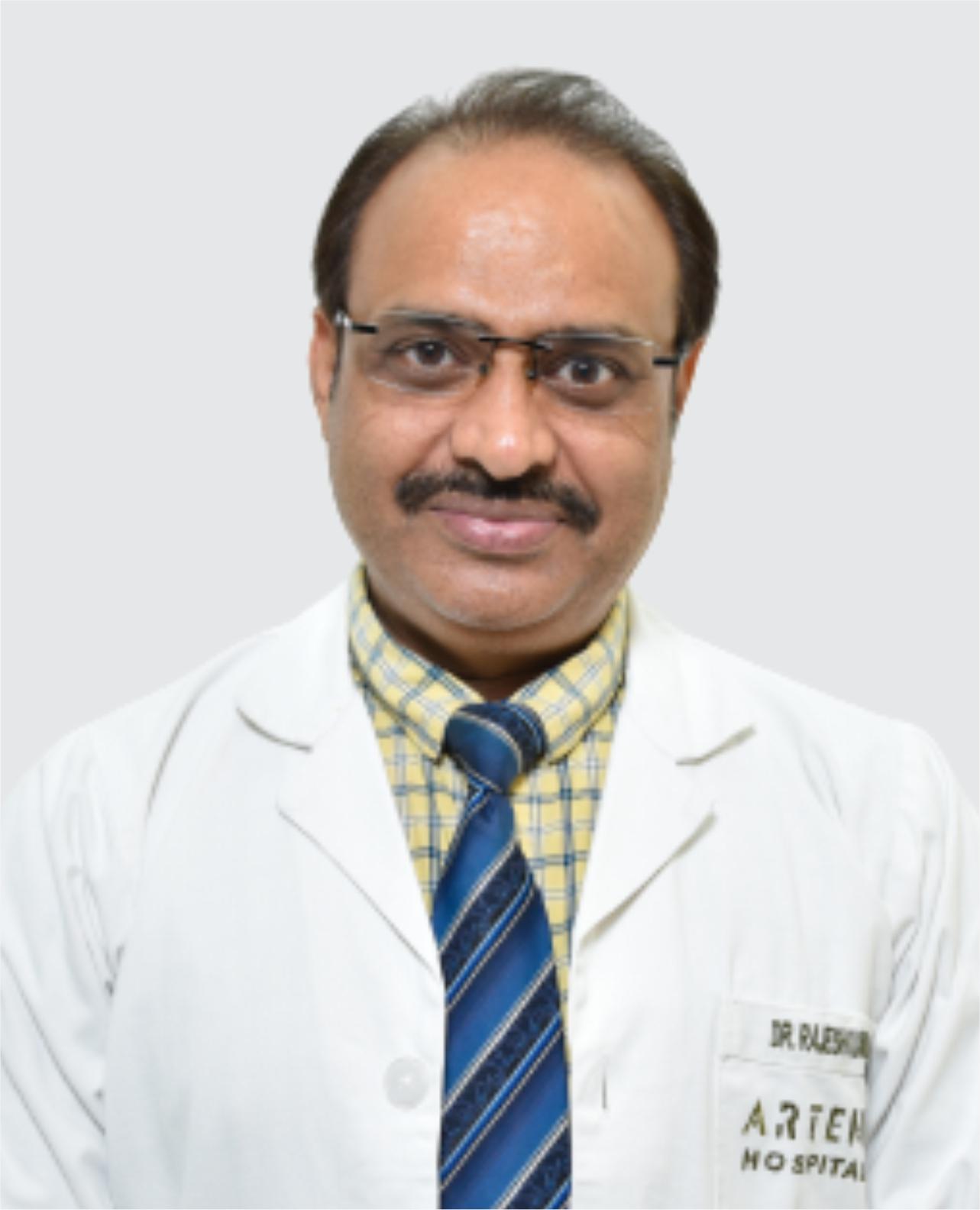
Dr. Biswajyoti Hazarika
Chief - Head & Neck Surgery
Oncology
New Delhi
20+ Years
Experience
Artemis Hospital
Hospital
1500
Fees

Dr. Yatin Kukreja
Director
Cardiology
New Delhi
14+ Years
Experience
Artemis Hospital
Hospital
1500
Fees

Dr Sujoy Bhattacharjee
Director & HOD – Robotic Joint Replacement Surgery, Max Healthcare
Orthopaedics
New Delhi
23+ Years
Experience
Max Hospital,Gurgaon
Hospital
1500
Fees
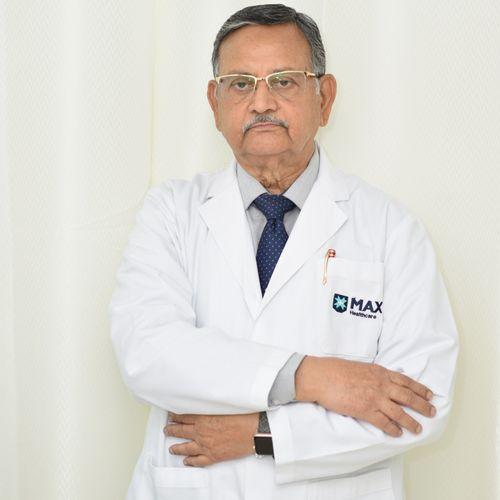
Dr. Mazhar Husain
Chairman & Chief Neurosurgeon
Neurosurgery
New Delhi
51+ Years
Experience
Max Hospital,Gurgaon
Hospital
1500
Fees

Dr. Bhushan Nariani
Chairman - Orthopaedics (Joint Diseases & Joint Replacement)
Orthopaedics, Joint Replacement, Robotic Surgery
New Delhi
25+ Years
Experience
Max Hospital,Gurgaon
Hospital
1500
Fees
Related Links
Other Treatment related Information
- Cardiac Ablation for Arrhythmias cost in Mumbai
- Cardiac Ablation for Arrhythmias cost in Pune
- Cardiac Ablation for Arrhythmias cost in New Delhi
- Cardiac Ablation for Arrhythmias cost in Hyderabad
- Cardiac Ablation for Arrhythmias cost in Chennai
- Cardiac Ablation for Arrhythmias cost in Bengaluru
- Cardiac Ablation for Arrhythmias cost in India
- Cardiac Ablation for Arrhythmias cost in Haryana
- Cardiac Ablation for Arrhythmias Success Rate in Hyderabad
- Cardiac Ablation for Arrhythmias Success Rate in New Delhi
- Cardiac Ablation for Arrhythmias Success Rate in Pune
- Cardiac Ablation for Arrhythmias Success Rate in India
- Cardiac Ablation for Arrhythmias Success Rate in Mumbai
- Cardiac Ablation for Arrhythmias Success Rate in Chennai
- Cardiac Ablation for Arrhythmias Success Rate in Haryana
- Cardiac Ablation for Arrhythmias Success Rate in Bengaluru
- Best Cardiac Ablation for Arrhythmias Doctors in Chennai
- Best Cardiac Ablation for Arrhythmias Doctors in India
- Best Cardiac Ablation for Arrhythmias Doctors in Mumbai
- Best Cardiac Ablation for Arrhythmias Doctors in Bengaluru
Ready To Start Your Healing Journey?
Get Personalized Medical Treatment Options From India's Top Hospitals. Our Medical Experts Are Ready To Assist You Every Step Of The Way.