

Cardiac Care Treatment in Pune for Nigeria
Access high-quality treatment through JCI & NABH-accredited hospitals, renowned specialists, and end-to-end medical travel support designed around your healing journey.
Plan My Journey
Tell us your condition and budget - our AI matches the right destination, hospital and doctor and visa pathway
Cost calculator
I know my treatment - show me cost from 3 hospitals
5K+ International Patients Treated
40+ Source Countries Served
500+ Accredited Partner Hospitals
98% Patient Satisfaction
80% Average Savings vs USA
10K+ Doctors
NABH, JCI Accredited Hospitals
Free Treatment Plan
Free Consultation with Doctor
5+ Destinations Covered

Written by DivinHeal Editorial Contributor, DivinHeal Medical Team, Healthcare Advisory Team Published on: February 19, 2026
About
Cardiac Care in Pune for Nigeria Patients | Costs & Hospitals
Patients from Nigeria seeking specialized cardiac care often face concerns about treatment quality, affordability, and navigating medical systems abroad. Understanding the options for heart health solutions outside their home country can feel overwhelming, especially when managing a critical condition.
Many international patients, including those from Nigeria, increasingly look to Pune for advanced medical services. The city offers a robust healthcare infrastructure, providing a focused environment where patients can access high-quality cardiac care without the complexities of larger, busier metropolitan areas.
Pune's medical community has established itself with reputable hospitals and experienced cardiac specialists. The city's healthcare ecosystem supports international patients with coordinated care pathways, ensuring ease of follow-up appointments and comprehensive medical attention throughout their stay.
Pune provides reliable and expert cardiac care options for international patients.
What is Cardiac Care?
Cardiac care refers to a broad spectrum of medical services focused on diagnosing, treating, and preventing conditions affecting the heart and blood vessels. This field encompasses everything from managing common heart rhythm disorders to performing complex surgeries for structural heart defects. It aims to restore heart function, alleviate symptoms, improve quality of life, and extend longevity for individuals with cardiovascular diseases. Modern cardiac care utilizes advanced diagnostic tools and personalized treatment plans, often involving a multidisciplinary team of specialists to address the unique needs of each patient.
What Are the Types of Cardiac Care Available?
Diagnostic Cardiac Care: This includes tests like ECG, echocardiography, stress tests, Holter monitoring, CT angiography, and cardiac MRI to accurately identify heart conditions.
Medical Management: Involves prescribing medications to control blood pressure, cholesterol, blood sugar, and manage conditions like heart failure, arrhythmias, or coronary artery disease.
Interventional Cardiology: Procedures such as angioplasty and stenting, valvuloplasty, and device implantations for arrhythmias (pacemakers, ICDs) are performed without open surgery.
Cardiac Surgery: Open-heart procedures like Coronary Artery Bypass Grafting (CABG), valve repair or replacement, aneurysm repair, and heart transplant are performed for severe conditions.
Electrophysiology: Specializes in diagnosing and treating heart rhythm disorders (arrhythmias) through procedures like ablation and device implantation.
Cardiac Rehabilitation: A supervised program involving exercise training, education on heart-healthy living, and counseling to help patients recover after a cardiac event or surgery.
When is Cardiac Care Necessary?
- Persistent chest pain or discomfort (angina)
- Shortness of breath, especially with exertion or at rest
- Palpitations or irregular heartbeats
- Swelling in the legs, ankles, or feet
- Dizziness, lightheadedness, or fainting spells
- Unexplained fatigue or weakness
- High blood pressure (hypertension) that is uncontrolled
- High cholesterol levels requiring intervention
- Family history of heart disease at an early age
- Diagnosis of coronary artery disease, heart failure, or valvular disease
What Pre-Treatment Evaluations Are Needed?
- Comprehensive medical history review and physical examination.
- Blood tests including complete blood count, kidney function, liver function, electrolytes, lipid profile, and blood sugar.
- Electrocardiogram (ECG) to assess heart's electrical activity.
- Echocardiogram (Echo) to visualize heart structure and function.
- Stress test (Treadmill Test or Dobutamine Stress Echo) to evaluate heart performance under stress.
- Chest X-ray to check heart and lung condition.
- Cardiac CT scan or MRI for detailed imaging, if required.
- Coronary angiogram to assess blockages in heart arteries, if indicated.
How is Cardiac Care Performed?
The specific approach to cardiac care depends entirely on the patient's diagnosed condition, its severity, and the overall treatment plan recommended by the cardiac specialists.
Medical Management: For many conditions, treatment begins with lifestyle modifications and medication. This can involve drugs to manage blood pressure, reduce cholesterol, control arrhythmias, or strengthen heart function. Regular monitoring and dosage adjustments are key components of this approach.
Interventional Procedures: These are minimally invasive techniques often performed in a cardiac catheterization lab. For instance, angioplasty involves inserting a catheter with a balloon to open narrowed arteries, often followed by placing a stent to keep the artery open. Other procedures include closing holes in the heart or repairing valves using catheters.
Surgical Interventions: When conditions are severe or cannot be addressed through less invasive methods, open-heart surgery may be necessary. Coronary Artery Bypass Grafting (CABG) is a common surgery where healthy blood vessels are used to bypass blocked coronary arteries. Valve replacement or repair surgeries correct malfunctioning heart valves, while aneurysm repair addresses weakened arterial walls.
Electrophysiology Procedures: For complex rhythm disorders, procedures like cardiac ablation are performed. This involves using radiofrequency energy or cryotherapy to create small scars in heart tissue that block abnormal electrical signals. Pacemakers or implantable cardioverter-defibrillators (ICDs) may also be surgically implanted to regulate heart rhythm.
Rehabilitation: Following any significant cardiac event or procedure, cardiac rehabilitation is a crucial part of recovery. This structured program includes monitored exercise, nutritional guidance, stress management techniques, and education to help patients regain strength, improve heart health, and reduce the risk of future problems.
What Does Cardiac Care Recovery Involve?
Recovery from cardiac care varies significantly based on the type of intervention received. For medical management, recovery is ongoing, focusing on medication adherence and lifestyle changes. After interventional procedures like angioplasty, patients typically spend a day or two in the hospital and can resume light activities within a week, with full recovery taking a few weeks. Open-heart surgery requires a longer healing period, often involving a hospital stay of 5-7 days, followed by several weeks or months of restricted activities and dedicated cardiac rehabilitation. This rehabilitation helps patients gradually regain strength, improve cardiovascular fitness, and manage risk factors through guided exercise, nutritional counseling, and psychological support. Consistent follow-up appointments are essential to monitor progress and adjust treatment as needed.
What Are the Risks and Success Rates of Cardiac Care?
- Infection at the surgical site or catheter insertion point.
- Bleeding or blood clot formation, potentially leading to stroke or heart attack.
- Adverse reactions to anesthesia or medications.
- Heart rhythm disturbances (arrhythmias) post-procedure.
- Kidney dysfunction or failure in some cases.
- Damage to blood vessels or surrounding tissues.
- Risk of fluid buildup around the heart or lungs.
- Potential for repeat procedures or long-term complications.
The success rates for cardiac care procedures are generally high, though they vary depending on the specific condition, the patient's overall health, and the type of treatment. For instance, angioplasty and stenting boast success rates exceeding 95% in opening blocked arteries, significantly improving blood flow. Bypass surgery (CABG) also has high success rates in relieving angina and improving long-term survival for suitable candidates. However, outcomes are influenced by factors like age, presence of other medical conditions, and adherence to post-treatment guidelines. Long-term success also relies heavily on lifestyle modifications and consistent follow-up care to manage risk factors and prevent disease progression.
Ready to Explore Cardiac Care Options in Pune?
Connect with our patient support team today to receive personalized guidance and connect with leading cardiac specialists in Pune.
What is the Cost of Cardiac Care in Pune?
The cost of cardiac care in Pune can vary widely based on several factors. These include the specific type of cardiac condition, the complexity of the diagnosis and required treatment, the choice of hospital (private or corporate hospitals often have higher charges), the experience and reputation of the cardiac specialist, the technology used, and the duration of hospital stay or recovery care. Factors like pre-existing conditions and any necessary rehabilitation services also influence the overall expense.
For comprehensive cardiac care, which can range from diagnostic workups to complex surgeries, costs in Pune generally fall between INR 2,00,000 to INR 6,50,000 or more, depending on the procedure.
Comparing Cardiac Care Costs: Pune vs. Global Cities
Pune offers a compelling value proposition for cardiac care when compared to medical costs in many Western countries. This table illustrates an estimated cost comparison for common cardiac procedures:
| Cardiac Procedure | Estimated Cost in Pune (INR) | Estimated Cost in USA (USD) | Estimated Cost in UK (GBP) | Estimated Cost in Singapore (SGD) |
|---|---|---|---|---|
| Coronary Angiography | 30,000 - 60,000 | 4,000 - 8,000 | 3,000 - 6,000 | 4,500 - 9,000 |
| Angioplasty with Stent | 1,50,000 - 2,50,000 | 15,000 - 30,000 | 10,000 - 20,000 | 18,000 - 35,000 |
| CABG (Bypass Surgery) | 2,50,000 - 4,50,000 | 30,000 - 60,000 | 20,000 - 40,000 | 40,000 - 75,000 |
| Pacemaker Implantation | 1,80,000 - 3,50,000 | 20,000 - 45,000 | 15,000 - 30,000 | 25,000 - 50,000 |
| Heart Valve Replacement | 3,00,000 - 6,00,000 | 40,000 - 80,000 | 30,000 - 60,000 | 50,000 - 100,000 |
Support Services for Your Treatment Journey in Pune
- Assistance with medical visa applications and documentation.
- Arrangement of airport transfers and local transportation.
- Coordination of hospital admissions and specialist appointments.
- Language interpretation services to facilitate communication.
- Guidance on accommodation options for patients and accompanying family.
- Support for post-treatment follow-up and discharge planning.
Key Documents Needed Before You Travel for Treatment
- Valid passport with at least six months validity.
- Medical visa approval letter (if applicable for your nationality).
- Comprehensive medical reports, test results, and doctor's referrals.
- Recent health check-up results and immunization records.
- Copies of insurance documents or financial guarantee for treatment.
- Identification proof and contact details of emergency contacts.
Essential Steps to Prepare Before Your Arrival
- Consult with your local doctor to gather all necessary medical records.
- Ensure all required travel documents and visas are secured well in advance.
- Discuss your travel and accommodation plans with your patient coordinator.
- Inform your family and employer about your treatment schedule.
- Pack comfortable clothing and any personal items you might need.
- Follow any dietary or medication instructions provided by the Pune medical team.
Navigating Recovery and Follow-Up Care After Treatment
- Adhere strictly to all prescribed medications and dosage instructions.
- Attend all scheduled follow-up appointments with your cardiac specialist.
- Engage actively in any recommended cardiac rehabilitation program.
- Maintain a heart-healthy diet and incorporate regular, gentle exercise.
- Avoid strenuous activities and heavy lifting as advised by your doctor.
- Monitor for any unusual symptoms and report them immediately to your care team.
Start Your Journey to Better Heart Health Today
Reach out to us for a seamless and supportive experience in securing expert cardiac care in Pune.
Your Path to a Healthier Heart Begins Here
Pune offers a combination of advanced cardiac expertise and compassionate care, supporting patients from Nigeria through every step of their treatment journey.
Hospitals
NABH & JCI Accredited Hospitals in India,Turkey, Thailand & UAE.

Artemis Hospital
Sector 51, Gurugram, Haryana, India

Lokmanya Hospitals
Not Specified

White Lotus Hospital
766, SFS 3145, SFS Road, 7th Sector, HSR Layout, Bengaluru, Karnataka 560102, India
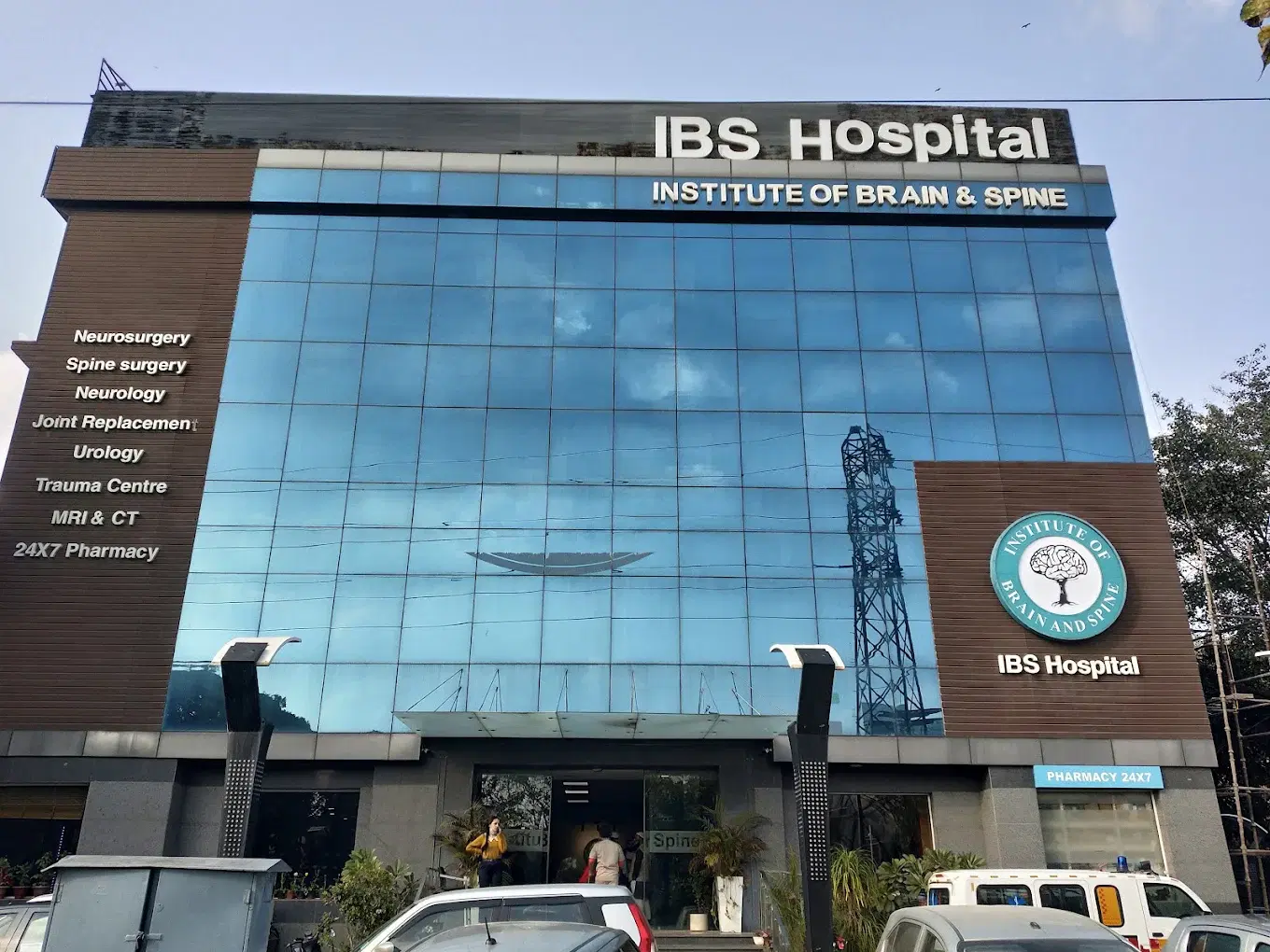
Institute of Brain and Spine (IBS Hospital)
Not Specified
Meet Our Medical Specialists




Sr. Consultant - Urology & Kidney Transplant Program (Unit I)
Dr. Abhinandan Mukhopadhyay
MBBS, MD
India

Sr. Consultant - Urology & Kidney Transplant Program (Unit I)
Dr. Abhinandan Mukhopadhyay
MBBS, MD
India
How DivinHeal Helps
We simplify your medical journey by providing comprehensive support and access to world-class healthcare.
Expert Specialist Matching
Connecting you with the world's top-rated medical experts.
Accredited Hospital Network
Access to JCI & NABH certified healthcare facilities.
Complete Travel Coordination
Hassle-free visa, stay, and local transport assistance.
24/7 Personal Care
Dedicated patient advisors supporting you at every step.
Journey Guidance
Full guidance from start to end of the patient treatment journey.
Expert Specialist Matching
Connecting you with the world's top-rated medical experts.
Everything you
need to know today
Browse through these common inquiries to better understand our patient-focused medical platform.
Yes, we work with a variety of insurance providers. Contact our team to verify your coverage.
Yes, we provide secure online consultations with experienced specialists.
Our care coordinators help match you with the most suitable specialist.
Absolutely. Your medical information is protected according to healthcare privacy standards.
Look at six things: accreditation (JCI or NABH), specialty depth, doctor credentials and experience, procedure-specific success rates, international patient support, and technology. DivinHeal's AI-driven matching evaluates every hospital in our accredited partner network on these dimensions and shortlists the best-fit options for your condition, budget, and country.
JCI (Joint Commission International) is the US-based global gold standard for hospital quality, recognised worldwide. NABH is India's national accreditation — accredited by ISQua, the same body that accredits JCI. Both signal independently verified safety and quality. Most of India's leading hospitals hold both.
Yes. All three welcome international patients through structured medical visa programs. India is the most established, treating patients from Africa, the Middle East, and South Asia at 60–80% lower cost. Thailand leads in cosmetic and dental care. The UAE is emerging in oncology and reproductive medicine.
Most patients save 50–80% on treatment costs. Heart bypass costs US $7,000–9,000 in India compared to $70,000–150,000 in the US. IVF costs $3,000–4,500 compared to $12,000–20,000 in the UK. Even after flights, visa, and accommodation, total savings remain 60–70%.
DivinHeal manages your entire non-medical journey: visa invitation letters, medical visa guidance, doctor appointments, teleconsultations, airport pickup, hospital-vetted accommodation for you and your attendant, language interpreters, local transport, cuisine preferences, and post-treatment follow-up — one dedicated coordinator from first enquiry to final follow-up.
You need a valid passport (6+ months validity), a medical visa (M-Visa for India — DivinHeal provides the hospital invitation letter), return flight tickets, recent medical reports and a doctor's referral, current prescription list, and proof of financial means. Any accompanying attendant needs their own passport and MX-Visa.
Still have more questions?
Book a call with our friendly team to learn how DivineHeal simplifies your healthcare journey.