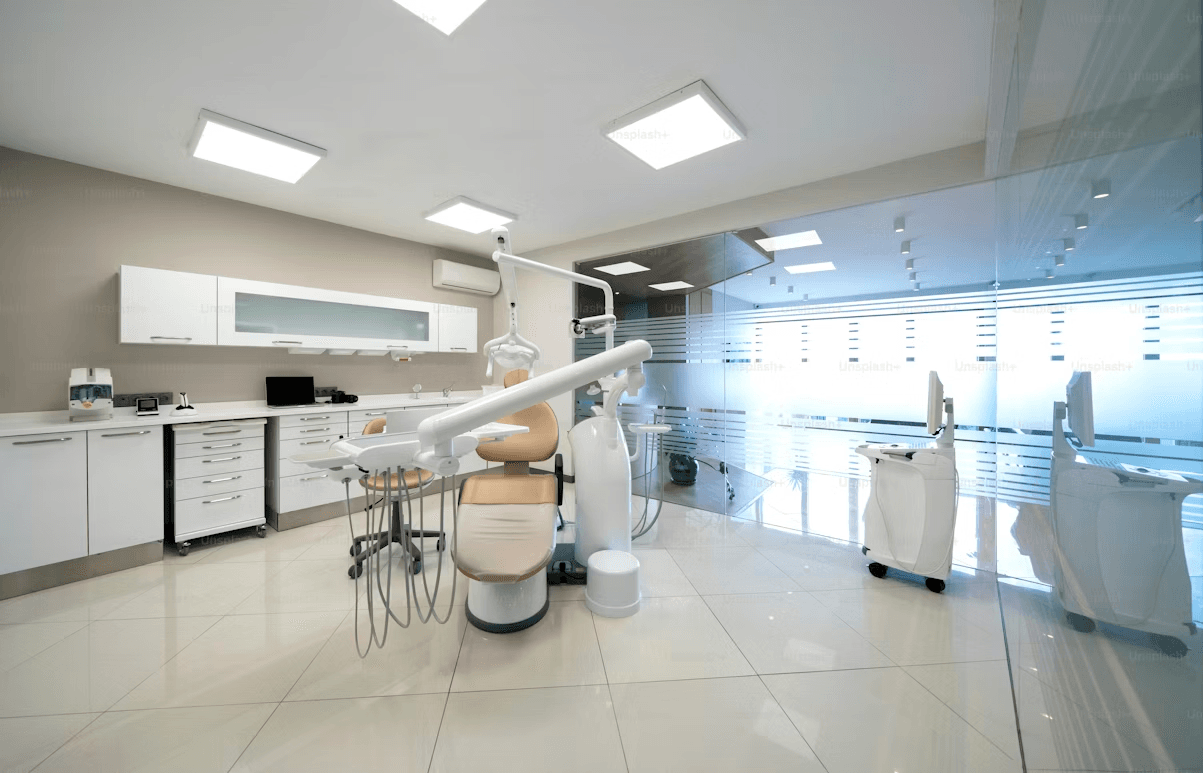

Cochlear Implant Surgery Treatment in Chennai for Bangladesh
Access high-quality treatment through JCI & NABH-accredited hospitals, renowned specialists, and end-to-end medical travel support designed around your healing journey.
Plan My Journey
Tell us your condition and budget - our AI matches the right destination, hospital and doctor and visa pathway
Cost calculator
I know my treatment - show me cost from 3 hospitals
5K+ International Patients Treated
40+ Source Countries Served
500+ Accredited Partner Hospitals
98% Patient Satisfaction
80% Average Savings vs USA
10K+ Doctors
NABH, JCI Accredited Hospitals
Free Treatment Plan
Free Consultation with Doctor
5+ Destinations Covered

Written by DivinHeal Editorial Contributor, DivinHeal Medical Team, Healthcare Advisory Team Published on: February 19, 2026
About
Cochlear Implant Surgery in Chennai for Patients from Bangladesh
For individuals in Bangladesh facing profound hearing loss, the journey to regain sound can often feel overwhelming. The search for advanced medical solutions like Cochlear Implant Surgery frequently leads to concerns about quality, accessibility, and the overall experience of seeking treatment abroad.
Many patients look beyond their home country for specialized procedures. Chennai, with its established medical infrastructure and focus on patient-centric care, stands out as a preferred destination. It offers a coordinated environment for complex surgeries.
Chennai’s hospitals are recognized for their experienced ENT specialists and audiology teams, specifically skilled in cochlear implant procedures. The city provides a supportive ecosystem, making post-operative follow-ups and rehabilitation more manageable for international visitors.
Chennai provides comprehensive and advanced care for cochlear implant candidates.
What is Cochlear Implant Surgery?
Cochlear implant surgery is a procedure that helps individuals with severe to profound sensorineural hearing loss. Unlike traditional hearing aids which amplify sound, a cochlear implant directly stimulates the auditory nerve. It bypasses damaged parts of the inner ear, translating sound signals into electrical impulses the brain can interpret. This sophisticated device consists of an external sound processor and an internal implant placed under the skin behind the ear, connected to an electrode array inserted into the cochlea. The goal is to restore a sense of hearing, significantly improving communication abilities and quality of life for suitable candidates.
Types of Cochlear Implant Approaches
Unilateral Cochlear Implantation: This involves implanting a device in one ear. It is the most common approach, focusing on providing sound perception and speech understanding in one ear.
Bilateral Cochlear Implantation: For some candidates, implants are placed in both ears, either simultaneously or in two separate surgeries. This can offer improved sound localization and better hearing in noisy environments.
Hybrid Cochlear Implants: These devices combine a cochlear implant for high-frequency hearing with a traditional hearing aid for low-frequency hearing. They are suitable for patients who have residual low-frequency hearing.
Auditory Brainstem Implants (ABI): While not a cochlear implant, ABIs are an alternative for individuals whose auditory nerve is not functional. The device directly stimulates the brainstem, offering a pathway to hearing when cochlear implants are not an option.
When is Cochlear Implant Surgery Required?
- Severe to profound sensorineural hearing loss in one or both ears.
- Limited or no benefit from appropriately fitted hearing aids, even after a trial period.
- Good general health with no medical conditions that would contraindicate surgery.
- Strong motivation to participate in extensive post-operative rehabilitation and therapy.
- Age considerations, ranging from infants to older adults, with specific criteria for each age group.
- Absence of active middle ear infection or other serious ear conditions.
Pre-Treatment Evaluation for Cochlear Implants
- Comprehensive audiological testing, including pure-tone audiometry, speech audiometry, and objective tests like ABR and OAE.
- Imaging studies of the inner ear and brain, typically high-resolution CT scans and MRI, to assess cochlear anatomy.
- Medical evaluation by an ENT surgeon to check overall ear health and suitability for surgery.
- Psychological assessment to determine patient and family expectations and commitment to rehabilitation.
- Counseling sessions to educate patients and families about the device, surgery, and post-operative expectations.
- Speech and language evaluation, especially for children, to establish baseline communication skills.
How Cochlear Implant Surgery is Performed
The cochlear implant procedure involves a surgical step followed by activation and extensive rehabilitation, ensuring a comprehensive approach to restoring hearing.
Surgical Implantation: The surgery is performed under general anesthesia. An incision is made behind the ear, and a small area of bone is removed to create a space for the internal receiver-stimulator. A tiny opening is made in the cochlea, and the electrode array is carefully inserted. The internal device is secured, and the incision is closed. The surgery typically takes 2-4 hours.
Activation (Switch-On): Approximately two to four weeks after surgery, once the surgical site has healed, the external sound processor is fitted and activated. This initial activation is a significant moment as the patient hears sounds through the implant for the first time.
Programming and Mapping: After activation, the audiologist performs regular mapping sessions. During mapping, the sound processor is adjusted to optimize sound clarity and comfort. These sessions are crucial for fine-tuning the device to the individual's unique hearing needs.
Auditory Rehabilitation: This is a vital ongoing process involving speech therapy and listening exercises. Rehabilitation helps the brain learn to interpret the new electrical signals as meaningful sounds and speech. This can continue for many months or even years, especially for children.
Recovery Process After Cochlear Implant Surgery
Immediate recovery from cochlear implant surgery involves managing minor pain or discomfort at the incision site, which can be controlled with medication. Patients are typically discharged within a day or two. The surgical area must be kept clean and dry until fully healed, usually around two to four weeks, before the external processor can be activated. During this period, activities like swimming or heavy lifting should be avoided. Post-activation, the recovery process shifts to auditory rehabilitation. This involves regular sessions with an audiologist and speech therapist to map the device and train the brain to process new sounds. Consistent participation in therapy is key to maximizing speech understanding and communication skills over several months.
Risks and Success Rates of Cochlear Implant Surgery
- Surgical complications like bleeding or infection at the incision site.
- Potential for facial nerve injury, though extremely rare due to careful monitoring.
- Temporary or persistent dizziness or vertigo post-surgery.
- Changes in taste perception, which are usually temporary.
- Risk of device malfunction or failure requiring further intervention.
- Rarely, meningitis, which is why vaccination is often recommended.
Cochlear implant surgery generally has high success rates in restoring sound awareness and significantly improving speech perception for individuals with severe to profound hearing loss. The degree of success varies depending on factors such as the duration of deafness, the patient's age at implantation, commitment to post-operative rehabilitation, and the presence of any other underlying medical conditions. Many patients achieve excellent results in understanding speech in quiet environments, and a good number also manage well in noisy settings. Long-term outcomes are continuously improving with advancements in technology and rehabilitation techniques.
What is the Cost of Cochlear Implant Surgery in Chennai?
The cost of Cochlear Implant Surgery in Chennai is influenced by several factors, including the specific type and brand of the implant chosen, the reputation and facilities of the hospital, the experience of the surgical team, and the extent of pre-operative evaluations and post-operative rehabilitation required. Additional costs might include diagnostic tests, hospital stay duration, and any necessary follow-up appointments and mapping sessions.
In Chennai, the estimated cost for Cochlear Implant Surgery typically ranges from INR 6,00,000 to INR 12,00,000.
Cochlear Implant Surgery Cost: Chennai vs. Global Cities
Patients from around the world often find Chennai offers a compelling balance of advanced medical care and cost-efficiency for cochlear implants. Here is a comparison of estimated costs for Cochlear Implant Surgery in Chennai compared to other major international medical centers. These figures are approximate and can vary based on individual circumstances and chosen facilities.
| Location | Estimated Cost (USD) |
|---|---|
| Chennai, India | $7,000 - $15,000 |
| United States | $40,000 - $100,000 |
| United Kingdom | $45,000 - $75,000 |
| Singapore | $33,000 - $60,000 |
| Thailand | $25,000 - $50,000 |
Comprehensive Support for Your Medical Journey in Chennai
- Assistance with medical visa application and extension processes.
- Guidance for finding suitable accommodation near the hospital, ranging from budget to premium options.
- Arrangement of local transport for hospital visits and airport transfers.
- Provision of professional interpreter services for effective communication with medical staff.
- Dedicated patient coordinator to streamline appointments and logistics throughout your stay.
- Support for international travel insurance and local SIM card activation.
Essential Documents for Your Chennai Treatment Visit
- A valid passport with at least six months of remaining validity.
- Your medical visa for India, ensuring it covers the duration of your treatment.
- All previous medical reports, audiograms, imaging scans, and doctor’s notes.
- Referral letters from your primary care physician or local ENT specialist, if applicable.
- Proof of address and identity documents from your home country.
- Any immunization records or allergy information pertinent to your health.
Preparing for Your Cochlear Implant Procedure
- Attend all pre-surgical consultations with the ENT surgeon and audiologist.
- Follow specific instructions regarding diet, medications, and fasting before surgery.
- Arrange for a family member or companion to accompany you for support during your stay.
- Ensure all necessary travel arrangements, including flights and accommodation, are confirmed.
- Complete any recommended vaccinations as advised by your medical team.
- Discuss post-operative expectations and rehabilitation plans in detail with your care team.
Post-Surgery Care and Follow-Up for Cochlear Implants
- Maintain meticulous wound care as instructed by your surgeon to prevent infection.
- Avoid getting the surgical site wet until it is fully healed.
- Attend all scheduled post-operative appointments for wound check-ups and implant activation.
- Commit fully to the prescribed auditory rehabilitation and speech therapy sessions.
- Learn about proper maintenance and care of your external sound processor.
- Be aware of signs of complications, such as excessive pain, swelling, or fever, and report them promptly.
Ready to Explore Hearing Solutions in Chennai?
Our team is here to guide you through every step of your cochlear implant journey, from initial inquiry to comprehensive aftercare.
Hospitals
NABH & JCI Accredited Hospitals in India,Turkey, Thailand & UAE.
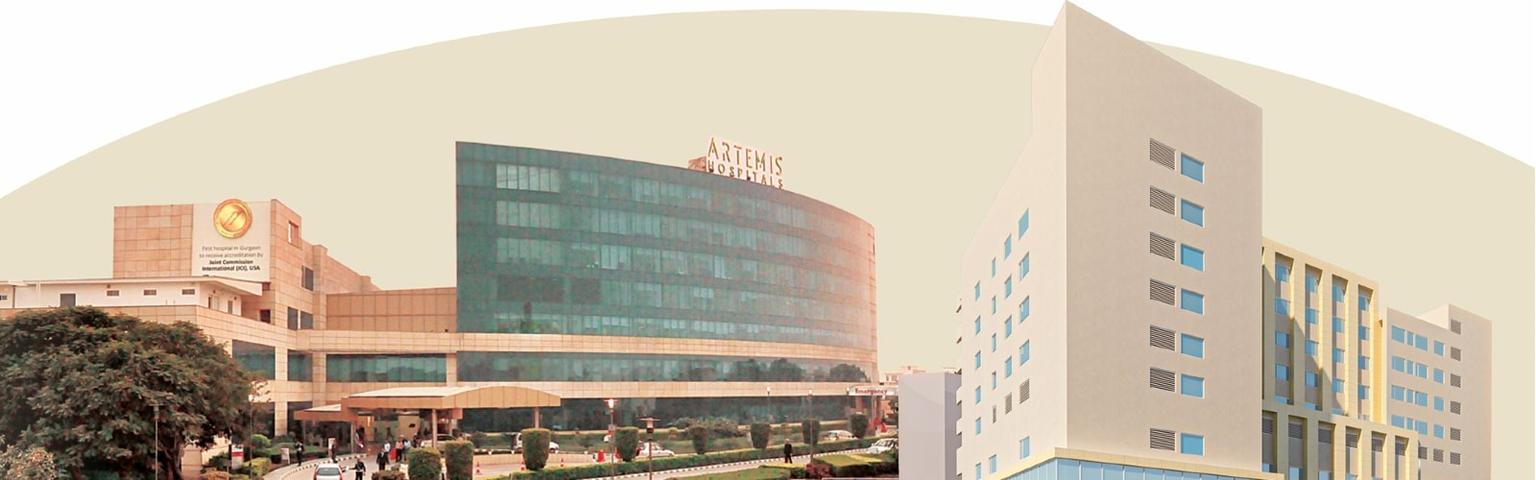
Artemis Hospital
Sector 51, Gurugram, Haryana, India
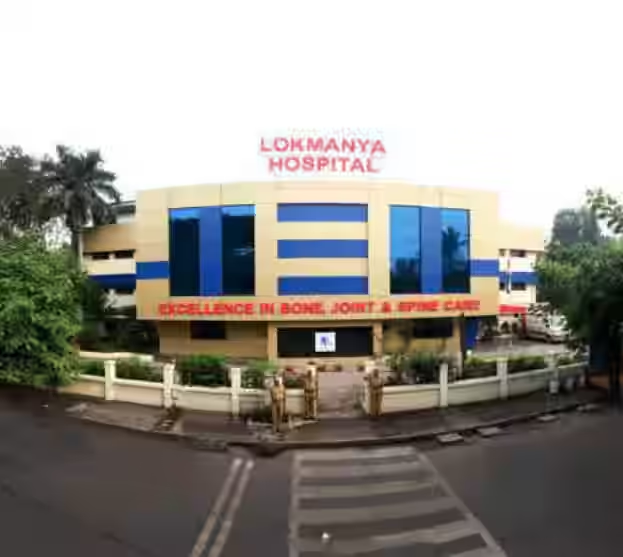
Lokmanya Hospitals
Not Specified

White Lotus Hospital
766, SFS 3145, SFS Road, 7th Sector, HSR Layout, Bengaluru, Karnataka 560102, India
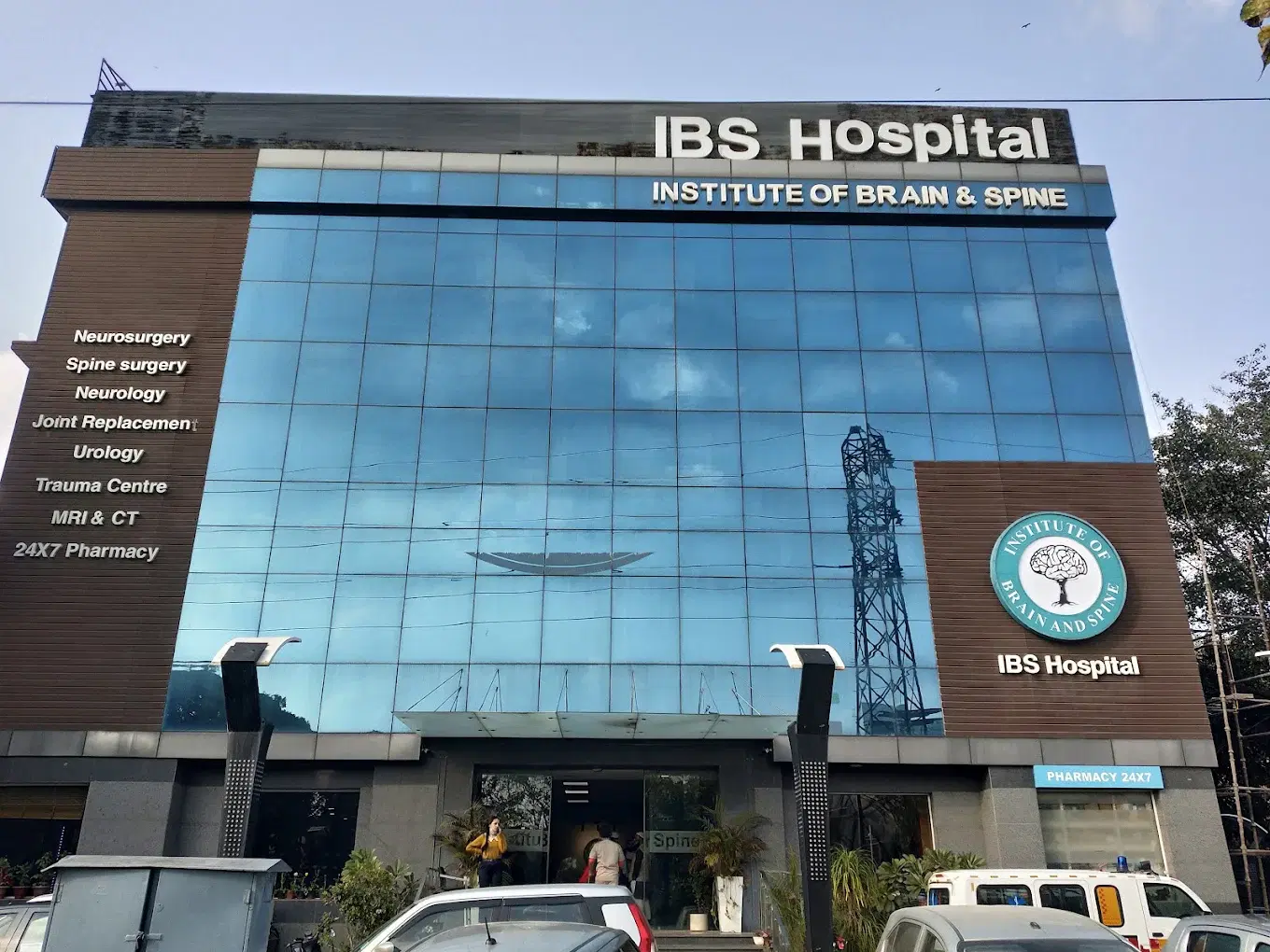
Institute of Brain and Spine (IBS Hospital)
Not Specified
Meet Our Medical Specialists




Sr. Consultant - Urology & Kidney Transplant Program (Unit I)
Dr. Abhinandan Mukhopadhyay
MBBS, MD
India

Sr. Consultant - Urology & Kidney Transplant Program (Unit I)
Dr. Abhinandan Mukhopadhyay
MBBS, MD
India
How DivinHeal Helps
We simplify your medical journey by providing comprehensive support and access to world-class healthcare.
Expert Specialist Matching
Connecting you with the world's top-rated medical experts.
Accredited Hospital Network
Access to JCI & NABH certified healthcare facilities.
Complete Travel Coordination
Hassle-free visa, stay, and local transport assistance.
24/7 Personal Care
Dedicated patient advisors supporting you at every step.
Journey Guidance
Full guidance from start to end of the patient treatment journey.
Expert Specialist Matching
Connecting you with the world's top-rated medical experts.
Everything you
need to know today
Browse through these common inquiries to better understand our patient-focused medical platform.
Yes, we work with a variety of insurance providers. Contact our team to verify your coverage.
Yes, we provide secure online consultations with experienced specialists.
Our care coordinators help match you with the most suitable specialist.
Absolutely. Your medical information is protected according to healthcare privacy standards.
Look at six things: accreditation (JCI or NABH), specialty depth, doctor credentials and experience, procedure-specific success rates, international patient support, and technology. DivinHeal's AI-driven matching evaluates every hospital in our accredited partner network on these dimensions and shortlists the best-fit options for your condition, budget, and country.
JCI (Joint Commission International) is the US-based global gold standard for hospital quality, recognised worldwide. NABH is India's national accreditation — accredited by ISQua, the same body that accredits JCI. Both signal independently verified safety and quality. Most of India's leading hospitals hold both.
Yes. All three welcome international patients through structured medical visa programs. India is the most established, treating patients from Africa, the Middle East, and South Asia at 60–80% lower cost. Thailand leads in cosmetic and dental care. The UAE is emerging in oncology and reproductive medicine.
Most patients save 50–80% on treatment costs. Heart bypass costs US $7,000–9,000 in India compared to $70,000–150,000 in the US. IVF costs $3,000–4,500 compared to $12,000–20,000 in the UK. Even after flights, visa, and accommodation, total savings remain 60–70%.
DivinHeal manages your entire non-medical journey: visa invitation letters, medical visa guidance, doctor appointments, teleconsultations, airport pickup, hospital-vetted accommodation for you and your attendant, language interpreters, local transport, cuisine preferences, and post-treatment follow-up — one dedicated coordinator from first enquiry to final follow-up.
You need a valid passport (6+ months validity), a medical visa (M-Visa for India — DivinHeal provides the hospital invitation letter), return flight tickets, recent medical reports and a doctor's referral, current prescription list, and proof of financial means. Any accompanying attendant needs their own passport and MX-Visa.
Still have more questions?
Book a call with our friendly team to learn how DivineHeal simplifies your healthcare journey.