
Cochlear Implant Surgery Treatment in Mumbai for Ethiopia
Access high-quality treatment through JCI & NABH-accredited hospitals, renowned specialists, and end-to-end medical travel support designed around your healing journey.
Plan My Journey
Tell us your condition and budget - our AI matches the right destination, hospital and doctor and visa pathway
Cost calculator
I know my treatment - show me cost from 3 hospitals
5K+ International Patients Treated
40+ Source Countries Served
500+ Accredited Partner Hospitals
98% Patient Satisfaction
80% Average Savings vs USA
10K+ Doctors
NABH, JCI Accredited Hospitals
Free Treatment Plan
Free Consultation with Doctor
5+ Destinations Covered

Written by DivinHeal Editorial Contributor, DivinHeal Medical Team, Healthcare Advisory Team Published on: February 19, 2026
About
Cochlear Implant Surgery in Mumbai for Ethiopian Patients
Ethiopian patients facing severe hearing loss often encounter profound challenges, including limited access to advanced solutions like cochlear implants within their home country. The journey to restore hearing is significant, often accompanied by concerns about surgical complexities, long-term care, and the overall affordability of such life-changing procedures abroad.
For these critical medical needs, Mumbai emerges as a preferred destination. Patients specifically choose this vibrant Indian city for its well-established healthcare infrastructure, specialized ear, nose, and throat (ENT) centers, and the coordinated care environment designed for international visitors seeking high-level interventions.
Mumbai's leading hospitals house highly skilled audiologists and ENT surgeons with extensive experience in cochlear implant procedures. The city provides a comprehensive support system for pre-operative assessments, the surgery itself, and crucial post-operative rehabilitation, ensuring a streamlined and effective treatment pathway for every patient.
Receiving cochlear implant surgery in Mumbai offers access to advanced medical expertise and dedicated patient support.
What is Cochlear Implant Surgery?
Cochlear implant surgery involves placing a small electronic device under the skin behind the ear, with an electrode array threaded into the cochlea. This device bypasses damaged parts of the inner ear and directly stimulates the auditory nerve, sending sound signals to the brain. It is designed for individuals with severe to profound sensorineural hearing loss who receive limited benefit from traditional hearing aids, aiming to provide a sensation of hearing and improve communication abilities.
Components of Cochlear Implant Treatment
Cochlear implant treatment is a multi-stage process, not just a single surgery. Key components include:
- Comprehensive Pre-operative Assessment: Detailed evaluations to determine candidacy and plan the surgical approach.
- Surgical Implantation: The procedure to place the internal component of the device.
- Initial Activation and Mapping: Several weeks post-surgery, the external processor is activated and programmed to suit the individual's hearing needs.
- Auditory Rehabilitation: Ongoing therapy to help the brain interpret the new electrical signals as meaningful sound.
- Device Maintenance and Follow-up: Regular adjustments, troubleshooting, and support for the implant device.
When is Cochlear Implant Surgery Recommended?
- Severe to profound sensorineural hearing loss in one or both ears.
- Limited speech understanding and sound perception even with appropriately fitted hearing aids.
- Good general health with no medical conditions that would contraindicate surgery.
- Intact auditory nerve pathway capable of receiving electrical stimulation.
- Motivation and willingness to participate in post-operative rehabilitation and therapy.
Pre-Treatment Evaluation for Cochlear Implants
- Detailed audiological testing, including pure-tone audiometry, speech audiometry, and otoacoustic emissions.
- Comprehensive ENT examination to assess the health of the ear and related structures.
- High-resolution CT scan and MRI of the inner ear to evaluate cochlear anatomy and rule out abnormalities.
- Psychological assessment to determine patient and family expectations and support systems.
- Speech and language evaluation to establish baseline communication abilities and guide rehabilitation.
- Medical clearance from other specialists if underlying health conditions are present.
How Cochlear Implant Surgery is Performed
The specific steps for cochlear implant surgery are tailored to the individual patient's anatomy and the type of implant chosen. The procedure is performed under general anesthesia.
The surgery typically involves:
- Incision: A small incision is made behind the ear to create a pocket for the internal receiver-stimulator.
- Mastoidectomy: A portion of the mastoid bone is gently drilled away to access the middle ear.
- Cochleostomy: A small opening is made in the cochlea, the snail-shaped hearing organ.
- Electrode Insertion: The electrode array is carefully inserted through the cochleostomy into the cochlea.
- Device Placement: The internal device is secured in the bone pocket, and the incision is closed.
- Post-Surgical Healing: Patients typically stay overnight for observation, with activation of the external processor occurring several weeks later after the incision has healed completely.
The Recovery Process After Cochlear Implant Surgery
Recovery from cochlear implant surgery involves initial healing, followed by a crucial period of activation and auditory rehabilitation. Patients can expect some mild discomfort, swelling, or numbness around the incision site, which subsides in a few days. The external device is usually activated 2-4 weeks post-surgery, followed by a series of mapping sessions where the audiologist adjusts the sound processor settings. Extensive auditory therapy is essential to help the brain learn to interpret the new sound signals, improving speech understanding and overall communication over several months to a year.
Risks and Success Rates of Cochlear Implant Surgery
- Potential for infection at the surgical site or within the inner ear.
- Risk of bleeding or hematoma formation post-surgery.
- Temporary or, rarely, permanent facial nerve weakness or paralysis.
- Dizziness or vertigo that may last for a few days to weeks.
- Tinnitus (ringing in the ears) or changes in existing tinnitus.
- Failure or malfunction of the implant device requiring revision surgery.
- Loss of any residual natural hearing in the implanted ear.
Cochlear implant surgery generally has high success rates in restoring sound awareness and improving speech perception for suitable candidates. Outcomes vary significantly based on factors such as the patient's age at implantation, duration of hearing loss, consistency with rehabilitation, and individual physiological responses. Many patients achieve excellent speech understanding in quiet environments, with varying degrees of benefit in noisy settings, significantly enhancing their quality of life and communication abilities.
What is the Cost of Cochlear Implant Surgery in Mumbai?
The cost of cochlear implant surgery in Mumbai is influenced by several factors, including the chosen hospital's accreditation and facilities, the specific brand and model of the cochlear implant device, the surgeon's fees, anesthesia charges, hospital stay duration, and the extent of pre-operative evaluations and post-operative rehabilitation required. The overall package usually encompasses the device itself, the surgical procedure, and initial mapping sessions.
A cochlear implant surgery package in Mumbai typically ranges from INR 9,00,000 to INR 18,00,000. This estimate can vary based on individual patient needs and device selection.
Cochlear Implant Surgery Costs: Mumbai vs. Global Benchmarks
Comparing the cost of cochlear implant surgery reveals Mumbai as a significantly more affordable option without compromising on quality or technology.
| Location | Estimated Cost (USD) |
|---|---|
| Mumbai, India | $11,000 - $22,000 |
| United States | $40,000 - $80,000 |
| United Kingdom | $35,000 - $65,000 |
| Singapore | $30,000 - $55,000 |
Essential Support Services for Your Medical Journey
- Assistance with medical visa applications and extensions for patients and accompanying family members.
- Arrangements for comfortable accommodation options, from budget-friendly guesthouses to premium hotels.
- Access to professional interpreters fluent in Amharic or Oromo to ensure clear communication with medical staff.
- Dedicated patient coordinators to guide you through every step of your treatment plan in Mumbai.
- Local transportation arrangements, including airport transfers and hospital commutes.
- Help with scheduling appointments and follow-up consultations.
What Documents Do You Need to Bring?
- Valid passport and visa for both the patient and any accompanying attendants.
- Comprehensive medical reports, including audiograms, imaging scans (CT/MRI), and previous treatment history.
- Doctor's referral letter or recommendation for cochlear implant surgery.
- Proof of address and contact information for emergency purposes.
- Any relevant insurance documents or financial guarantee letters, if applicable.
Steps for Preparing Before Your Procedure
- Follow all pre-operative dietary restrictions, including fasting instructions, as advised by your medical team.
- Inform your surgeon about all medications, supplements, and herbal remedies you are currently taking.
- Arrange for a responsible adult to accompany you and assist with post-operative care.
- Complete all necessary pre-surgical tests and consultations with specialists.
- Ensure comfortable clothing is packed for your hospital stay.
Guidance for Your Aftercare and Recovery
- Adhere strictly to wound care instructions to prevent infection at the surgical site.
- Attend all scheduled follow-up appointments for device activation and mapping sessions.
- Actively participate in auditory-verbal therapy and rehabilitation programs.
- Avoid activities that could impact the head or damage the implant device during the initial recovery period.
- Report any signs of infection, severe pain, dizziness, or device malfunction to your medical team immediately.
Embark on Your Path to Improved Hearing
Taking the step towards a cochlear implant can significantly enhance your life. Mumbai offers world-class care and support for this transformative journey.
Hospitals
NABH & JCI Accredited Hospitals in India,Turkey, Thailand & UAE.

Artemis Hospital
Sector 51, Gurugram, Haryana, India

Lokmanya Hospitals
Not Specified

White Lotus Hospital
766, SFS 3145, SFS Road, 7th Sector, HSR Layout, Bengaluru, Karnataka 560102, India
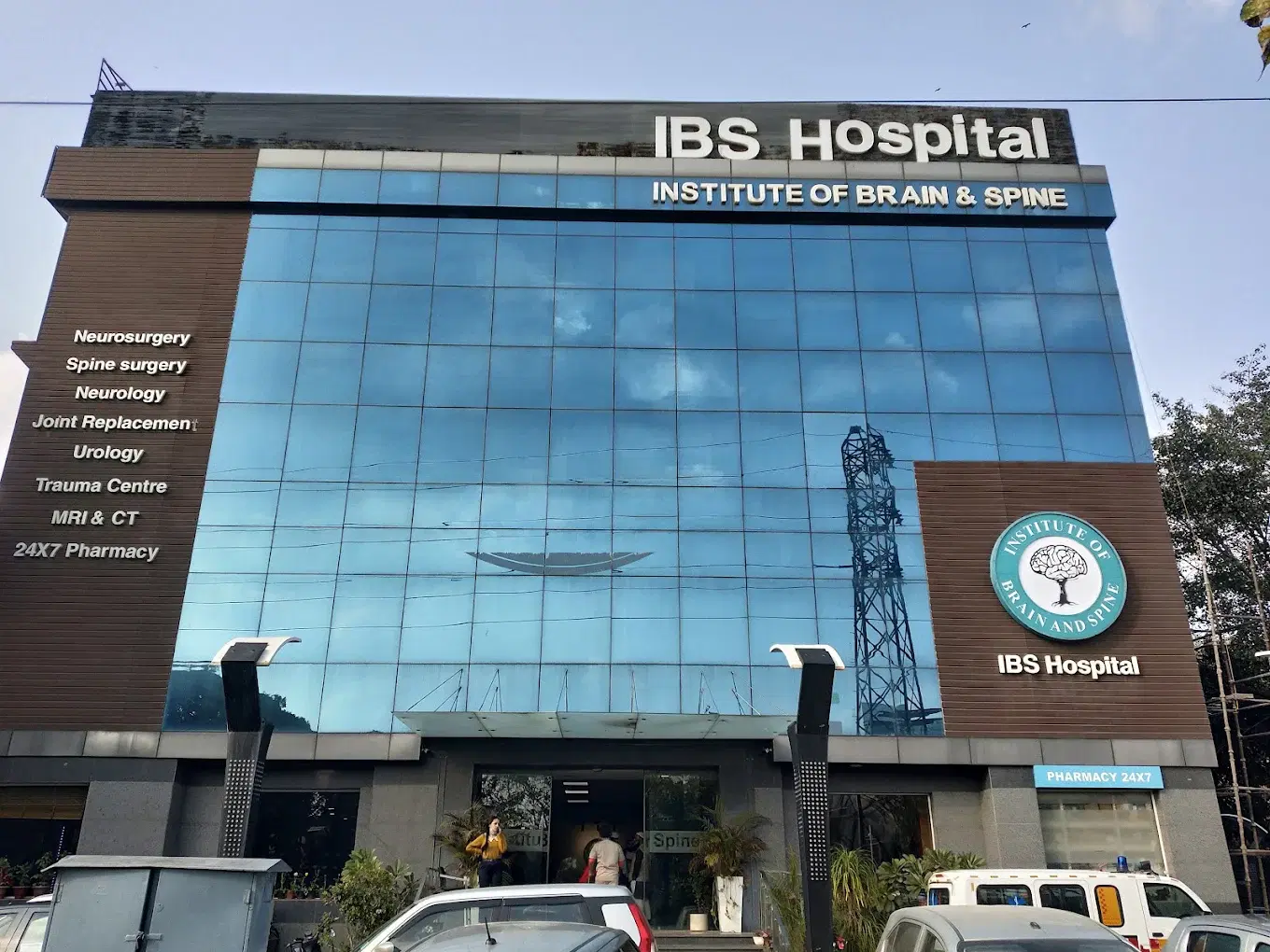
Institute of Brain and Spine (IBS Hospital)
Not Specified
Meet Our Medical Specialists




Sr. Consultant - Urology & Kidney Transplant Program (Unit I)
Dr. Abhinandan Mukhopadhyay
MBBS, MD
India

Sr. Consultant - Urology & Kidney Transplant Program (Unit I)
Dr. Abhinandan Mukhopadhyay
MBBS, MD
India
How DivinHeal Helps
We simplify your medical journey by providing comprehensive support and access to world-class healthcare.
Expert Specialist Matching
Connecting you with the world's top-rated medical experts.
Accredited Hospital Network
Access to JCI & NABH certified healthcare facilities.
Complete Travel Coordination
Hassle-free visa, stay, and local transport assistance.
24/7 Personal Care
Dedicated patient advisors supporting you at every step.
Journey Guidance
Full guidance from start to end of the patient treatment journey.
Expert Specialist Matching
Connecting you with the world's top-rated medical experts.
Everything you
need to know today
Browse through these common inquiries to better understand our patient-focused medical platform.
Yes, we work with a variety of insurance providers. Contact our team to verify your coverage.
Yes, we provide secure online consultations with experienced specialists.
Our care coordinators help match you with the most suitable specialist.
Absolutely. Your medical information is protected according to healthcare privacy standards.
Look at six things: accreditation (JCI or NABH), specialty depth, doctor credentials and experience, procedure-specific success rates, international patient support, and technology. DivinHeal's AI-driven matching evaluates every hospital in our accredited partner network on these dimensions and shortlists the best-fit options for your condition, budget, and country.
JCI (Joint Commission International) is the US-based global gold standard for hospital quality, recognised worldwide. NABH is India's national accreditation — accredited by ISQua, the same body that accredits JCI. Both signal independently verified safety and quality. Most of India's leading hospitals hold both.
Yes. All three welcome international patients through structured medical visa programs. India is the most established, treating patients from Africa, the Middle East, and South Asia at 60–80% lower cost. Thailand leads in cosmetic and dental care. The UAE is emerging in oncology and reproductive medicine.
Most patients save 50–80% on treatment costs. Heart bypass costs US $7,000–9,000 in India compared to $70,000–150,000 in the US. IVF costs $3,000–4,500 compared to $12,000–20,000 in the UK. Even after flights, visa, and accommodation, total savings remain 60–70%.
DivinHeal manages your entire non-medical journey: visa invitation letters, medical visa guidance, doctor appointments, teleconsultations, airport pickup, hospital-vetted accommodation for you and your attendant, language interpreters, local transport, cuisine preferences, and post-treatment follow-up — one dedicated coordinator from first enquiry to final follow-up.
You need a valid passport (6+ months validity), a medical visa (M-Visa for India — DivinHeal provides the hospital invitation letter), return flight tickets, recent medical reports and a doctor's referral, current prescription list, and proof of financial means. Any accompanying attendant needs their own passport and MX-Visa.
Still have more questions?
Book a call with our friendly team to learn how DivineHeal simplifies your healthcare journey.