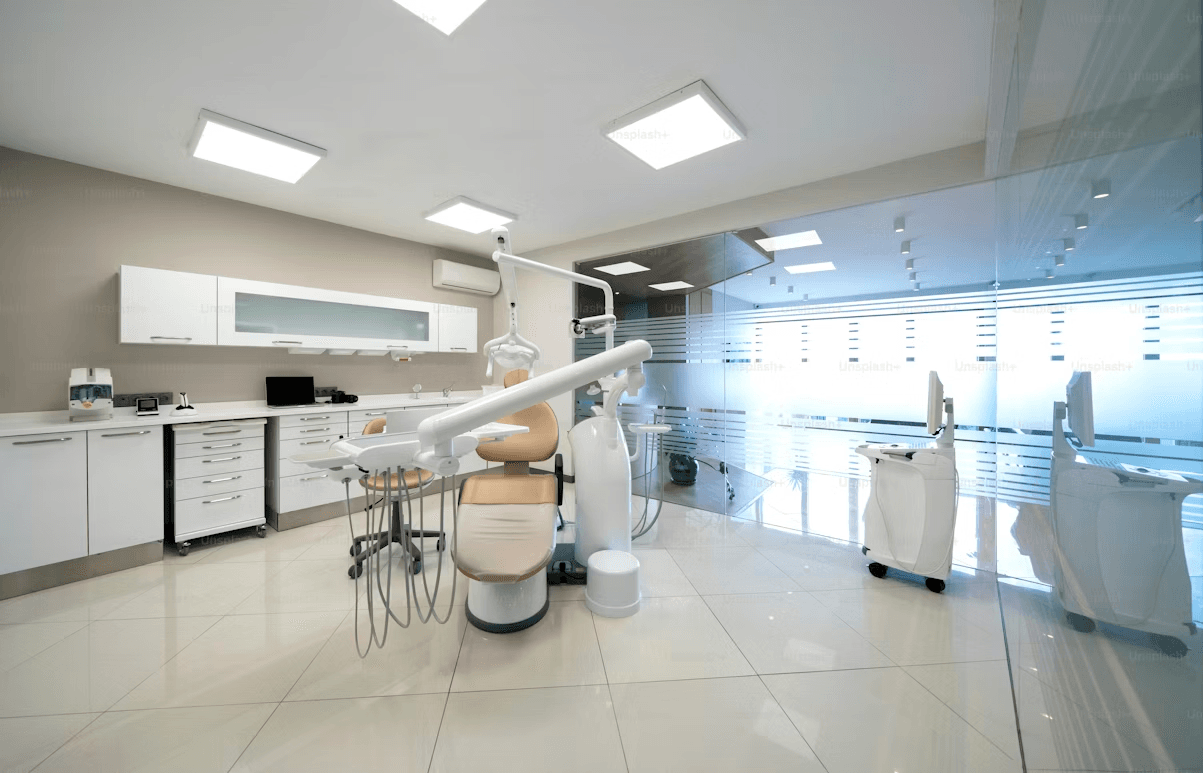

Cochlear Implant Surgery Treatment in Pune for UAE
Access high-quality treatment through JCI & NABH-accredited hospitals, renowned specialists, and end-to-end medical travel support designed around your healing journey.
Plan My Journey
Tell us your condition and budget - our AI matches the right destination, hospital and doctor and visa pathway
Cost calculator
I know my treatment - show me cost from 3 hospitals
5K+ International Patients Treated
40+ Source Countries Served
500+ Accredited Partner Hospitals
98% Patient Satisfaction
80% Average Savings vs USA
10K+ Doctors
NABH, JCI Accredited Hospitals
Free Treatment Plan
Free Consultation with Doctor
5+ Destinations Covered

Written by DivinHeal Editorial Contributor, DivinHeal Medical Team, Healthcare Advisory Team Published on: February 19, 2026
About
Cochlear Implant Surgery in Pune for UAE Patients | Hospitals & Cost
For patients in the UAE considering Cochlear Implant Surgery, the decision often comes with questions about finding specialized care, advanced facilities, and a supportive environment. Navigating these choices is a crucial first step toward improved hearing and a better quality of life.
Many international patients explore options beyond their home country, seeking high-quality treatment that combines medical expertise with affordability. Pune stands out as a destination offering specialized surgical care and a welcoming experience for those seeking solutions for profound hearing loss.
Pune's medical landscape includes several accredited hospitals and experienced ENT surgeons specializing in cochlear implants. These institutions focus on comprehensive patient pathways, ensuring seamless coordination from initial consultation to post-operative rehabilitation within the city, making the journey smoother.
Is Pune the right choice for your Cochlear Implant Surgery journey?
Ready to Discuss Your Treatment Plan?
Our team is here to guide you through every step. Connect with us to learn more about Cochlear Implant Surgery in Pune.
What is Cochlear Implant Surgery?
Cochlear implant surgery involves placing an electronic medical device that can provide a sense of sound to a person with severe to profound sensorineural hearing loss. Unlike hearing aids that amplify sound, a cochlear implant bypasses damaged parts of the ear to directly stimulate the auditory nerve. It consists of an external sound processor and an internal implant placed under the skin behind the ear, with an electrode array threaded into the cochlea. This system allows individuals to perceive sound and speech, significantly improving communication abilities.
Are There Different Types of Cochlear Implants?
Cochlear implants are primarily categorized by their application rather than distinct "types" of surgery, as the procedure itself is largely standardized. However, considerations include:
- Unilateral Implants: Implantation in one ear for hearing restoration.
- Bilateral Implants: Implantation in both ears, often sequentially, to provide a more natural hearing experience and aid in sound localization.
- Hybrid Cochlear Implants: Designed for individuals with good low-frequency hearing but severe high-frequency hearing loss, combining acoustic amplification for low frequencies with electrical stimulation for high frequencies in one ear.
- Auditory Brainstem Implants (ABI): An alternative for those whose auditory nerve is not functional or severely damaged, stimulating the brainstem directly. This is a distinct procedure but addresses similar profound hearing loss challenges.
When is Cochlear Implant Surgery Recommended?
- Severe to profound sensorineural hearing loss in one or both ears.
- Limited or no benefit from appropriately fitted hearing aids.
- Good general health to safely undergo a surgical procedure.
- Commitment to post-operative rehabilitation and speech therapy programs.
- Absence of medical contraindications, such as an undeveloped cochlea or active middle ear infection.
What Pre-Surgery Evaluation is Needed?
- Comprehensive audiological assessment including pure-tone audiometry, speech perception tests, and immittance audiometry.
- Medical evaluation by an ENT surgeon to check ear health, exclude infections, and assess overall fitness for surgery.
- High-resolution CT scan or MRI of the inner ear to assess cochlea and auditory nerve anatomy, ensuring suitability for implantation.
- Psychological assessment, especially for children, to gauge expectations, motivation, and family support systems.
- General health check-up, including blood tests, cardiac evaluation, and chest X-ray, to ensure surgical safety.
How is Cochlear Implant Surgery Performed?
The procedure for cochlear implant surgery follows a structured approach to ensure precise placement of the device, typically lasting between two to four hours.
The surgery generally involves these key steps:
Anesthesia and Incision: The surgery begins under general anesthesia to ensure patient comfort. A small incision is carefully made behind the ear to allow access to the mastoid bone.
Creating a Cavity: The surgeon then delicately drills through the mastoid bone to create a cavity, exposing the middle ear and the cochlea while preserving surrounding structures.
Electrode Insertion: A small opening, known as a cochleostomy, is made in the cochlea. The flexible electrode array from the internal component is gently threaded into the cochlea, which is the hearing part of the inner ear.
Internal Device Placement: The receiver-stimulator, the main internal component of the implant, is then securely placed and anchored under the skin behind the ear.
Closure: The incision is meticulously closed, and a sterile dressing is applied. The external sound processor is typically fitted and activated several weeks later after the initial healing period is complete.
What Does Recovery from Cochlear Implant Surgery Involve?
Recovery from cochlear implant surgery typically involves a few weeks of healing and gradual adaptation. Patients usually experience some mild pain or discomfort at the incision site, which can be managed effectively with prescribed medication. Swelling and numbness around the operated ear are common but temporary. Most individuals can return to light daily activities within a week, though strenuous physical activities should be avoided for several weeks to ensure proper healing and prevent complications. The external sound processor is usually activated 2 to 4 weeks post-surgery, followed by extensive auditory rehabilitation. This includes regular mapping sessions with an audiologist and speech therapy, both crucial for learning to interpret and process the new sounds. Regular follow-up appointments with the audiologist and surgeon in Pune are essential for optimal long-term outcomes.
What are the Risks and Success Rates of Cochlear Implants?
- Surgical Risks: Potential for bleeding, infection at the surgical site, or adverse reactions to anesthesia.
- Device-Related Issues: Rarely, a malfunction of the implant device may occur, potentially requiring revision surgery.
- Hearing Changes: Damage to any residual natural hearing, although surgeons strive to preserve it whenever possible.
- Balance Disturbances: Temporary or, less commonly, persistent dizziness or vertigo.
- Facial Nerve Irritation: A very rare complication resulting in temporary facial weakness due to the proximity of the facial nerve.
- Taste Alteration: Temporary changes in taste sensation can occur.
Cochlear implant surgery boasts high success rates, with the vast majority of recipients experiencing significant improvement in sound perception and speech understanding. The degree of success varies based on several factors, including the duration of hearing loss, the age at which implantation occurs, the individual's commitment to post-operative rehabilitation, and the presence of any other underlying medical conditions. Children implanted at a younger age often achieve superior speech and language development outcomes. Adults typically report enhanced communication abilities, improved participation in social activities, and an overall better quality of life. Long-term expectations include continuous adaptation to the device and ongoing auditory therapy to maximize its benefits and integration into daily living.
What is the Cost of Cochlear Implant Surgery in Pune?
The cost of Cochlear Implant Surgery in Pune varies based on several key factors. These include the chosen hospital's accreditation level and available facilities, the specific brand and model of the implant device (which is a significant component of the total cost), the experience and reputation of the surgical team, and the comprehensiveness of the pre-operative evaluations and post-operative rehabilitation program.
In Pune, the cost for a Cochlear Implant Surgery typically ranges from INR 6,00,000 to INR 12,00,000, depending on these variables.
Cost Comparison: Pune vs. Global Averages
Pune offers a highly cost-effective solution for Cochlear Implant Surgery without compromising on quality or advanced medical technology, making it an attractive option for international patients seeking value.
| Location | Estimated Cost (USD) |
|---|---|
| Pune, India | $7,000 - $14,000 |
| United States | $40,000 - $60,000 |
| United Kingdom | $35,000 - $55,000 |
| Singapore | $25,000 - $40,000 |
| Turkey | $15,000 - $25,000 |
| Thailand | $12,000 - $20,000 |
How We Support International Patients in Pune
- Assistance with medical visa applications and necessary invitation letters.
- Arrangements for comfortable accommodation for patients and their accompanying family members.
- Coordination for airport transfers and local transportation within Pune.
- Provision of language interpretation services during all consultations and medical procedures.
- A dedicated patient coordinator to ensure a seamless medical journey and address all logistical needs.
- Guidance on post-treatment follow-up care and options for remote consultations.
Important Documents for Your Treatment in Pune
- Your valid passport and a sanctioned medical visa for India.
- All pertinent medical reports, diagnostic scans, and audiological assessments.
- A referral letter from your local physician, if such a recommendation was provided.
- Documentation for financial arrangements or details of your medical insurance coverage.
- Emergency contact information for family or close relatives.
Preparing for Your Cochlear Implant Surgery in Pune
- Have a thorough discussion with your surgeon about all pre-existing medical conditions and current medications.
- Make arrangements for a trusted companion to accompany you throughout your stay in Pune.
- Gain a clear understanding of the expected post-operative care and rehabilitation plan.
- Adhere strictly to any specific dietary or medication restrictions advised by your medical team.
- Plan for a sufficient period of recovery in Pune before making arrangements for your return travel.
Aftercare and Rehabilitation Post-Cochlear Implant in Pune
- Adhere strictly to all wound care instructions and your prescribed medication schedule.
- Attend all scheduled sound processor activation and crucial mapping sessions with your audiologist.
- Actively participate in the recommended auditory rehabilitation and speech therapy programs.
- Avoid any activities that could exert pressure or impact the implant site during the initial healing phase.
- Maintain regular and open communication with your medical team for any concerns or questions.
- Plan for necessary follow-up consultations, whether in-person or through convenient telehealth options.
Ready to Explore Your Options in Pune?
Take the first confident step towards improved hearing and a better life with expert Cochlear Implant Surgery care available in Pune.
Connect with Our Patient Care Team
Let us help you plan your Cochlear Implant Surgery journey to Pune. Contact us for personalized assistance and information.
Hospitals
NABH & JCI Accredited Hospitals in India,Turkey, Thailand & UAE.
Meet Our Medical Specialists




Sr. Consultant - Urology & Kidney Transplant Program (Unit I)
Dr. Abhinandan Mukhopadhyay
MBBS, MD
India

Sr. Consultant - Urology & Kidney Transplant Program (Unit I)
Dr. Abhinandan Mukhopadhyay
MBBS, MD
India
How DivinHeal Helps
We simplify your medical journey by providing comprehensive support and access to world-class healthcare.
Expert Specialist Matching
Connecting you with the world's top-rated medical experts.
Accredited Hospital Network
Access to JCI & NABH certified healthcare facilities.
Complete Travel Coordination
Hassle-free visa, stay, and local transport assistance.
24/7 Personal Care
Dedicated patient advisors supporting you at every step.
Journey Guidance
Full guidance from start to end of the patient treatment journey.
Expert Specialist Matching
Connecting you with the world's top-rated medical experts.
Everything you
need to know today
Browse through these common inquiries to better understand our patient-focused medical platform.
Yes, we work with a variety of insurance providers. Contact our team to verify your coverage.
Yes, we provide secure online consultations with experienced specialists.
Our care coordinators help match you with the most suitable specialist.
Absolutely. Your medical information is protected according to healthcare privacy standards.
Look at six things: accreditation (JCI or NABH), specialty depth, doctor credentials and experience, procedure-specific success rates, international patient support, and technology. DivinHeal's AI-driven matching evaluates every hospital in our accredited partner network on these dimensions and shortlists the best-fit options for your condition, budget, and country.
JCI (Joint Commission International) is the US-based global gold standard for hospital quality, recognised worldwide. NABH is India's national accreditation — accredited by ISQua, the same body that accredits JCI. Both signal independently verified safety and quality. Most of India's leading hospitals hold both.
Yes. All three welcome international patients through structured medical visa programs. India is the most established, treating patients from Africa, the Middle East, and South Asia at 60–80% lower cost. Thailand leads in cosmetic and dental care. The UAE is emerging in oncology and reproductive medicine.
Most patients save 50–80% on treatment costs. Heart bypass costs US $7,000–9,000 in India compared to $70,000–150,000 in the US. IVF costs $3,000–4,500 compared to $12,000–20,000 in the UK. Even after flights, visa, and accommodation, total savings remain 60–70%.
DivinHeal manages your entire non-medical journey: visa invitation letters, medical visa guidance, doctor appointments, teleconsultations, airport pickup, hospital-vetted accommodation for you and your attendant, language interpreters, local transport, cuisine preferences, and post-treatment follow-up — one dedicated coordinator from first enquiry to final follow-up.
You need a valid passport (6+ months validity), a medical visa (M-Visa for India — DivinHeal provides the hospital invitation letter), return flight tickets, recent medical reports and a doctor's referral, current prescription list, and proof of financial means. Any accompanying attendant needs their own passport and MX-Visa.
Still have more questions?
Book a call with our friendly team to learn how DivineHeal simplifies your healthcare journey.