
Colonoscopy with Polypectomy Treatment in Bengaluru for Ethiopia
Access high-quality treatment through JCI & NABH-accredited hospitals, renowned specialists, and end-to-end medical travel support designed around your healing journey.
Plan My Journey
Tell us your condition and budget - our AI matches the right destination, hospital and doctor and visa pathway
Cost calculator
I know my treatment - show me cost from 3 hospitals
5K+ International Patients Treated
40+ Source Countries Served
500+ Accredited Partner Hospitals
98% Patient Satisfaction
80% Average Savings vs USA
10K+ Doctors
NABH, JCI Accredited Hospitals
Free Treatment Plan
Free Consultation with Doctor
5+ Destinations Covered

Written by DivinHeal Editorial Contributor, DivinHeal Medical Team, Healthcare Advisory Team Published on: February 19, 2026
About
Colonoscopy with Polypectomy in Bengaluru for Ethiopian Patients
Ethiopian patients seeking digestive health solutions, like colonoscopy with polypectomy, often worry about accessing quality and affordable international care. Finding a trusted medical destination is a primary concern.
Many look abroad for advanced facilities and expert practitioners. Bengaluru, India, stands as a top medical tourism hub, known for its modern healthcare infrastructure and patient-centric approach.
Bengaluru features world-class hospitals and highly skilled gastroenterologists. Patients benefit from streamlined processes, from consultation to follow-ups, ensuring comprehensive care within the city.
Considering Bengaluru for your colonoscopy with polypectomy, what are your next steps?
Considering Colonoscopy with Polypectomy in Bengaluru? Get a Personalized Treatment Plan & Cost Estimate.
What is a Colonoscopy with Polypectomy?
This procedure examines the large intestine (colon and rectum) using a flexible camera (colonoscope). If polyps—small growths on the colon lining—are found, they are removed during the same session, known as polypectomy. It is vital for detecting and preventing colorectal cancer by addressing precancerous lesions early.
Variations in Colonoscopy Procedures
- Diagnostic Colonoscopy: Investigates symptoms like bleeding, abdominal discomfort, or changes in bowel habits.
- Screening Colonoscopy: Routine checks for colorectal cancer prevention, typically for asymptomatic individuals over 45 years.
- Surveillance Colonoscopy: Regular monitoring for patients with a history of polyps or previous colorectal cancer.
- Polypectomy Methods: Techniques like hot snare, cold snare, or endoscopic mucosal resection used for polyp removal.
When is Colonoscopy with Polypectomy Recommended?
- Routine colorectal cancer screening, especially for individuals over 45 years.
- Investigation of unexplained changes in bowel habits.
- Evaluation of rectal bleeding or blood in stool.
- Assessment of persistent abdominal pain.
- Further investigation of iron deficiency anemia.
- Surveillance for individuals with a family or personal history of polyps or colorectal cancer.
- Monitoring patients with inflammatory bowel disease, such as Crohn's disease or ulcerative colitis.
Pre-Procedure Evaluation Steps
- A detailed medical history review and physical examination.
- Blood tests, including a complete blood count, and liver and kidney function tests.
- An electrocardiogram (ECG) to assess heart health.
- A consultation with an anesthesiologist for sedation planning.
- Detailed bowel preparation instructions to ensure a clean colon.
- A thorough review of current medications and any known allergies.
How is Colonoscopy with Polypectomy Performed?
The procedure follows standard steps, adapted for individual patient needs and polyp characteristics.
Preparation
Patients undergo strict bowel preparation, typically involving a clear liquid diet and laxatives, to ensure a completely clean colon for clear visualization.
During the Procedure
Under sedation, a flexible colonoscope is gently guided through the rectum into the colon. The camera displays magnified images on a monitor. Any polyps identified are then removed using specialized instruments passed through the scope, and sent for lab analysis.
Post-Procedure
After the colonoscope is withdrawn, patients recover from sedation in a designated area. Mild gas or cramping is common. A responsible adult must provide transportation home due to the effects of sedation.
Post-Procedure Recovery Insights
Recovery from a colonoscopy with polypectomy is typically quick, with most patients resuming normal activities within 24 hours. You might experience mild abdominal cramping, gas, or minimal rectal bleeding. Follow dietary advice, starting with light meals and gradually returning to your regular diet. Avoid strenuous activity and alcohol for at least one day. Rest and hydration are vital. Your doctor will advise on follow-up appointments and biopsy results.
Potential Risks and Expected Success
- Perforation: A rare but serious risk where a tear occurs in the wall of the colon, potentially requiring surgical repair.
- Bleeding: Post-polypectomy bleeding can occur, ranging from minor to significant, sometimes needing further medical intervention.
- Infection: Though uncommon, there is a slight risk of infection, especially with complex polyp removals.
- Anesthesia Reaction: Patients may experience adverse responses to sedation or anesthesia, such as nausea or dizziness.
- Post-Polypectomy Syndrome: A rare inflammatory reaction in the colon wall that can cause abdominal pain and fever, usually self-resolving.
The success rate for detecting and removing polyps during a colonoscopy with polypectomy is very high, often exceeding 90-95%. This procedure effectively prevents colorectal cancer by excising precancerous growths. Outcomes can depend on polyp complexity, location, and the skill of the endoscopist. Successful removal significantly improves long-term prognosis, with regular surveillance maintaining optimal bowel health.
Understanding the Cost of Colonoscopy with Polypectomy in Bengaluru
The cost for a colonoscopy with polypectomy in Bengaluru varies based on the chosen hospital's facilities, the gastroenterologist's fees, the type of anesthesia used, and the procedural complexity (e.g., number and size of polyps removed). Advanced equipment and diagnostic requirements also impact the total expenditure.
In Bengaluru, the estimated cost for a colonoscopy with polypectomy typically ranges from approximately INR 40,000 to INR 1,25,000.
Cost Comparison: Bengaluru vs. Global Destinations
For Ethiopian patients, comparing global costs for medical procedures like colonoscopy with polypectomy is vital. Bengaluru offers highly competitive pricing alongside high standards of medical care.
| Destination | Estimated Cost Range (USD) |
|---|---|
| Bengaluru, India | $500 - $1,500 |
| United States | $2,500 - $6,000 |
| United Kingdom | $1,900 - $3,800 |
| Singapore | $1,500 - $3,300 |
Begin Your Journey to Better Health. Connect with Bengaluru's Top Gastroenterologists Today!
Comprehensive Support for Ethiopian Patients in Bengaluru
- Dedicated international patient desk and visa assistance.
- Airport transfers and local travel guidance.
- Language interpretation services.
- Accommodation arrangements for patients and families.
- Assistance with billing and insurance inquiries.
- Personalized care coordination throughout your stay.
Essential Documents for Your Medical Journey
- A valid passport and an Indian medical visa.
- Copies of all relevant medical reports, scans, and doctor's notes in English.
- Official hospital appointment confirmation.
- Details of your referring doctor in Ethiopia, if applicable.
- Proof of funds to cover your treatment and stay.
Preparing for Your Colonoscopy with Polypectomy
- Strictly follow all prescribed bowel preparation instructions.
- Inform your medical team about all current medications, especially blood thinners.
- Discuss any known allergies, particularly to anesthesia or sedatives.
- Arrange for a responsible adult to accompany you and drive you home post-procedure.
- Adhere to fasting guidelines for the specified period before the procedure.
- Carry all necessary personal documents and medical records with you.
Post-Procedure Care and Follow-Up
- Adhere to the dietary guidelines provided by your doctor for proper healing.
- Avoid strenuous activities and heavy lifting for at least 24-48 hours.
- Stay well-hydrated by drinking plenty of fluids.
- Monitor for any signs of complications such as severe abdominal pain, persistent bleeding, or fever.
- Attend all scheduled follow-up appointments in Bengaluru to discuss biopsy results and recovery.
- Ensure adequate rest to aid your body's healing process.
Ready to Take the Next Step Towards Digestive Health?
Embarking on your health journey with expert care in Bengaluru can provide peace of mind and effective treatment outcomes.
Hospitals
NABH & JCI Accredited Hospitals in India,Turkey, Thailand & UAE.

Artemis Hospital
Sector 51, Gurugram, Haryana, India
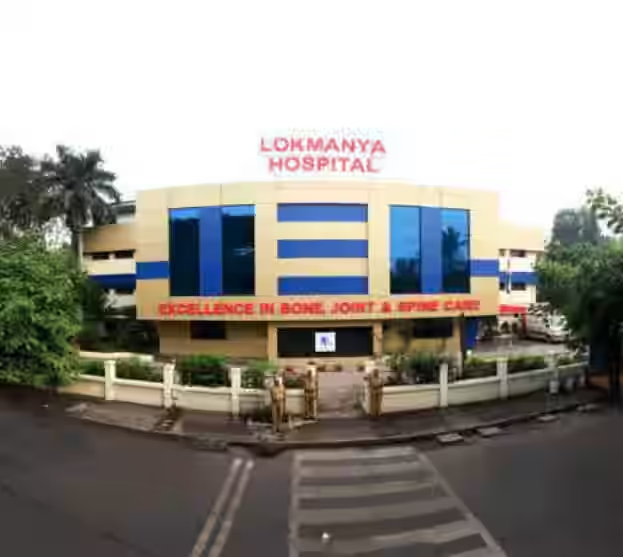
Lokmanya Hospitals
Not Specified

White Lotus Hospital
766, SFS 3145, SFS Road, 7th Sector, HSR Layout, Bengaluru, Karnataka 560102, India
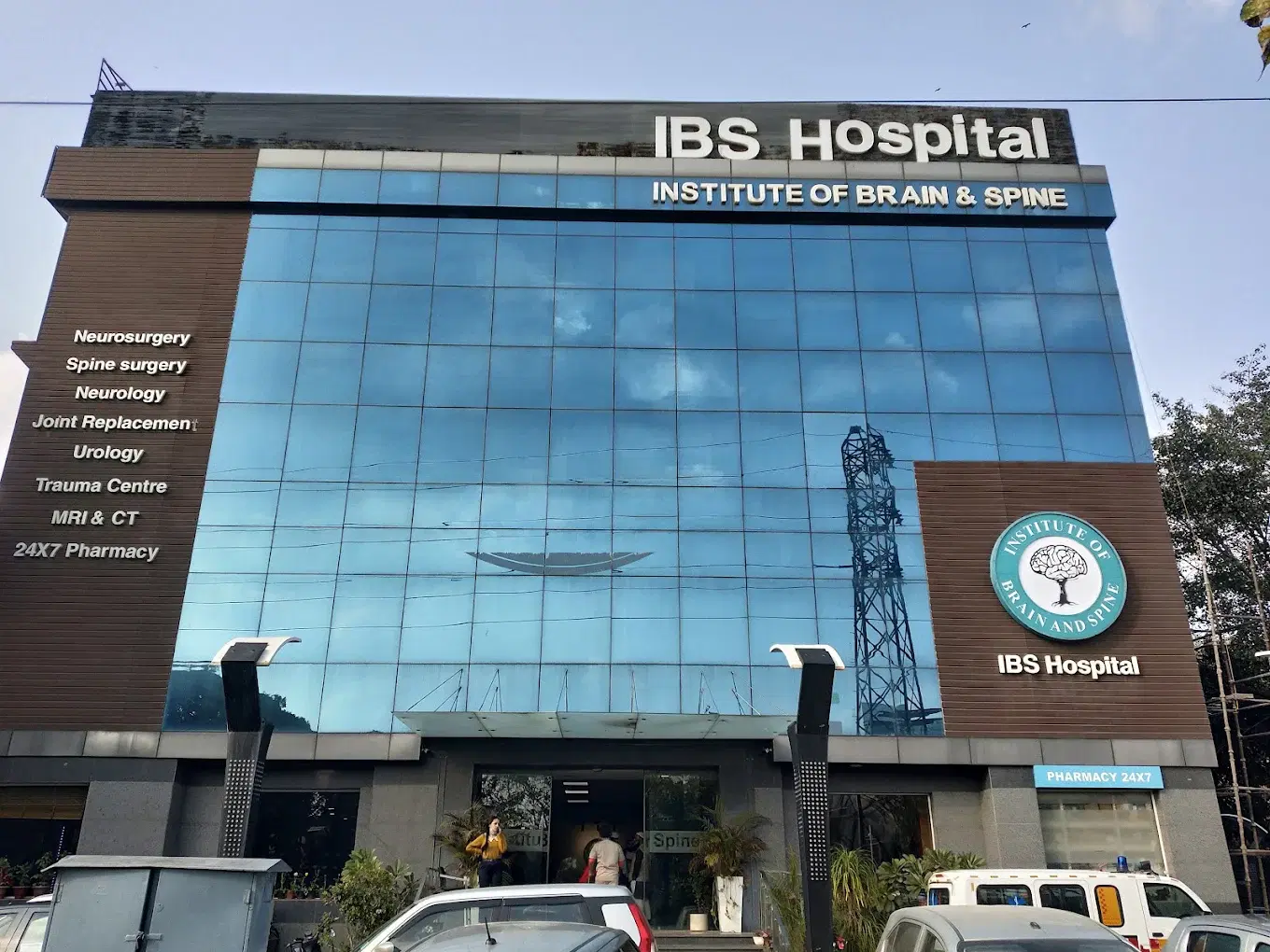
Institute of Brain and Spine (IBS Hospital)
Not Specified
Meet Our Medical Specialists




Sr. Consultant - Urology & Kidney Transplant Program (Unit I)
Dr. Abhinandan Mukhopadhyay
MBBS, MD
India

Sr. Consultant - Urology & Kidney Transplant Program (Unit I)
Dr. Abhinandan Mukhopadhyay
MBBS, MD
India
How DivinHeal Helps
We simplify your medical journey by providing comprehensive support and access to world-class healthcare.
Expert Specialist Matching
Connecting you with the world's top-rated medical experts.
Accredited Hospital Network
Access to JCI & NABH certified healthcare facilities.
Complete Travel Coordination
Hassle-free visa, stay, and local transport assistance.
24/7 Personal Care
Dedicated patient advisors supporting you at every step.
Journey Guidance
Full guidance from start to end of the patient treatment journey.
Expert Specialist Matching
Connecting you with the world's top-rated medical experts.
Everything you
need to know today
Browse through these common inquiries to better understand our patient-focused medical platform.
Yes, we work with a variety of insurance providers. Contact our team to verify your coverage.
Yes, we provide secure online consultations with experienced specialists.
Our care coordinators help match you with the most suitable specialist.
Absolutely. Your medical information is protected according to healthcare privacy standards.
Look at six things: accreditation (JCI or NABH), specialty depth, doctor credentials and experience, procedure-specific success rates, international patient support, and technology. DivinHeal's AI-driven matching evaluates every hospital in our accredited partner network on these dimensions and shortlists the best-fit options for your condition, budget, and country.
JCI (Joint Commission International) is the US-based global gold standard for hospital quality, recognised worldwide. NABH is India's national accreditation — accredited by ISQua, the same body that accredits JCI. Both signal independently verified safety and quality. Most of India's leading hospitals hold both.
Yes. All three welcome international patients through structured medical visa programs. India is the most established, treating patients from Africa, the Middle East, and South Asia at 60–80% lower cost. Thailand leads in cosmetic and dental care. The UAE is emerging in oncology and reproductive medicine.
Most patients save 50–80% on treatment costs. Heart bypass costs US $7,000–9,000 in India compared to $70,000–150,000 in the US. IVF costs $3,000–4,500 compared to $12,000–20,000 in the UK. Even after flights, visa, and accommodation, total savings remain 60–70%.
DivinHeal manages your entire non-medical journey: visa invitation letters, medical visa guidance, doctor appointments, teleconsultations, airport pickup, hospital-vetted accommodation for you and your attendant, language interpreters, local transport, cuisine preferences, and post-treatment follow-up — one dedicated coordinator from first enquiry to final follow-up.
You need a valid passport (6+ months validity), a medical visa (M-Visa for India — DivinHeal provides the hospital invitation letter), return flight tickets, recent medical reports and a doctor's referral, current prescription list, and proof of financial means. Any accompanying attendant needs their own passport and MX-Visa.
Still have more questions?
Book a call with our friendly team to learn how DivineHeal simplifies your healthcare journey.