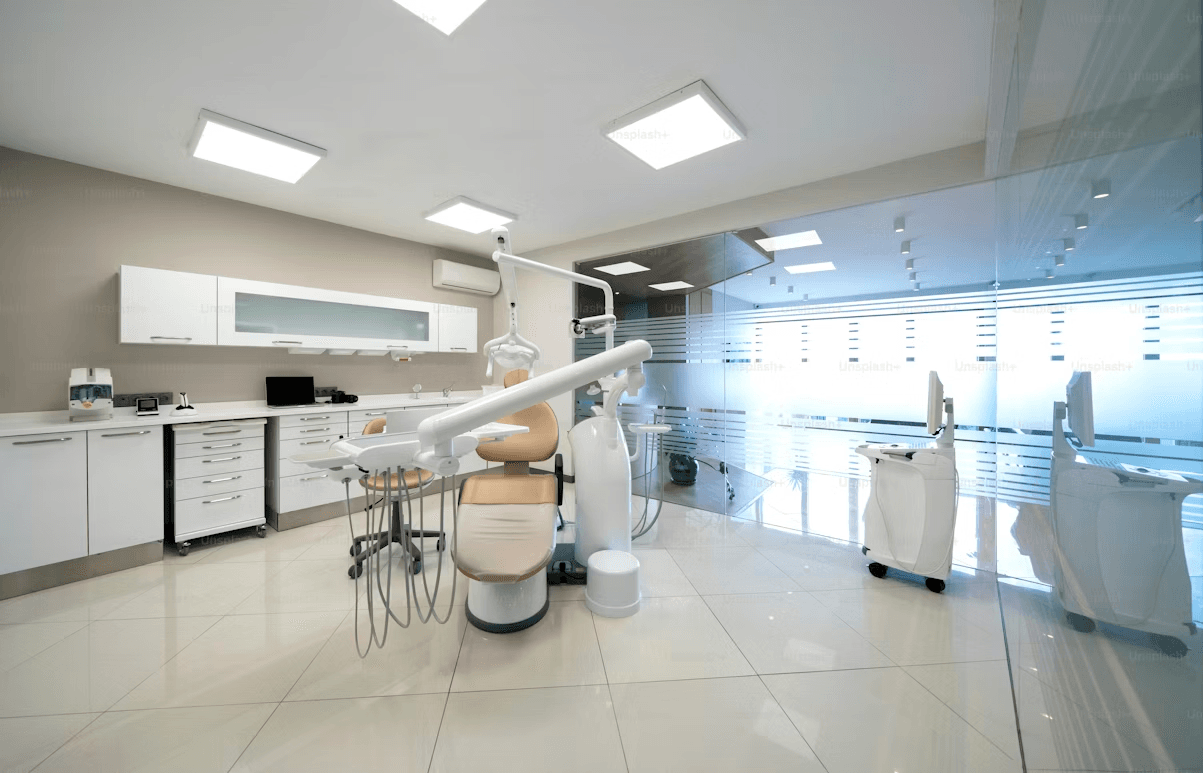

Colonoscopy with Polypectomy Treatment in Hyderabad for Ethiopia
Access high-quality treatment through JCI & NABH-accredited hospitals, renowned specialists, and end-to-end medical travel support designed around your healing journey.
Plan My Journey
Tell us your condition and budget - our AI matches the right destination, hospital and doctor and visa pathway
Cost calculator
I know my treatment - show me cost from 3 hospitals
5K+ International Patients Treated
40+ Source Countries Served
500+ Accredited Partner Hospitals
98% Patient Satisfaction
80% Average Savings vs USA
10K+ Doctors
NABH, JCI Accredited Hospitals
Free Treatment Plan
Free Consultation with Doctor
5+ Destinations Covered

Written by DivinHeal Editorial Contributor, DivinHeal Medical Team, Healthcare Advisory Team Published on: February 19, 2026
About
Colonoscopy with Polypectomy in Hyderabad for Ethiopian Patients
For many individuals in Ethiopia facing digestive health concerns, the thought of undergoing a colonoscopy with polypectomy can bring uncertainty. You may be seeking not only expert medical care but also a reliable and comfortable experience far from home, ensuring both effective treatment and peace of mind for such a critical procedure.
Patients often look to cities like Hyderabad when considering advanced medical procedures abroad. Hyderabad offers a well-developed healthcare infrastructure, equipped with modern facilities and highly skilled specialists. The city provides a structured care environment, making the process of seeking specialized treatment more manageable for international visitors.
Trust in Hyderabad's medical system stems from its reputable hospitals and dedicated gastroenterology specialists. These institutions are known for their commitment to patient safety and quality outcomes. Within the city, coordinating follow-up care and necessary consultations is streamlined, offering a coherent treatment journey.
Hyderabad provides a complete, supportive environment for your medical care.
What is Colonoscopy with Polypectomy?
A colonoscopy with polypectomy is a common endoscopic procedure used to examine the lining of the large intestine (colon and rectum) and remove any abnormal growths called polyps. Polyps are small clusters of cells that form on the colon lining and can, over time, develop into cancer. During the procedure, a thin, flexible tube with a camera (colonoscope) is inserted through the rectum to visualize the entire colon. If polyps are found, they are typically removed immediately using specialized instruments passed through the scope, which is the polypectomy part of the procedure. This dual approach allows for both diagnosis and preventative treatment in a single session.
Are There Different Types of Colonoscopy Procedures?
While the core colonoscopy procedure remains consistent, variations exist primarily in its purpose and how polyps are addressed:
- Diagnostic Colonoscopy: This is performed to investigate symptoms like abdominal pain, rectal bleeding, or changes in bowel habits.
- Screening Colonoscopy: Recommended for individuals at average risk of colorectal cancer, usually starting at age 45 or 50, to detect polyps before symptoms appear.
- Surveillance Colonoscopy: Used for patients with a history of polyps or colorectal cancer to monitor the colon for new growths.
- Therapeutic Colonoscopy with Polypectomy: This involves the direct removal of detected polyps during the examination, preventing their potential progression to cancer. The techniques for polypectomy can vary based on polyp size and type, including cold snare, hot snare, or endoscopic mucosal resection (EMR).
- Flexible Sigmoidoscopy: A similar procedure but examines only the lower part of the colon (sigmoid colon), making it less comprehensive than a full colonoscopy.
When is a Colonoscopy with Polypectomy Recommended?
- Routine screening for colorectal cancer, especially for individuals over 45 or with a family history.
- Investigation of unexplained changes in bowel habits, such as persistent diarrhea or constipation.
- Evaluation of rectal bleeding or blood in stool.
- Assessment of chronic abdominal pain that does not have another clear cause.
- Monitoring for recurrence of polyps after previous removal.
- Surveillance for individuals with inflammatory bowel disease like Crohn’s disease or ulcerative colitis.
- Iron deficiency anemia without an identified cause.
How Do Doctors Prepare You for Colonoscopy?
- A thorough medical history review, including current medications, allergies, and past surgeries.
- A physical examination to assess overall health.
- Blood tests to check general health, clotting ability, and kidney function.
- Review of any existing imaging scans or previous gastrointestinal test results.
- Detailed instructions for bowel preparation, which typically involves a special diet and laxatives to cleanse the colon.
- Discussion about sedation options and what to expect during and after the procedure.
What Happens During a Colonoscopy with Polypectomy?
The procedure for a colonoscopy with polypectomy involves careful steps, typically performed under sedation, to ensure patient comfort and thorough examination.
Before the Procedure: You will be given a sedative or anesthesia to keep you comfortable and relaxed, often asleep, throughout the examination. Your vital signs will be continuously monitored by the medical team.
The Colonoscopy Examination: The doctor gently inserts the colonoscope through your rectum and guides it along the large intestine. Air is usually introduced into the colon to expand it, providing a clearer view. The camera transmits images to a monitor, allowing the specialist to carefully inspect the colon lining for any abnormalities.
Polyp Detection and Removal (Polypectomy): If polyps or other suspicious growths are found, the doctor uses tiny instruments, such as forceps or a snare, passed through the colonoscope to remove them. Smaller polyps might be removed using a cold snare, while larger ones may require electrocautery (hot snare) or other advanced techniques. The removed polyps are collected and sent to a laboratory for microscopic analysis.
After the Procedure: Once the examination is complete, the colonoscope is slowly withdrawn. You will be taken to a recovery area where you can rest as the sedation wears off. Most patients feel mild bloating or gas due to the air introduced into the colon, which typically subsides quickly.
What Does Recovery Involve After Your Procedure?
After a colonoscopy with polypectomy, you will spend some time in a recovery room as the effects of sedation wear off. You might experience mild cramping or gas for a few hours. It is important to have someone drive you home, as you will not be able to drive yourself. Most patients can return to their normal diet and light activities the next day, though vigorous exercise or heavy lifting should be avoided for a short period. Your doctor will provide specific instructions regarding dietary intake, medication adjustments, and when to resume your usual routine. Follow-up instructions will include when to expect biopsy results and any recommendations for future screenings.
What Are the Risks and Success Rates?
- • Mild abdominal discomfort, bloating, or gas, which usually resolves quickly.
- • Temporary changes in bowel habits.
- • Minor bleeding from the site where a polyp was removed.
- • Adverse reaction to the sedative or anesthesia, though rare.
- • Very rare instances of perforation (a tear in the colon wall) requiring surgical repair.
- • Extremely rare cases of severe bleeding or infection.
Colonoscopy with polypectomy has a very high success rate in detecting and removing polyps, significantly reducing the risk of colorectal cancer. When performed by experienced specialists, the procedure is highly effective in preventing cancer. The long-term success of this intervention depends on factors like the size and number of polyps found, the patient's adherence to follow-up screening schedules, and lifestyle choices. For most individuals, successful polyp removal means a reduced risk of developing colorectal cancer, allowing for a better long-term health outlook.
Understanding the Cost of Colonoscopy with Polypectomy in Hyderabad
The cost of a colonoscopy with polypectomy in Hyderabad can vary based on several factors. These include the choice of hospital (private versus public, facility grade), the experience and fees of the gastroenterologist, the type of sedation or anesthesia used, the number and complexity of polyps removed, and the duration of any required hospital stay. Diagnostic tests conducted before the procedure and any post-procedure medications or follow-up consultations can also influence the overall cost.
In Hyderabad, the estimated cost for a Colonoscopy with Polypectomy typically ranges from INR 25,000 to INR 75,000.
Cost Comparison: Hyderabad vs. Other Global Destinations
Hyderabad offers a competitive advantage in medical costs, often presenting a more affordable option compared to many Western countries without compromising on quality or advanced care.
| Location | Estimated Cost (USD) |
|---|---|
| Hyderabad, India | $350 – $950 |
| United Kingdom | $2,500 – $4,500 |
| United States | $3,000 – $6,000 |
| Thailand | $900 – $1,800 |
| South Africa | $1,200 – $2,500 |
| Turkey | $700 – $1,500 |
Considering a Colonoscopy with Polypectomy in Hyderabad? Reach out today to receive a personalized cost estimate and detailed information tailored to your needs.
Comprehensive Support for Your Medical Journey in Hyderabad
- Assistance with medical visa application processes for Ethiopian patients.
- Guidance on travel arrangements and local transportation within Hyderabad.
- Recommendations and booking support for accommodation near your chosen hospital.
- Provision of professional language interpreters for seamless communication.
- Help with scheduling appointments and coordinating various medical consultations.
- Support for post-treatment follow-up and arrangement of remote consultations if needed.
Essential Documents for Your Treatment Visit
- Valid passport and any required visa for entry into India.
- All relevant past medical reports, including test results, imaging, and specialist consultations.
- Referral letters from your primary care physician or specialist in Ethiopia.
- A detailed list of all current medications, including dosages.
- Any international health insurance documents, if applicable.
Preparing for Your Colonoscopy with Polypectomy
- Adhering strictly to the prescribed dietary restrictions several days before the procedure.
- Completing the bowel preparation as instructed by your doctor for a clear colon.
- Reviewing your current medications with your doctor to identify any that need to be paused.
- Arranging for a companion to accompany you to and from the hospital.
- Ensuring your travel and accommodation plans in Hyderabad are finalized before your arrival.
Guidance for Your Post-Procedure Care
- Following all dietary and activity restrictions provided by your doctor.
- Monitoring for any unusual symptoms such as severe pain, fever, or heavy bleeding.
- Attending all scheduled follow-up appointments in Hyderabad or via telemedicine.
- Ensuring you understand the results of any biopsies taken during the procedure.
- Planning for adequate rest and avoiding strenuous activities during your recovery period.
- Discussing long-term screening schedules to maintain colon health.
Ready to Take the Next Step in Your Health Journey?
Connecting with the right medical guidance in Hyderabad is simpler than you think. Let us assist you.
Embark on your path to better health with confidence. Contact us for detailed information on Colonoscopy with Polypectomy in Hyderabad and start planning your treatment.
Hospitals
NABH & JCI Accredited Hospitals in India,Turkey, Thailand & UAE.

Artemis Hospital
Sector 51, Gurugram, Haryana, India

Lokmanya Hospitals
Not Specified

White Lotus Hospital
766, SFS 3145, SFS Road, 7th Sector, HSR Layout, Bengaluru, Karnataka 560102, India

Institute of Brain and Spine (IBS Hospital)
Not Specified
Meet Our Medical Specialists




Sr. Consultant - Urology & Kidney Transplant Program (Unit I)
Dr. Abhinandan Mukhopadhyay
MBBS, MD
India

Sr. Consultant - Urology & Kidney Transplant Program (Unit I)
Dr. Abhinandan Mukhopadhyay
MBBS, MD
India
How DivinHeal Helps
We simplify your medical journey by providing comprehensive support and access to world-class healthcare.
Expert Specialist Matching
Connecting you with the world's top-rated medical experts.
Accredited Hospital Network
Access to JCI & NABH certified healthcare facilities.
Complete Travel Coordination
Hassle-free visa, stay, and local transport assistance.
24/7 Personal Care
Dedicated patient advisors supporting you at every step.
Journey Guidance
Full guidance from start to end of the patient treatment journey.
Expert Specialist Matching
Connecting you with the world's top-rated medical experts.
Everything you
need to know today
Browse through these common inquiries to better understand our patient-focused medical platform.
Yes, we work with a variety of insurance providers. Contact our team to verify your coverage.
Yes, we provide secure online consultations with experienced specialists.
Our care coordinators help match you with the most suitable specialist.
Absolutely. Your medical information is protected according to healthcare privacy standards.
Look at six things: accreditation (JCI or NABH), specialty depth, doctor credentials and experience, procedure-specific success rates, international patient support, and technology. DivinHeal's AI-driven matching evaluates every hospital in our accredited partner network on these dimensions and shortlists the best-fit options for your condition, budget, and country.
JCI (Joint Commission International) is the US-based global gold standard for hospital quality, recognised worldwide. NABH is India's national accreditation — accredited by ISQua, the same body that accredits JCI. Both signal independently verified safety and quality. Most of India's leading hospitals hold both.
Yes. All three welcome international patients through structured medical visa programs. India is the most established, treating patients from Africa, the Middle East, and South Asia at 60–80% lower cost. Thailand leads in cosmetic and dental care. The UAE is emerging in oncology and reproductive medicine.
Most patients save 50–80% on treatment costs. Heart bypass costs US $7,000–9,000 in India compared to $70,000–150,000 in the US. IVF costs $3,000–4,500 compared to $12,000–20,000 in the UK. Even after flights, visa, and accommodation, total savings remain 60–70%.
DivinHeal manages your entire non-medical journey: visa invitation letters, medical visa guidance, doctor appointments, teleconsultations, airport pickup, hospital-vetted accommodation for you and your attendant, language interpreters, local transport, cuisine preferences, and post-treatment follow-up — one dedicated coordinator from first enquiry to final follow-up.
You need a valid passport (6+ months validity), a medical visa (M-Visa for India — DivinHeal provides the hospital invitation letter), return flight tickets, recent medical reports and a doctor's referral, current prescription list, and proof of financial means. Any accompanying attendant needs their own passport and MX-Visa.
Still have more questions?
Book a call with our friendly team to learn how DivineHeal simplifies your healthcare journey.