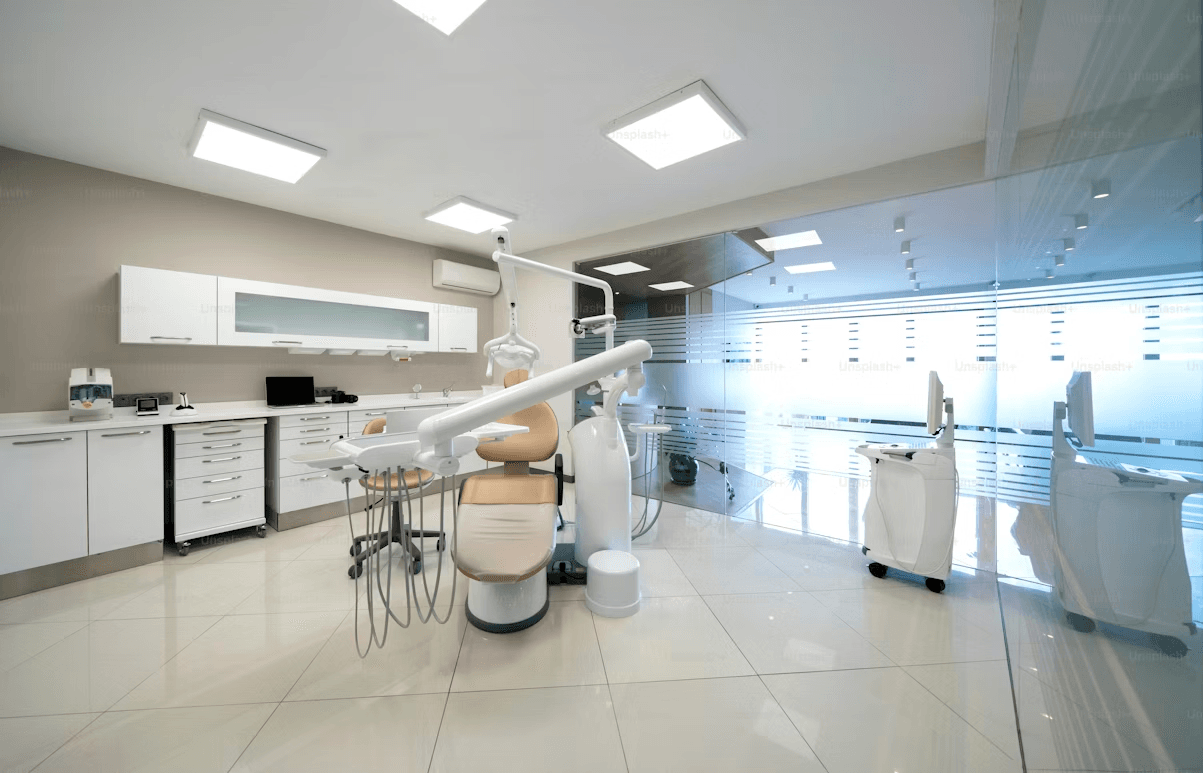

Colonoscopy with Polypectomy Treatment in India
Access high-quality treatment through JCI & NABH-accredited hospitals, renowned specialists, and end-to-end medical travel support designed around your healing journey.
Plan My Journey
Tell us your condition and budget - our AI matches the right destination, hospital and doctor and visa pathway
Cost calculator
I know my treatment - show me cost from 3 hospitals
5K+ International Patients Treated
40+ Source Countries Served
500+ Accredited Partner Hospitals
98% Patient Satisfaction
80% Average Savings vs USA
10K+ Doctors
NABH, JCI Accredited Hospitals
Free Treatment Plan
Free Consultation with Doctor
5+ Destinations Covered

Written by DivinHeal Editorial Contributor, DivinHeal Medical Team, Healthcare Advisory Team Published on: August 20, 2026
About
Colonoscopy with polypectomy treatment in India details
Colonoscopy with polypectomy treatment in India evaluates the colon and removes polyps to prevent colorectal cancer.
A colonoscopy with polypectomy treatment in India examines the colon using a thin flexible camera tube. Doctors view the colon lining during the procedure. They remove tissue growths immediately to prevent future cancer.
Overview of colonoscopy with polypectomy in India
Colonoscopy with polypectomy in India evaluates the bowel and removes polyps in a single clinical appointment.
A thin tube with a camera guides the specialist through the rectum and colon. The doctor looks for small tissue growths along the inner lining.
Removing these growths during the examination prevents future health issues. You receive diagnostic clarity and immediate treatment within a single appointment.
International patients select Indian medical centres for colonoscopy with polypectomy treatment in India. Medical staff explain every step before your procedure begins.
Tissue samples go directly to the laboratory for detailed analysis. Your medical team reviews all findings to guide your long-term digestive health.
Colonoscopy with polypectomy in India identifies and removes colon polyps in a single clinical procedure.
Cost, success rate and key facts for colon polyp removal in India
Colon polyp removal in India offers quality care and reliable success rates across certified gastroenterology departments.
Your overall cost depends on hospital fees, doctor experience, and required pathology tests. A care coordinator can confirm exact package prices for your visit.
Medical teams achieve excellent outcomes by using advanced optical instruments during bowel examinations. You can review Colonoscopy with Polypectomy Success Rate in India data during your initial consultation.
How much does a polypectomy cost in India?
A polypectomy in India varies in cost based on polyp size, polyp count, and hospital facilities.
Basic procedure quotes cover endoscopic examination, local sedation, and immediate polyp removal. Complex cases with multiple polyps require additional pathology testing.
You can request a personalised Colonoscopy with Polypectomy cost in India estimate before travelling. Written cost breakdowns help families budget accurately for medical travel.
Hospitals provide clear pricing packages that include doctor fees and facility charges. Financial transparency helps international families plan their travel expenses easily.
Colon polyp removal in India provides clear transparent pricing and reliable diagnostic outcomes for international patients.
How colonoscopy with polypectomy works and what to expect
Colonoscopy with polypectomy works by guiding a scope through the colon to remove abnormal tissue growths.
The entire examination takes place while you rest under light sedation. Most patients feel relaxed and experience no pain during tissue removal.
Specialised tools pass through the scope to snip polyps cleanly. The doctor collects all removed tissue for precise laboratory examination.
Preparing for your colonoscopy
Preparing for your colonoscopy requires clearing your bowel using prescribed liquid solutions before the examination.
A clean colon allows the specialist to view the entire lining clearly. Your care team provides clear dietary guidelines two days prior to treatment.
Following these preparation instructions ensures accurate polyp detection during your procedure. Staff remain available to answer any preparation questions before you travel.
Step-by-step polyp removal process
The polyp removal process follows a structured clinical sequence from sedation to post-procedure monitoring.
Medical staff prepare you carefully before entering the procedure room. Specialists monitor your comfort levels continuously during the entire evaluation.
- You receive light sedation to keep you comfortable throughout the evaluation.
- The specialist gently advances the flexible scope through the large bowel.
- The camera transmits clear images of the colon lining to display screens.
- Found polyps are captured and removed using small wire loops.
- Removed tissue is gathered safely and sent to pathology experts.
- You rest in recovery until the sedation effects wear off completely.
Colonoscopy with polypectomy in India combines smooth clinical evaluation with immediate pain-free polyp removal.
Choosing a hospital and specialist in India
Choosing a hospital and specialist in India requires reviewing facility accreditations, specialist credentials, and safety standards.
Top medical facilities maintain international quality standards and specialized endoscopy suites. Visiting patients benefit from dedicated international service desks and personal coordinators.
Experienced specialists handle thousands of bowel examinations with precise care. You can research Best Colonoscopy with Polypectomy Hospitals in India options before making your selection.
Expert gastroenterologists evaluate your medical history before performing any endoscopic intervention. You can consult Best Colonoscopy with Polypectomy Doctors in India to choose your specialist.
Modern hospitals maintain dedicated endoscopy centers equipped with advanced imaging tools. Experienced nursing teams support international patients throughout their stay.
Leading gastroenterology departments provide complete diagnostic services in a single location. Medical teams work together to ensure smooth scheduling and accurate care.
Choosing an accredited hospital in India guarantees expert gastroenterology care and modern safety standards.
Candidates for colonoscopy with polypectomy treatment
Candidates for colonoscopy with polypectomy treatment include adults with digestive symptoms or positive polyp screening results.
Patients experiencing changes in bowel habits or unexplained rectal bleeding need evaluation. Routine screening also identifies hidden polyps before symptoms appear.
A thorough assessment determines if a therapeutic colonoscopy is right for your health condition. Doctors evaluate your general health to ensure safe sedation.
Individuals from the GCC, West Africa, and Europe seek timely care in India. Avoiding long health system waiting lists helps patients receive urgent evaluations quickly.
Gastroenterologists review previous medical reports before confirming your suitability for treatment. Pre-procedure evaluations help plan the safest endoscopic approach for you.
Early removal of tissue growths prevents potential complications later in life. Discussing your family history helps doctors set appropriate screening schedules.
Candidates for colon polyp removal benefit from timely diagnostic clarity and proactive cancer prevention.
Recovery and aftercare following colon polyp removal
Recovery following colon polyp removal is fast, allowing patients to resume light activities within hours.
You rest in a comfortable recovery lounge immediately after the procedure finishes. Clinical nurses monitor your vital signs until sedation wears off completely.
Mild bloating or light gas sensations may occur shortly after examination. These temporary symptoms resolve quickly as you walk around naturally.
Your doctor provides written instructions regarding diet and activity levels for recovery. Pathology reports usually arrive within a few days to guide next steps.
Drinking plenty of fluids helps support smooth digestion during your recovery period. Most individuals eat normal light meals on the same evening.
Your care coordinator arranges follow-up consultations to discuss tissue laboratory results. Doctors explain all pathology findings clearly before you travel home.
Recovery after colon polyp removal in India requires minimal downtime and simple home aftercare.
Is colonoscopy with polypectomy a major surgery?
Colonoscopy with polypectomy is not a major surgery but a minimally invasive outpatient endoscopic procedure.
The entire process requires no surgical cuts or abdominal incisions. Doctors access the colon through natural body pathways using flexible instruments.
Patients usually return to their hotel or home on the same day. Low risk levels make this procedure suitable for most adult patients.
Sedation ensures you remain comfortable without needing full general anaesthesia. You can walk and converse shortly after the specialist completes the work.
Because no external wounds exist, healing occurs internally without complex wound care. This outpatient approach minimizes hospital stays and reduces overall stress.
Patients appreciate the gentle nature of endoscopic polyp removal compared to open surgery. You preserve normal daily routines while securing essential diagnostic insights.
Colonoscopy with polypectomy provides an outpatient alternative to traditional open surgical operations in India.
Planning your medical trip and visa logistics for India
Planning your medical trip to India involves securing a visa, booking travel, and coordinating hospital arrangements.
Patients from the UAE, Nigeria, the UK, and South Asia complete online visa requests easily. Indian embassies issue medical visas for patients and travelling companions.
Organising your itinerary in advance guarantees a smooth medical experience abroad. Hospital teams assist international visitors with language interpreters and airport pick-ups.
- Send your medical reports to the international patient service team.
- Receive an official invitation letter from your chosen Indian hospital.
- Submit your medical visa application online through official government portals.
- Confirm your travel dates and book convenient flight arrangements.
- Coordinate airport reception and hotel accommodation with your care advisor.
- Attend your scheduled hospital consultation and procedure upon arrival.
Dedicated coordinators guide you through airport arrivals and transportation to your hotel. Support staff remain on call throughout your medical trip.
Planning medical travel to India is straightforward with dedicated visa assistance and patient logistics support.
How DivinHeal supports your treatment end to end
DivinHeal supports your treatment by managing hospital appointments, doctor consultations, visas, and travel logistics directly.
We connect you with leading gastroenterology specialists across certified Indian hospitals. Our team coordinates your medical records before you leave home.
We arrange airport transfers, comfortable hotel stays, and language support for families. Our coordinators remain available throughout your hospital visits in India.
We ensure transparent treatment estimates with zero hidden fees or surprises. You receive continuous personal assistance from arrival through recovery and travel home.
Our dedicated case managers communicate directly with hospital staff on your behalf. We handle administrative tasks so you can focus entirely on your health.
We also assist with follow-up teleconsultations after you return to your home country. Continuous care support provides ongoing reassurance and guidance throughout your recovery.
DivinHeal provides full medical coordination in India to ensure a comfortable stress-free treatment experience.
Hospitals
NABH & JCI Accredited Hospitals in India,Turkey, Thailand & UAE.

Artemis Hospital
Sector 51, Gurugram, Haryana, India

Lokmanya Hospitals
Not Specified

White Lotus Hospital
766, SFS 3145, SFS Road, 7th Sector, HSR Layout, Bengaluru, Karnataka 560102, India

Institute of Brain and Spine (IBS Hospital)
Not Specified
Meet Our Medical Specialists




Sr. Consultant - Urology & Kidney Transplant Program (Unit I)
Dr. Abhinandan Mukhopadhyay
MBBS, MD
India

Sr. Consultant - Urology & Kidney Transplant Program (Unit I)
Dr. Abhinandan Mukhopadhyay
MBBS, MD
India
How DivinHeal Helps
We simplify your medical journey by providing comprehensive support and access to world-class healthcare.
Expert Specialist Matching
Connecting you with the world's top-rated medical experts.
Accredited Hospital Network
Access to JCI & NABH certified healthcare facilities.
Complete Travel Coordination
Hassle-free visa, stay, and local transport assistance.
24/7 Personal Care
Dedicated patient advisors supporting you at every step.
Journey Guidance
Full guidance from start to end of the patient treatment journey.
Expert Specialist Matching
Connecting you with the world's top-rated medical experts.
Everything you
need to know today
Browse through these common inquiries to better understand our patient-focused medical platform.
Still have more questions?
Book a call with our friendly team to learn how DivineHeal simplifies your healthcare journey.