CyberKnife Radiosurgery Success Rate in New Delhi
Need Personalized Advice?
Our medical experts are ready to answer your questions and guide you through your treatment options.
About
CyberKnife Radiosurgery Success Rate in New Delhi
Understanding the CyberKnife Radiosurgery success rate in New Delhi is crucial for patients exploring advanced treatment options. Outcomes can vary significantly, depending on the specific condition being treated, the patient's overall health profile, and the precise methodology employed. New Delhi has emerged as a prominent destination for evaluating such data-reviewed healthcare services.
Evaluating CyberKnife Radiosurgery outcomes in New Delhi involves reviewing aggregated clinical data from various leading medical centers. These outcomes are often compared against national and international benchmarks to ensure quality. It is important to acknowledge that the effectiveness can vary based on tumor type, stage, and individual patient characteristics, requiring careful consideration.
Defining Success in CyberKnife Radiosurgery
For CyberKnife Radiosurgery, "success" typically means achieving local tumor control, preventing further growth, or reducing tumor size. It also encompasses significant symptom alleviation, improved quality of life, and extending patient survival, especially in complex cases. The assessment differentiates between immediate post-treatment responses and sustained long-term outcomes, including the CyberKnife Radiosurgery recovery rate in New Delhi for functional improvement.
CyberKnife Radiosurgery Outcome Breakdown
Success rates vary depending on treatment approach and patient factors.
| Treatment Type / Category | Typical Use Case | Success Rate Range (%) | What Success Indicates |
|---|---|---|---|
| Brain Tumors (Benign) | Acoustic Neuroma, Meningioma | 85%–95% | Tumor growth arrest, volume reduction |
| Early-Stage Lung Cancer | Peripheral Non-Small Cell Lung Cancer | 70%–85% | Local tumor control, improved survival |
| Prostate Cancer | Low- to Intermediate-risk localized disease | 80%–90% | Disease-free survival, PSA control |
| Spinal Tumors | Metastatic, Primary Spinal Tumors | 70%–85% | Pain relief, local control, nerve decompression |
| Trigeminal Neuralgia | Severe Facial Pain | 80%–90% | Significant pain relief or resolution |
CyberKnife Radiosurgery Survival Rate by Age in New Delhi
The CyberKnife Radiosurgery survival rate by age in New Delhi, along with stage wise CyberKnife Radiosurgery survival rate in New Delhi, often aligns with international observations. Younger patients may benefit from better physiological reserve, while older individuals often tolerate non-invasive CyberKnife well due to reduced surgical risks. These outcome trends highlight the importance of individual assessment.
| Age Group / Patient Category | Typical Condition | Success Rate Range (%) |
|---|---|---|
| Younger Adults (18–40 years) | Select Brain/Spinal Tumors | 75%–90% |
| Middle-Aged Adults (41–65 years) | Prostate, Lung, Spinal Conditions | 70%–88% |
| Older Adults (>65 years) | Prostate, Lung, Trigeminal Neuralgia | 68%–85% |
New Delhi vs. Global CyberKnife Radiosurgery Outcomes
Success rates for CyberKnife Radiosurgery in New Delhi are comparable with international standards when similar protocols, technology, and patient selection are applied. Advanced facilities in the city often mirror outcomes seen in leading global centers, reflecting adherence to established clinical guidelines.
| Country | CyberKnife Radiosurgery Success Rate Range (%) |
|---|---|
| India (New Delhi) | 70%–90% |
| United States | 72%–92% |
| United Kingdom | 68%–88% |
| Germany | 71%–91% |
| Japan | 73%–93% |
| Singapore | 69%–89% |
| Canada | 67%–87% |
Success rates are indicative and not guaranteed, as outcomes vary based on individual patient condition, disease progression, and the specific treatment approach.
Factors Influencing CyberKnife Radiosurgery Outcomes
- Disease Stage and Type: Early-stage and smaller lesions generally have higher success.
- Tumor Location and Size: Accessibility and proximity to critical structures play a role.
- Patient's Overall Health: Co-morbidities can influence treatment tolerance and recovery.
- Previous Treatments: Prior radiation or surgery might impact subsequent outcomes.
- Accuracy of Treatment Delivery: Precision in planning and execution is paramount.
- Pathology and Biology of the Tumor: Aggressiveness and responsiveness to radiation.
Data Sources & Methodology
- National and international cancer registries for epidemiological data.
- Peer-reviewed medical journals and clinical trials on radiosurgery outcomes.
- Aggregated multi-hospital outcome data from accredited institutions.
- Reports from professional medical organizations and societies.
Informed Healthcare Decisions
Understanding these nuanced success rates empowers patients to make confident, well-informed healthcare decisions. Consulting with specialists for personalized advice, based on individual circumstances, remains paramount for optimal care planning.
Hospitals Offering this treatment
India offers premium medical procedures at affordable prices. Discover our most popular treatments, delivered by the country's finest doctors.
Meet Our Doctors
Meet our team of highly qualified and experienced medical professionals dedicated to providing the best healthcare services.
Dr. Aditya Gupta
Chairperson - Neurosurgery & CNS Radiosurgery & Co-Chief - Cyberknife Centre, Artemis Hospitals, Gurgaon
Neurosurgeon
Haryana
32+ Years
Experience
Artemis Hospital
Hospital
1500
Fees

Dr. Abhinandan Mukhopadhyay
Sr. Consultant - Urology & Kidney Transplant Program (Unit I)
Urology, Kidney Transplant, Urological Cancers
Haryana
8+ Years
Experience
Artemis Hospital
Hospital
1500
Fees
Dr. Amit Kalsotra
Sr. Consultant - Anaesthesia, Critical Care & Pain Management
Anaesthesia, Critical Care, Pain Management
New Delhi
15+ Years
Experience
Artemis Hospital
Hospital
1500
Fees
Dr. Aditya Gupta
Chairperson - Neurosurgery & CNS Radiosurgery & Co-Chief - Cyberknife Centre
Neurosurgery
New Delhi
32+ Years
Experience
Artemis Hospital
Hospital
1500
Fees
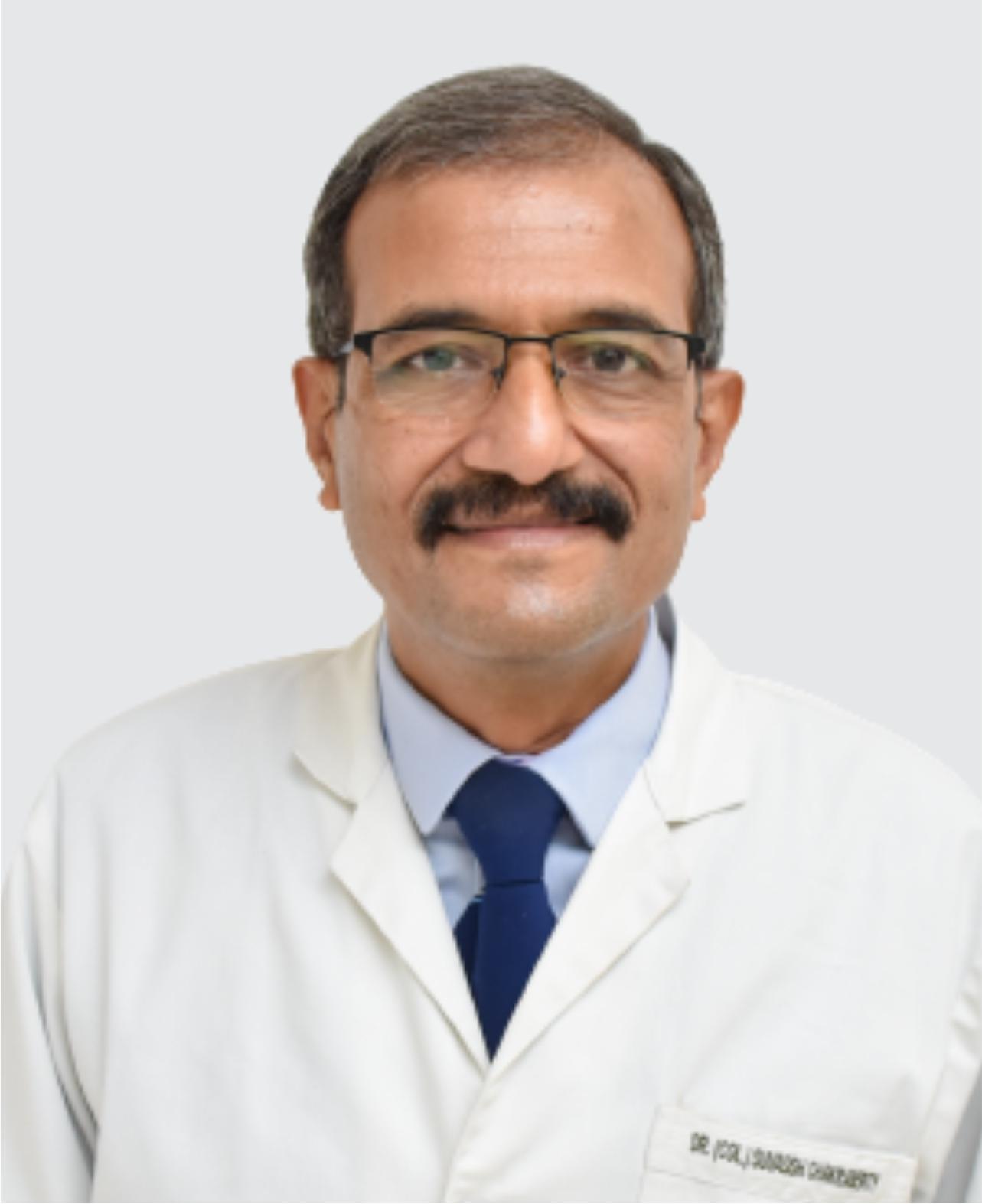
Dr. Chakraberty
Chief - Emergency
Emergency & Trauma Services
New Delhi
25+ Years
Experience
Artemis Hospital
Hospital
1500
Fees

Dr. Deepak Jha
Chief - Breast Surgery & Sr. Consultant : Surgical Oncology
Breast Surgery, Oncology
New Delhi
15+ Years
Experience
Artemis Hospital
Hospital
1500
Fees

Dr. Meenal Thakral
Attending Consultant – Geriatric Medicine
Geriatric Medicine, Geriatric Surgery
New Delhi
3+ Years
Experience
Artemis Hospital
Hospital
1500
Fees
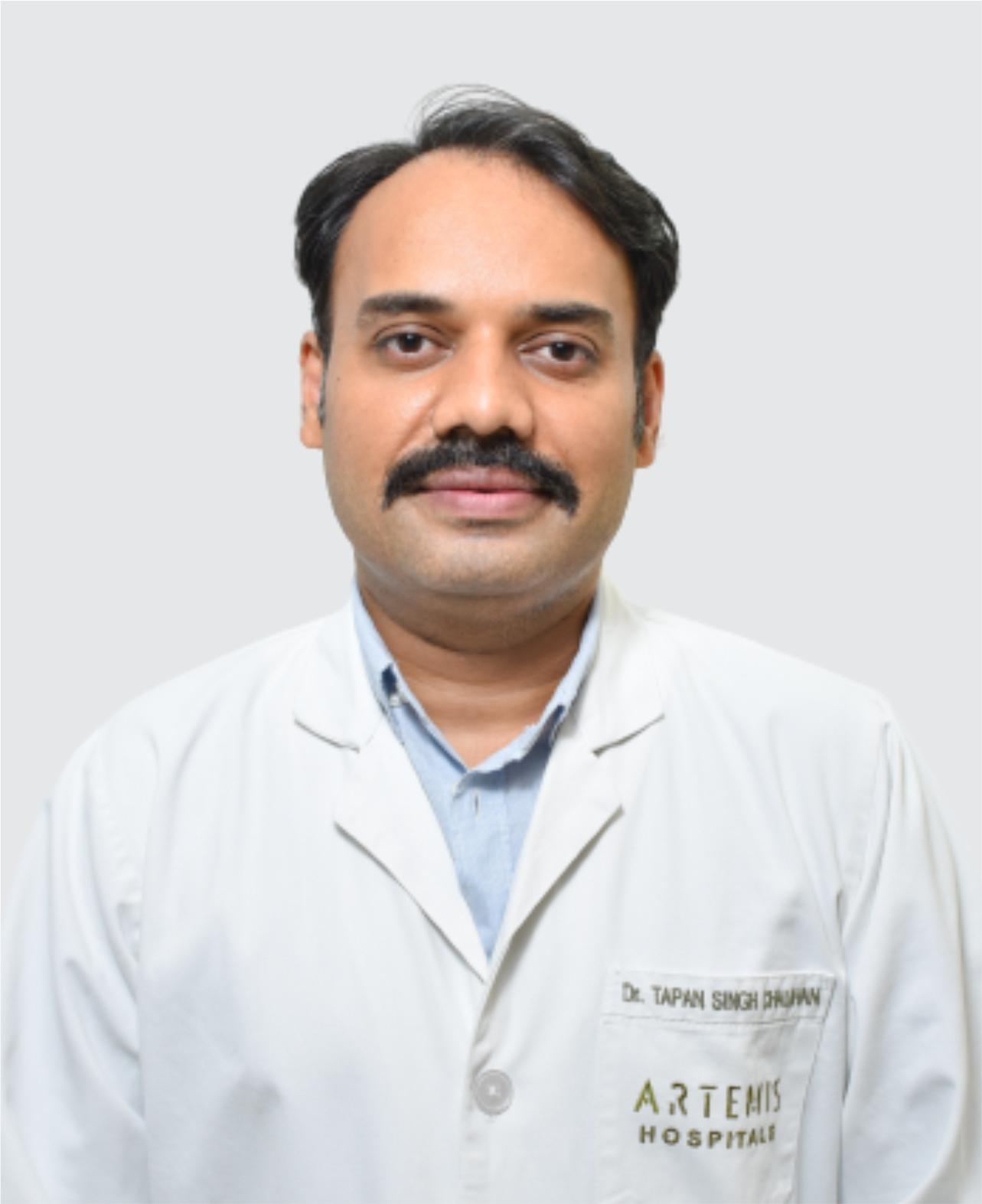
Dr. Tapan Singh Chauhan
Sr. Consultant - Surgical Oncology, Robotics, GI & HPB, Gynae & Peritoneal Surface Oncology
Oncology, Robotic Surgery
New Delhi
15+ Years
Experience
Artemis Hospital
Hospital
1500
Fees
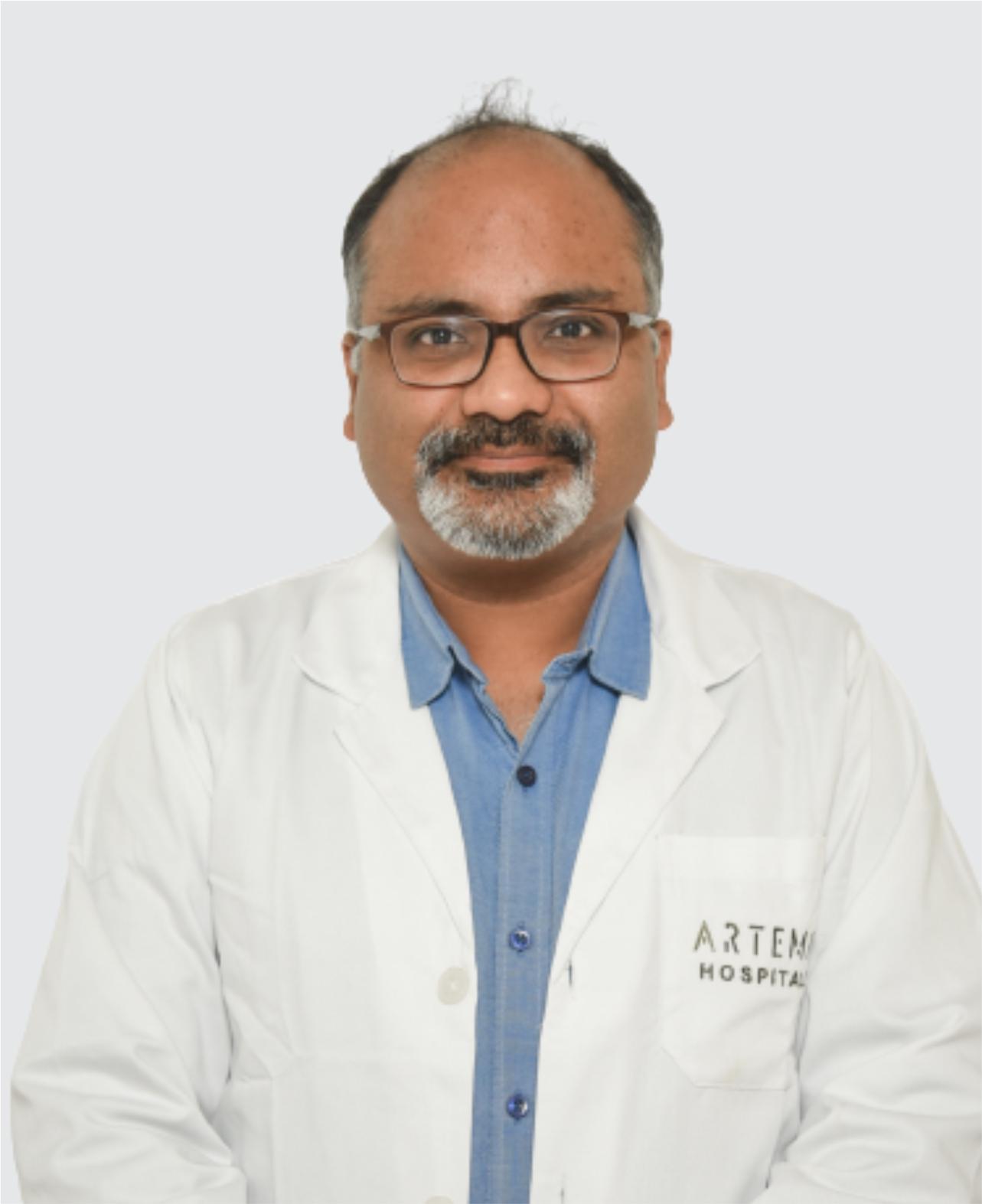
Dr. Varun Mittal
Head - Kidney Transplant & Associate Chief - Uro-Oncology & Robotic Surgery (Unit I)
Nephrology, Organ Transplant, Robotic Surgery, Urology
New Delhi
15+ Years
Experience
Artemis Hospital
Hospital
1500
Fees
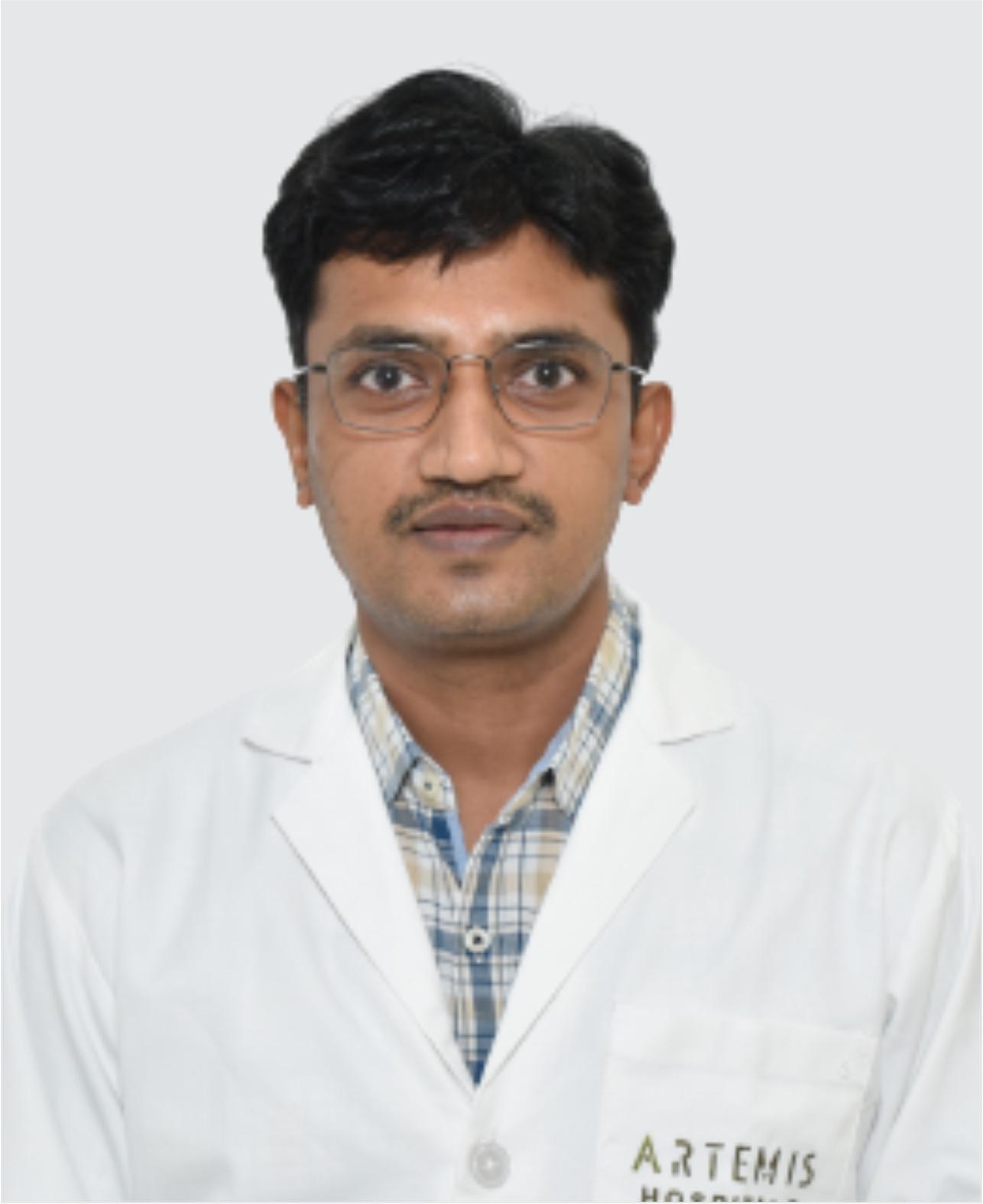
Dr. Nitin Goel
Sr. Consultant
Paediatric Surgery
New Delhi
10+ Years
Experience
Artemis Hospital
Hospital
1500
Fees
Related Links
Other Treatment related Information
International Patient Visiting India
Ready To Start Your Healing Journey?
Get Personalized Medical Treatment Options From India's Top Hospitals. Our Medical Experts Are Ready To Assist You Every Step Of The Way.