Deep Brain Stimulation (DBS) Treatment in Gurugram for Nigeria
Access high-quality treatment through JCI & NABH-accredited hospitals, renowned specialists, and end-to-end medical travel support designed around your healing journey.
Plan My Journey
Tell us your condition and budget - our AI matches the right destination, hospital and doctor and visa pathway
Cost calculator
I know my treatment - show me cost from 3 hospitals
5K+ International Patients Treated
40+ Source Countries Served
500+ Accredited Partner Hospitals
98% Patient Satisfaction
80% Average Savings vs USA
10K+ Doctors
NABH, JCI Accredited Hospitals
Free Treatment Plan
Free Consultation with Doctor
5+ Destinations Covered

Written by DivinHeal Editorial Contributor, DivinHeal Medical Team, Healthcare Advisory Team Published on: February 19, 2026
About
Deep Brain Stimulation (DBS) for Nigerian Patients in Gurugram
Living with severe neurological conditions like Parkinson's disease or essential tremor can bring significant daily challenges. For many Nigerian patients, the search for effective, lasting relief often extends beyond local options, seeking specialized care and advanced treatments that can profoundly improve quality of life. Understanding where to turn for such complex procedures becomes a paramount concern.
Gurugram, India, has emerged as a leading destination for specialized medical care, particularly for advanced neurological interventions like Deep Brain Stimulation (DBS). Patients consider Gurugram for its modern healthcare infrastructure, internationally trained specialists, and state-of-the-art facilities dedicated to complex conditions, providing a focused environment for optimal treatment outcomes.
The city's hospitals are recognized for their robust neurological departments, housing expert neurosurgeons and neurologists who collaborate to offer comprehensive care. This integrated approach ensures thorough pre-operative assessments, precise surgical execution, and well-coordinated post-operative follow-up within Gurugram, building trust in the entire treatment journey.
Considering Gurugram for your Deep Brain Stimulation might offer the solution you seek.
What is Deep Brain Stimulation (DBS)?
Deep Brain Stimulation (DBS) is a neurosurgical procedure involving the implantation of electrodes within specific areas of the brain. These electrodes produce electrical impulses that regulate abnormal brain activity, helping to alleviate symptoms of various neurological disorders. The impulses are generated by a small device, similar to a pacemaker, placed under the skin in the chest, connected to the electrodes by thin wires. This therapy aims to improve motor control, reduce involuntary movements, and enhance overall functional abilities when medications are no longer effective or cause severe side effects.
Applications of Deep Brain Stimulation
While DBS is a specific type of surgical treatment, its application varies depending on the underlying neurological condition and the specific brain region targeted. The primary conditions for which DBS is considered include:
- Parkinson's Disease: Targeting areas like the subthalamic nucleus (STN) or globus pallidus interna (GPi) to reduce tremors, rigidity, slowness of movement, and gait problems.
- Essential Tremor: Often targeting the ventral intermediate nucleus (VIM) of the thalamus to control severe, medication-resistant tremors.
- Dystonia: Typically targeting the globus pallidus interna (GPi) to alleviate sustained muscle contractions causing twisting and repetitive movements or abnormal postures.
- Obsessive-Compulsive Disorder (OCD): For severe, refractory cases, targeting specific areas involved in OCD circuits.
- Epilepsy: In select patients with intractable epilepsy, targeting regions like the anterior nucleus of the thalamus (ANT) to reduce seizure frequency.
When is Deep Brain Stimulation Required?
- Significant motor symptoms of Parkinson's disease that are no longer well-controlled by medication.
- Severe, disabling tremors in essential tremor patients despite optimal drug therapy.
- Painful or disabling involuntary muscle contractions in dystonia that do not respond to other treatments.
- Intolerable side effects from medications used to treat Parkinson's or essential tremor.
- Specific cases of severe obsessive-compulsive disorder or epilepsy where conventional treatments have failed.
- When a patient's quality of life is severely impacted by their neurological condition, and they meet specific medical criteria for the procedure.
Pre-Treatment Evaluation for DBS
- Comprehensive Neurological Assessment: Detailed examination by a movement disorder specialist to confirm diagnosis and assess symptom severity.
- Neuroimaging: High-resolution MRI of the brain to identify target areas for electrode placement and rule out other conditions.
- Psychological and Neuropsychological Evaluation: To assess cognitive function, mood, and suitability for surgery.
- Medication Review and Challenge Tests: Evaluating response to current medications and often performing "on/off" tests for Parkinson's patients.
- Review of Medical History: To identify any existing health conditions that might impact surgical risk or recovery.
- Blood Tests and General Health Screenings: Standard pre-operative checks to ensure overall fitness for surgery.
How Deep Brain Stimulation is Performed
The DBS procedure is a multi-stage surgical process tailored to each patient's specific condition and neurological needs.
Initial Stage: Electrode Implantation
This stage involves implanting thin lead wires, or electrodes, into precise areas of the brain. The patient may be awake during part of this surgery to allow for neurological testing and ensure optimal electrode placement, though some centers use general anesthesia with advanced imaging guidance. A stereotactic frame or frameless system is used with MRI or CT scans to guide the surgeon to the exact target location. Microelectrode recording helps fine-tune the placement.
Second Stage: IPG Implantation
Following electrode placement, usually on the same day or a day later, the Impulse Pulse Generator (IPG) is implanted. This small neurostimulator device is typically placed under the skin near the collarbone in the chest. Wires from the brain electrodes are then tunneled under the skin and connected to the IPG, which then delivers continuous, low-level electrical stimulation.
Post-Surgical Programming
After the surgical sites heal, usually a few weeks later, the IPG is programmed by a neurologist or specialist. This involves using a handheld device to adjust the stimulation settings to optimize symptom control and minimize potential side effects. Several programming sessions may be required over time to find the most effective settings.
Considering DBS for Your Condition?
Reach out to Gurugram's top neurological centers today for a personalized evaluation and to understand your treatment options.
Recovery Process After DBS
Recovery from Deep Brain Stimulation involves both surgical healing and the crucial process of device programming and adjustment. Initial hospital stay typically lasts a few days, focusing on managing any post-surgical discomfort and monitoring for complications. Patients will have mild restrictions on physical activity for several weeks to allow the surgical sites to heal. The most significant part of recovery involves multiple follow-up appointments for IPG programming, which can take several months to achieve optimal symptom control. Physical therapy, occupational therapy, and speech therapy might be recommended to maximize functional improvements and adapt to the changes brought by the stimulation. Ongoing monitoring and occasional reprogramming are part of the long-term management.
Risks and Success Rates of DBS
- Surgical Risks: Including infection at the incision sites or within the brain, bleeding within the brain, or stroke (rare).
- Device-Related Risks: Such as lead fracture or migration, battery failure requiring replacement, or hardware erosion through the skin.
- Side Effects of Stimulation: May include speech difficulties, balance problems, muscle contractions, or mood changes, which are often reversible with programming adjustments.
- Cognitive or Mood Changes: While DBS can improve some aspects, some patients may experience temporary or persistent changes in memory, mood, or behavior.
Deep Brain Stimulation has generally high success rates in significantly improving motor symptoms for appropriately selected patients with Parkinson's disease, essential tremor, and dystonia. For Parkinson's, many patients experience a 50-70% improvement in motor symptoms and a reduction in medication. Success rates for essential tremor can be even higher, with significant tremor reduction in 60-90% of patients. Outcomes vary based on the specific condition, the patient's individual response, precise electrode placement, and effective post-surgical programming. Long-term expectations include sustained symptom control and enhanced quality of life, although DBS does not cure the underlying disease.
Cost of Deep Brain Stimulation (DBS) in Gurugram
The cost of Deep Brain Stimulation in Gurugram varies significantly based on several factors. These include the choice of hospital (private vs. corporate), the specific type of DBS system used (e.g., standard vs. directional electrodes, rechargeable vs. non-rechargeable battery), the neurosurgeon's experience, the complexity of the patient's condition, and the length of hospital stay. Pre-operative evaluations and post-operative programming sessions also contribute to the overall expenditure.
In Gurugram, the estimated cost for Deep Brain Stimulation typically ranges from INR 12,00,000 to INR 25,00,000.
DBS Treatment Cost Comparison: Gurugram vs. Other Countries
Gurugram offers a highly competitive pricing structure for advanced procedures like DBS, often at a fraction of the cost found in Western countries, without compromising on quality or outcomes. This value proposition makes it an attractive option for international patients seeking high-quality neurological care.
| Location | Estimated Cost Range (USD) |
|---|---|
| Gurugram, India | $14,000 - $30,000 |
| United States | $80,000 - $150,000 |
| United Kingdom | $45,000 - $90,000 |
| Germany | $32,000 - $65,000 |
| Thailand | $25,000 - $45,000 |
Comprehensive Support Services for International Patients
- Facilitation of medical visas and necessary travel documents.
- Assistance with airport transfers and comfortable accommodation arrangements.
- Coordination of all medical appointments and consultations with specialists.
- Access to dedicated international patient care executives for continuous support.
- Translation services to ensure clear communication between patients and medical staff.
- Guidance on local transportation and logistical needs during your stay in Gurugram.
Essential Medical Documents for Your Journey
- Copies of your passport and visa for entry into India.
- All past medical reports, imaging scans (MRI, CT), and diagnostic test results.
- A detailed medical summary from your referring physician, outlining your diagnosis and treatment history.
- List of current medications, including dosages.
- Any relevant psychological or neuropsychological assessment reports.
Preparing for Your Deep Brain Stimulation Procedure
- Follow all specific dietary and medication instructions provided by your medical team before travel and surgery.
- Arrange for a companion to travel with you, as support during and after such a significant procedure is invaluable.
- Ensure your travel and accommodation plans align with your expected treatment and recovery timeline.
- Discuss any concerns or questions you have with your healthcare coordinator before departing Nigeria.
- Pack comfortable clothing suitable for a hospital stay and subsequent recovery period.
Aftercare and Recovery Instructions
- Adhere strictly to wound care instructions to prevent infection at the surgical sites.
- Attend all scheduled follow-up appointments for neurostimulator programming and adjustments.
- Avoid strenuous activities or heavy lifting for the period advised by your surgeon to ensure proper healing.
- Monitor for any signs of infection, fever, or unexpected neurological changes and report them immediately.
- Engage in recommended rehabilitation therapies to optimize your physical and functional recovery.
- Maintain regular communication with your Gurugram medical team, especially during the initial programming phase.
Ready to Explore DBS in Gurugram?
Connect with our patient care team for detailed information, cost estimates, and to begin your treatment planning.
Take Your Next Step Toward Improved Well-being
Choosing Deep Brain Stimulation is a significant decision. Gurugram's expert medical facilities are prepared to offer you world-class care and support throughout your journey to better health.
Hospitals
NABH & JCI Accredited Hospitals in India,Turkey, Thailand & UAE.
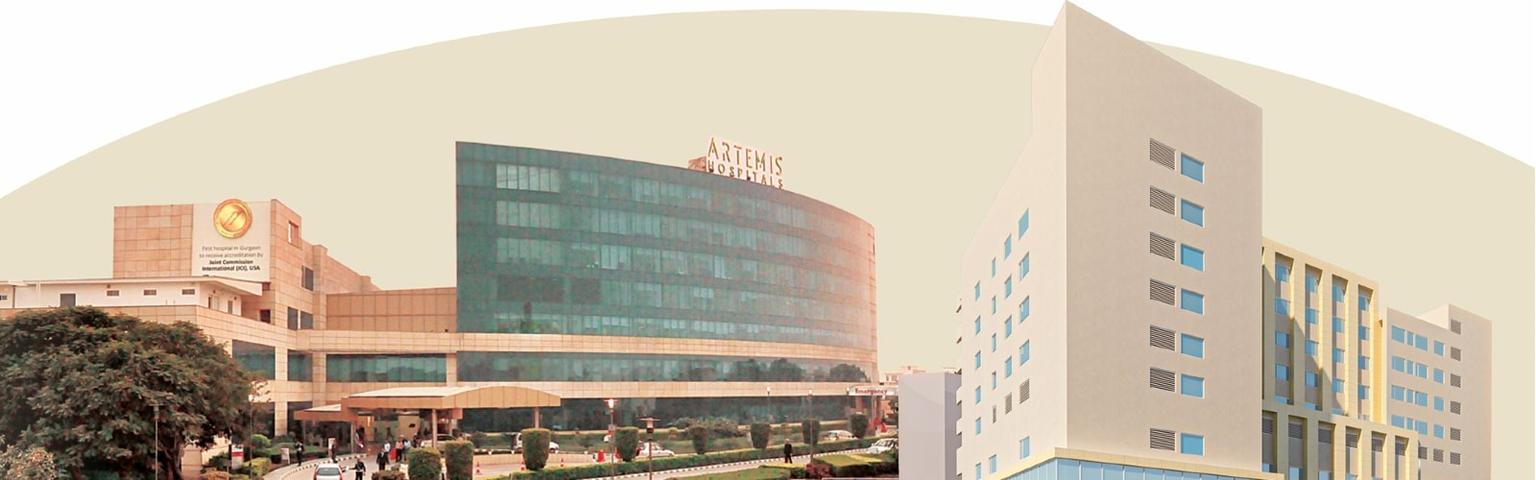
Artemis Hospital
Sector 51, Gurugram, Haryana, India
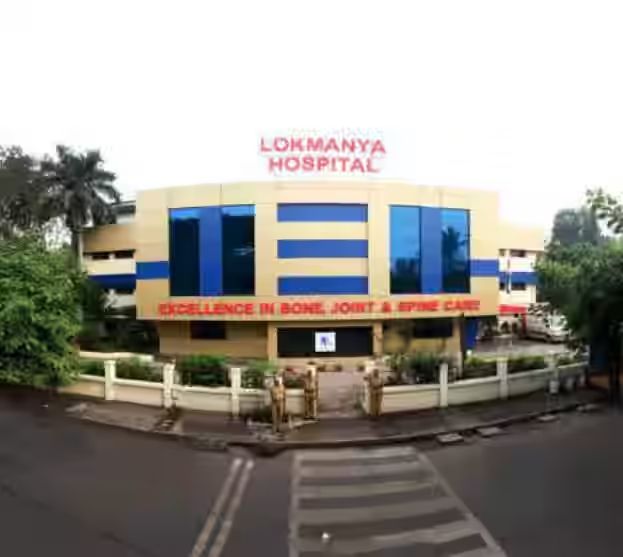
Lokmanya Hospitals
Not Specified
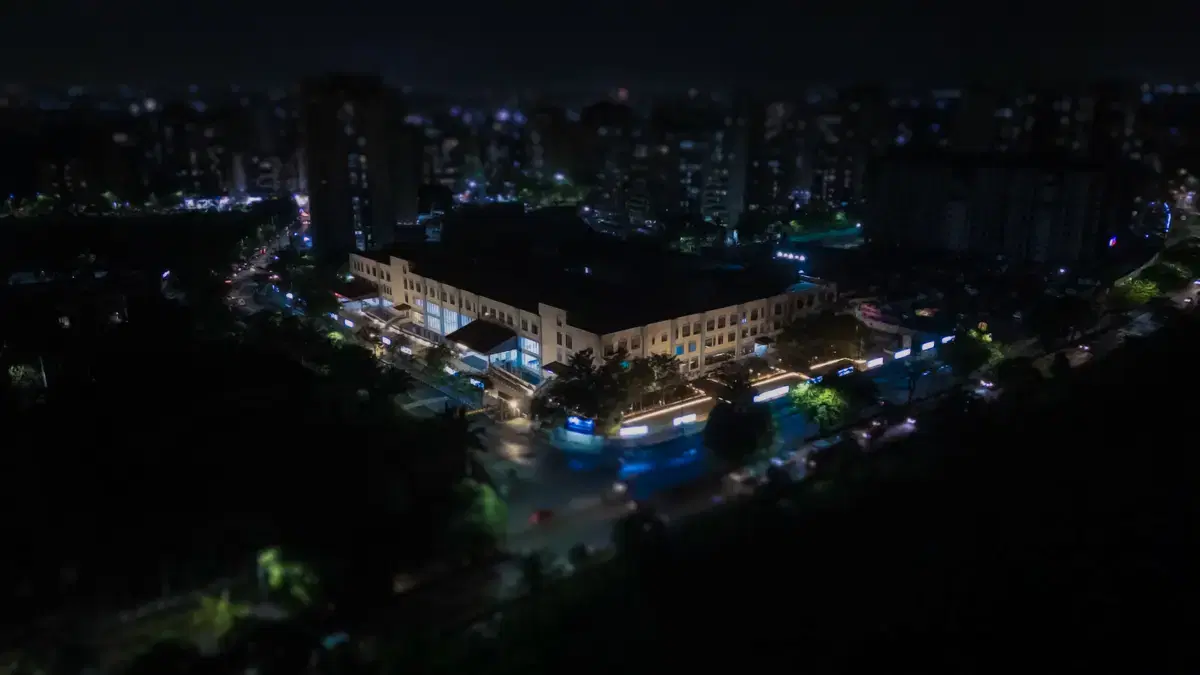
White Lotus Hospital
766, SFS 3145, SFS Road, 7th Sector, HSR Layout, Bengaluru, Karnataka 560102, India
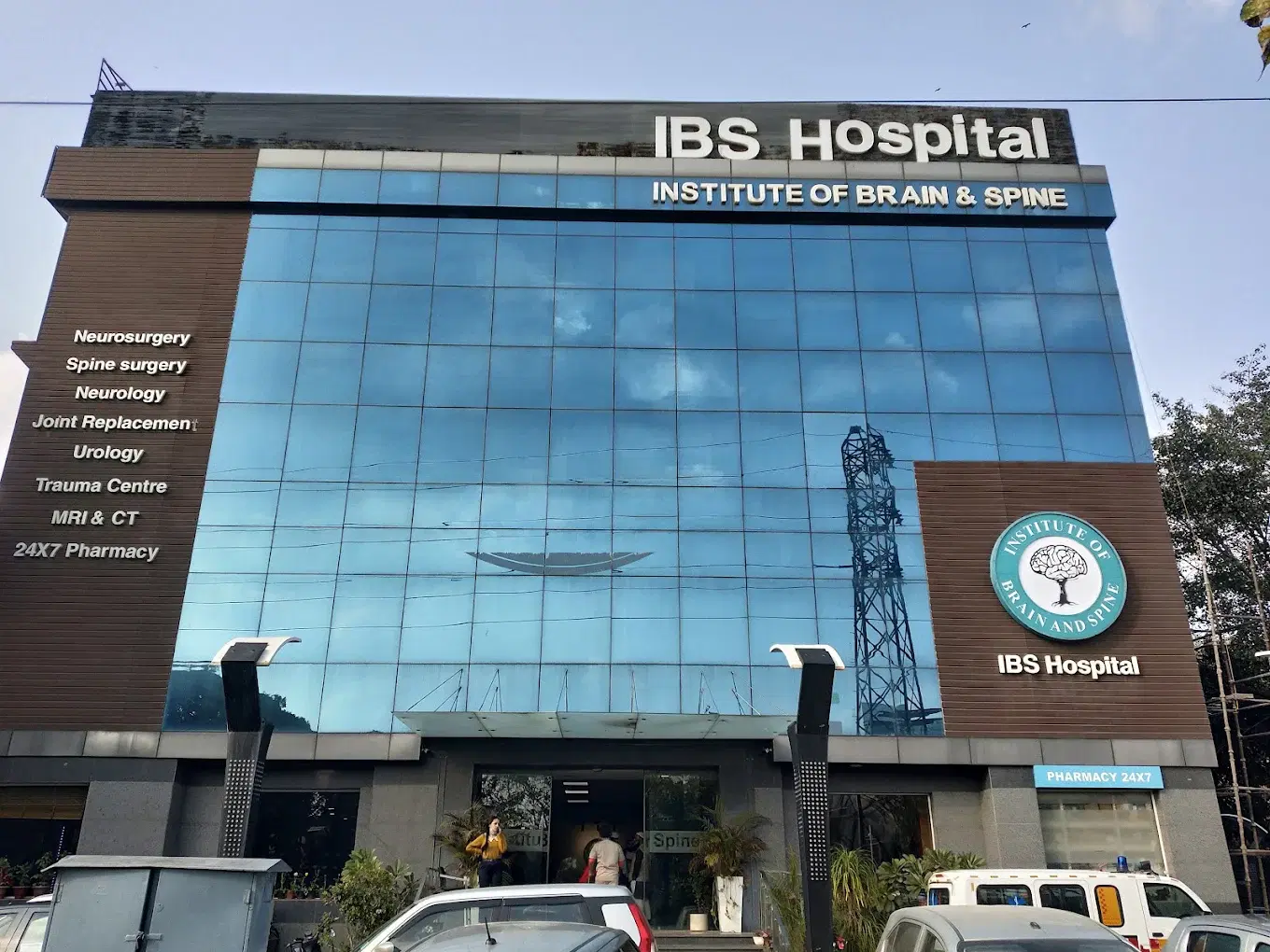
Institute of Brain and Spine (IBS Hospital)
Not Specified
Meet Our Medical Specialists




Sr. Consultant - Urology & Kidney Transplant Program (Unit I)
Dr. Abhinandan Mukhopadhyay
MBBS, MD
India

Sr. Consultant - Urology & Kidney Transplant Program (Unit I)
Dr. Abhinandan Mukhopadhyay
MBBS, MD
India
How DivinHeal Helps
We simplify your medical journey by providing comprehensive support and access to world-class healthcare.
Expert Specialist Matching
Connecting you with the world's top-rated medical experts.
Accredited Hospital Network
Access to JCI & NABH certified healthcare facilities.
Complete Travel Coordination
Hassle-free visa, stay, and local transport assistance.
24/7 Personal Care
Dedicated patient advisors supporting you at every step.
Journey Guidance
Full guidance from start to end of the patient treatment journey.
Expert Specialist Matching
Connecting you with the world's top-rated medical experts.
Everything you
need to know today
Browse through these common inquiries to better understand our patient-focused medical platform.
Yes, we work with a variety of insurance providers. Contact our team to verify your coverage.
Yes, we provide secure online consultations with experienced specialists.
Our care coordinators help match you with the most suitable specialist.
Absolutely. Your medical information is protected according to healthcare privacy standards.
Look at six things: accreditation (JCI or NABH), specialty depth, doctor credentials and experience, procedure-specific success rates, international patient support, and technology. DivinHeal's AI-driven matching evaluates every hospital in our accredited partner network on these dimensions and shortlists the best-fit options for your condition, budget, and country.
JCI (Joint Commission International) is the US-based global gold standard for hospital quality, recognised worldwide. NABH is India's national accreditation — accredited by ISQua, the same body that accredits JCI. Both signal independently verified safety and quality. Most of India's leading hospitals hold both.
Yes. All three welcome international patients through structured medical visa programs. India is the most established, treating patients from Africa, the Middle East, and South Asia at 60–80% lower cost. Thailand leads in cosmetic and dental care. The UAE is emerging in oncology and reproductive medicine.
Most patients save 50–80% on treatment costs. Heart bypass costs US $7,000–9,000 in India compared to $70,000–150,000 in the US. IVF costs $3,000–4,500 compared to $12,000–20,000 in the UK. Even after flights, visa, and accommodation, total savings remain 60–70%.
DivinHeal manages your entire non-medical journey: visa invitation letters, medical visa guidance, doctor appointments, teleconsultations, airport pickup, hospital-vetted accommodation for you and your attendant, language interpreters, local transport, cuisine preferences, and post-treatment follow-up — one dedicated coordinator from first enquiry to final follow-up.
You need a valid passport (6+ months validity), a medical visa (M-Visa for India — DivinHeal provides the hospital invitation letter), return flight tickets, recent medical reports and a doctor's referral, current prescription list, and proof of financial means. Any accompanying attendant needs their own passport and MX-Visa.
Still have more questions?
Book a call with our friendly team to learn how DivineHeal simplifies your healthcare journey.