Deep Brain Stimulation (DBS) Treatment in Hyderabad for Bangladesh
Access high-quality treatment through JCI & NABH-accredited hospitals, renowned specialists, and end-to-end medical travel support designed around your healing journey.
Plan My Journey
Tell us your condition and budget - our AI matches the right destination, hospital and doctor and visa pathway
Cost calculator
I know my treatment - show me cost from 3 hospitals
5K+ International Patients Treated
40+ Source Countries Served
500+ Accredited Partner Hospitals
98% Patient Satisfaction
80% Average Savings vs USA
10K+ Doctors
NABH, JCI Accredited Hospitals
Free Treatment Plan
Free Consultation with Doctor
5+ Destinations Covered

Written by DivinHeal Editorial Contributor, DivinHeal Medical Team, Healthcare Advisory Team Published on: February 19, 2026
About
Deep Brain Stimulation in Hyderabad for Bangladesh Patients
For many patients in Bangladesh facing severe, uncontrollable movement disorders, the thought of finding effective, long-term relief can be daunting. Dealing with persistent tremors, rigidity, or dyskinesia often brings daily challenges and a constant search for advanced treatment options beyond local availability. The uncertainty of navigating complex medical procedures abroad, like Deep Brain Stimulation, is a significant concern.
Patients from Bangladesh increasingly look to Hyderabad as a premier destination for specialized neurosurgical care. The city has established itself with state-of-the-art medical infrastructure and a focus on patient-centric services. This environment offers a seamless transition for international patients seeking high-level interventions and coordinated care.
Hyderabad’s hospitals are recognized for their excellence in neurosciences, housing teams of highly experienced neurologists and neurosurgeons. These facilities often hold international accreditations, ensuring world-class standards in patient safety and clinical outcomes. For patients, this means access to reliable medical expertise and comprehensive follow-up arrangements within the city.
Hyderabad provides robust and reliable Deep Brain Stimulation solutions for international patients.
Considering DBS in Hyderabad? Connect with our patient support team for personalized guidance.
What is Deep Brain Stimulation (DBS)?
Deep Brain Stimulation (DBS) is a precise neurosurgical procedure that involves implanting thin wires, called electrodes, into specific areas of the brain. These electrodes are connected to a small, battery-operated device (neurostimulator) placed under the skin in the chest, similar to a pacemaker. The device sends continuous, controlled electrical pulses to the brain region, helping to regulate abnormal brain activity. DBS does not destroy brain tissue but rather modulates neural circuits, significantly reducing or controlling symptoms associated with various neurological conditions, particularly movement disorders, when medications are no longer effective or cause severe side effects.
Common Approaches to Deep Brain Stimulation
Deep Brain Stimulation is tailored to each patient's specific condition and symptoms. The primary variations relate to the target area in the brain and the extent of the implantation.
- Bilateral DBS: Electrodes are implanted on both sides of the brain, often targeting areas like the subthalamic nucleus (STN) or globus pallidus interna (GPi) to address symptoms affecting both sides of the body.
- Unilateral DBS: In certain cases, electrodes may be implanted on only one side of the brain, typically to manage symptoms predominantly affecting one side of the body.
- Targeted Nuclei Selection: The choice of brain target (e.g., STN for Parkinson's motor symptoms, GPi for dystonia, thalamus for essential tremor) is crucial and determined by the patient's primary symptoms and underlying condition.
- Directional Leads: Newer DBS systems use directional leads, allowing for more precise stimulation control and potentially reducing side effects by shaping the electrical field.
- Responsive DBS Systems: Some advanced systems can detect abnormal brain activity and deliver stimulation only when needed, offering a more adaptive approach to symptom management.
- IPG (Implantable Pulse Generator) Types: Rechargeable IPGs offer longer battery life, while non-rechargeable ones require replacement surgery after several years. The choice depends on patient preference and lifestyle.
When is Deep Brain Stimulation Considered?
- Severe Parkinson's disease with debilitating motor fluctuations (on/off periods) or dyskinesia that are poorly controlled by medication.
- Essential Tremor that significantly impairs daily activities and has not responded adequately to medical therapies.
- Generalized or segmental Dystonia causing severe, persistent muscle contractions and abnormal postures, unresponsive to other treatments.
- Severe Obsessive-Compulsive Disorder (OCD) that is refractory to standard psychiatric treatments, including medication and psychotherapy.
- Certain forms of refractory Epilepsy when other treatment options have failed, and seizure focus cannot be removed surgically.
- Chronic pain conditions, in select cases, where conventional treatments have not provided sufficient relief.
Comprehensive Pre-DBS Evaluation
- A thorough neurological examination by a movement disorder specialist or neurosurgeon to assess symptoms and medication response.
- High-resolution brain imaging, typically MRI, to precisely map brain structures and identify the optimal target for electrode placement.
- Neuropsychological assessment to evaluate cognitive function, memory, and executive abilities, which helps predict outcomes and potential risks.
- Psychiatric evaluation to screen for conditions like depression or anxiety, which can affect surgical candidacy and post-operative adjustment.
- Extensive review of current medications and medical history to ensure patient safety and optimize pre-operative management.
- Blood tests and other routine diagnostic screenings to confirm overall health status and rule out any contraindications for surgery.
How Deep Brain Stimulation is Performed
The Deep Brain Stimulation procedure is a multi-stage process, meticulously planned and executed to ensure precise electrode placement and effective symptom management. The specific steps can vary slightly depending on the patient's condition and the surgical team's approach.
Pre-Surgical Planning
Detailed imaging, including MRI and CT scans, is performed to create a three-dimensional map of the patient's brain. This allows the surgical team to precisely identify the target area for electrode placement, minimizing risks and maximizing therapeutic effect. A stereotactic frame may be affixed to the patient's head to guide the surgical instruments with extreme accuracy.
Surgical Implantation
During the surgery, small holes are made in the skull. Microelectrodes are used to map brain activity in the target region, confirming the optimal site for the permanent DBS electrodes. Once the ideal location is identified, the permanent electrodes are carefully inserted. In some cases, the patient may be awake during part of this procedure to help the surgeon evaluate the immediate effects of stimulation on their symptoms.
Neurostimulator Implantation
Following electrode placement, the patient undergoes a second, typically shorter procedure, usually under general anesthesia. The implantable pulse generator (IPG) or battery pack is placed under the skin in the upper chest, just below the collarbone. Tunnels are created under the skin to connect the electrodes in the brain to the IPG using extension wires.
Post-Surgical Programming
Several weeks after the surgery, once the brain has healed, the IPG is activated and programmed by a neurologist or specially trained clinician. This involves adjusting the stimulation parameters (voltage, pulse width, frequency) to achieve optimal symptom control with minimal side effects. This programming is an ongoing process, often requiring multiple follow-up visits to fine-tune settings as needed.
Navigating the DBS Recovery Process
Recovery from Deep Brain Stimulation involves several phases, starting with the immediate post-operative period in the hospital. Patients typically stay for a few days for monitoring and initial healing. Mild pain or discomfort at the incision sites is common and managed with medication. Restrictions on heavy lifting or strenuous activities are usually advised for several weeks to allow proper healing and prevent displacement of the implanted hardware. Physical and occupational therapy may be recommended to help patients adjust to their improved motor control and regain functional independence. Regular follow-up appointments are crucial for programming adjustments and long-term management of the DBS system. The full benefits of DBS often become apparent over several months as programming is optimized.
Understanding DBS Risks and Success Rates
- Infection at the surgical site or involving the implanted hardware, which may require antibiotic treatment or, in rare cases, removal of components.
- Bleeding within the brain (intracranial hemorrhage), a serious but uncommon complication that can lead to neurological deficits.
- Temporary or permanent neurological side effects such as speech problems, balance issues, or confusion, often related to stimulation settings or electrode placement.
- Hardware-related complications like lead fracture, erosion of the device through the skin, or malfunction of the IPG, potentially requiring revision surgery.
- Mood changes, anxiety, or depression can sometimes occur following DBS, necessitating psychiatric evaluation and support.
- Pain or discomfort at the implant sites in the head or chest, usually manageable with medication.
The success rates for Deep Brain Stimulation are generally high, with a significant majority of patients experiencing substantial improvement in their primary symptoms. For Parkinson's disease, DBS can reduce motor fluctuations and dyskinesia by 50-70% on average, often allowing for a reduction in medication. Essential tremor patients frequently see a 60-80% reduction in tremor severity. Dystonia outcomes vary but can be very beneficial for selected patients. The precise outcome depends on factors such as the underlying condition, the patient's overall health, the accuracy of electrode placement, and effective post-operative programming. While DBS offers significant relief, it does not cure the underlying disease, and long-term results are best achieved with ongoing medical management and regular follow-up.
Cost of Deep Brain Stimulation in Hyderabad
The cost of Deep Brain Stimulation in Hyderabad is influenced by several factors, including the reputation and accreditation of the hospital, the experience of the neurosurgical team, the specific type of DBS system used (e.g., standard vs. directional leads, rechargeable vs. non-rechargeable IPG), the duration of hospital stay, and any additional post-operative rehabilitation required. Hyderabad offers competitive pricing for advanced neurological procedures while maintaining high standards of care.
A typical estimate for Deep Brain Stimulation in Hyderabad generally ranges from INR 1,200,000 to INR 2,200,000.
Hyderabad DBS Costs Compared to Global Averages
Patients from Bangladesh often find Hyderabad to be a more economical option for Deep Brain Stimulation compared to Western countries, without compromising on quality or technology.
| Location | Estimated DBS Cost (USD) |
|---|---|
| Hyderabad, India | $14,500 - $26,500 |
| United States | $80,000 - $120,000+ |
| United Kingdom | $55,000 - $85,000 |
| Germany | $45,000 - $70,000 |
| Thailand | $25,000 - $40,000 |
Support Services for Your DBS Journey to Hyderabad
- Assistance with medical visa applications and necessary documentation for patients from Bangladesh.
- Arrangement of suitable accommodation options, including hotels or serviced apartments, close to the hospital.
- Facilitation of airport transfers and local transportation within Hyderabad for appointments and convenience.
- Provision of language interpretation services to ensure clear communication between patients and medical staff.
- Guidance with scheduling all pre-operative consultations, diagnostic tests, and follow-up appointments.
- Dedicated patient care coordinators to assist with all non-medical aspects of your visit and stay.
Important Documents for Your Treatment Trip
- A valid passport with sufficient validity for the duration of your stay in India.
- Approved medical visa from the Indian embassy or consulate in Bangladesh.
- Comprehensive medical reports, diagnostic scans (MRI, CT), and a detailed history of your condition.
- Referral letters from your local physician or neurologist, if applicable.
- Proof of financial capacity to cover treatment and travel expenses.
- Copies of all previous prescriptions and a list of current medications.
Steps to Get Ready for Your Deep Brain Stimulation
- Complete all recommended pre-operative tests and evaluations as instructed by your Hyderabad medical team.
- Discuss any current medications with your doctor, as some may need to be adjusted or stopped before surgery.
- Arrange your travel plans, including flights and accommodation, well in advance of your scheduled procedure.
- Ensure you have a designated caregiver or family member accompanying you for support during your treatment and initial recovery.
- Maintain good overall health by eating nutritious food and avoiding smoking or excessive alcohol consumption.
- Prepare a list of questions for your consultations with the neurosurgeon and care team in Hyderabad.
Aftercare and Follow-Up Instructions
- Adhere strictly to wound care instructions to prevent infection at the surgical sites.
- Avoid activities that could dislodge the implanted devices, such as vigorous head movements or heavy lifting, for the recommended period.
- Attend all scheduled programming sessions with your neurologist to optimize the DBS settings for symptom control.
- Be vigilant for any signs of infection, fever, or unusual discomfort and report them immediately to your medical team.
- Participate in any recommended physical, occupational, or speech therapy to maximize functional improvements.
- Carry your DBS patient identification card at all times, especially when traveling or undergoing medical imaging.
Ready to explore DBS as a solution? Let us help you connect with top neurologists in Hyderabad.
Take Your Next Step Toward Better Health
Considering Deep Brain Stimulation in Hyderabad can be a life-changing decision for patients seeking effective relief from complex neurological conditions.
Hospitals
NABH & JCI Accredited Hospitals in India,Turkey, Thailand & UAE.

Artemis Hospital
Sector 51, Gurugram, Haryana, India
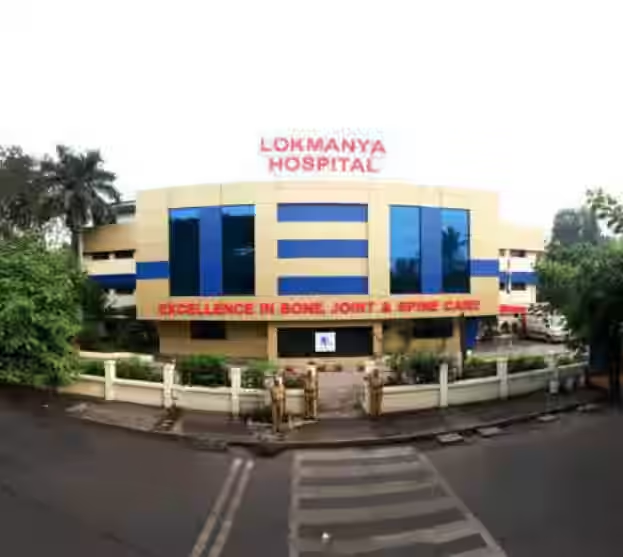
Lokmanya Hospitals
Not Specified

White Lotus Hospital
766, SFS 3145, SFS Road, 7th Sector, HSR Layout, Bengaluru, Karnataka 560102, India
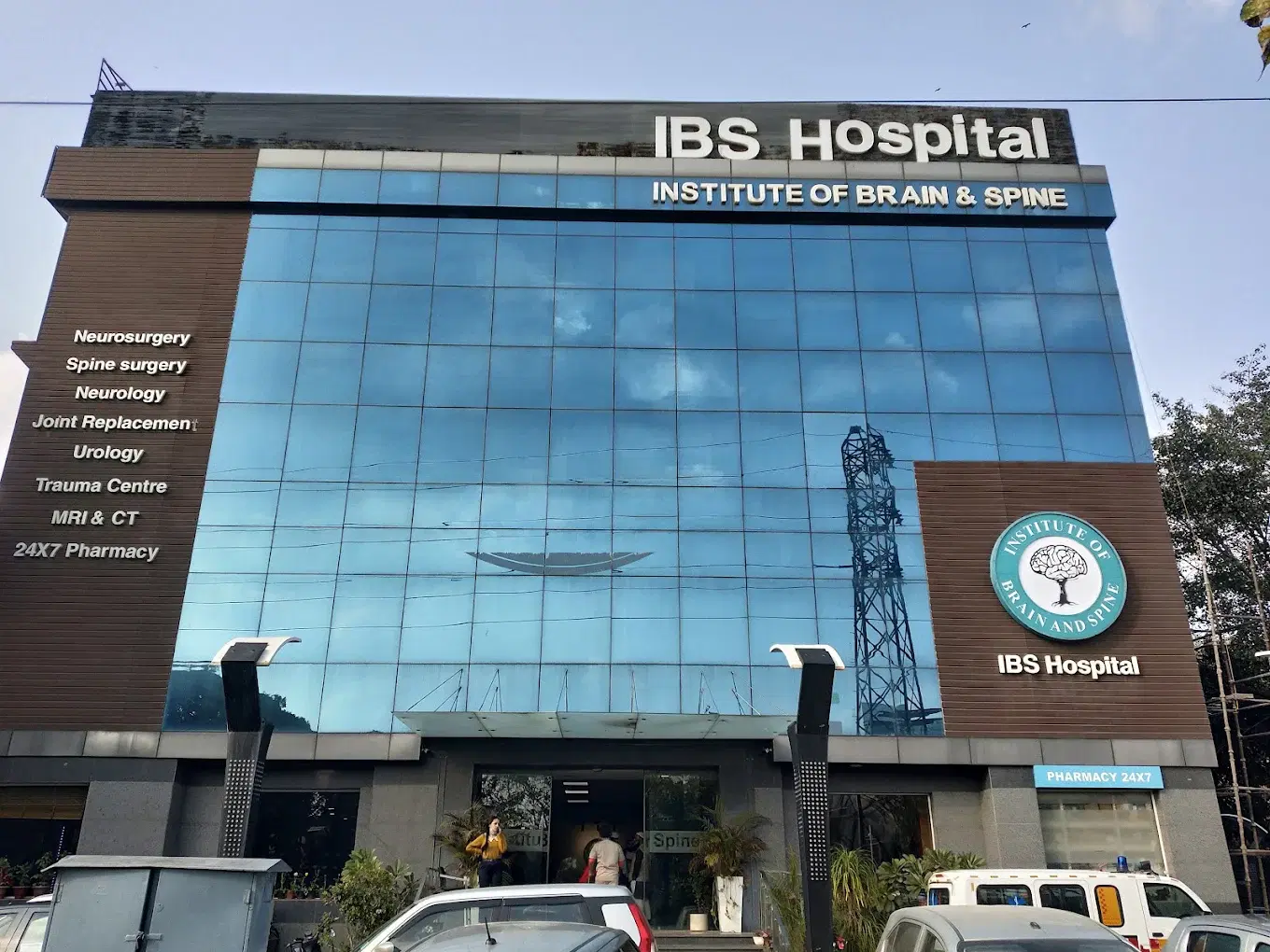
Institute of Brain and Spine (IBS Hospital)
Not Specified
Meet Our Medical Specialists




Sr. Consultant - Urology & Kidney Transplant Program (Unit I)
Dr. Abhinandan Mukhopadhyay
MBBS, MD
India

Sr. Consultant - Urology & Kidney Transplant Program (Unit I)
Dr. Abhinandan Mukhopadhyay
MBBS, MD
India
How DivinHeal Helps
We simplify your medical journey by providing comprehensive support and access to world-class healthcare.
Expert Specialist Matching
Connecting you with the world's top-rated medical experts.
Accredited Hospital Network
Access to JCI & NABH certified healthcare facilities.
Complete Travel Coordination
Hassle-free visa, stay, and local transport assistance.
24/7 Personal Care
Dedicated patient advisors supporting you at every step.
Journey Guidance
Full guidance from start to end of the patient treatment journey.
Expert Specialist Matching
Connecting you with the world's top-rated medical experts.
Everything you
need to know today
Browse through these common inquiries to better understand our patient-focused medical platform.
Yes, we work with a variety of insurance providers. Contact our team to verify your coverage.
Yes, we provide secure online consultations with experienced specialists.
Our care coordinators help match you with the most suitable specialist.
Absolutely. Your medical information is protected according to healthcare privacy standards.
Look at six things: accreditation (JCI or NABH), specialty depth, doctor credentials and experience, procedure-specific success rates, international patient support, and technology. DivinHeal's AI-driven matching evaluates every hospital in our accredited partner network on these dimensions and shortlists the best-fit options for your condition, budget, and country.
JCI (Joint Commission International) is the US-based global gold standard for hospital quality, recognised worldwide. NABH is India's national accreditation — accredited by ISQua, the same body that accredits JCI. Both signal independently verified safety and quality. Most of India's leading hospitals hold both.
Yes. All three welcome international patients through structured medical visa programs. India is the most established, treating patients from Africa, the Middle East, and South Asia at 60–80% lower cost. Thailand leads in cosmetic and dental care. The UAE is emerging in oncology and reproductive medicine.
Most patients save 50–80% on treatment costs. Heart bypass costs US $7,000–9,000 in India compared to $70,000–150,000 in the US. IVF costs $3,000–4,500 compared to $12,000–20,000 in the UK. Even after flights, visa, and accommodation, total savings remain 60–70%.
DivinHeal manages your entire non-medical journey: visa invitation letters, medical visa guidance, doctor appointments, teleconsultations, airport pickup, hospital-vetted accommodation for you and your attendant, language interpreters, local transport, cuisine preferences, and post-treatment follow-up — one dedicated coordinator from first enquiry to final follow-up.
You need a valid passport (6+ months validity), a medical visa (M-Visa for India — DivinHeal provides the hospital invitation letter), return flight tickets, recent medical reports and a doctor's referral, current prescription list, and proof of financial means. Any accompanying attendant needs their own passport and MX-Visa.
Still have more questions?
Book a call with our friendly team to learn how DivineHeal simplifies your healthcare journey.