Deep Brain Stimulation (DBS) Treatment in Pune for Ethiopia
Access high-quality treatment through JCI & NABH-accredited hospitals, renowned specialists, and end-to-end medical travel support designed around your healing journey.
Plan My Journey
Tell us your condition and budget - our AI matches the right destination, hospital and doctor and visa pathway
Cost calculator
I know my treatment - show me cost from 3 hospitals
5K+ International Patients Treated
40+ Source Countries Served
500+ Accredited Partner Hospitals
98% Patient Satisfaction
80% Average Savings vs USA
10K+ Doctors
NABH, JCI Accredited Hospitals
Free Treatment Plan
Free Consultation with Doctor
5+ Destinations Covered

Written by DivinHeal Editorial Contributor, DivinHeal Medical Team, Healthcare Advisory Team Published on: February 19, 2026
About
DBS Treatment in Pune for Ethiopian Patients | Cost & Hospitals
For many patients in Ethiopia living with challenging movement disorders like Parkinson's disease or essential tremor, finding effective and sustainable relief is a primary concern. The journey often involves navigating complex medical decisions, particularly when conventional treatments are no longer sufficient. Concerns about advanced care accessibility and quality are common.
This is why an increasing number of individuals are exploring options beyond their home country. Pune, a prominent medical hub in India, stands out for its specialized neurological care. Patients often narrow their focus to Pune for its concentrated expertise, modern facilities, and streamlined patient coordination processes, ensuring a smoother medical journey.
Pune has cultivated a strong reputation for neurological excellence, boasting highly skilled neurosurgeons and neurologists dedicated to complex procedures like Deep Brain Stimulation (DBS). The city's hospitals offer a supportive environment for international patients, emphasizing comprehensive care that includes pre-treatment evaluation, the procedure itself, and careful post-operative follow-ups within the city.
Is Pune the right choice for your Deep Brain Stimulation treatment?
What is Deep Brain Stimulation (DBS)?
Deep Brain Stimulation (DBS) is a sophisticated neurosurgical procedure that involves implanting electrodes in specific areas of the brain. These electrodes generate electrical impulses that regulate abnormal brain activity, effectively alleviating symptoms of certain movement disorders. It acts like a "brain pacemaker" to help restore more controlled movement. DBS does not cure the condition but significantly improves quality of life by reducing tremors, rigidity, and dyskinesia.
Types of Deep Brain Stimulation Procedures
DBS is primarily categorized by the brain target and the type of device used. The most common targets include the Subthalamic Nucleus (STN) and the Globus Pallidus interna (GPi), chosen based on the patient's specific symptoms and condition.
- STN DBS: Often preferred for Parkinson's disease, particularly to reduce motor fluctuations and dyskinesia.
- GPi DBS: Effective for various movement disorders, including Parkinson's, dystonia, and essential tremor, offering excellent control over motor symptoms.
- VIM DBS: Primarily used for essential tremor, targeting the Ventral Intermediate Nucleus of the thalamus.
Advances also include directional leads, allowing more precise stimulation, and "sensing" DBS systems that can adjust stimulation based on brain activity, offering personalized therapy.
When is Deep Brain Stimulation Required?
- Severe tremors, rigidity, or slowness of movement not adequately controlled by medication.
- Significant motor fluctuations and dyskinesia despite optimal medication management.
- Diagnosis of advanced Parkinson's disease, essential tremor, or dystonia.
- Impact on daily activities and quality of life due to uncontrolled movement symptoms.
- Good overall health with no severe cognitive impairment or psychiatric conditions that would complicate the surgery.
Pre-Treatment Evaluation for DBS
- Comprehensive neurological examination by a movement disorder specialist.
- Detailed review of medical history and current medications.
- Brain imaging, including high-resolution MRI and CT scans, to precisely map target areas.
- Neuropsychological evaluation to assess cognitive function and mood.
- Psychiatric assessment to rule out significant mental health conditions.
- Discontinuation of certain medications under medical supervision for "off-medication" assessments.
- Discussion with the neurosurgical team about risks, benefits, and expected outcomes.
How the DBS Treatment is Performed
The Deep Brain Stimulation procedure is carefully planned and executed, typically involving two main stages, though sometimes combined into one, depending on the patient's condition and hospital protocol.
Surgical Planning and Electrode Implantation
The first stage involves precise mapping of the brain. Using detailed MRI and CT scans, the neurosurgeon identifies the exact target area for electrode placement. A specialized frame may be used to guide instruments, or a frameless robotic system may be employed. During the surgery, tiny electrodes are implanted in the chosen brain region. Patients may be awake during part of this procedure to help verify electrode positioning by performing certain movements or tasks, though general anesthesia is also an option for some cases.
Internal Pulse Generator (IPG) Implantation
Once the electrodes are correctly placed, they are connected by thin wires that run under the skin to an Internal Pulse Generator (IPG). This device, similar to a heart pacemaker, is typically implanted under the skin near the collarbone. The IPG generates electrical impulses that are delivered to the brain electrodes. This part of the surgery is performed under general anesthesia.
Post-Surgical Programming
A few weeks after surgery, once initial healing occurs, the IPG is activated. A neurologist or movement disorder specialist will then program the device, customizing the stimulation settings to optimize symptom control for each individual patient. This programming process may take several follow-up sessions to fine-tune the settings for best results.
Recovery Process After DBS Surgery
The recovery process after DBS surgery involves both initial healing and a period of device programming and adjustment. Immediately after surgery, patients will experience some discomfort at the incision sites. Hospital stays usually range from a few days to a week. Once home, patients need to avoid strenuous activities for several weeks. The electrodes are typically activated a few weeks post-surgery, followed by regular programming sessions to achieve optimal symptom control. Physical therapy and occupational therapy are often recommended to maximize functional improvement and adapt to new motor control. Regular follow-up appointments are crucial for monitoring progress and adjusting device settings.
Risks and Success Rates of DBS
- Potential for surgical complications such as infection at the surgical sites.
- Risk of bleeding within the brain, though rare, can lead to serious complications.
- Lead migration or fracture, where the electrodes may shift or break.
- Hardware-related issues like device malfunction or battery depletion.
- Temporary or permanent neurological side effects, including speech changes or balance problems.
- Psychological effects such as mood changes or impulse control issues, though often manageable with programming adjustments.
The success rates for Deep Brain Stimulation are generally high, with a significant reduction in symptoms for properly selected patients. For Parkinson's disease, patients often experience a 40-70% improvement in motor symptoms, allowing for reduced medication dosage. Essential tremor patients frequently see a 60-90% reduction in tremor severity. Outcomes can vary widely based on the underlying condition, individual patient factors, and the precision of electrode placement and programming. Long-term studies show sustained benefits for many years, significantly enhancing quality of life and functional independence.
Ready to Explore DBS Treatment in Pune?
Contact our patient care team today to discuss your medical needs and learn more about treatment options in Pune.
Reach out for a personalized consultation.
Cost of Deep Brain Stimulation (DBS) in Pune
The cost of Deep Brain Stimulation (DBS) in Pune is influenced by several factors, including the chosen hospital's accreditation and facilities, the specific neurosurgeon's experience, the type of DBS system used (e.g., standard vs. directional leads), the duration of hospital stay, and any additional pre- or post-operative care required. High-end hospitals with state-of-the-art technology might have higher costs compared to others, but also offer advanced facilities and specialist care.
In Pune, the approximate cost for Deep Brain Stimulation surgery can range from INR 1,500,000 to INR 3,000,000, depending on the complexity and specifics of the procedure.
Comparing DBS Treatment Costs: Pune vs. Global Averages
Patients from Ethiopia often find Pune an economically viable option without compromising on quality. Here’s a comparison of DBS costs in Pune against other global medical destinations.
| Location | Approximate DBS Cost (USD) |
|---|---|
| Pune, India | $18,000 - $36,000 |
| United States | $80,000 - $120,000 |
| United Kingdom | $60,000 - $90,000 |
| Germany | $50,000 - $75,000 |
| Thailand | $30,000 - $50,000 |
Comprehensive Support for Your Medical Journey in Pune
- Assistance with medical visa applications and necessary travel documents.
- Coordination of airport transfers and comfortable local accommodation.
- Scheduling all medical appointments, consultations, and diagnostic tests.
- Dedicated patient relations manager to guide you throughout your stay.
- Language interpretation services to ensure clear communication.
- Arrangements for recovery care and post-treatment follow-ups.
Essential Papers for Your Deep Brain Stimulation Visit
- Valid passport and medical visa for India.
- Copies of all relevant medical reports, imaging scans, and diagnostic test results.
- Referral letter from your local physician, if applicable.
- List of current medications, including dosages.
- Proof of financial arrangements for treatment expenses.
- Contact information for your next of kin.
Preparing Effectively for Your DBS Procedure
- Follow all dietary and medication instructions from your medical team.
- Arrange for a companion to travel with you for support and assistance.
- Inform your doctors about any allergies or pre-existing conditions.
- Pack comfortable clothing suitable for a hospital stay and recovery.
- Complete all pre-operative tests as advised by the Pune medical team.
- Ensure all necessary documents are in order before travel.
Guidance for Recovery and Aftercare Post-DBS
- Adhere strictly to wound care instructions to prevent infection.
- Attend all scheduled follow-up appointments for device programming and monitoring.
- Engage in recommended physical and occupational therapy sessions.
- Avoid activities that could impact the device or incision sites.
- Report any new or worsening symptoms, or device-related issues, immediately.
- Maintain open communication with your medical team regarding your progress.
Start Your Path to Improved Health in Pune
Take the first step towards managing your movement disorder effectively. Our team is here to support you.
Connect with us to plan your Deep Brain Stimulation treatment in Pune.
Your Journey Towards a Better Tomorrow
Choosing Deep Brain Stimulation is a significant decision, and Pune offers a blend of advanced medical care, experienced specialists, and compassionate support for patients from Ethiopia. We are here to facilitate a smooth and successful treatment experience.
Hospitals
NABH & JCI Accredited Hospitals in India,Turkey, Thailand & UAE.
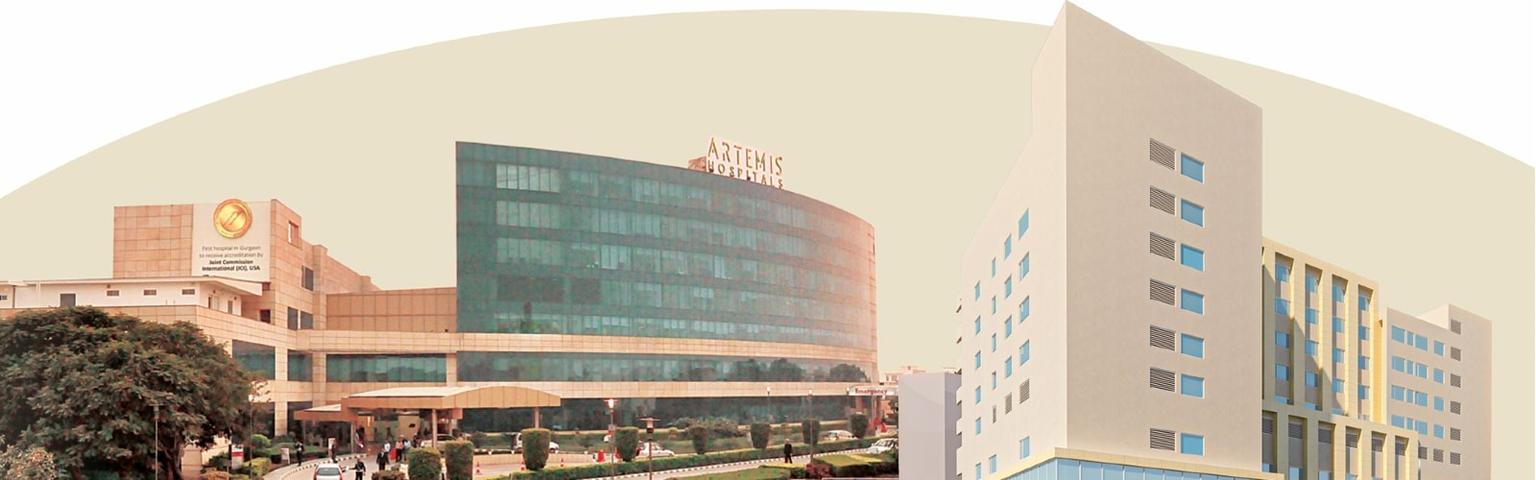
Artemis Hospital
Sector 51, Gurugram, Haryana, India
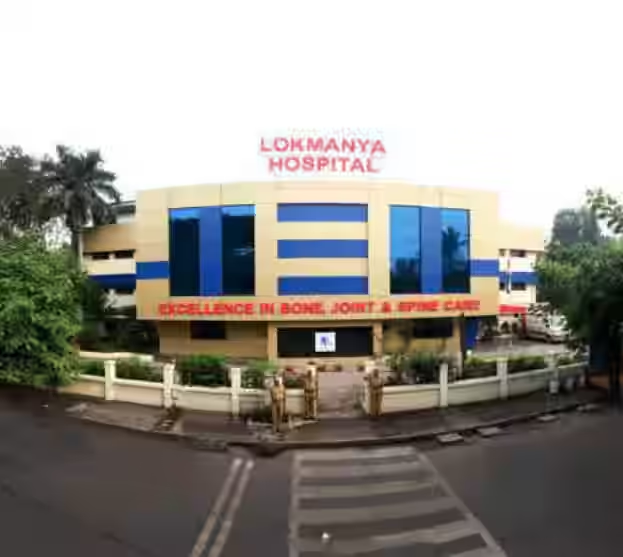
Lokmanya Hospitals
Not Specified
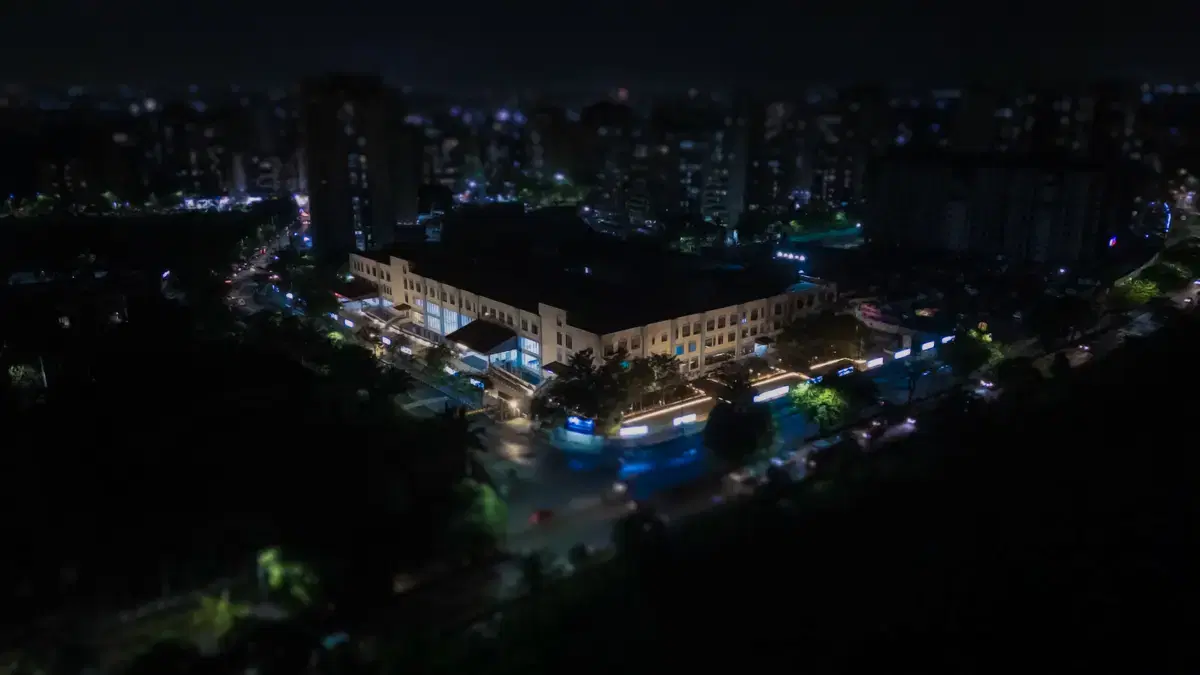
White Lotus Hospital
766, SFS 3145, SFS Road, 7th Sector, HSR Layout, Bengaluru, Karnataka 560102, India
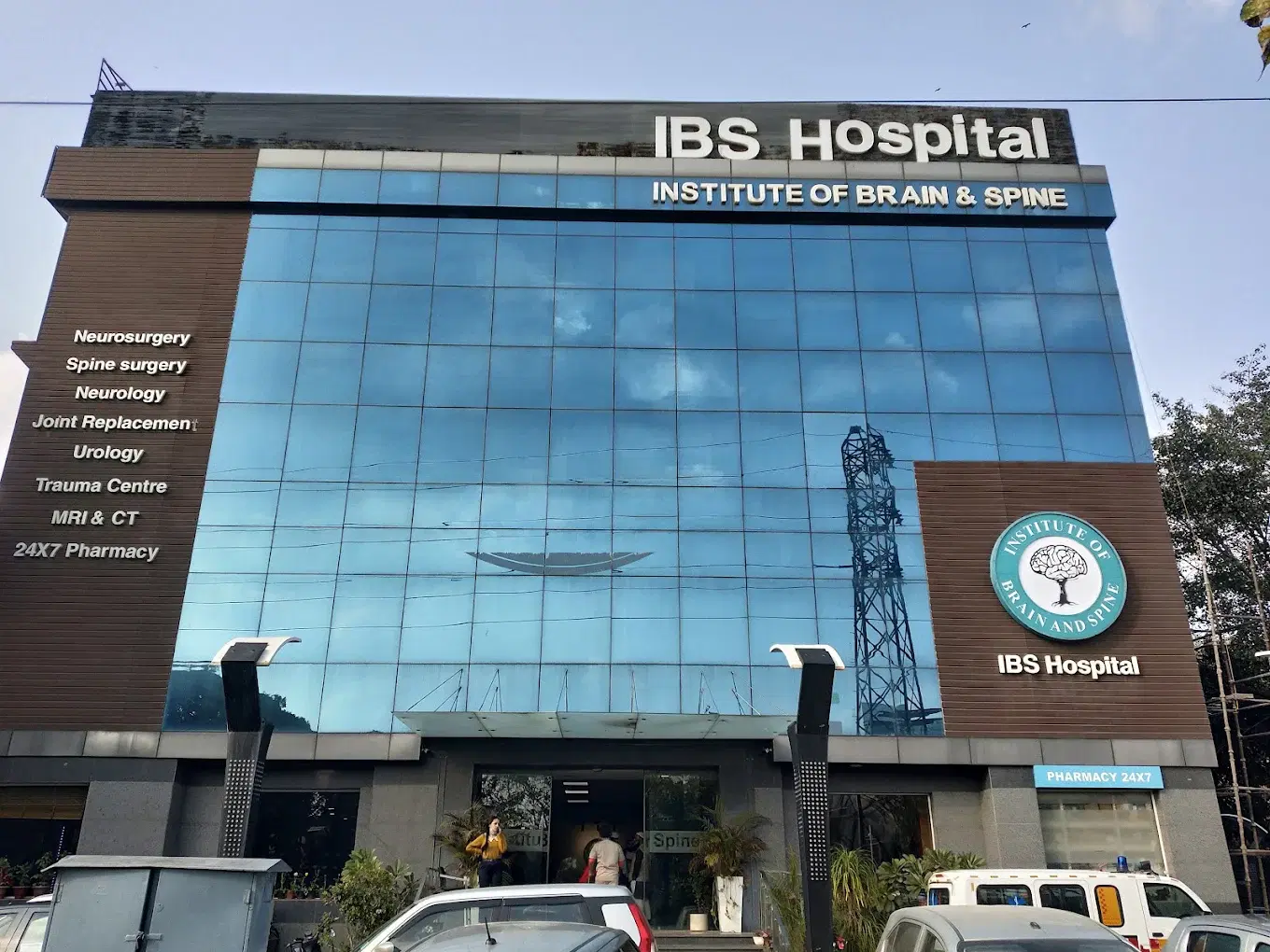
Institute of Brain and Spine (IBS Hospital)
Not Specified
Meet Our Medical Specialists




Sr. Consultant - Urology & Kidney Transplant Program (Unit I)
Dr. Abhinandan Mukhopadhyay
MBBS, MD
India

Sr. Consultant - Urology & Kidney Transplant Program (Unit I)
Dr. Abhinandan Mukhopadhyay
MBBS, MD
India
How DivinHeal Helps
We simplify your medical journey by providing comprehensive support and access to world-class healthcare.
Expert Specialist Matching
Connecting you with the world's top-rated medical experts.
Accredited Hospital Network
Access to JCI & NABH certified healthcare facilities.
Complete Travel Coordination
Hassle-free visa, stay, and local transport assistance.
24/7 Personal Care
Dedicated patient advisors supporting you at every step.
Journey Guidance
Full guidance from start to end of the patient treatment journey.
Expert Specialist Matching
Connecting you with the world's top-rated medical experts.
Everything you
need to know today
Browse through these common inquiries to better understand our patient-focused medical platform.
Yes, we work with a variety of insurance providers. Contact our team to verify your coverage.
Yes, we provide secure online consultations with experienced specialists.
Our care coordinators help match you with the most suitable specialist.
Absolutely. Your medical information is protected according to healthcare privacy standards.
Look at six things: accreditation (JCI or NABH), specialty depth, doctor credentials and experience, procedure-specific success rates, international patient support, and technology. DivinHeal's AI-driven matching evaluates every hospital in our accredited partner network on these dimensions and shortlists the best-fit options for your condition, budget, and country.
JCI (Joint Commission International) is the US-based global gold standard for hospital quality, recognised worldwide. NABH is India's national accreditation — accredited by ISQua, the same body that accredits JCI. Both signal independently verified safety and quality. Most of India's leading hospitals hold both.
Yes. All three welcome international patients through structured medical visa programs. India is the most established, treating patients from Africa, the Middle East, and South Asia at 60–80% lower cost. Thailand leads in cosmetic and dental care. The UAE is emerging in oncology and reproductive medicine.
Most patients save 50–80% on treatment costs. Heart bypass costs US $7,000–9,000 in India compared to $70,000–150,000 in the US. IVF costs $3,000–4,500 compared to $12,000–20,000 in the UK. Even after flights, visa, and accommodation, total savings remain 60–70%.
DivinHeal manages your entire non-medical journey: visa invitation letters, medical visa guidance, doctor appointments, teleconsultations, airport pickup, hospital-vetted accommodation for you and your attendant, language interpreters, local transport, cuisine preferences, and post-treatment follow-up — one dedicated coordinator from first enquiry to final follow-up.
You need a valid passport (6+ months validity), a medical visa (M-Visa for India — DivinHeal provides the hospital invitation letter), return flight tickets, recent medical reports and a doctor's referral, current prescription list, and proof of financial means. Any accompanying attendant needs their own passport and MX-Visa.
Still have more questions?
Book a call with our friendly team to learn how DivineHeal simplifies your healthcare journey.