Deep Brain Stimulation (DBS) Success Rate in Hyderabad
Access high-quality treatment through JCI & NABH-accredited hospitals, renowned specialists, and end-to-end medical travel support designed around your healing journey.
Plan My Journey
Tell us your condition and budget - our AI matches the right destination, hospital and doctor and visa pathway
Cost calculator
I know my treatment - show me cost from 3 hospitals
5K+ International Patients Treated
40+ Source Countries Served
500+ Accredited Partner Hospitals
98% Patient Satisfaction
80% Average Savings vs USA
10K+ Doctors
NABH, JCI Accredited Hospitals
Free Treatment Plan
Free Consultation with Doctor
5+ Destinations Covered

Written by DivinHeal Editorial Contributor, DivinHeal Medical Team, Healthcare Advisory Team Published on: February 19, 2026
About
Deep Brain Stimulation (DBS) Success Rate in Hyderabad and Outcomes
Understanding the Deep Brain Stimulation (DBS) success rate in Hyderabad is vital for patients considering this advanced neurological treatment. Outcomes can vary significantly based on the specific condition being treated, individual patient profiles, and the precise surgical technique employed. Hyderabad has emerged as a key center for specialized neurological care, with increasing data available for review.
The Deep Brain Stimulation (DBS) survival rate in Hyderabad is evaluated through aggregated clinical data and detailed outcome studies. These analyses help in understanding performance across various patient groups and treatment protocols. Outcomes are influenced by factors like disease stage, patient age, and the underlying neurological condition, reflecting a complex interplay.
Defining Success in Deep Brain Stimulation (DBS)
For Deep Brain Stimulation (DBS), "success" typically refers to significant improvement in motor symptoms like tremor, rigidity, and dyskinesia, often leading to a better quality of life. It also encompasses reduced reliance on medication and enhanced functional independence. Understanding these short-term and long-term outcomes helps set realistic expectations for patients and their families.
Deep Brain Stimulation (DBS) Outcome Trends in Hyderabad
Success rates vary depending on treatment approach, underlying condition, and individual patient factors.
| Treatment Type / Condition | Typical Use Case | Success Rate Range (%) | What Success Indicates |
|---|---|---|---|
| Parkinson's Disease (Motor Symptoms) | Moderate-severe PD unresponsive to medication | 60%-85% | Significant reduction in tremor, rigidity, and dyskinesia |
| Essential Tremor | Disabling tremor refractory to medical management | 70%-90% | Substantial decrease in tremor severity, improved motor function |
| Dystonia | Generalized or segmental dystonia, refractory to treatments | 50%-75% | Improvement in abnormal posturing and involuntary movements |
| Obsessive-Compulsive Disorder (OCD) | Severe, chronic, and treatment-resistant OCD | 40%-60% | Reduction in obsessive thoughts and compulsive behaviors |
Deep Brain Stimulation (DBS) Survival Rate by Age in Hyderabad
Outcomes for Deep Brain Stimulation (DBS) are often observed to vary across different age groups and disease stages. While patient-specific factors are paramount, general trends show that younger individuals undergoing treatment may experience distinct benefits. The stage wise Deep Brain Stimulation (DBS) survival rate in Hyderabad also reflects internationally observed patterns, where earlier intervention for certain conditions can influence long-term efficacy.
| Age Group / Patient Category | Primary Condition | Outcome Range (%) |
|---|---|---|
| Under 65 years | Parkinson's Disease (Motor) | 70%-85% |
| Under 65 years | Essential Tremor | 75%-90% |
| 65-75 years | Parkinson's Disease (Motor) | 60%-75% |
| 65-75 years | Essential Tremor | 65%-80% |
| All ages | Refractory Dystonia | 50%-70% |
| All ages | Severe OCD | 40%-60% |
Deep Brain Stimulation (DBS) Outcomes: Hyderabad vs. Global Trends
The Deep Brain Stimulation (DBS) recovery rate in Hyderabad often aligns with international standards, particularly in centers employing advanced technology and experienced neurosurgical teams. When comparable patient selection criteria and treatment protocols are followed, outcomes in the region reflect global clinical trends.
| Region/Country | Deep Brain Stimulation (DBS) Outcome Range (%) |
|---|---|
| Hyderabad, India | 65%-85% |
| United States | 70%-88% |
| United Kingdom | 68%-86% |
| Germany | 70%-87% |
| Canada | 67%-85% |
| Australia | 65%-84% |
| Singapore | 68%-85% |
These success rates are indicative and can vary significantly based on individual patient condition, disease progression, and the specific treatment approach chosen. Outcomes are not guaranteed.
Factors Influencing Deep Brain Stimulation (DBS) Success
- Underlying neurological condition and its severity
- Patient's overall health and presence of co-morbidities
- Duration of the disease and response to prior treatments
- Precise placement of electrodes during surgery
- Post-surgical programming and ongoing patient management
- Patient adherence to rehabilitation and follow-up care
Data Sources for Deep Brain Stimulation (DBS) Outcomes
- Analysis of national and international neurological registries
- Peer-reviewed medical literature and clinical trials
- Aggregated multi-hospital outcome data from specialized centers
- Expert consensus guidelines from leading neurosurgical associations
- Observational studies on long-term Deep Brain Stimulation (DBS) patient cohorts
Informed Decisions for Deep Brain Stimulation (DBS)
Understanding Deep Brain Stimulation (DBS) outcomes involves reviewing comprehensive data. Patients should prioritize transparent information to make confident, well-informed healthcare decisions about their treatment path.
Hospitals
NABH & JCI Accredited Hospitals in India,Turkey, Thailand & UAE.
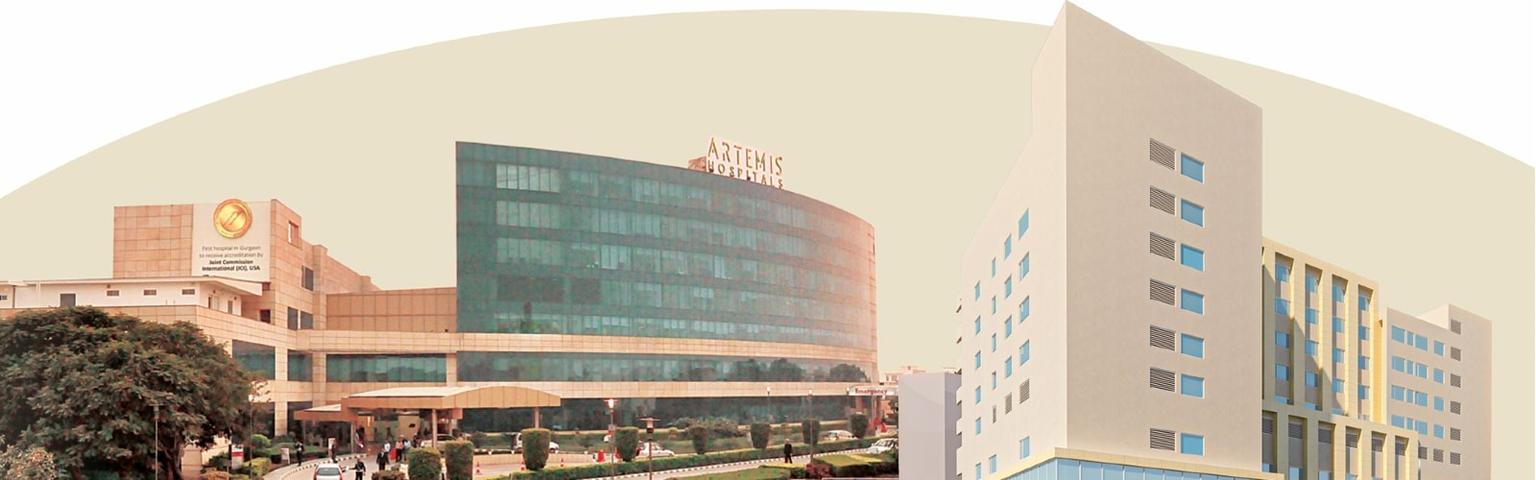
Artemis Hospital
Sector 51, Gurugram, Haryana, India
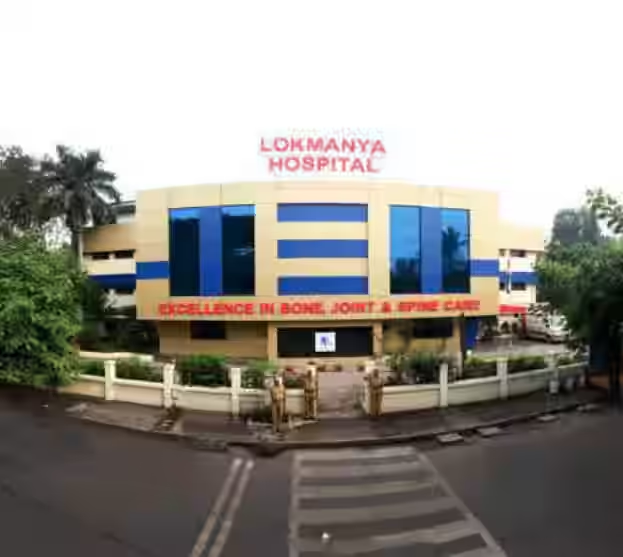
Lokmanya Hospitals
Not Specified

White Lotus Hospital
766, SFS 3145, SFS Road, 7th Sector, HSR Layout, Bengaluru, Karnataka 560102, India
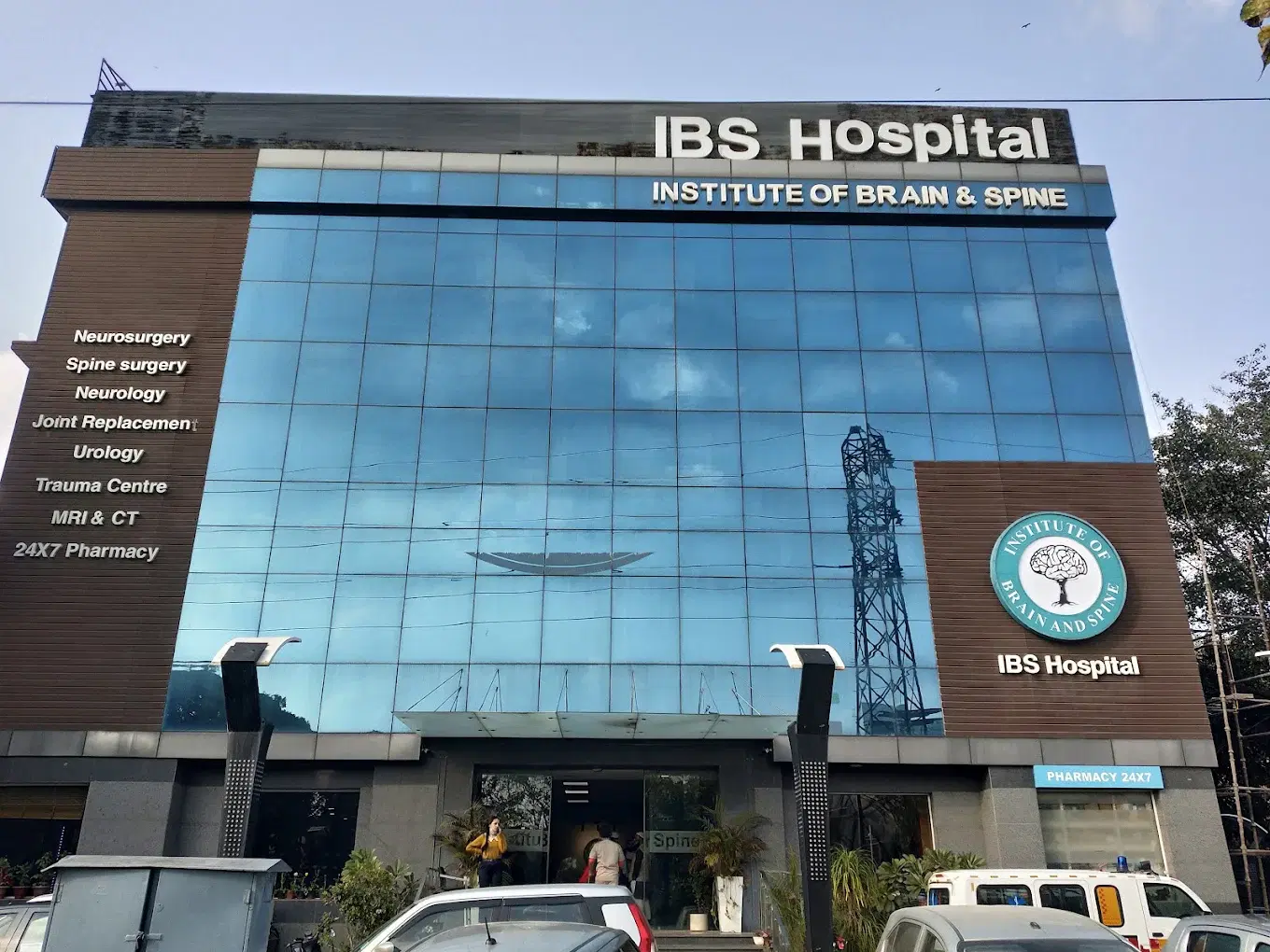
Institute of Brain and Spine (IBS Hospital)
Not Specified
Meet Our Medical Specialists




Sr. Consultant - Urology & Kidney Transplant Program (Unit I)
Dr. Abhinandan Mukhopadhyay
MBBS, MD
India

Sr. Consultant - Urology & Kidney Transplant Program (Unit I)
Dr. Abhinandan Mukhopadhyay
MBBS, MD
India
How DivinHeal Helps
We simplify your medical journey by providing comprehensive support and access to world-class healthcare.
Expert Specialist Matching
Connecting you with the world's top-rated medical experts.
Accredited Hospital Network
Access to JCI & NABH certified healthcare facilities.
Complete Travel Coordination
Hassle-free visa, stay, and local transport assistance.
24/7 Personal Care
Dedicated patient advisors supporting you at every step.
Journey Guidance
Full guidance from start to end of the patient treatment journey.
Expert Specialist Matching
Connecting you with the world's top-rated medical experts.
Everything you
need to know today
Browse through these common inquiries to better understand our patient-focused medical platform.
Yes, we work with a variety of insurance providers. Contact our team to verify your coverage.
Yes, we provide secure online consultations with experienced specialists.
Our care coordinators help match you with the most suitable specialist.
Absolutely. Your medical information is protected according to healthcare privacy standards.
Look at six things: accreditation (JCI or NABH), specialty depth, doctor credentials and experience, procedure-specific success rates, international patient support, and technology. DivinHeal's AI-driven matching evaluates every hospital in our accredited partner network on these dimensions and shortlists the best-fit options for your condition, budget, and country.
JCI (Joint Commission International) is the US-based global gold standard for hospital quality, recognised worldwide. NABH is India's national accreditation — accredited by ISQua, the same body that accredits JCI. Both signal independently verified safety and quality. Most of India's leading hospitals hold both.
Yes. All three welcome international patients through structured medical visa programs. India is the most established, treating patients from Africa, the Middle East, and South Asia at 60–80% lower cost. Thailand leads in cosmetic and dental care. The UAE is emerging in oncology and reproductive medicine.
Most patients save 50–80% on treatment costs. Heart bypass costs US $7,000–9,000 in India compared to $70,000–150,000 in the US. IVF costs $3,000–4,500 compared to $12,000–20,000 in the UK. Even after flights, visa, and accommodation, total savings remain 60–70%.
DivinHeal manages your entire non-medical journey: visa invitation letters, medical visa guidance, doctor appointments, teleconsultations, airport pickup, hospital-vetted accommodation for you and your attendant, language interpreters, local transport, cuisine preferences, and post-treatment follow-up — one dedicated coordinator from first enquiry to final follow-up.
You need a valid passport (6+ months validity), a medical visa (M-Visa for India — DivinHeal provides the hospital invitation letter), return flight tickets, recent medical reports and a doctor's referral, current prescription list, and proof of financial means. Any accompanying attendant needs their own passport and MX-Visa.
Still have more questions?
Book a call with our friendly team to learn how DivineHeal simplifies your healthcare journey.