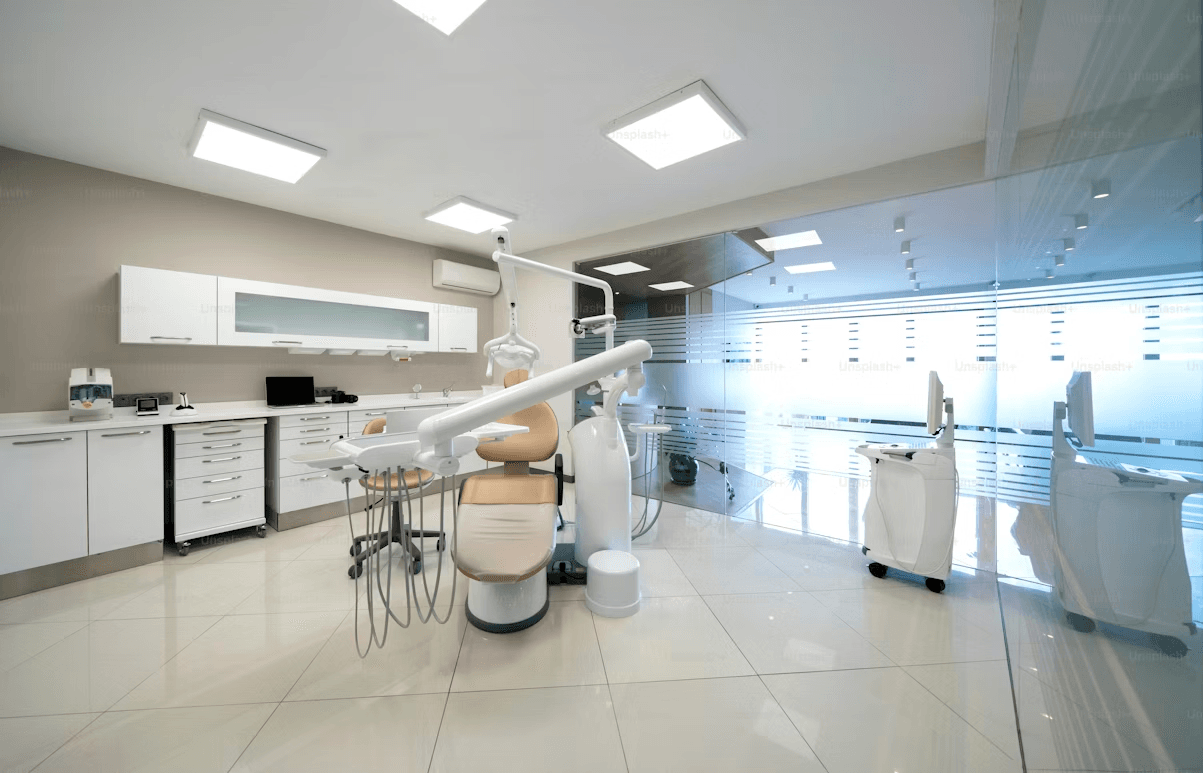

egg donation Treatment in New Delhi for Bangladesh
Access high-quality treatment through JCI & NABH-accredited hospitals, renowned specialists, and end-to-end medical travel support designed around your healing journey.
Plan My Journey
Tell us your condition and budget - our AI matches the right destination, hospital and doctor and visa pathway
Cost calculator
I know my treatment - show me cost from 3 hospitals
5K+ International Patients Treated
40+ Source Countries Served
500+ Accredited Partner Hospitals
98% Patient Satisfaction
80% Average Savings vs USA
10K+ Doctors
NABH, JCI Accredited Hospitals
Free Treatment Plan
Free Consultation with Doctor
5+ Destinations Covered

Written by DivinHeal Editorial Contributor, Rahul Kumar, Embryologist | Medically Reviewed by Dr Indu Priya, Gynecologist(MD) Published on: February 19, 2026
About
Egg Donation in New Delhi for Bangladesh Patients | Cost, Care
For many couples in Bangladesh, the journey to parenthood can present unique challenges, particularly when considering egg donation. Navigating treatment options, understanding costs, and ensuring quality care abroad can bring uncertainty and many questions.
New Delhi has become a notable destination for international fertility treatments. Patients often choose this city for its integrated medical infrastructure, where specialized fertility clinics and supportive services are concentrated and easily accessible.
The city's leading hospitals and fertility specialists offer advanced care with a focus on patient safety and successful outcomes. New Delhi provides a coordinated environment, making follow-ups and continuity of care straightforward for visiting patients.
New Delhi offers comprehensive egg donation programs within a supportive medical framework.
What is Egg Donation?
Egg donation is a fertility treatment involving a third-party donor who provides eggs to another individual or couple to achieve pregnancy. This process helps those unable to conceive using their own eggs. The donated eggs are fertilized in a laboratory with sperm from the recipient’s partner or a sperm donor, creating embryos. These embryos are then transferred into the recipient's uterus. Egg donation allows individuals or couples to experience pregnancy and childbirth, building their family with genetic ties to one parent, or through gestational surrogacy.
Types of Egg Donation Procedures
Fresh Donor Egg Cycle: The donor undergoes ovarian stimulation, and her eggs are retrieved and immediately fertilized with sperm. The resulting fresh embryos are then transferred to the recipient's uterus.
Frozen Donor Egg Cycle: Eggs from a donor are retrieved, cryopreserved (frozen), and stored. The recipient can then select and use these frozen eggs for fertilization and embryo transfer at a later date, offering greater flexibility.
Directed (Known) Egg Donation: The recipient chooses a specific individual to be their egg donor, such as a family member or friend. This approach requires careful legal and psychological counseling for all parties involved.
Anonymous Egg Donation: The donor and recipient do not know each other's identities. This is the most common form of egg donation, where recipients select a donor based on non-identifying profiles.
Tandem Cycle: In some cases, a recipient may undergo an IVF cycle using her own eggs while simultaneously having a donor egg cycle. This option is sometimes chosen when there is uncertainty about the viability of the recipient's own eggs.
When is Egg Donation Required?
- Premature ovarian failure, where the ovaries stop functioning before age 40.
- Advanced maternal age, leading to a decline in egg quality and quantity.
- Genetic conditions that could be passed on to offspring if using the recipient's own eggs.
- Repeated unsuccessful IVF cycles using the recipient's own eggs.
- Poor ovarian response to fertility medications during previous IVF attempts.
- Absence of ovaries due to surgical removal or congenital conditions.
- Same-sex male couples or single men wishing to have a biological child through surrogacy.
Pre-Treatment Evaluation for Egg Donation
- Recipient Screening: Includes hormone tests, uterine evaluation (ultrasound, hysteroscopy), and infectious disease screening.
- Partner (or Sperm Donor) Evaluation: Semen analysis, infectious disease screening, and genetic testing.
- Donor Screening: Extensive medical and genetic history review, physical exam, ovarian reserve testing, psychological assessment, and infectious disease screening.
- Consultations: Meetings with fertility specialists, psychologists, and legal advisors to ensure readiness and understanding.
- Trial Embryo Transfer: Sometimes performed to assess the best placement for embryo transfer into the uterus.
How the Egg Donation Process is Performed
The egg donation procedure involves carefully coordinated steps for both the donor and the recipient, ensuring optimal chances of success.
Donor Selection and Screening
Potential egg donors undergo a thorough screening process, including medical history, physical examination, genetic testing, infectious disease screening, and psychological evaluation. This ensures the donor is healthy and suitable.
Ovarian Stimulation for the Donor
Once selected, the donor receives fertility medications for approximately 10-14 days to stimulate her ovaries to produce multiple mature eggs. Regular monitoring with ultrasounds and blood tests tracks follicle growth.
Egg Retrieval
When the follicles are mature, the eggs are retrieved in a minor surgical procedure called transvaginal ovarian aspiration. This is performed under light sedation, taking about 20-30 minutes. The retrieved eggs are then prepared for fertilization.
Recipient Preparation
While the donor undergoes stimulation, the recipient's uterus is prepared to receive the embryos. This typically involves hormone therapy (estrogen and progesterone) to thicken the uterine lining and synchronize it for implantation.
Fertilization and Embryo Transfer
The retrieved donor eggs are fertilized with sperm from the recipient's partner or a sperm donor in the laboratory. The resulting embryos are cultured for 3-5 days. Then, typically one or two healthy embryos are transferred into the recipient’s uterus using a thin catheter, a procedure similar to a pap smear.
Post-Transfer Care
After the embryo transfer, the recipient continues progesterone support. A pregnancy test is scheduled about 10-14 days later. Ongoing support and guidance are provided throughout this critical period.
Recovery Process After Egg Donation
For the egg donor, recovery from egg retrieval is generally brief, lasting a day or two. Mild cramping or bloating is common, and rest is advised. For the recipient, there is typically no significant physical recovery after embryo transfer. Most recipients can resume light daily activities immediately. However, it is often recommended to avoid strenuous exercise and heavy lifting. Hormone support medications continue for several weeks if pregnancy is achieved. Follow-up appointments are crucial to monitor early pregnancy and ensure ongoing health. Medical teams in New Delhi provide detailed aftercare instructions and remain accessible for any questions or concerns.
Risks and Success Rates of Egg Donation
- For the Donor: Risks include mild discomfort, bloating, or cramping from ovarian stimulation. Ovarian Hyperstimulation Syndrome (OHSS) is a rare but serious complication, carefully monitored by specialists.
- For the Recipient: Risks are generally low and similar to those of standard IVF, including multiple pregnancies if more than one embryo is transferred, or potential ectopic pregnancy.
- Psychological Considerations: Both donors and recipients may experience emotional complexities, making psychological counseling an important part of the process.
Egg donation typically boasts high success rates compared to conventional IVF, especially for recipients with ovarian factor infertility. Success rates can range from 45% to 70% per embryo transfer cycle, depending on factors such as the donor's age, clinic's expertise, number of embryos transferred, and the recipient's overall health. Results vary by individual circumstances and clinics, and long-term expectations are usually favorable for achieving a healthy pregnancy.
Considering Egg Donation?
Our team can connect you with leading fertility specialists in New Delhi for a personalized consultation. Explore your options and understand the path forward.
Contact us to begin your journey.
Cost of Egg Donation in New Delhi
The cost of egg donation in New Delhi is influenced by several factors, including the chosen hospital or clinic, the specific fertility specialist's fees, whether a fresh or frozen egg cycle is pursued, and any additional medical technologies or medications required. Comprehensive packages often include donor compensation, IVF cycle costs, medication, and monitoring.
In New Delhi, the cost for a complete egg donation cycle can typically range from INR 250,000 to INR 400,000.
Understanding Egg Donation Costs in New Delhi
New Delhi offers a cost-effective alternative for egg donation without compromising on the quality of care or advanced medical facilities. Here is a comparison of estimated costs in New Delhi versus other global destinations:
| Location | Estimated Cost Range (USD) |
|---|---|
| New Delhi, India | $3,000 - $5,000 |
| United States | $25,000 - $45,000 |
| United Kingdom | $12,000 - $25,000 |
| Thailand | $8,500 - $17,000 |
| Singapore | $15,000 - $30,000 |
Support Services for Your Treatment Journey
- Medical Consultation Arrangement: We assist in scheduling initial consultations with top fertility specialists in New Delhi.
- Travel and Accommodation Assistance: Guidance on visa applications, local travel, and finding suitable lodging for your stay.
- Interpreter Services: Providing professional interpreters to ensure clear communication with medical staff.
- Treatment Cost Estimates: Detailed breakdowns of expected costs, helping you plan your budget effectively.
- Follow-up Care Coordination: Arranging post-treatment appointments and ongoing medical support.
- Local Support: Access to local patient support groups or resources if desired during your stay.
Papers Required for Your Medical Visit
- Valid passport and medical visa for India.
- All relevant medical reports, test results, and fertility history from your home country.
- Proof of funds or financial arrangements for treatment expenses.
- Identification for your partner, if applicable, for legal and medical documentation.
- Any referral letters from your primary physician or fertility specialist in Bangladesh.
- Marriage certificate, if applicable, to comply with Indian fertility regulations.
How to Prepare Before You Arrive
- Ensure all required medical tests and screenings are completed as advised by the New Delhi clinic.
- Obtain your medical visa well in advance of your planned travel date.
- Organize travel insurance that covers medical emergencies and treatment abroad.
- Discuss your treatment plan thoroughly with your chosen fertility specialist before arriving.
- Prepare a list of questions for your medical team to address during your initial consultations.
- Arrange for a companion to accompany you, especially for support during the treatment period.
Recovery and Follow-Up Care
- Adhere strictly to all medication schedules and dosage instructions provided by your doctor.
- Attend all scheduled follow-up appointments and diagnostic tests after your procedure.
- Maintain open communication with your New Delhi medical team for any concerns or questions.
- Avoid strenuous activities, heavy lifting, and unprotected intercourse during the initial recovery phase.
- Ensure you have a comfortable and quiet environment for rest and recuperation.
- Discuss a comprehensive long-term care plan with your doctor before returning to Bangladesh.
Ready to Explore Egg Donation in New Delhi?
Our dedicated patient care team is here to guide you through every step. Receive expert medical opinions and a tailored treatment plan for your fertility journey.
Enquire now for a confidential discussion.
Begin Your Path to Parenthood
Choosing egg donation is a significant step towards building your family, and New Delhi offers a supportive and advanced environment for this journey.
Hospitals
NABH & JCI Accredited Hospitals in India,Turkey, Thailand & UAE.

Artemis Hospital
Sector 51, Gurugram, Haryana, India

Lokmanya Hospitals
Not Specified

White Lotus Hospital
766, SFS 3145, SFS Road, 7th Sector, HSR Layout, Bengaluru, Karnataka 560102, India

Institute of Brain and Spine (IBS Hospital)
Not Specified
Meet Our Medical Specialists




Sr. Consultant - Urology & Kidney Transplant Program (Unit I)
Dr. Abhinandan Mukhopadhyay
MBBS, MD
India

Sr. Consultant - Urology & Kidney Transplant Program (Unit I)
Dr. Abhinandan Mukhopadhyay
MBBS, MD
India
How DivinHeal Helps
We simplify your medical journey by providing comprehensive support and access to world-class healthcare.
Expert Specialist Matching
Connecting you with the world's top-rated medical experts.
Accredited Hospital Network
Access to JCI & NABH certified healthcare facilities.
Complete Travel Coordination
Hassle-free visa, stay, and local transport assistance.
24/7 Personal Care
Dedicated patient advisors supporting you at every step.
Journey Guidance
Full guidance from start to end of the patient treatment journey.
Expert Specialist Matching
Connecting you with the world's top-rated medical experts.
Everything you
need to know today
Browse through these common inquiries to better understand our patient-focused medical platform.
Yes, we work with a variety of insurance providers. Contact our team to verify your coverage.
Yes, we provide secure online consultations with experienced specialists.
Our care coordinators help match you with the most suitable specialist.
Absolutely. Your medical information is protected according to healthcare privacy standards.
Look at six things: accreditation (JCI or NABH), specialty depth, doctor credentials and experience, procedure-specific success rates, international patient support, and technology. DivinHeal's AI-driven matching evaluates every hospital in our accredited partner network on these dimensions and shortlists the best-fit options for your condition, budget, and country.
JCI (Joint Commission International) is the US-based global gold standard for hospital quality, recognised worldwide. NABH is India's national accreditation — accredited by ISQua, the same body that accredits JCI. Both signal independently verified safety and quality. Most of India's leading hospitals hold both.
Yes. All three welcome international patients through structured medical visa programs. India is the most established, treating patients from Africa, the Middle East, and South Asia at 60–80% lower cost. Thailand leads in cosmetic and dental care. The UAE is emerging in oncology and reproductive medicine.
Most patients save 50–80% on treatment costs. Heart bypass costs US $7,000–9,000 in India compared to $70,000–150,000 in the US. IVF costs $3,000–4,500 compared to $12,000–20,000 in the UK. Even after flights, visa, and accommodation, total savings remain 60–70%.
DivinHeal manages your entire non-medical journey: visa invitation letters, medical visa guidance, doctor appointments, teleconsultations, airport pickup, hospital-vetted accommodation for you and your attendant, language interpreters, local transport, cuisine preferences, and post-treatment follow-up — one dedicated coordinator from first enquiry to final follow-up.
You need a valid passport (6+ months validity), a medical visa (M-Visa for India — DivinHeal provides the hospital invitation letter), return flight tickets, recent medical reports and a doctor's referral, current prescription list, and proof of financial means. Any accompanying attendant needs their own passport and MX-Visa.
Still have more questions?
Book a call with our friendly team to learn how DivineHeal simplifies your healthcare journey.