
Egg Freezing (Oocyte Cryopreservation) Treatment in Mumbai for Nigeria
Need Personalized Advice?
Our medical experts are ready to answer your questions and guide you through your treatment options.
About
Egg Freezing in Mumbai for Nigerian Patients | Cost Insights
Nigerian women often face unique career paths or personal choices that make future family planning a significant consideration. The idea of preserving fertility can bring both hope and practical questions, especially when exploring high-quality medical options abroad, seeking clarity and understanding of the entire process.
Mumbai stands out as a preferred destination for medical travelers seeking advanced fertility solutions. Its reputation for world-class medical infrastructure and specialized care makes it an attractive choice for those considering egg freezing and seeking excellence in treatment.
Within Mumbai, patients discover a network of highly reputed fertility clinics and experienced specialists. The city offers coordinated care pathways, ensuring seamless treatment and effective follow-ups within a supportive environment, fostering confidence in their medical journey.
How can Mumbai offer the right path for your egg freezing needs?
What is Egg Freezing (Oocyte Cryopreservation)?
Egg freezing, also known as oocyte cryopreservation, is a medical procedure that allows women to preserve their fertility for future use. It involves stimulating the ovaries to produce multiple eggs, retrieving these eggs, and then freezing them unfertilized. These frozen eggs can then be thawed, fertilized with sperm, and transferred to the uterus as embryos at a later date, offering individuals the opportunity to delay pregnancy due to various personal, medical, or career-related reasons.
Approaches to Egg Freezing
Conventional Egg Freezing
This is the standard approach, involving a controlled ovarian stimulation cycle using hormone injections to encourage the development of multiple mature eggs. Monitoring through blood tests and ultrasounds guides the timing of egg retrieval, typically yielding a good number of oocytes for cryopreservation.
Minimal Stimulation Egg Freezing
Sometimes referred to as "mini-IVF" or natural cycle egg freezing, this method uses lower doses of fertility drugs or no drugs at all. It aims to retrieve fewer eggs, often one to three, but with a potentially reduced risk of side effects and a shorter treatment duration, appealing to those seeking a less intensive protocol.
Random Start Egg Freezing Protocol
Traditionally, egg freezing starts on a specific day of the menstrual cycle. The random start protocol allows for initiation at any point in the cycle, offering greater flexibility and quicker access to treatment, which can be particularly beneficial for patients facing urgent medical situations, such as impending chemotherapy.
When is Egg Freezing Recommended?
- Age-Related Fertility Decline: Women wanting to delay childbearing to pursue education, career goals, or due to lack of a suitable partner.
- Medical Conditions: Diagnosis of cancer or other illnesses requiring treatments (e.g., chemotherapy, radiation) that can impair ovarian function.
- Genetic Conditions: Family history of premature ovarian insufficiency or early menopause.
- Planned Surgeries: Procedures that may affect the ovaries or their blood supply.
- Ethical or Personal Reasons: Individuals who wish to preserve their fertility for non-medical reasons, providing future reproductive autonomy.
Pre-Treatment Evaluation for Egg Freezing
- Ovarian Reserve Testing: Blood tests (AMH, FSH, Estradiol) and transvaginal ultrasound to assess the quantity and quality of remaining eggs.
- Infectious Disease Screening: Tests for HIV, Hepatitis B and C, and other sexually transmitted infections.
- Hormonal Assessment: Evaluation of overall endocrine health to ensure optimal response to stimulation.
- Pelvic Ultrasound: To check for any uterine abnormalities, ovarian cysts, or other conditions that might affect the procedure.
- General Health Check: Comprehensive physical examination and blood tests to confirm the patient is fit for the procedure.
- Genetic Counseling (if indicated): Discussion of any inherited conditions that might influence family planning decisions.
How the Egg Freezing Procedure is Performed
The egg freezing procedure typically involves several key stages, each carefully managed by fertility specialists to ensure optimal outcomes.
Ovarian Stimulation
The process begins with a course of hormone injections, administered daily for about 10-14 days. These medications stimulate the ovaries to produce multiple eggs, rather than the single egg typically released in a natural cycle. Regular monitoring through ultrasound scans and blood tests tracks the development of the egg follicles.
Egg Retrieval
Once the follicles are mature, a minor surgical procedure is performed to retrieve the eggs. This is usually done under mild sedation. A thin, ultrasound-guided needle is passed through the vaginal wall into the ovaries to gently aspirate fluid from the follicles, collecting the eggs. This outpatient procedure typically takes about 20-30 minutes.
Cryopreservation (Freezing)
Immediately after retrieval, the collected eggs are taken to the laboratory. Using a rapid freezing technique called vitrification, the eggs are flash-frozen to prevent ice crystal formation, which could damage them. These vitrified eggs are then stored in liquid nitrogen tanks at extremely low temperatures, where they can remain viable for many years.
Recovery Process After Egg Freezing
Following egg retrieval, most patients experience mild discomfort, such as cramping, bloating, or light spotting, which usually subsides within a day or two. Rest is recommended for the first 24 hours. Patients can typically resume light activities the next day, though strenuous exercise should be avoided for about a week. A follow-up appointment is usually scheduled to ensure proper healing and address any concerns. The overall recovery time is relatively short, allowing a quick return to normal daily routines.
Potential Risks and Success Rates of Egg Freezing
- Ovarian Hyperstimulation Syndrome (OHSS): A rare but serious complication where ovaries become swollen and painful, sometimes leading to fluid accumulation.
- Infection or Bleeding: Minor risks associated with any invasive procedure, typically managed with prophylactic measures.
- Discomfort During Retrieval: Some patients may experience temporary pain or bruising at the needle insertion site.
- Emotional Stress: The process can be emotionally taxing due to hormone fluctuations and the hope associated with fertility preservation.
- Egg Survival Rate: Not all eggs survive the freezing and thawing process; typically, 80-90% of eggs survive vitrification.
The success rate of future pregnancy using frozen eggs depends significantly on the woman's age at the time of freezing and the number of eggs stored. Generally, younger women have a higher chance of success, as their eggs are of better quality. While there is no guarantee, storing a sufficient number of healthy eggs significantly improves the odds of a successful future pregnancy. Outcomes also vary based on the clinic's expertise and laboratory technology.
Ready to Discuss Your Fertility Options?
Connect with Mumbai's leading fertility specialists and explore personalized egg freezing plans designed for international patients. Start your journey with confidence.
Understanding Egg Freezing Costs in Mumbai
Egg Freezing Cost: Mumbai vs. Global Destinations
Mumbai offers a compelling combination of advanced medical technology and cost-efficiency for egg freezing. Compared to many Western countries, the procedure's cost in Mumbai is significantly more affordable, without compromising on the quality of care or the expertise of fertility specialists. Factors influencing the final cost include the chosen clinic, medication protocols, and duration of storage.
| Location | Estimated Cost (USD) |
|---|---|
| Mumbai, India | $1,500 - $3,000 |
| United States | $8,000 - $15,000 |
| United Kingdom | $5,000 - $10,000 |
| Australia | $4,500 - $8,000 |
| UAE | $5,500 - $11,000 |
Navigating Your Journey: Support for International Patients
- Visa and Travel Assistance: Guidance on obtaining medical visas and coordinating travel logistics to Mumbai.
- Accommodation Support: Help with arranging suitable lodging options near your chosen clinic.
- Local Transportation: Assistance with airport transfers and local travel arrangements within Mumbai.
- Language Interpreters: Access to professional interpreters to ensure clear communication with medical staff.
- Personalized Care Coordination: A dedicated coordinator to manage appointments and treatment schedules.
- Post-Treatment Follow-up: Support for remote follow-up consultations and care planning after your return home.
Essential Documents for Your Medical Visit to Mumbai
- Valid Passport: Ensure your passport has sufficient validity for the duration of your stay.
- Medical Visa: Obtain the appropriate medical visa for your treatment in India.
- Medical Records: All relevant past medical reports, test results, and diagnoses.
- Referral Letter: A letter from your local physician outlining your medical condition and referral for treatment.
- Proof of Funds: Documentation to show you can cover your medical and travel expenses.
- Consent Forms: Any necessary consent forms from the fertility clinic.
Preparing for Your Egg Freezing Procedure in Mumbai
- Initial Consultations: Complete preliminary consultations with Mumbai specialists, often via telemedicine.
- Lifestyle Adjustments: Follow any dietary or lifestyle recommendations provided by your medical team prior to arrival.
- Medication Review: Discuss current medications with your doctor to adjust as needed for the procedure.
- Travel Itinerary: Confirm your travel dates and accommodation well in advance.
- Emotional Preparedness: Understand the process thoroughly and prepare mentally for the journey.
Aftercare and Follow-Up Post Egg Freezing
- Rest and Hydration: Ensure adequate rest and fluid intake in the days immediately following the retrieval.
- Medication Adherence: Follow any prescribed post-procedure medications to manage discomfort or prevent complications.
- Activity Restrictions: Avoid strenuous activities, heavy lifting, and sexual intercourse for the recommended period.
- Monitoring for Symptoms: Be aware of any unusual pain, heavy bleeding, or fever and report it to your doctor.
- Future Planning: Discuss options for long-term storage and future use of your frozen eggs with the clinic.
- Travel Considerations: Plan your return travel to allow for sufficient recovery before a long journey.
Ready to Explore Your Options in Mumbai?
Begin your journey toward preserving your fertility with expert care in Mumbai. We are here to guide you through every step.
Start Your Personalized Fertility Plan Today
Reach out to our team for a detailed consultation and take the first step towards securing your reproductive future in Mumbai.
Hospitals Offering this treatment
India offers premium medical procedures at affordable prices. Discover our most popular treatments, delivered by the country's finest doctors.
Meet Our Doctors
Meet our team of highly qualified and experienced medical professionals dedicated to providing the best healthcare services.

Dr. Ajit Singh Baghela
Consultant
Paediatric Neurology
Haryana
9+ Years
Experience
Artemis Hospital
Hospital
1500
Fees

Dr Aditi Dixit
Sr. Consultant – Women Imaging
Radiology
New Delhi
15+ Years
Experience
Artemis Hospital
Hospital
1500
Fees

Dr. Parul Prakash
Head - Reproductive Medicine (IVF)
IVF, Reproductive Medicine, Obstetrics and Gynaecology
New Delhi
20+ Years
Experience
Artemis Hospital
Hospital
1500
Fees

Dr. Poonam Gautam
Senior Consultant - ENT
ENT and Head & Neck Surgery
New Delhi
24+ Years
Experience
Artemis Hospital
Hospital
1500
Fees
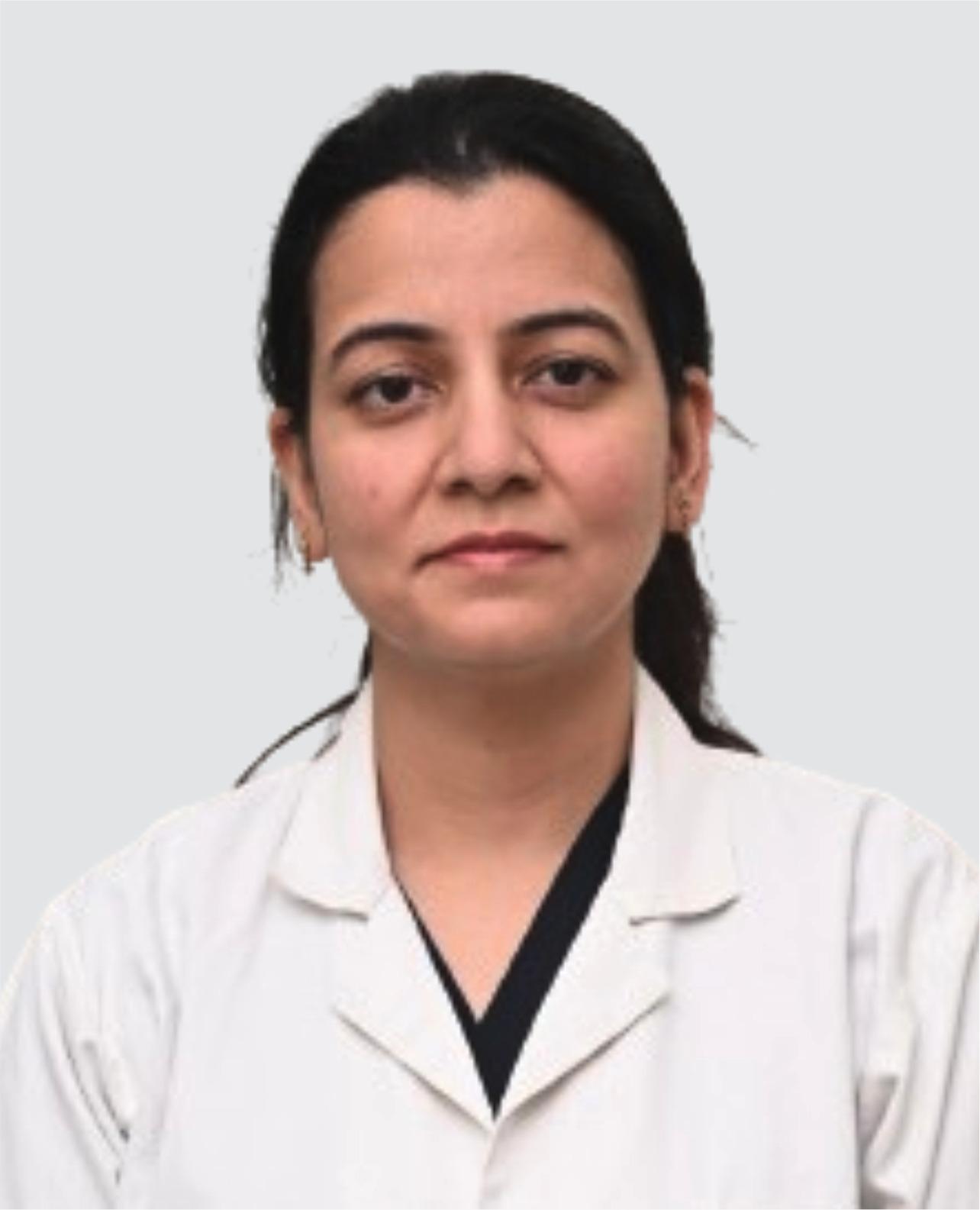
Dr. Priyanka Raina
Consultant (Head & Neck Surgery) - Surgical Oncology
Head and Neck Surgical Oncology
New Delhi
10+ Years
Experience
Artemis Hospital
Hospital
1500
Fees

Dr. Rupinder Sekhon
Chairperson - Gynae Oncology
Gynaecological Oncology
New Delhi
16+ Years
Experience
Artemis Hospital
Hospital
1500
Fees

Dr. Kiran Arora
Unit Head - Reproductive Medicine (Unit II)
IVF, Reproductive Medicine, Obstetrics & Gynecology
New Delhi
20+ Years
Experience
Artemis Hospital
Hospital
1500
Fees
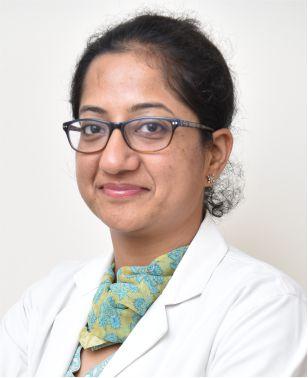
Nidhi Jain
Sr. Consultant - Obs & Gynae
Maternity, Obstetrics & Gynaecology
New Delhi
15+ Years
Experience
Artemis Hospital
Hospital
1500
Fees

Dr. Nidhi Rajotia
Unit Head - Obs & Gynae
Maternity, Obstetrics & Gynaecology
New Delhi
19+ Years
Experience
Artemis Hospital
Hospital
1500
Fees

Dr. Reshma Tewari
Director
Obstetrics and Gynaecology
New Delhi
19+ Years
Experience
Artemis Hospital
Hospital
1500
Fees
Related Links
Recent Blogs
Other Treatment related Information
- Egg Freezing (Oocyte Cryopreservation) cost in India
- Egg Freezing (Oocyte Cryopreservation) cost in Bengaluru
- Egg Freezing (Oocyte Cryopreservation) cost in Mumbai
- Egg Freezing (Oocyte Cryopreservation) cost in Pune
- Egg Freezing (Oocyte Cryopreservation) cost in New Delhi
- Egg Freezing (Oocyte Cryopreservation) cost in Chennai
- Egg Freezing (Oocyte Cryopreservation) cost in Hyderabad
- Egg Freezing (Oocyte Cryopreservation) cost in Haryana
- Egg Freezing (Oocyte Cryopreservation) Success Rate in Haryana
- Egg Freezing (Oocyte Cryopreservation) Success Rate in Pune
- Egg Freezing (Oocyte Cryopreservation) Success Rate in New Delhi
- Egg Freezing (Oocyte Cryopreservation) Success Rate in Mumbai
- Egg Freezing (Oocyte Cryopreservation) Success Rate in Hyderabad
- Egg Freezing (Oocyte Cryopreservation) Success Rate in India
- Egg Freezing (Oocyte Cryopreservation) Success Rate in Bengaluru
- Egg Freezing (Oocyte Cryopreservation) Success Rate in Chennai
- Best Egg Freezing (Oocyte Cryopreservation) Doctors in New Delhi
Ready To Start Your Healing Journey?
Get Personalized Medical Treatment Options From India's Top Hospitals. Our Medical Experts Are Ready To Assist You Every Step Of The Way.