



Best embryo biopsy doctors in India and how to choose one

Plan My Journey
Tell us your condition and budget - our AI matches the right destination, hospital and doctor and visa pathway
Cost calculator
I know my treatment - show me cost from 3 hospitals
5K+ International Patients Treated
40+ Source Countries Served
500+ Accredited Partner Hospitals
98% Patient Satisfaction
80% Average Savings vs USA
10K+ Doctors
NABH, JCI Accredited Hospitals
Free Treatment Plan
Free Consultation with Doctor
5+ Destinations Covered

Written by DivinHeal Editorial Contributor, Rahul Kumar, Embryologist | Medically Reviewed by Dr Indu Priya, Gynecologist(MD) Published on: August 28, 2026
Selecting best embryo biopsy doctors in India
Select clinicians based on their specific experience with trophectoderm cell removal and micromanipulation tools. Patients evaluating the best embryo biopsy doctors in India should review laboratory accreditation standards alongside clinical experience. You can check whether a fertility centre works with certified genetic testing facilities. Selecting skilled practitioners helps ensure precise sample handling during in vitro fertilisation treatment.
Training needed for an embryo biopsy specialist
Specialists carrying out embryo biopsy require dedicated post-graduate training in clinical embryology or reproductive endocrinology. Formal embryo biopsy specialist training covers laser safety, cell handling, and micromanipulation procedures. Confirm that your practitioner holds recognised medical degrees and certified laboratory experience. Advanced qualifications help ensure safe handling of delicate cellular samples during microscopic testing.
Is embryo biopsy performed by a team?
This genetic testing procedure always requires a coordinated clinical group rather than an individual doctor. An embryo biopsy medical team includes a reproductive endocrinologist, a senior clinical embryologist, and a medical geneticist. Each specialist manages a distinct phase of patient care. Collaborative clinical oversight helps ensure accurate treatment from initial hormonal stimulation through laboratory analysis.
How to check embryo biopsy doctor qualifications
You can verify practitioner registrations directly through official medical council registers before starting care. Checking embryo biopsy doctor qualifications involves searching the National Medical Commission public database online. You can verify a doctor's license status and registered clinical specialism directly. Official public registers offer reliable independent confirmation of active medical standing before your care begins.
Questions to ask an embryo biopsy specialist
Asking targeted clinical questions helps you evaluate laboratory standards and specialist expertise before starting treatment.
- When choosing an embryo biopsy doctor, which laser micromanipulation system is used?
- How are blastocyst cellular samples prepared for preimplantation genetic testing?
- Which accredited external laboratory performs the genetic analysis?
- What safety protocols protect frozen samples during storage and handling?
Why patients choose India for embryo biopsy
International patients travel to major healthcare hubs like New Delhi for accredited reproductive medicine facilities. Undergoing embryo biopsy in India gives access to accredited healthcare facilities. Clinics maintain accreditation from the National Accreditation Board for Hospitals and Healthcare Providers. Facilities provide English-speaking medical teams, dedicated coordination desks, and modern laboratory infrastructure for patients.
Pre-travel consultations for embryo biopsy in India
Remote video consultations let patients review medical records with specialists before booking international travel. An online consultation for embryo biopsy allows you to discuss genetic testing protocols directly with clinicians. You can share past fertility reports and clarify administrative requirements easily. Virtual consultation meetings help settle important itinerary details before traveling abroad for care.
How DivinHeal assists your care in India
DivinHeal facilitates direct communication between international patients and fertility specialists throughout treatment planning. We help you evaluate embryo biopsy hospitals in India by sharing medical history files. You receive preliminary case reviews and virtual appointment bookings. Our team provides logistical guidance and administrative support throughout your preparation. Coordinators clarify every step before your departure.
Best embryo biopsy doctors in India and how to choose one
Recommended Article

Hospitals
NABH & JCI Accredited Hospitals in India,Turkey, Thailand & UAE.
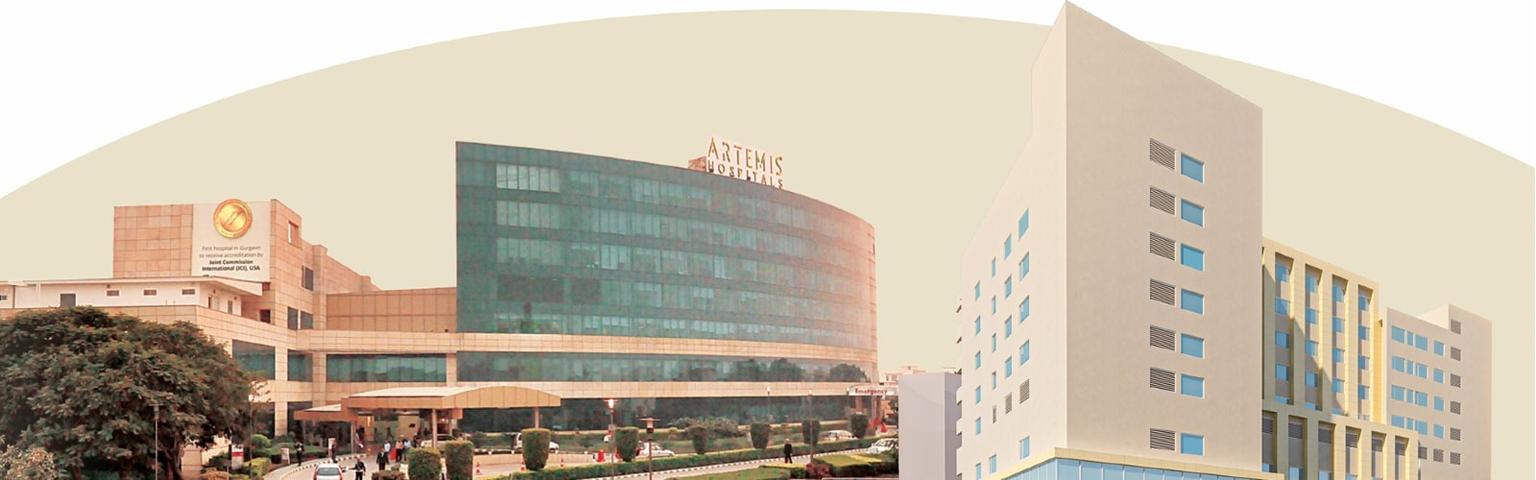

Artemis Hospital
Sector 51, Gurugram, Haryana, India

White Lotus Hospital
766, SFS 3145, SFS Road, 7th Sector, HSR Layout, Bengaluru, Karnataka 560102, India
How DivinHeal Helps
We simplify your medical journey by providing comprehensive support and access to world-class healthcare.
Expert Specialist Matching
Connecting you with the world's top-rated medical experts.
Accredited Hospital Network
Access to JCI & NABH certified healthcare facilities.
Complete Travel Coordination
Hassle-free visa, stay, and local transport assistance.
24/7 Personal Care
Dedicated patient advisors supporting you at every step.
Journey Guidance
Full guidance from start to end of the patient treatment journey.
Expert Specialist Matching
Connecting you with the world's top-rated medical experts.
Everything you
need to know today
Browse through these common inquiries to better understand our patient-focused medical platform.
Embryo biopsy extracts cells from a blastocyst, which is a five-day-old embryo. Clinical embryologists use a precise laser to remove outer trophectoderm cells. Trophectoderm cells form the supporting placenta during a pregnancy. This removal leaves the inner cells that form the fetus untouched. Harvested cells are sent to genetic laboratories for preimplantation testing.
Trophectoderm biopsy carries a small risk, but skilled embryologists work to protect embryo viability. Viability means the ability of an embryo to grow and develop normally. Removing outer cells on day five avoids disturbing inner fetal cells. Most blastocysts survive freezing and thawing after biopsy in quality laboratories. Careful cell handling supports overall embryo health throughout testing.
Preimplantation genetic testing for aneuploidy checks whether an embryo contains forty-six chromosomes. Aneuploidy refers to having an abnormal number of total chromosomes. Preimplantation genetic testing for monogenic conditions screens for specific inherited gene disorders. Both testing methods require an embryo biopsy before genetic analysis. Specialised laboratories examine the removed cells using targeted molecular screens.
Embryo biopsy is often recommended for women over thirty-five or couples experiencing recurrent miscarriages. Recurrent miscarriage means losing two or more pregnancies in succession. Doctors also suggest testing for individuals carrying known inherited single-gene disorders. Genetic screening identifies chromosomally normal embryos before transfer. This screening helps lower implantation failure risks during fertility treatment.
Genetic analysis results typically take two to three weeks after the biopsy. Laboratories process the biopsied cell DNA using advanced genomic sequencing techniques. Genomic sequencing means reading the detailed genetic code of cells. Patients remain in contact with their care team while awaiting the final report. Doctors use the report to select suitable embryos for future transfer.
Embryos are frozen after biopsy because genetic results require two to three weeks. Vitrification is a fast freezing process that preserves embryos without forming ice crystals. Cryopreservation refers to storing biological tissues at extremely low temperatures. This pause allows the uterine lining to recover from ovarian stimulation medications. Preparing the uterus separately creates favourable conditions for future embryo transfer.
Embryologists performing biopsies should hold postgraduate qualifications in clinical embryology or reproductive biology. Certification from recognised embryology societies demonstrates specialised training in micromanipulation techniques. Micromanipulation involves using fine instruments under a microscope to operate on cells. Hands-on experience with laser systems is essential for safe cell extraction. Patients can request confirmation of practitioner credentials prior to starting treatment.
Patients usually stay in India for two to three weeks during an IVF cycle. Ovarian stimulation and egg retrieval require about fourteen days of local care. Embryos develop in the laboratory until day five for biopsy and freezing. Patients can travel home while genetic testing occurs over subsequent weeks. A brief return trip is planned later for frozen embryo transfer.
Laser embryo biopsy is safer and faster than older mechanical cutting techniques. Lasers allow precise separation of trophectoderm cells with minimal heat transmission. Trophectoderm refers to the outer cell layer that forms surrounding tissue. Controlled laser pulses reduce physical trauma to the blastocyst during extraction. Most modern fertility clinics employ laser systems for embryo genetic testing.
Still have more questions?
Book a call with our friendly team to learn how DivineHeal simplifies your healthcare journey.