

Liver Fibroscan Treatment in India for Bangladesh patients
Liver Fibroscan Treatment in India for Bangladesh patients provides non-invasive liver health staging in partner hospitals across major Indian cities. Travel requires a valid medical visa for entry into the country. All test costs remain indicative until a medical coordinator reviews your recent health records.Liver Fibroscan utilises ultrasound technology to measure liver tissue elasticity. This process provides a reliable indicator of fibrosis stage.The device also uses controlled attenuation parameters to quantify steatosis. Early testing guides timely medical intervention and treatment strategies.
Plan My Journey
Tell us your condition and budget - our AI matches the right destination, hospital and doctor and visa pathway
Cost calculator
I know my treatment - show me cost from 3 hospitals
5K+ International Patients Treated
40+ Source Countries Served
500+ Accredited Partner Hospitals
98% Patient Satisfaction
80% Average Savings vs USA
10K+ Doctors
NABH, JCI Accredited Hospitals
Free Treatment Plan
Free Consultation with Doctor
5+ Destinations Covered

Written by DivinHeal Editorial Contributor, DivinHeal Medical Team, Healthcare Advisory Team Published on: September 5, 2026
Price of Liver Fibroscan for patients from Bangladesh
Medical coordinators confirm the exact Liver Fibroscan cost after reviewing diagnostic records. Hospital billing teams calculate final quotes in USD based on consultations.
Overall diagnostic expenses vary if you require additional blood panels. Reviewing your files early prevents unexpected clinical tests after arrival.
How much does a liver FibroScan cost in India?
The total Liver Fibroscan cost in India depends on hospital administrative policies. Patients receive an itemised estimate before booking their diagnostic trip.
Specialist fees and blood tests add to basic scanning charges. Comparing hospital estimates ensures clear financial planning for visiting families.
How much does a liver FibroScan cost in Kolkata?
Facilities in eastern hubs offer competitive diagnostic pricing for visiting patients. Proximity keeps local transport expenses lower during your short clinical visit.
Most clinics bundle consultant visits with the imaging procedure. This structure helps families manage travel budgets effectively.
Diagnostic imaging prices remain indicative until specialists review your medical history and test requirements.
Medical visa for India from Bangladesh
Obtaining a medical visa for India from Bangladesh requires an official hospital invitation letter. Treating hospitals issue this document after reviewing your local clinical files.
You submit the invitation letter through the official visa application portal. Ensure all personal details match your passport entries exactly.
Immigration regulations change periodically and you should verify current rules online before travelling. Accompanying family members must secure appropriate attendant travel permits.
Hospital coordinators guide families through document requirements before departure. Proper paperwork prevents unexpected travel delays at immigration counters.
Hospital invitation letters enable eligible patients to apply for formal entry permits.
Travel options from Bangladesh to India
Direct travel routes connect major clinical hubs to Indian hospitals daily. Short travel times make diagnostic trips manageable for patients.
Available flights from Bangladesh to India offer flexible timing for morning consultations. Booking tickets early helps secure convenient arrival schedules.
Indicative airfares change based on season and booking dates. Choosing nearby medical cities reduces domestic transit after landing.
Ground transport from airports to partner hospitals remains readily available. Coordinators can arrange local airport pickups upon request.
Multiple daily flight routes allow convenient weekend or single-day diagnostic trips for travelling families.
Why patients from Bangladesh choose India for care
Indian hospitals provide specialised liver elastography for visiting families from Bangladesh. Advanced equipment delivers accurate stiffness and fat measurements.
Understanding why patients travel to India for Liver Fibroscan helps families plan visits. Experienced liver specialists interpret complex scan results quickly.
Partner facilities hold accreditation from National Accreditation Board for Hospitals and Healthcare Providers. Accredited centres follow strict clinical protocols during diagnostic testing.
Patients consult with Best Liver Fibroscan Doctors in India for clear treatment recommendations. Integrated liver departments streamline consultation and testing schedules.
Accredited Indian liver centres provide precise non-invasive staging managed by experienced hepatology teams.
Preparing your medical reports in Bangladesh
Sending your recent liver function tests helps doctors evaluate your condition before travel. Complete documentation allows specialists to plan your diagnostic sequence.
Gathering all reports needed for a specialist opinion saves valuable time at the hospital. Clear copies prevent the need to repeat basic blood tests.
Key documents to prepare before departure include:
- Recent liver enzyme test results and complete blood counts.
- Previous abdominal ultrasound scans and radiology images.
- Prescription histories detailing current medications and dosages.
- Discharge summaries from any prior hospital admissions.
Organising these records before leaving Bangladesh ensures efficient intake consultations. Digital copies allow rapid preliminary review by medical teams.
Organising recent blood panels and imaging scans before travel accelerates initial hospital consultations.
What your diagnostic trip to India involves
A transient elastography scan measures liver stiffness in a quick outpatient procedure. Understanding your fibroscan evaluation reduces travel anxiety for families.
You rest on an examination table while the probe delivers mild ultrasound waves. The non-invasive scan finishes rapidly without causing discomfort.
Hepatologists evaluate your elastography readings immediately after the session. Detailed reports guide lifestyle choices for patients from Bangladesh.
Outpatient liver scans deliver immediate stiffness and steatosis measurements without requiring hospital stay.
Recovery and follow-up care in Bangladesh
Local physicians manage long-term liver care using the diagnostic report from India. Patients return home immediately after completing their outpatient testing.
Arranging structured follow-up after returning to Bangladesh maintains treatment continuity. Your local doctor monitors liver enzyme levels over time.
Indian specialists share detailed diagnostic summaries with your home physician. Remote tele-consultations allow periodic progress reviews without additional travel.
Following recommended dietary guidelines supports ongoing liver recovery. Consistent monitoring helps track changes in tissue elasticity.
Detailed hospital summaries allow home physicians to continue long-term management safely after travel.
Selecting your Indian hospital and travel hub
Choosing a hospital near a major airport reduces local road travel for visiting families. Leading Best Liver Fibroscan Hospitals in India feature dedicated international desks.
Metropolitan medical centres provide bilingual staff to assist patients throughout testing. On-site diagnostic labs deliver blood panel results quickly.
Selecting established medical hubs ensures access to specialized hepatology care for patients from Bangladesh. Proximity to hotels simplifies daily travel for relatives.
Major metropolitan hospitals offer dedicated international services alongside advanced liver diagnostic departments.
How DivinHeal coordinates your trip from Bangladesh
DivinHeal links patients with accredited Indian hospitals to organise medical travel and diagnostic appointments. Arranging Liver Fibroscan Treatment in India for Bangladesh patients involves simple structured steps.
Coordinators assist families at every stage of their medical travel:
- Send recent medical reports and liver function tests for review.
- Receive preliminary opinion and estimated diagnostic costs from hospitals.
- Obtain formal hospital invitation letters for visa application filing.
- Book flights and confirm airport transfer arrangements with coordinators.
- Attend hospital consultations and complete non-invasive liver imaging.
- Collect detailed reports and return home for local follow-up.
Dedicated support teams ensure clear communication between families and hospital consultants. Timely coordination minimizes waiting periods during hospital visits.
Structured travel coordination streamlines hospital appointments and visa documentation for travelling medical families.
Recommended Article
Best In Vitro Fertilization (IVF) Doctors in Hyderabad
Doctors for Nephrology: Find Kidney Care Specialists
Doctors in Chennai: Find Medical Specialists in India
Best Embryo Freezing Hospitals in Hyderabad: Care Guide
Hospitals for reproductive surgery: Compare options
Hospitals in Gurugram: Guide to Quality Facilities
IVF Treatment in Haryana | Cost, Hospitals & Doctors
TAVR (Transcatheter Aortic Valve Replacement) cost in New Delhi
Tonsillectomy & Adenoidectomy Success Rate in Mumbai
Facelift & Anti-Aging Procedures in Chennai for Ethiopia Patients | Cost, Hospitals
Hospitals
NABH & JCI Accredited Hospitals in India,Turkey, Thailand & UAE.
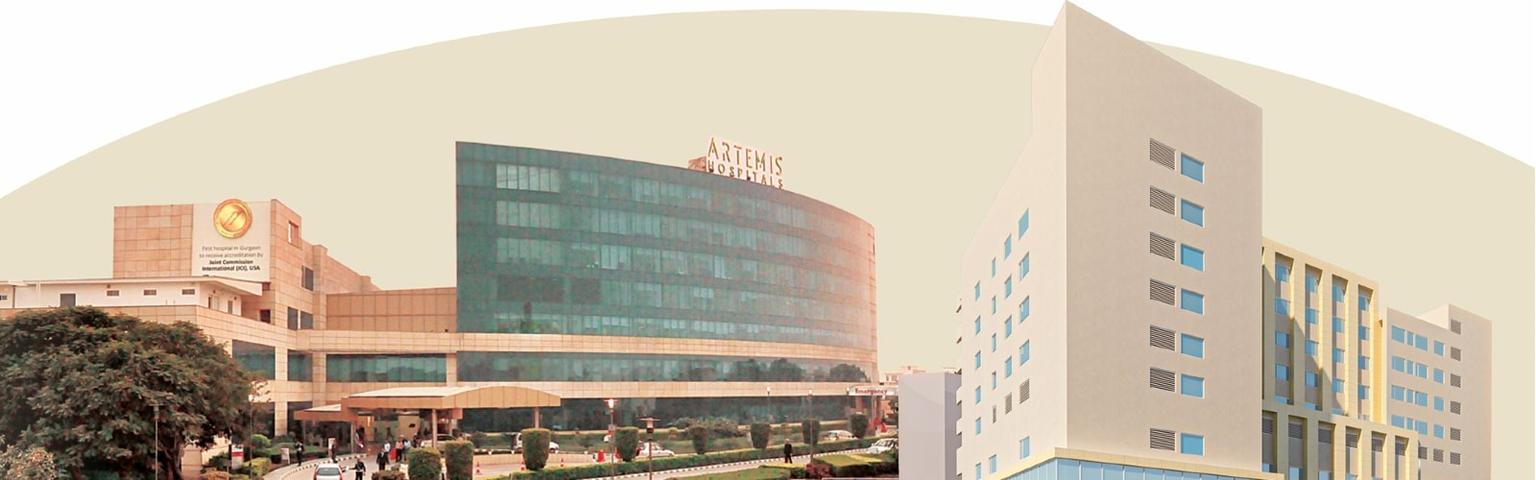
Artemis Hospital
Sector 51, Gurugram, Haryana, India
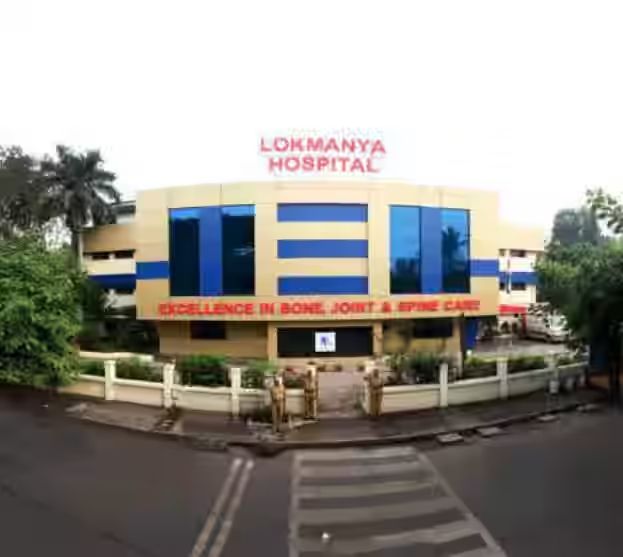
Lokmanya Hospitals
Not Specified
White Lotus Hospital
766, SFS 3145, SFS Road, 7th Sector, HSR Layout, Bengaluru, Karnataka 560102, India
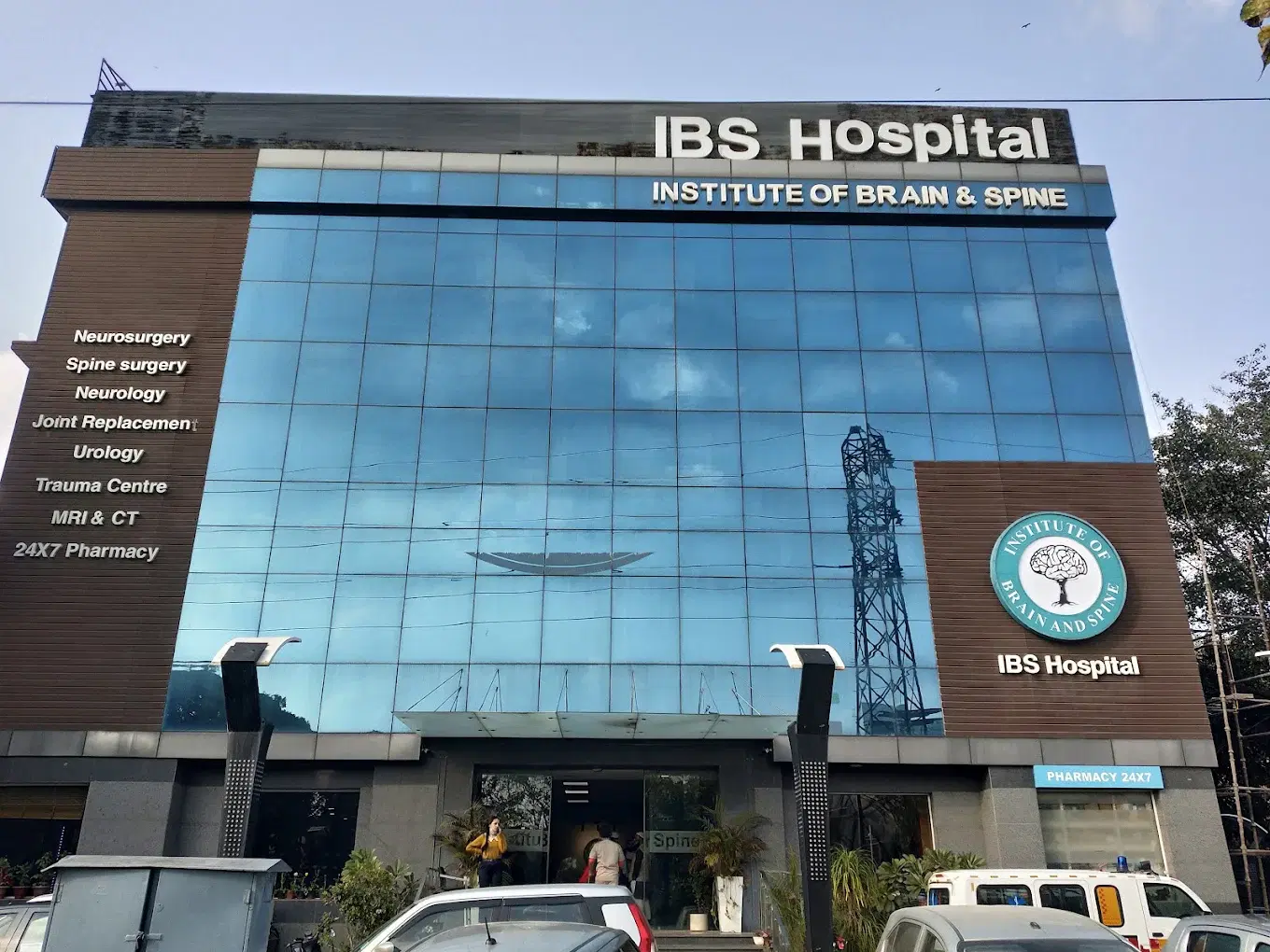
Institute of Brain and Spine (IBS Hospital)
Not Specified
Meet Our Medical Specialists




Sr. Consultant - Urology & Kidney Transplant Program (Unit I)
Dr. Abhinandan Mukhopadhyay
MBBS, MD
India

Sr. Consultant - Urology & Kidney Transplant Program (Unit I)
Dr. Abhinandan Mukhopadhyay
MBBS, MD
India
How DivinHeal Helps
We simplify your medical journey by providing comprehensive support and access to world-class healthcare.
Expert Specialist Matching
Connecting you with the world's top-rated medical experts.
Accredited Hospital Network
Access to JCI & NABH certified healthcare facilities.
Complete Travel Coordination
Hassle-free visa, stay, and local transport assistance.
24/7 Personal Care
Dedicated patient advisors supporting you at every step.
Journey Guidance
Full guidance from start to end of the patient treatment journey.
Expert Specialist Matching
Connecting you with the world's top-rated medical experts.
Everything you
need to know today
Browse through these common inquiries to better understand our patient-focused medical platform.
Early signs of liver issues include feeling tired, swelling in your legs, or yellow skin. Many people feel no symptoms during early stages of liver strain. A diagnostic scan helps doctors check your liver health quickly. Contact our care team to learn more about testing options in India.
Heavy alcohol intake, excess body fat, and viral infections cause most liver damage. Poor diet and long use of certain medicines also strain the tissue. Early diagnostic scans help detect stiffness before major damage occurs. Coordinators can help you schedule testing.
Doctors manage liver problems through diet changes, targeted medicines, and lifestyle adjustments. Medical care depends on your diagnostic scan results and overall health status. Indian specialists review your reports to suggest an appropriate care plan for your needs. Coordinators assist you with sharing records before your journey.
No, the liver and kidney are completely different internal organs with distinct functions. The liver cleans your blood and breaks down fats from food. The kidneys filter fluid waste into urine. Both organs need proper medical testing if symptoms develop.
The test price excludes travel tickets, visa processing fees, local hotel stays, and extra blood tests. Personal expenses and travel costs for accompanying family members are also separate. Your medical coordinator provides a full breakdown of all expected costs before booking.
Yes, a family member can accompany you to India during your medical visit. Companions apply for an attendant visa route alongside the primary patient. Our team assists with document preparation so your family member travels without unnecessary delays. Coordinators guide both of you through the registration process.
Patients pay Indian hospitals directly using credit cards, debit cards, or international bank transfers. Payment is usually completed at the hospital billing counter upon arrival. Your assigned coordinator confirms accepted payment methods before you depart Bangladesh. This avoids unexpected payment issues during your clinic visit.
Send recent liver ultrasound scans, blood work results, and notes from your local doctor. Clear digital files allow Indian specialists to evaluate your case prior to travel. Your coordinator reviews these documents before confirming your hospital appointment. This step ensures the right testing setup is ready when you arrive.
Your local physician handles your ongoing care after you return home to Bangladesh. Indian specialists provide full digital test reports and written recommendations for your doctor. DivinHeal helps arrange remote video follow-up calls whenever you need additional advice. This maintains continuity between your overseas care and local doctor.
Still have more questions?
Book a call with our friendly team to learn how DivineHeal simplifies your healthcare journey.