

Heart Transplant Treatment in Bengaluru for Ethiopia
Access high-quality treatment through JCI & NABH-accredited hospitals, renowned specialists, and end-to-end medical travel support designed around your healing journey.
Plan My Journey
Tell us your condition and budget - our AI matches the right destination, hospital and doctor and visa pathway
Cost calculator
I know my treatment - show me cost from 3 hospitals
5K+ International Patients Treated
40+ Source Countries Served
500+ Accredited Partner Hospitals
98% Patient Satisfaction
80% Average Savings vs USA
10K+ Doctors
NABH, JCI Accredited Hospitals
Free Treatment Plan
Free Consultation with Doctor
5+ Destinations Covered

Written by DivinHeal Editorial Contributor, DivinHeal Medical Team, Healthcare Advisory Team Published on: February 19, 2026
About
Heart Transplant in Bengaluru for Ethiopia Patients
For many patients from Ethiopia battling advanced heart conditions, the prospect of a heart transplant can be overwhelming. The complex medical journey, the search for expert care, and the considerations of treatment effectiveness and cost often create significant worry. Finding the right medical environment that offers both advanced procedures and compassionate support is crucial.
When facing such a critical need, patients often look beyond their home country for specialized care. Bengaluru has emerged as a preferred destination, renowned for its cutting-edge medical infrastructure and a network of hospitals dedicated to complex cardiac procedures. Patients are drawn to the city for its integrated approach to care and efficient coordination services.
Bengaluru’s hospitals house some of India's most respected cardiothoracic surgeons and medical teams. These institutions are equipped with state-of-the-art technology, ensuring precise diagnostics, advanced surgical techniques, and comprehensive post-operative care. This focus on specialized expertise within the city helps patients feel secure about their treatment and follow-up journey.
Is Bengaluru the right choice for your life-saving heart transplant?
Discover personalized treatment plans in Bengaluru. Connect with our patient advisors for guidance.
What Exactly is a Heart Transplant?
A heart transplant is a life-saving surgical procedure that involves replacing a severely diseased or failing heart with a healthy heart from a deceased donor. This complex operation is typically considered when all other medical and surgical treatments for end-stage heart failure have been unsuccessful. The goal is to improve the patient's quality of life, extend their lifespan, and restore normal cardiac function, allowing them to lead a more active and fulfilling life.
Are There Different Approaches to Heart Transplant?
While the core procedure of a heart transplant is primarily an orthotopic transplant, variations and related advanced interventions exist for specific patient needs:
- Orthotopic Heart Transplant: This is the most common type, where the recipient’s failing heart is removed and replaced with the donor heart in its natural anatomical position.
- Combined Organ Transplant: In some rare cases, patients with end-stage heart failure may also have advanced failure in another organ, such as the lungs or kidneys. A combined heart-lung or heart-kidney transplant might then be considered.
- Mechanical Circulatory Support (MCS) Devices: While not a transplant, devices like Left Ventricular Assist Devices (LVADs) are advanced interventions used as a "bridge to transplant" to support heart function until a suitable donor heart becomes available, or as "destination therapy" for patients not eligible for transplant.
- Re-transplantation: For a small percentage of patients, an initial heart transplant may fail after several years due to chronic rejection or other complications, necessitating a second heart transplant.
When is a Heart Transplant Necessary?
- End-stage heart failure that is unresponsive to conventional medical treatments.
- Severe coronary artery disease that cannot be treated by bypass surgery or angioplasty.
- Cardiomyopathy, a disease of the heart muscle, that has severely weakened the heart.
- Life-threatening heart rhythm problems that are resistant to other treatments.
- Severe congenital heart defects present from birth that have led to irreparable heart damage.
- Specific cases of amyloidosis or other infiltrative diseases affecting the heart.
What Pre-Treatment Evaluation is Required?
- Comprehensive cardiac assessment, including echocardiograms, ECGs, cardiac catheterization, and stress tests.
- Full blood work, including blood typing, tissue typing, and screening for infections.
- Evaluation of major organ systems, such as kidney, liver, and lung function.
- Psychological assessment to ensure the patient is emotionally prepared for the surgery and lifelong commitment to follow-up care.
- Nutritional assessment to optimize patient health before surgery.
- Dental examination to rule out any sources of infection.
- Detailed consultation with a multidisciplinary transplant team, including cardiologists, surgeons, and social workers.
How is a Heart Transplant Performed?
The heart transplant procedure is a highly intricate surgery, meticulously planned and executed by a specialized surgical team.
Donor Heart Retrieval: Once a suitable donor heart becomes available, it is carefully removed from the deceased donor, preserved in a special solution, and transported to the recipient's hospital. Time is critical to ensure the heart remains viable.
Recipient Surgery: The patient is prepared for surgery and placed under general anesthesia. The chest is opened, and the patient is connected to a heart-lung bypass machine, which takes over the functions of the heart and lungs during the operation. The diseased heart is then carefully removed.
Implantation of New Heart: The donor heart is meticulously sewn into place, connecting the major blood vessels and chambers. Once the connections are complete, the heart-lung machine is gradually weaned, allowing the new heart to begin pumping blood. The surgical team carefully monitors the new heart's function.
Closing: After confirming stable heart function, the chest is closed, and the patient is transferred to the intensive care unit (ICU) for close monitoring.
What Does the Recovery Process Involve?
Recovery from a heart transplant is a gradual and intensive process. Patients typically spend several days to weeks in the ICU, followed by a stay in a regular hospital ward. Lifelong immunosuppressant medications are essential to prevent organ rejection. A structured rehabilitation program, including physical therapy, helps patients regain strength and endurance. Regular follow-up appointments, blood tests, and biopsies are crucial to monitor the new heart's health and adjust medications. Patients receive extensive education on medication management, diet, and lifestyle changes to support long-term recovery and well-being.
What are the Risks and Success Rates of a Heart Transplant?
- Organ Rejection: The body’s immune system may recognize the new heart as foreign and attempt to reject it, requiring careful management with immunosuppressant drugs.
- Infection: Immunosuppressant medications weaken the immune system, increasing the risk of various infections.
- Graft Vasculopathy: A specific form of coronary artery disease that can develop in the transplanted heart over time.
- Medication Side Effects: Immunosuppressant drugs can have various side effects, including kidney problems, high blood pressure, and increased risk of certain cancers.
- Bleeding or Clotting: Risks associated with any major surgery.
Heart transplant success rates have significantly improved over the years due to advancements in surgical techniques, immunosuppressive therapies, and post-operative care. While individual outcomes vary based on factors like age, overall health, and adherence to medical advice, the one-year survival rate for heart transplant recipients is typically around 85-90%, with five-year survival rates ranging from 70-75%. Long-term survival is also encouraging, with many patients living well beyond 10-15 years after their transplant, enjoying a significantly improved quality of life.
Explore top heart transplant hospitals in Bengaluru. Request a consultation with leading specialists today.
Understanding the Cost of Heart Transplant in Bengaluru
The cost of a heart transplant in Bengaluru can vary significantly based on several factors. These include the choice of hospital (government vs. private, multi-specialty), the experience and reputation of the surgical team, the duration of hospital stay, the complexity of the pre-operative evaluation, post-operative care, and the specific types of immunosuppressant medications required. Additional costs may arise from any complications during recovery or extended rehabilitation needs.
In Bengaluru, the estimated cost for a heart transplant typically ranges from INR 2,500,000 to INR 4,000,000.
Bengaluru Heart Transplant Cost Compared Globally
Patients from Ethiopia seeking advanced cardiac care find Bengaluru offers a compelling balance of world-class medical services at a fraction of the cost found in many Western countries, without compromising on quality or outcomes.
| Location | Estimated Cost (USD) |
|---|---|
| Bengaluru, India | $30,000 - $48,000 |
| United States | $1,000,000 - $1,500,000 |
| United Kingdom | $200,000 - $350,000 |
| Singapore | $150,000 - $250,000 |
| Thailand | $80,000 - $150,000 |
Support Services for Your Treatment Journey in Bengaluru
- Dedicated patient coordinators assisting with appointment scheduling and hospital admissions.
- Visa assistance and travel arrangements for international patients.
- Accommodation recommendations for patients and accompanying family members.
- Language interpretation services to ensure clear communication.
- Post-discharge follow-up care coordination, including medication support.
- Assistance with local transportation and logistical support within the city.
Essential Documents for Your Medical Visit
- Current medical reports, diagnostic scans, and physician referrals.
- Valid passport and medical visa for India.
- Proof of financial solvency or medical insurance details.
- Immunization records and allergy information.
- Contact information for your referring physician in Ethiopia.
- Any previous surgical records or treatment summaries.
Preparing for Your Heart Transplant Procedure
- Follow all pre-operative dietary and medication instructions from your medical team.
- Arrange for a designated support person or family member to accompany you.
- Complete any necessary dental work or minor health procedures before transplant.
- Maintain good hygiene to minimize infection risks prior to admission.
- Understand the transplant process and recovery timeline through detailed discussions with your doctors.
- Pack essential personal items and comfortable clothing for your hospital stay and recovery.
Recovery and Follow-Up Care After Transplant
- Strict adherence to lifelong immunosuppressant medication regimens.
- Regular follow-up appointments with the transplant team, including biopsies and blood tests.
- Participation in cardiac rehabilitation programs to rebuild strength and endurance.
- Careful monitoring for signs of infection or rejection, and prompt reporting to your medical team.
- Adoption of a healthy lifestyle, including a balanced diet and regular, gentle exercise.
- Ongoing psychological support to help adjust to life with a new heart.
Begin Your Journey to a Healthier Heart
Taking the step towards a heart transplant is significant. In Bengaluru, you'll find a dedicated team ready to support you with advanced care and a compassionate approach.
Hospitals
NABH & JCI Accredited Hospitals in India,Turkey, Thailand & UAE.
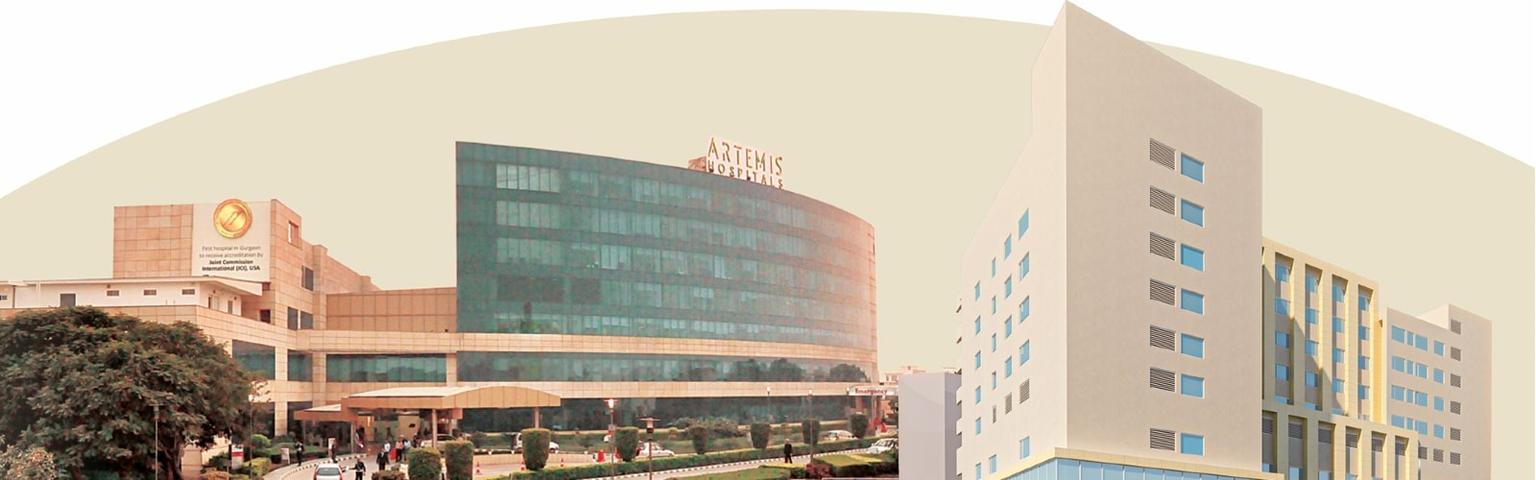
Artemis Hospital
Sector 51, Gurugram, Haryana, India
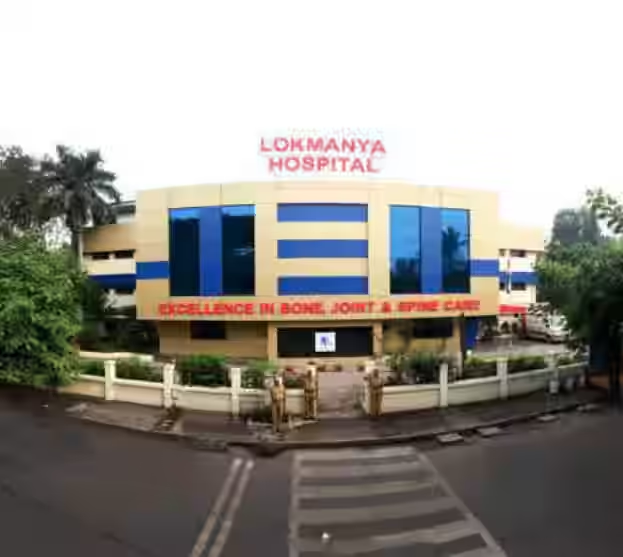
Lokmanya Hospitals
Not Specified

White Lotus Hospital
766, SFS 3145, SFS Road, 7th Sector, HSR Layout, Bengaluru, Karnataka 560102, India
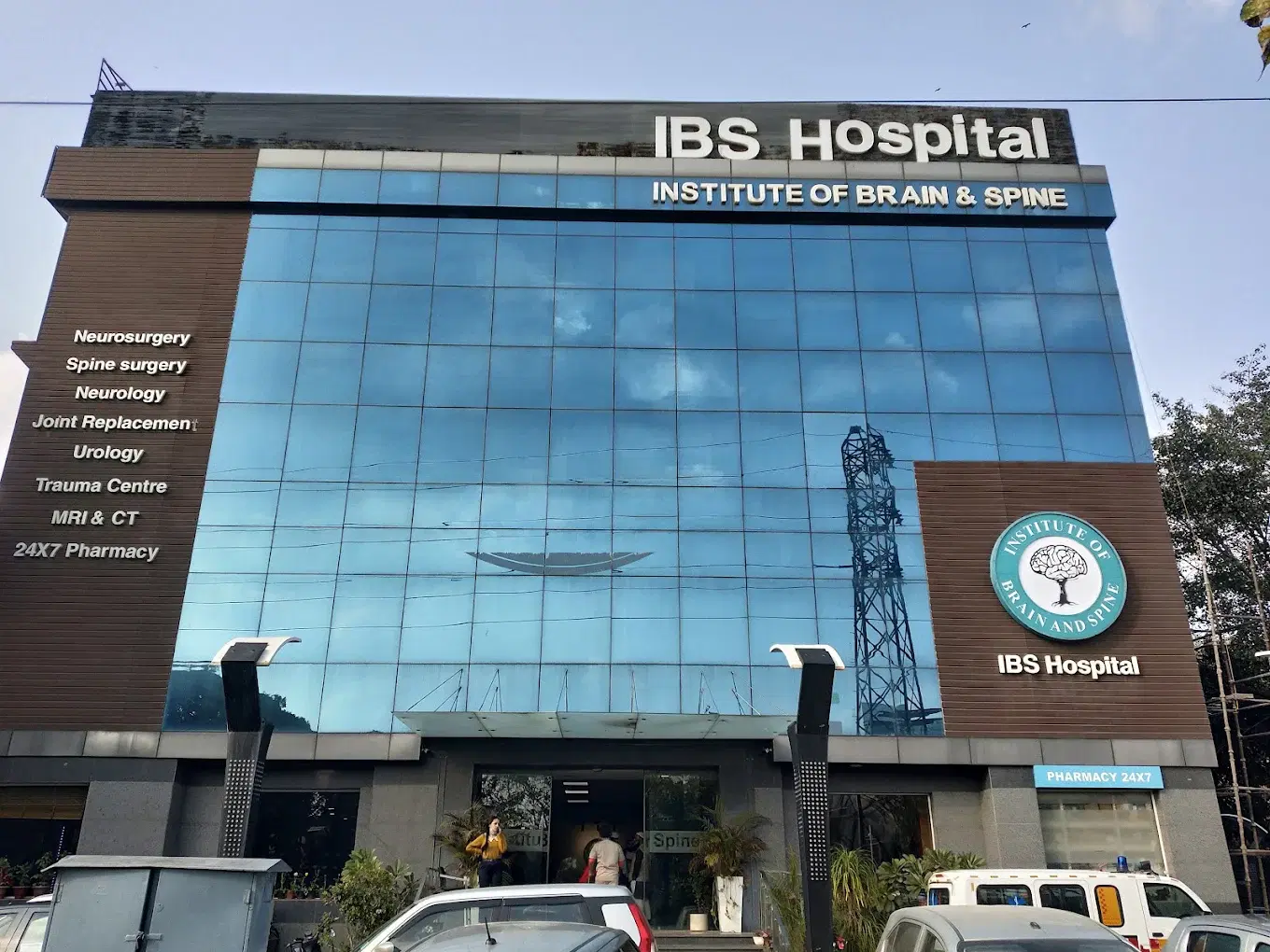
Institute of Brain and Spine (IBS Hospital)
Not Specified
Meet Our Medical Specialists




Sr. Consultant - Urology & Kidney Transplant Program (Unit I)
Dr. Abhinandan Mukhopadhyay
MBBS, MD
India

Sr. Consultant - Urology & Kidney Transplant Program (Unit I)
Dr. Abhinandan Mukhopadhyay
MBBS, MD
India
How DivinHeal Helps
We simplify your medical journey by providing comprehensive support and access to world-class healthcare.
Expert Specialist Matching
Connecting you with the world's top-rated medical experts.
Accredited Hospital Network
Access to JCI & NABH certified healthcare facilities.
Complete Travel Coordination
Hassle-free visa, stay, and local transport assistance.
24/7 Personal Care
Dedicated patient advisors supporting you at every step.
Journey Guidance
Full guidance from start to end of the patient treatment journey.
Expert Specialist Matching
Connecting you with the world's top-rated medical experts.
Everything you
need to know today
Browse through these common inquiries to better understand our patient-focused medical platform.
Yes, we work with a variety of insurance providers. Contact our team to verify your coverage.
Yes, we provide secure online consultations with experienced specialists.
Our care coordinators help match you with the most suitable specialist.
Absolutely. Your medical information is protected according to healthcare privacy standards.
Look at six things: accreditation (JCI or NABH), specialty depth, doctor credentials and experience, procedure-specific success rates, international patient support, and technology. DivinHeal's AI-driven matching evaluates every hospital in our accredited partner network on these dimensions and shortlists the best-fit options for your condition, budget, and country.
JCI (Joint Commission International) is the US-based global gold standard for hospital quality, recognised worldwide. NABH is India's national accreditation — accredited by ISQua, the same body that accredits JCI. Both signal independently verified safety and quality. Most of India's leading hospitals hold both.
Yes. All three welcome international patients through structured medical visa programs. India is the most established, treating patients from Africa, the Middle East, and South Asia at 60–80% lower cost. Thailand leads in cosmetic and dental care. The UAE is emerging in oncology and reproductive medicine.
Most patients save 50–80% on treatment costs. Heart bypass costs US $7,000–9,000 in India compared to $70,000–150,000 in the US. IVF costs $3,000–4,500 compared to $12,000–20,000 in the UK. Even after flights, visa, and accommodation, total savings remain 60–70%.
DivinHeal manages your entire non-medical journey: visa invitation letters, medical visa guidance, doctor appointments, teleconsultations, airport pickup, hospital-vetted accommodation for you and your attendant, language interpreters, local transport, cuisine preferences, and post-treatment follow-up — one dedicated coordinator from first enquiry to final follow-up.
You need a valid passport (6+ months validity), a medical visa (M-Visa for India — DivinHeal provides the hospital invitation letter), return flight tickets, recent medical reports and a doctor's referral, current prescription list, and proof of financial means. Any accompanying attendant needs their own passport and MX-Visa.
Still have more questions?
Book a call with our friendly team to learn how DivineHeal simplifies your healthcare journey.