
Heart Transplant Treatment in Chennai for Nigeria
Need Personalized Advice?
Our medical experts are ready to answer your questions and guide you through your treatment options.
About
Heart Transplant in Chennai for Nigerian Patients | Hospitals & Cost
For Nigerian patients facing the complex diagnosis of end-stage heart failure, considering a heart transplant brings significant questions. The search for advanced medical expertise and compassionate care often extends beyond national borders. This journey involves navigating uncertainty about treatment options and finding a trusted medical destination.
Chennai has emerged as a leading hub for cardiac care in Asia, attracting international patients seeking highly specialized procedures. Patients from Nigeria increasingly choose Chennai for its dedicated heart transplant programs. The city offers a well-coordinated medical environment, designed to manage the intricacies of such life-saving surgeries.
Trust in Chennai’s medical ecosystem is built upon its world-class hospitals and renowned cardiac specialists. These facilities are equipped with state-of-the-art technology and provide comprehensive patient support. The emphasis on seamless follow-up care and recovery within the city offers comfort to international patients and their families.
Is Chennai the right choice for your heart transplant journey?
What is a Heart Transplant?
A heart transplant is a life-saving surgical procedure that replaces a severely diseased or damaged heart with a healthy heart from a deceased donor. This complex operation is considered when other treatments for heart failure have failed, and the patient's quality of life and survival are significantly compromised. The goal is to restore normal heart function, improve the patient's health, and extend their lifespan. It is one of the most demanding and critical procedures in modern medicine, requiring extensive preparation and careful post-operative management.
Types of Heart Transplant and Related Advanced Interventions
Orthotopic Heart Transplant: This is the most common type, where the recipient's diseased heart is removed and replaced with the donor heart. The donor heart is then surgically connected to the major blood vessels.
Heterotopic Heart Transplant (Piggyback Transplant): Less common, this procedure involves leaving the diseased heart in place and connecting the donor heart alongside it to act as a booster pump. It is rare and typically considered in specific situations.
Combined Organ Transplants: In some cases, patients may require a heart transplant in conjunction with another organ transplant, such as a heart-lung transplant or a heart-kidney transplant, if other organs are also failing due to the cardiac condition.
Mechanical Circulatory Support (MCS) Devices: Before a transplant, or as an alternative for patients who are not candidates, devices like Ventricular Assist Devices (VADs) can support heart function. These are often used as a bridge to transplant, helping patients survive until a suitable donor heart becomes available.
Rehabilitation and Medical Management: Post-transplant care involves lifelong immunosuppressant medication to prevent rejection, along with comprehensive cardiac rehabilitation and ongoing medical monitoring to ensure the new heart functions optimally.
When is a Heart Transplant Required?
- End-stage heart failure that does not respond to medical therapy or other surgical interventions.
- Severe coronary artery disease with extensive heart muscle damage.
- Cardiomyopathy (disease of the heart muscle) that has progressed to a life-threatening stage.
- Congenital heart defects that are irreparable through other surgical means.
- Life-threatening heart rhythm problems that cannot be controlled by other treatments.
- Severe heart valve disease leading to irreversible heart muscle damage.
- Persistent angina or other cardiac symptoms that severely limit daily activities and quality of life.
Pre-Treatment Evaluation for Heart Transplant
- Comprehensive cardiac assessment, including echocardiogram, ECG, cardiac catheterization, and stress tests.
- Blood tests to assess kidney function, liver function, blood counts, and screen for infections and tissue compatibility (HLA typing).
- Imaging studies such as chest X-ray, CT scan, and MRI of the heart and chest to evaluate organ health.
- Lung function tests to ensure the recipient's lungs can support the new heart.
- Psychological evaluation to assess mental readiness and ability to adhere to complex post-transplant care.
- Dental evaluation to rule out any potential sources of infection.
- Nutritional assessment to ensure optimal health before surgery.
- Social support assessment to ensure a supportive environment for recovery.
How the Heart Transplant is Performed
The heart transplant procedure is a highly intricate surgery, with the exact steps depending on the patient's specific condition and the surgical plan.
Preparation: Once a suitable donor heart is identified, the recipient is brought to the operating room. Anesthesia is administered, and the patient is placed on a heart-lung machine to maintain circulation and oxygenation during the surgery.
Removal of the Diseased Heart: The surgeon makes an incision in the chest and carefully removes the patient’s damaged heart, leaving behind the major blood vessels and parts of the atria for connection.
Implantation of the Donor Heart: The healthy donor heart is meticulously positioned and then surgically connected to the recipient's great vessels and the remaining atrial cuffs. This involves careful suturing to ensure strong and leak-free connections.
Restoration of Blood Flow: Once the connections are complete, blood flow is gradually restored to the new heart. The heart-lung machine is slowly weaned off as the donor heart begins to function on its own. The surgical team closely monitors the new heart's performance.
Closure: After confirming stable heart function and addressing any bleeding, the chest incision is carefully closed. The patient is then transferred to the intensive care unit for close monitoring.
Ready to Explore Your Options?
Contact us today to learn more about heart transplant procedures in Chennai and receive personalized guidance for your medical journey.
Heart Transplant Recovery Process
Recovery from a heart transplant is a long and comprehensive process, typically beginning with several days or weeks in the intensive care unit (ICU) followed by further hospital stay. Patients require lifelong immunosuppressant medications to prevent organ rejection, along with close medical follow-up, including regular biopsies and blood tests. Physical therapy and cardiac rehabilitation are crucial to regain strength and function. Restrictions on heavy lifting and strenuous activities are common during the initial healing phase. A dedicated team will provide guidance on diet, exercise, and lifestyle adjustments to support long-term heart health.
Risks and Success Rates of Heart Transplant
- Organ rejection: The body's immune system may attack the new heart, requiring adjustments to medication.
- Infection: Immunosuppressant drugs increase susceptibility to various infections.
- Bleeding or blood clots: Complications during or after surgery.
- Kidney dysfunction: Can be a side effect of certain medications or a pre-existing condition.
- Coronary artery disease of the transplanted heart (cardiac allograft vasculopathy).
- Side effects from immunosuppressant medications, such as high blood pressure, diabetes, or bone thinning.
Heart transplant success rates have significantly improved over the years due to advancements in surgical techniques and post-operative care. While outcomes can vary based on individual patient health, age, and adherence to medication, the one-year survival rate typically ranges from 85% to 90%, and the five-year survival rate is generally between 70% and 75%. Long-term expectations include a significantly improved quality of life, allowing most recipients to return to many normal activities.
Connect with Chennai's Top Cardiac Specialists
Receive expert consultation and understand your treatment path for a heart transplant. Reach out to us for a detailed assessment.
Cost of Heart Transplant in Chennai
The cost of a heart transplant in Chennai is considerably more affordable compared to Western countries, without compromising on quality of care. Several factors influence the total expense, including the chosen hospital, the specific surgical approach, the duration of hospital stay, the complexity of the case, and any necessary pre- or post-operative interventions. This estimate typically covers the surgery, donor heart procurement, initial hospitalization, and early recovery phase.
Heart Transplant Cost Comparison: Chennai vs. Global
| Location | Estimated Cost (USD) |
|---|---|
| Chennai, India | $45,000 - $65,000 |
| USA | $1,000,000 - $1,500,000+ |
| United Kingdom | $150,000 - $250,000+ |
| Singapore | $180,000 - $300,000+ |
| Germany | $120,000 - $200,000+ |
Comprehensive Support Services for International Patients
- Dedicated patient care coordinators to assist with all aspects of your medical journey.
- Arrangements for travel, accommodation, and local transport in Chennai.
- Assistance with visa applications and medical travel documents.
- Language interpretation services to ensure clear communication with medical staff.
- Personalized treatment plans developed by multidisciplinary teams.
- Post-treatment follow-up coordination and support for your return home.
- Guidance on local amenities and cultural nuances for a comfortable stay.
Important Papers for Your Medical Visit to Chennai
- Valid passport and medical visa for India.
- Detailed medical reports, including diagnosis, treatment history, and recent test results.
- Referral letters from your primary physician or cardiologist in Nigeria.
- Any previous imaging scans (CDs/films) related to your heart condition.
- Proof of financial capability or medical insurance coverage for the treatment.
- Contact information for your emergency contacts.
- A list of all current medications, including dosages.
Essential Preparation Steps Before You Arrive for Treatment
- Undergo all preliminary medical evaluations requested by the Chennai hospital remotely.
- Ensure your travel documents, including visa, are in order well in advance.
- Arrange for a travel companion, as heart transplant is a major surgery requiring support.
- Understand the dietary and medication guidelines provided by your medical team before travel.
- Pack essential personal items, comfortable clothing, and any prescribed medications.
- Inform the hospital of your arrival details for airport assistance if needed.
- Ensure all financial arrangements are confirmed prior to your departure.
Guidance for Healing and Aftercare Following Your Transplant
- Adhere strictly to the prescribed immunosuppressant medication regimen without fail.
- Attend all scheduled follow-up appointments and diagnostic tests in Chennai.
- Participate actively in the recommended cardiac rehabilitation program.
- Monitor for any signs of infection or rejection and report them immediately to your medical team.
- Follow dietary restrictions and healthy lifestyle recommendations provided by your nutritionist.
- Avoid exposure to crowds or sick individuals, especially in the initial recovery period.
- Maintain regular communication with your Chennai medical team after returning home for ongoing guidance.
Ready to Take the Next Step Toward a Healthier Future?
Begin your journey to renewed health with the expert care available in Chennai. We are here to support you at every stage.
Hospitals Offering this treatment
India offers premium medical procedures at affordable prices. Discover our most popular treatments, delivered by the country's finest doctors.
Meet Our Doctors
Meet our team of highly qualified and experienced medical professionals dedicated to providing the best healthcare services.

Dr. Ajit Singh Baghela
Consultant
Paediatric Neurology
Haryana
9+ Years
Experience
Artemis Hospital
Hospital
1500
Fees
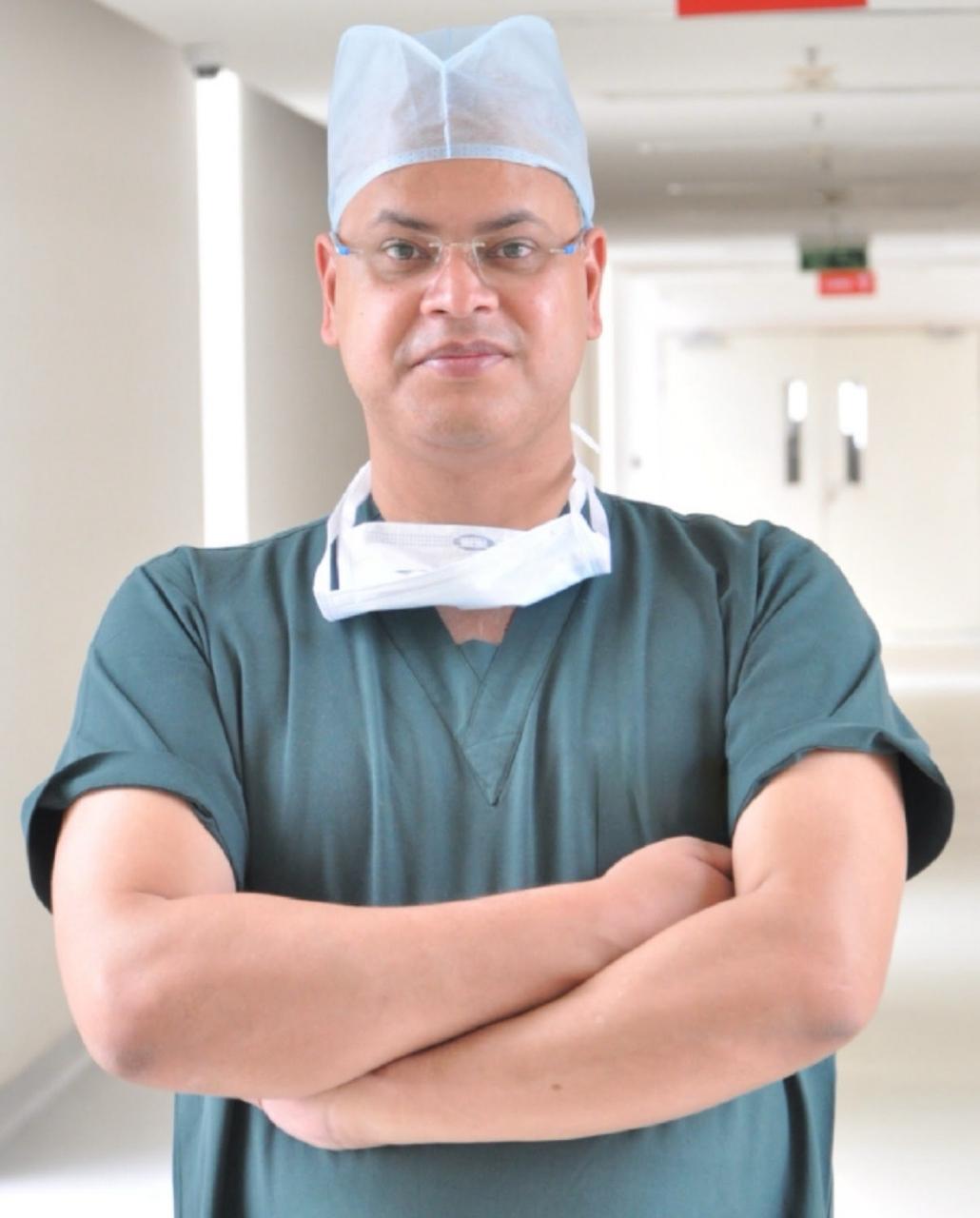
Dr. Ramkinkar Jha
Chief and Unit Head - Orthopaedics (Unit III)
Orthopaedic Surgery, Orthopaedics, Robotic Surgery
New Delhi
20+ Years
Experience
Artemis Hospital
Hospital
1500
Fees

Dr. Surendra Nath Khanna
Chairperson, Adult Cardiac Surgery & Heart - Lung Transplant
Cardio Thoracic and Vascular Surgery, Vascular Surgery
New Delhi
34+ Years
Experience
Artemis Hospital
Hospital
1500
Fees
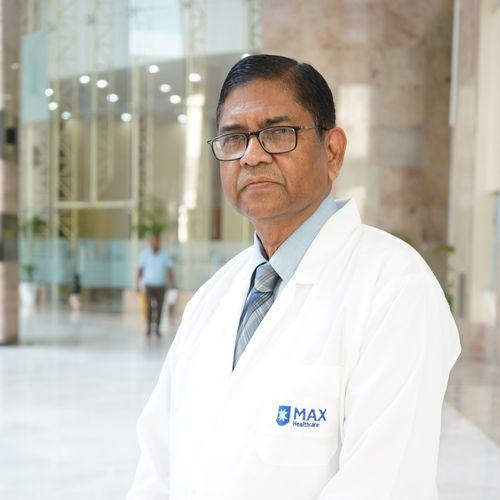
Dr. Nakul Sinha
Chairman - Cardiology
Cardiology
New Delhi
41+ Years
Experience
Max Hospital,Gurgaon
Hospital
1500
Fees
Related Links
Recent Blogs
Other Treatment related Information
- Heart Transplant cost in Chennai
- Heart Transplant cost in Bengaluru
- Heart Transplant cost in India
- Heart Transplant cost in Mumbai
- Heart Transplant cost in Pune
- Heart Transplant cost in New Delhi
- Heart Transplant cost in Haryana
- Heart Transplant cost in Hyderabad
- Heart Transplant Success Rate in Hyderabad
- Heart Transplant Success Rate in Mumbai
- Heart Transplant Success Rate in Bengaluru
- Heart Transplant Success Rate in Pune
- Heart Transplant Success Rate in New Delhi
- Heart Transplant Success Rate in India
- Heart Transplant Success Rate in Haryana
- Heart Transplant Success Rate in Chennai
Ready To Start Your Healing Journey?
Get Personalized Medical Treatment Options From India's Top Hospitals. Our Medical Experts Are Ready To Assist You Every Step Of The Way.