
Heart Transplant Treatment in Chennai for UAE
Need Personalized Advice?
Our medical experts are ready to answer your questions and guide you through your treatment options.
About
Heart Transplant in Chennai for UAE Patients | Cost & Hospitals
For patients in the UAE facing end-stage heart conditions, the prospect of a heart transplant can bring mixed emotions. Concerns about finding the right expertise, navigating complex logistics, and managing significant expenses often create a sense of uncertainty when considering life-saving treatment.
Many individuals from the UAE choose to explore options beyond their borders, and Chennai stands out as a leading destination. Its established medical infrastructure, coupled with specialized cardiac centers and a track record of successful transplants, makes it a compelling choice for advanced care.
Chennai’s hospitals are equipped with world-class facilities and teams of highly skilled cardiothoracic surgeons and intensivists. The city offers a coordinated care environment, ensuring comprehensive support from initial consultation to post-operative recovery, all within a familiar and welcoming medical setting.
Is Chennai the ideal destination for your heart transplant journey?
What is a Heart Transplant?
A heart transplant is a life-saving surgical procedure that involves replacing a severely diseased or failing heart with a healthy heart from a deceased donor. This complex operation is typically reserved for individuals with end-stage heart failure who have exhausted all other treatment options and whose prognosis is dire without intervention. The primary goal is to restore normal heart function, improve quality of life, and extend lifespan.
Phases and Related Care Options for Heart Transplant
While a heart transplant itself is a specific surgical intervention, the overall treatment journey encompasses several critical phases and related care options:
- Orthotopic Heart Transplantation: This is the most common type of transplant, where the recipient's entire diseased heart is removed and replaced by the donor heart.
- Mechanical Circulatory Support Devices: Prior to transplant, patients may require devices like Left Ventricular Assist Devices (LVADs) or ECMO to support heart function while awaiting a suitable donor.
- Immunosuppression Therapy: A crucial and lifelong post-transplant regimen involving medications to prevent the recipient's immune system from rejecting the new heart.
- Cardiac Rehabilitation: A supervised program of exercise, education, and counseling designed to help patients recover strength, improve cardiovascular health, and adapt to life with a new heart.
- Psychological and Nutritional Support: Integral components of care, addressing the emotional and mental well-being of patients and ensuring optimal nutritional status before and after the procedure.
When Is a Heart Transplant Required?
- End-stage heart failure due to conditions like dilated cardiomyopathy or severe ischemic heart disease.
- Severe coronary artery disease not treatable with bypass surgery, angioplasty, or medication.
- Congenital heart defects that have led to irreparable heart damage and life-threatening complications.
- Advanced valvular heart disease causing severe, irreversible heart failure.
- Recurrent life-threatening arrhythmias unresponsive to other medical or interventional therapies.
- Repeatedly failed previous heart surgeries with no other viable treatment options remaining.
Pre-Transplant Evaluation Steps
- A thorough review of medical history and a comprehensive physical examination by the transplant team.
- Extensive cardiac imaging studies, including echocardiogram, cardiac MRI, and cardiac catheterization.
- Detailed blood tests for organ function, infectious disease screening, blood typing, and tissue compatibility matching.
- Psychological evaluation to assess mental readiness, coping mechanisms, and the patient's support system.
- Pulmonary function tests and kidney function assessments to ensure other vital organs are healthy enough for surgery.
- Nutritional assessment to optimize the patient's health status before the complex surgery.
How the Heart Transplant Procedure Is Performed
The specific steps for a heart transplant are carefully planned and executed, largely dependent on the patient's unique condition and the availability of a matching donor heart.
Donor Heart Matching and Preparation
Once a suitable donor heart becomes available, based on crucial factors like blood type, body size, and tissue matching, the recipient is immediately called to the hospital. The donor heart is carefully retrieved and transported under specific conditions to preserve its viability.
The Surgical Procedure
The patient is placed under general anesthesia, and connected to a heart-lung bypass machine, which takes over the functions of the heart and lungs during the operation. The surgeon then meticulously removes the diseased heart, typically leaving portions of the atria in place, and carefully sutures the new, healthy donor heart into position, connecting all the major blood vessels and chambers.
Weaning Off Bypass and Closure
After the new heart is successfully implanted and begins to function, the patient is gradually weaned off the heart-lung bypass machine. The surgical team ensures proper heart function before closing the chest cavity. The patient is then transferred to the Intensive Care Unit for immediate post-operative monitoring and recovery.
The Heart Transplant Recovery Process
Recovery after a heart transplant is a gradual and intensive process, typically beginning with several days in the Intensive Care Unit (ICU) for close monitoring. Patients then transition to a specialized transplant ward for a few weeks, focusing on wound healing, medication management, and initial physical therapy. Long-term recovery involves strict adherence to immunosuppressant medications to prevent rejection, regular follow-up appointments, participation in cardiac rehabilitation programs, and significant lifestyle adjustments to ensure the longevity of the new heart and prevent complications. Ongoing education and support are key throughout this journey.
Heart Transplant Risks and Success Rates
- Acute or Chronic Rejection: The body's immune system may attempt to reject the new heart, requiring intensive medical management.
- Infections: Due to immunosuppressive medications, patients are at a higher risk of developing various infections, especially in the early post-transplant period.
- Surgical Complications: These can include bleeding, blood clots, or issues with the surgical connections of blood vessels.
- Kidney Dysfunction: Some medications or pre-existing conditions can affect kidney function after transplant.
- Coronary Allograft Vasculopathy (CAV): A unique form of coronary artery disease that can develop in the transplanted heart.
- Medication Side Effects: Immunosuppressants can have various side effects, including elevated blood pressure, diabetes, and increased risk of certain cancers.
Heart transplant success rates have significantly improved over the decades due to advancements in surgical techniques, immunosuppressive therapies, and post-operative care. Generally, about 85-90% of patients survive the first year after a heart transplant, and approximately 70-75% are still alive five years post-transplant. These outcomes depend heavily on factors such as the patient's overall health before surgery, the quality of the donor heart, strict adherence to post-operative medication and lifestyle changes, and the expertise of the transplant team. Many recipients go on to live active, fulfilling lives with greatly improved health and quality of life.
Seeking World-Class Heart Care in Chennai?
Connect with leading heart transplant specialists in Chennai for a consultation and explore your treatment options. Our team is ready to assist you.
Cost of Heart Transplant in Chennai
Understanding the financial aspect of a heart transplant is crucial for international patients. The overall cost in Chennai is influenced by several factors, including the chosen hospital's infrastructure, the complexity of the individual case, the duration of hospital stay, the specific surgical team, and the potential need for any specialized pre- or post-operative care or equipment.
While costs can vary, a heart transplant in Chennai typically ranges from approximately $35,000 to $65,000 USD, offering a significant value proposition compared to many Western countries, without compromising on the quality of medical care.
How Much Does a Heart Transplant Cost in Chennai?
Chennai offers highly competitive pricing for heart transplants while upholding international standards of medical excellence. The comparative affordability is a major draw for patients seeking advanced cardiac care without prohibitive costs.
| Location | Estimated Cost (USD) |
|---|---|
| Chennai, India | $35,000 - $65,000 |
| United States | $1,000,000 - $1,500,000 |
| United Kingdom | $150,000 - $250,000 |
| Singapore | $180,000 - $300,000 |
| South Africa | $70,000 - $120,000 |
Comprehensive Assistance for Your Transplant Journey
- Support with medical visa applications and necessary travel arrangements.
- Coordination of comfortable accommodation and reliable local transportation in Chennai.
- Assignment of a dedicated patient relationship manager to assist throughout your stay.
- Access to professional language interpretation services to ensure clear communication.
- Assistance with scheduling pre-treatment consultations and obtaining second opinions.
- Guidance for post-discharge follow-up scheduling and remote care options for continued support.
Essential Papers for Your Medical Travel
- A valid passport from your home country and an approved medical visa for India.
- Comprehensive medical reports detailing your current diagnosis and any previous treatments.
- All relevant imaging scans (X-rays, MRI, CT, PET) either on disc, printouts, or accessible online.
- A referral letter from your primary care physician or specialist, if applicable.
- Financial documents confirming proof of funds or insurance coverage for the treatment.
- An updated list of all current medications, including dosages and frequency.
Key Preparations Before Your Arrival
- Strict adherence to any pre-operative dietary and medication guidelines provided by the medical team.
- Making all necessary arrangements for your travel to and accommodation in Chennai.
- Undergoing any final diagnostic tests or health optimizations required prior to hospital admission.
- Engaging in thorough discussions with the transplant team to fully understand the procedure, potential risks, and expected outcomes.
- Ensuring a clear communication plan is established with your family and local support network.
- Engaging in mental and emotional preparation to build resilience for the transplant journey.
Guidelines for Your Recovery and Aftercare
- Strictly adhering to the prescribed immunosuppression regimen to prevent organ rejection.
- Diligent, regular monitoring for any signs of infection or symptoms of rejection.
- Actively engaging in all recommended cardiac rehabilitation exercises and physiotherapy.
- Following a heart-healthy diet and avoiding specific foods or supplements as advised by your nutritionist.
- Attending all scheduled follow-up appointments, blood tests, and diagnostic evaluations.
- Avoiding strenuous physical activities and crowded places, especially during the early recovery phase, to minimize infection risk.
Ready to Take the Next Step for a Healthier Heart?
Embarking on a heart transplant journey is a profound decision, and Chennai's medical community is prepared to support you with advanced care, experienced professionals, and compassionate guidance. We are here to help you navigate every phase of this life-changing process with utmost dedication.
Get Personalized Guidance for Your Treatment in Chennai
Our team is ready to answer your questions, provide detailed information, and help you plan your heart transplant journey. Reach out today.
Hospitals Offering this treatment
India offers premium medical procedures at affordable prices. Discover our most popular treatments, delivered by the country's finest doctors.

Al Zahra Hospital, Dubai
Sheikh Zayed Road, Al Barsha 1, Dubai, UAE
Al Zahra Hospital, Dubai
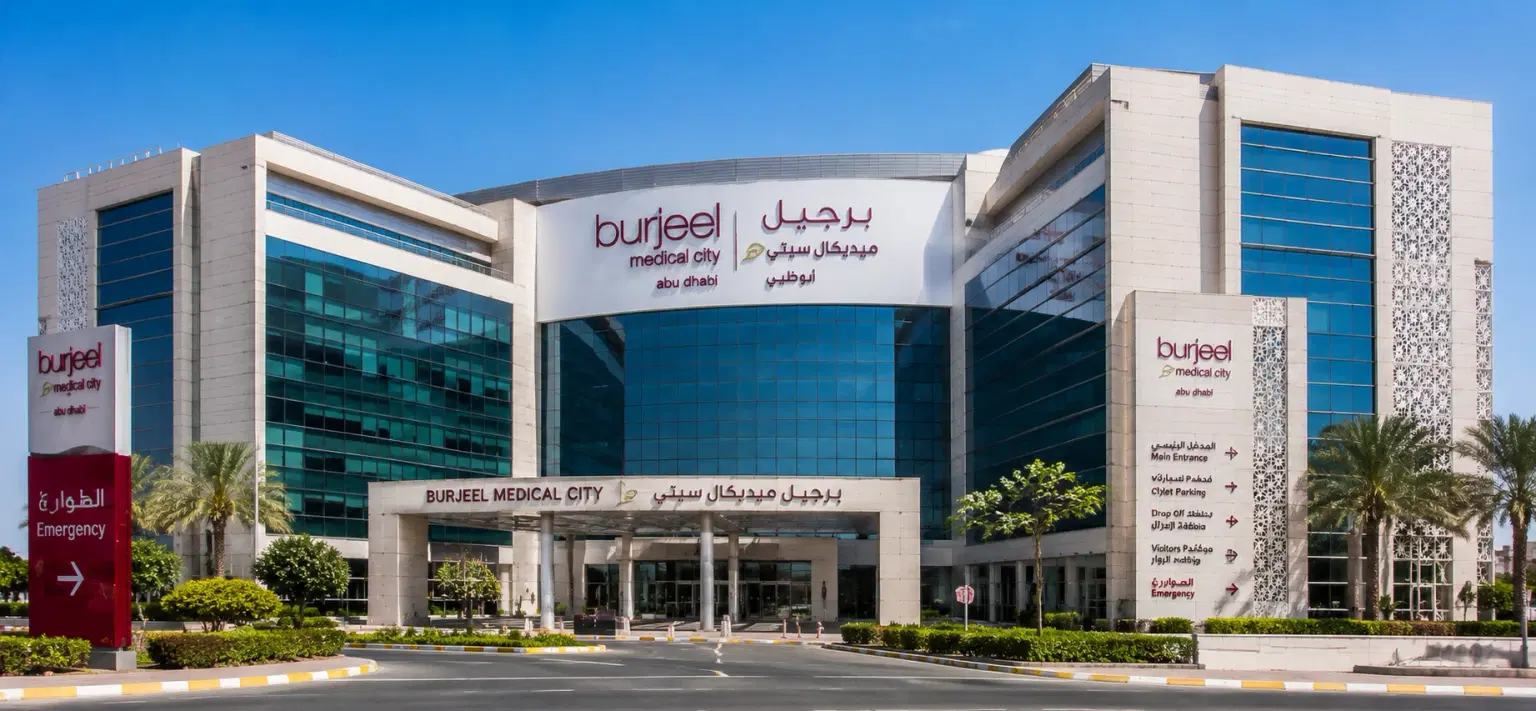
Burjeel Medical City, Abu Dhabi
28th Street, Mohammed Bin Zayed City, Abu Dhabi, UAE
Burjeel Medical City, Abu Dhabi
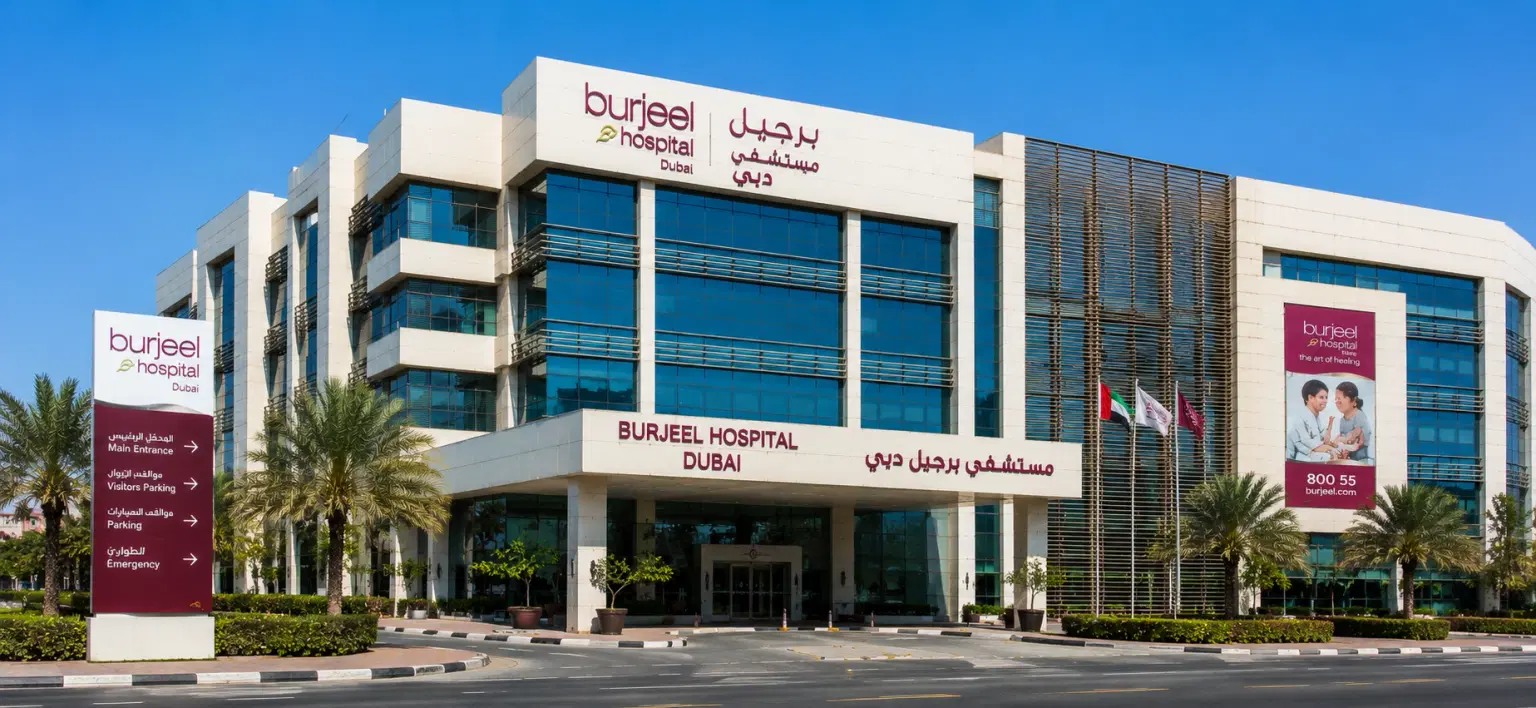
Burjeel Hospital, Dubai
Dubai, UAE (part of Burjeel Holdings network)
Burjeel Hospital, Dubai
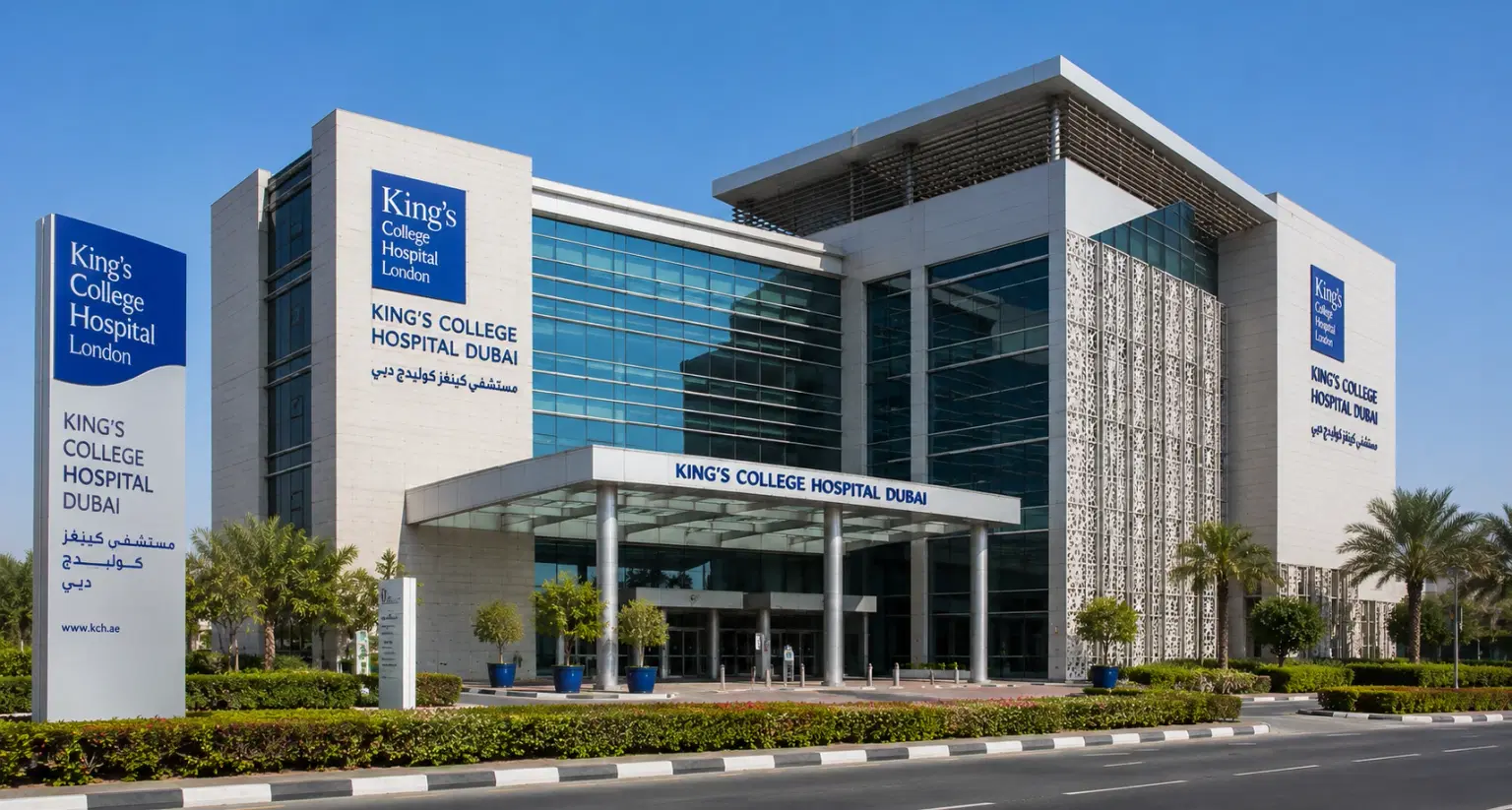
King's College Hospital, Dubai
Dubai Hills, Mohammed Bin Rashid City, Dubai, UAE
King's College Hospital, Dubai
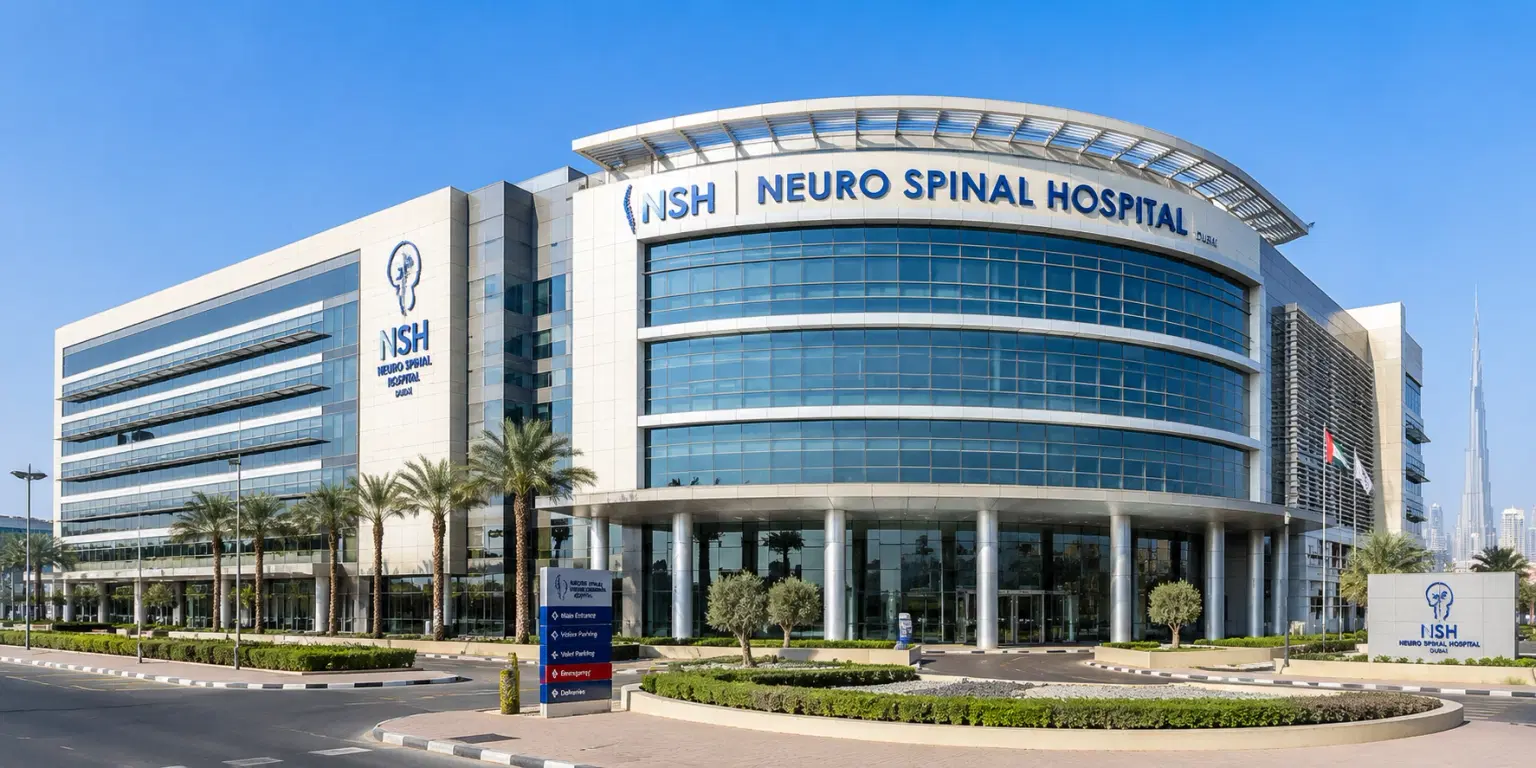
Neuro Spinal Hospital (NSH), Dubai
Dubai Science Park, Umm Suqeim St, Al Barsha South, Dubai, UAE
Neuro Spinal Hospital (NSH), Dubai

HMS Al Garhoud Hospital, Dubai
Al Garhoud Street, Al Garhoud, Dubai, UAE
HMS Al Garhoud Hospital, Dubai
Meet Our Doctors
Meet our team of highly qualified and experienced medical professionals dedicated to providing the best healthcare services.
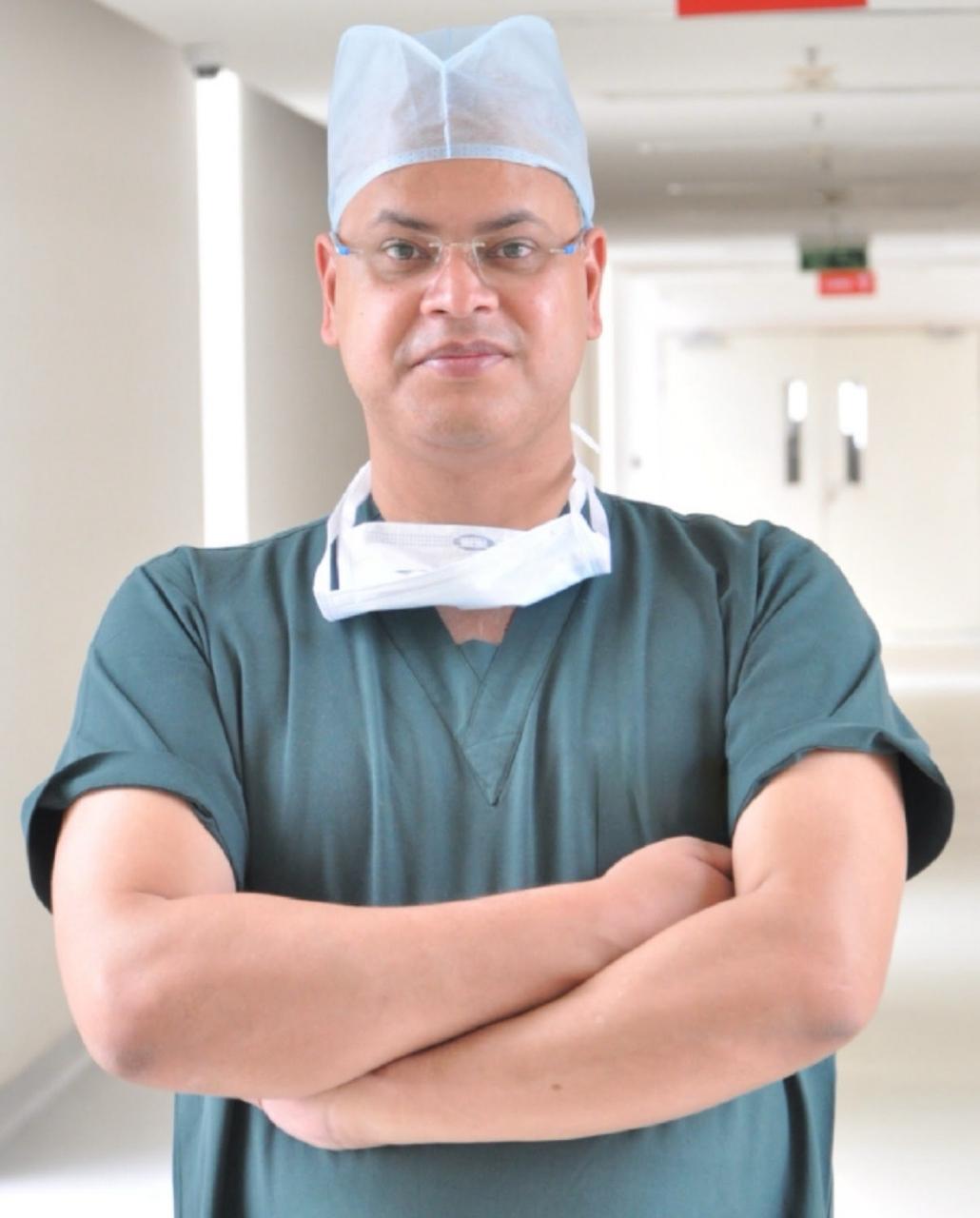
Dr. Ramkinkar Jha
Chief and Unit Head - Orthopaedics (Unit III)
Orthopaedic Surgery, Orthopaedics, Robotic Surgery
New Delhi
20+ Years
Experience
Artemis Hospital
Hospital
1500
Fees

Dr. Surendra Nath Khanna
Chairperson, Adult Cardiac Surgery & Heart - Lung Transplant
Cardio Thoracic and Vascular Surgery, Vascular Surgery
New Delhi
34+ Years
Experience
Artemis Hospital
Hospital
1500
Fees
Related Links
Recent Blogs
Other Treatment related Information
- Heart Transplant cost in Chennai
- Heart Transplant cost in Bengaluru
- Heart Transplant cost in India
- Heart Transplant cost in Mumbai
- Heart Transplant cost in Pune
- Heart Transplant cost in New Delhi
- Heart Transplant cost in Haryana
- Heart Transplant cost in Hyderabad
- Heart Transplant Success Rate in Hyderabad
- Heart Transplant Success Rate in Mumbai
- Heart Transplant Success Rate in Bengaluru
- Heart Transplant Success Rate in Pune
- Heart Transplant Success Rate in New Delhi
- Heart Transplant Success Rate in India
- Heart Transplant Success Rate in Haryana
- Heart Transplant Success Rate in Chennai
Ready To Start Your Healing Journey?
Get Personalized Medical Treatment Options From India's Top Hospitals. Our Medical Experts Are Ready To Assist You Every Step Of The Way.