

Heart Transplant Treatment in Gurugram for Bangladesh
Access high-quality treatment through JCI & NABH-accredited hospitals, renowned specialists, and end-to-end medical travel support designed around your healing journey.
Plan My Journey
Tell us your condition and budget - our AI matches the right destination, hospital and doctor and visa pathway
Cost calculator
I know my treatment - show me cost from 3 hospitals
5K+ International Patients Treated
40+ Source Countries Served
500+ Accredited Partner Hospitals
98% Patient Satisfaction
80% Average Savings vs USA
10K+ Doctors
NABH, JCI Accredited Hospitals
Free Treatment Plan
Free Consultation with Doctor
5+ Destinations Covered

Written by DivinHeal Editorial Contributor, DivinHeal Medical Team, Healthcare Advisory Team Published on: February 19, 2026
About
Heart Transplant in Gurugram for Bangladesh Patients
For patients in Bangladesh facing end-stage heart failure, the prospect of a heart transplant can bring both hope and significant worry. Questions about access to advanced surgical care, skilled specialists, and the overall journey often weigh heavily. Finding a trusted destination for such a critical procedure is a primary concern.
Many international patients, including those from Bangladesh, choose to explore medical options beyond their home country. Gurugram stands out as a preferred destination for complex cardiac procedures like heart transplants. The city offers a well-coordinated healthcare environment and robust infrastructure specifically designed for international patient care.
Gurugram’s hospitals are recognized for their advanced cardiac centers and highly experienced transplant surgeons. Patients can find reassurance in the established protocols for pre-operative evaluation, the transplant surgery itself, and comprehensive post-operative follow-up within the city. The focus remains on delivering specialized, integrated care.
Gurugram provides a reliable and accessible option for critical heart transplant needs.
What is a Heart Transplant?
A heart transplant is a life-saving surgical procedure where a diseased, failing heart is replaced with a healthy heart from a deceased donor. This complex operation is considered for individuals with end-stage heart failure when all other medical and surgical treatments have proven ineffective. The goal is to improve the patient's quality of life and extend their lifespan significantly. Successful transplantation requires careful matching between the donor and recipient, followed by lifelong immunosuppressive therapy to prevent organ rejection.
What are the Types and Approaches to Heart Transplant?
While the primary procedure is a direct replacement, understanding related approaches is helpful:
- Orthotopic Heart Transplant: This is the most common type, involving the removal of the recipient's entire heart and its replacement with the donor heart.
- Heterotopic Heart Transplant (Piggyback Transplant): Less common, this procedure involves leaving the diseased heart in place and connecting the donor heart to function alongside it, assisting the native heart's pumping action.
- Ventricular Assist Devices (VADs): These mechanical pumps can support the heart's function and are often used as a "bridge to transplant" for patients awaiting a donor heart, or as a "destination therapy" for those not eligible for transplant.
- ECMO Support: Extracorporeal Membrane Oxygenation may be used to stabilize critically ill patients as a bridge to transplant or until a VAD can be implanted.
When is a Heart Transplant Required?
- End-stage heart failure unresponsive to conventional medical therapies.
- Severe coronary artery disease causing irreversible damage.
- Advanced cardiomyopathy (dilated, hypertrophic, restrictive) where the heart muscle is severely weakened or stiffened.
- Life-threatening congenital heart defects that cannot be repaired by other surgeries.
- Intractable arrhythmias or recurrent ventricular arrhythmias that pose a significant risk to life.
- Severe valvular heart disease with irreversible damage to the heart muscle.
What Pre-Treatment Evaluation is Necessary?
- Comprehensive Medical History and Physical Examination: Assessing overall health and existing conditions.
- Blood Tests: Including blood type, tissue matching (HLA typing), viral screens, and kidney/liver function tests.
- Cardiac Imaging: Electrocardiogram (ECG), echocardiogram, chest X-ray, cardiac CT scan, or MRI to assess heart structure and function.
- Cardiac Catheterization and Angiography: To evaluate coronary arteries and measure heart pressures.
- Pulmonary Function Tests: To assess lung health, as it impacts transplant outcomes.
- Psychological and Social Evaluation: To ensure the patient has the mental and emotional readiness and support system for the demanding transplant journey.
- Infectious Disease Screening: To rule out any active infections that could complicate surgery or recovery.
How is a Heart Transplant Performed?
The heart transplant procedure is a highly complex surgery, with the exact approach dependent on the patient's specific condition and the transplant team's plan.
Steps Involved in a Heart Transplant:
- Donor Heart Retrieval: Once a suitable donor heart is identified, it is carefully retrieved and transported under cold preservation to the recipient's hospital.
- Recipient Preparation: The patient is prepared for surgery, placed under general anesthesia, and connected to a heart-lung bypass machine. This machine temporarily takes over the functions of the heart and lungs, allowing the surgical team to operate on a still heart.
- Removal of Diseased Heart: The surgeon makes an incision in the chest and carefully removes the patient's failing heart, leaving behind the atria where the major blood vessels connect.
- Implantation of Donor Heart: The new donor heart is meticulously sewn into place, connecting the major blood vessels and chambers.
- Restarting the Heart: Once all connections are secured, the heart-lung machine is gradually weaned off, and the new heart begins to beat on its own.
- Closure: The chest incision is closed, and the patient is transferred to the intensive care unit for close monitoring.
What Does the Recovery Process Entail?
Recovery from a heart transplant is a significant journey requiring dedicated care. Patients typically spend several days to weeks in the intensive care unit, followed by a longer stay in the general ward. The healing time involves close monitoring for rejection and infection, careful management of immunosuppressant medications, and a gradual return to activity through physical therapy. Regular follow-up appointments and diagnostic tests are crucial for monitoring the new heart's function and adjusting medication as needed. Patients must commit to lifelong medication adherence and lifestyle changes for optimal long-term outcomes.
What are the Risks and Success Rates of a Heart Transplant?
- Organ Rejection: The body's immune system may attack the new heart.
- Infection: Immunosuppressive medications increase the risk of infections.
- Bleeding or Blood Clots: Complications related to surgery.
- Kidney Failure: A potential side effect of certain medications.
- Primary Graft Dysfunction: The new heart may fail to function adequately immediately after transplant.
- Coronary Artery Vasculopathy (CAV): A form of accelerated atherosclerosis in the transplanted heart's arteries.
- Stroke: A risk associated with major surgery.
The success rates for heart transplants have significantly improved over the years. Globally, the one-year survival rate typically ranges from 85% to 90%, with five-year survival rates often between 70% and 75%. Long-term outcomes can vary based on factors such as the patient's age, overall health, adherence to medication, and the absence of complications like rejection. Many recipients go on to live productive and fulfilling lives for many years post-transplant.
Considering a Heart Transplant?
Connect with leading heart transplant specialists in Gurugram for a comprehensive evaluation and personalized treatment plan.
What is the Cost of Heart Transplant in Gurugram?
The cost of a heart transplant in Gurugram can vary based on several critical factors. These include the specific hospital chosen, the expertise and fees of the surgical team, the duration of hospital stay, the need for any pre-transplant support devices (like VADs or ECMO), and the cost of post-operative immunosuppressive medications and rehabilitation. Patient-specific complications or additional treatments can also influence the final expenditure.
Gurugram vs. International Heart Transplant Costs
| Location | Estimated Cost (USD) |
|---|---|
| Gurugram, India | $50,000 - $80,000 |
| United States | $1,000,000 - $1,500,000 |
| United Kingdom | $300,000 - $500,000 |
| Singapore | $250,000 - $400,000 |
Note: These are estimated ranges and actual costs may vary. It is important to obtain a personalized quote.
Support Services for Your Treatment Journey in Gurugram
- Medical Visa Assistance: Guidance and support for obtaining the necessary medical visa for India.
- Travel and Accommodation: Help with flight arrangements, airport transfers, and finding suitable accommodation for patients and their accompanying family.
- Language Interpreters: Professional interpreters available to ensure clear communication between patients, doctors, and hospital staff.
- Appointment Scheduling: Coordination of all medical appointments, from initial consultations to follow-up visits.
- Dedicated Patient Coordinators: A single point of contact to assist with all aspects of the medical journey.
Important Papers Required for Your Medical Visit
- Passport and Visa: Valid passport for the patient and accompanying attendant, along with a valid medical visa.
- Medical Records: All relevant past and present medical reports, diagnostic scans, doctor's notes, and medication lists.
- Donor Related Documents: If a living donor is involved (though less common for heart transplants), all necessary consent and identification documents.
- Financial Documents: Proof of funds or insurance for covering treatment costs.
- Referral Letter: A letter from your local physician outlining the need for the heart transplant.
Preparing for Your Heart Transplant Procedure
- Comprehensive Medical Review: Undergo all required pre-transplant tests and evaluations as instructed by the Gurugram medical team.
- Lifestyle Adjustments: Follow specific dietary recommendations, cease smoking or alcohol consumption, and maintain a healthy weight if advised.
- Medication Management: Discuss all current medications with the transplant team, as some may need to be adjusted or stopped before surgery.
- Emotional Preparation: Understand the procedure and recovery process, and build a strong support system for the journey ahead.
- Financial Planning: Ensure all financial arrangements for the transplant and post-operative care are in place.
Healing and Support After Your Transplant
- Lifelong Immunosuppression: Adhere strictly to the prescribed immunosuppressant medication regimen to prevent organ rejection.
- Regular Follow-up Appointments: Attend all scheduled check-ups, blood tests, and biopsies as required by the transplant team.
- Dietary and Lifestyle Changes: Adopt a heart-healthy diet and engage in a supervised exercise program. Avoid smoking and excessive alcohol.
- Infection Prevention: Take precautions to avoid infections, as the immune system will be suppressed.
- Rehabilitation Program: Participate in cardiac rehabilitation to regain strength and improve overall physical function.
- Emotional Support: Seek support from family, friends, or support groups to manage the emotional aspects of recovery.
Ready for Advanced Cardiac Care?
Reach out today for a free consultation and let us guide you through your heart transplant journey in Gurugram.
Your Path to a Healthier Future Begins Here
Choosing to pursue a heart transplant is a profound decision, and Gurugram offers specialized care and expertise to support you at every step.
Hospitals
NABH & JCI Accredited Hospitals in India,Turkey, Thailand & UAE.
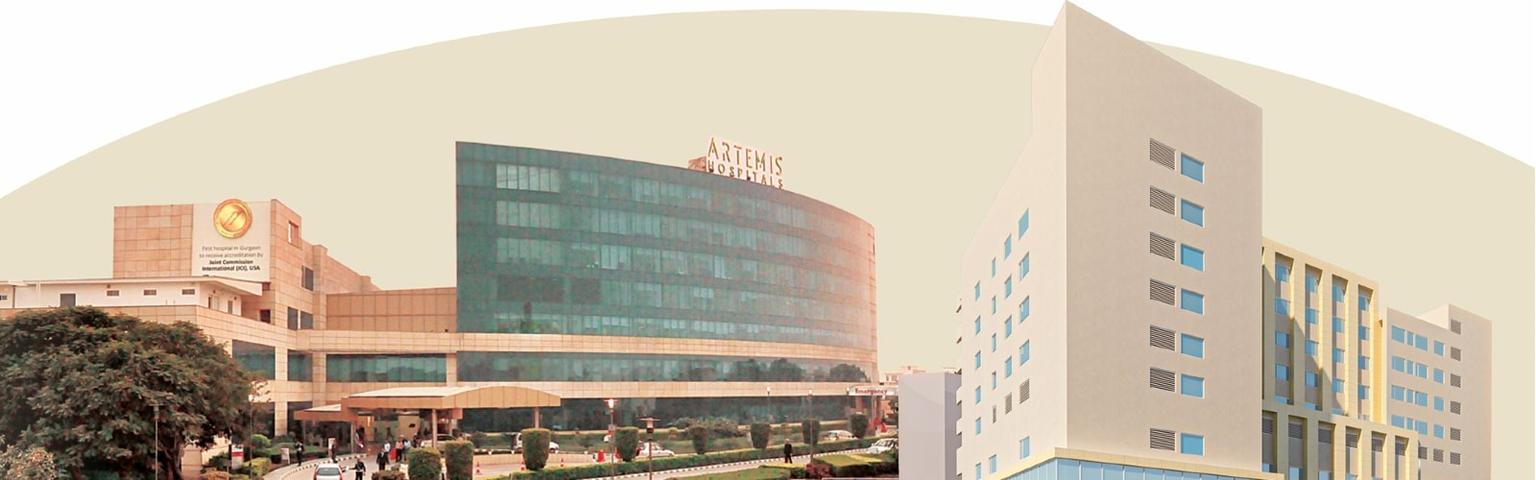
Artemis Hospital
Sector 51, Gurugram, Haryana, India
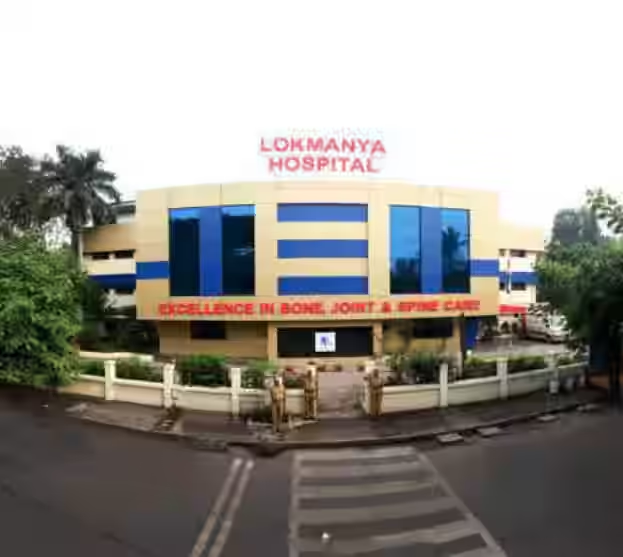
Lokmanya Hospitals
Not Specified

White Lotus Hospital
766, SFS 3145, SFS Road, 7th Sector, HSR Layout, Bengaluru, Karnataka 560102, India
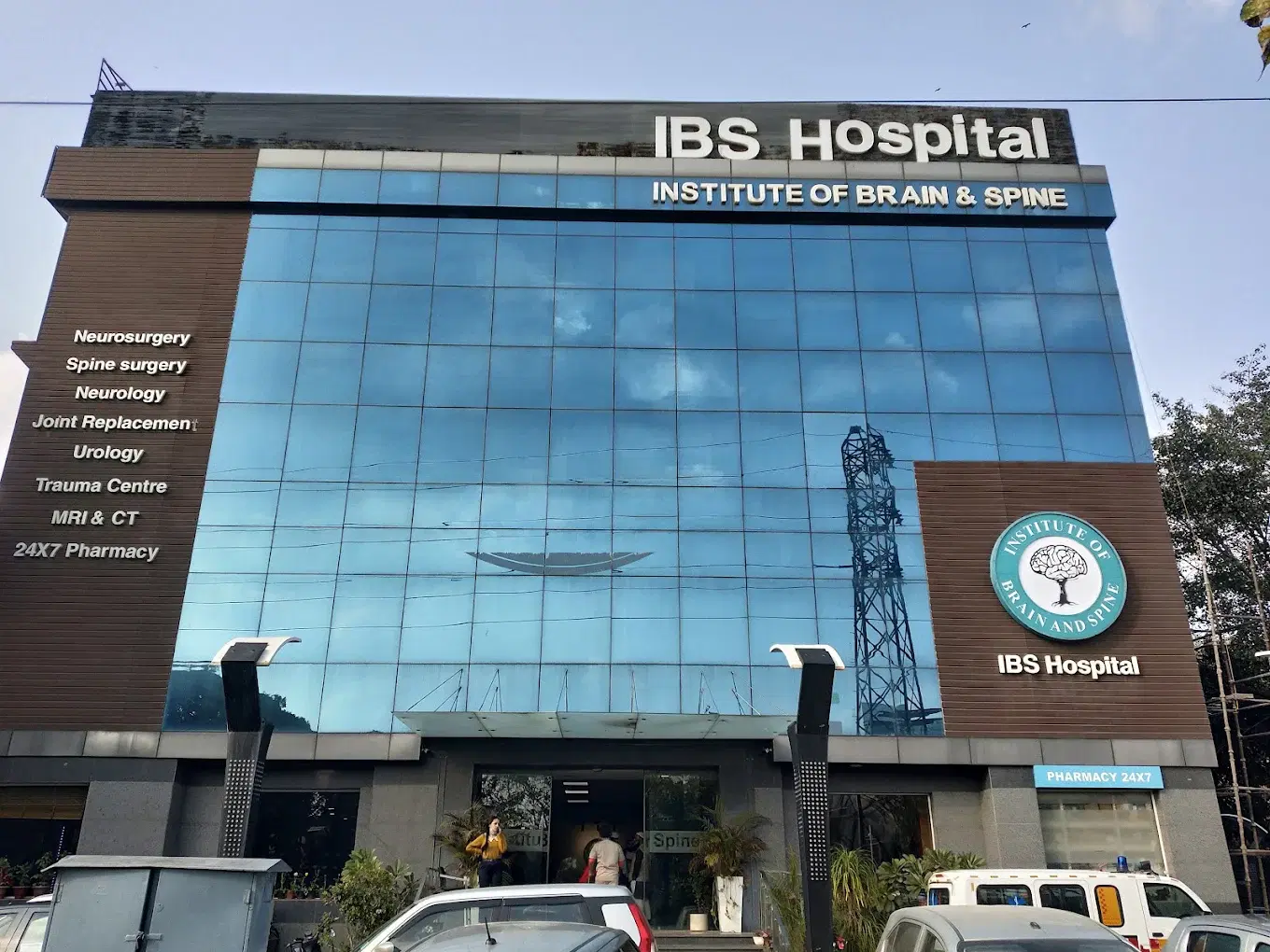
Institute of Brain and Spine (IBS Hospital)
Not Specified
Meet Our Medical Specialists




Sr. Consultant - Urology & Kidney Transplant Program (Unit I)
Dr. Abhinandan Mukhopadhyay
MBBS, MD
India

Sr. Consultant - Urology & Kidney Transplant Program (Unit I)
Dr. Abhinandan Mukhopadhyay
MBBS, MD
India
How DivinHeal Helps
We simplify your medical journey by providing comprehensive support and access to world-class healthcare.
Expert Specialist Matching
Connecting you with the world's top-rated medical experts.
Accredited Hospital Network
Access to JCI & NABH certified healthcare facilities.
Complete Travel Coordination
Hassle-free visa, stay, and local transport assistance.
24/7 Personal Care
Dedicated patient advisors supporting you at every step.
Journey Guidance
Full guidance from start to end of the patient treatment journey.
Expert Specialist Matching
Connecting you with the world's top-rated medical experts.
Everything you
need to know today
Browse through these common inquiries to better understand our patient-focused medical platform.
Yes, we work with a variety of insurance providers. Contact our team to verify your coverage.
Yes, we provide secure online consultations with experienced specialists.
Our care coordinators help match you with the most suitable specialist.
Absolutely. Your medical information is protected according to healthcare privacy standards.
Look at six things: accreditation (JCI or NABH), specialty depth, doctor credentials and experience, procedure-specific success rates, international patient support, and technology. DivinHeal's AI-driven matching evaluates every hospital in our accredited partner network on these dimensions and shortlists the best-fit options for your condition, budget, and country.
JCI (Joint Commission International) is the US-based global gold standard for hospital quality, recognised worldwide. NABH is India's national accreditation — accredited by ISQua, the same body that accredits JCI. Both signal independently verified safety and quality. Most of India's leading hospitals hold both.
Yes. All three welcome international patients through structured medical visa programs. India is the most established, treating patients from Africa, the Middle East, and South Asia at 60–80% lower cost. Thailand leads in cosmetic and dental care. The UAE is emerging in oncology and reproductive medicine.
Most patients save 50–80% on treatment costs. Heart bypass costs US $7,000–9,000 in India compared to $70,000–150,000 in the US. IVF costs $3,000–4,500 compared to $12,000–20,000 in the UK. Even after flights, visa, and accommodation, total savings remain 60–70%.
DivinHeal manages your entire non-medical journey: visa invitation letters, medical visa guidance, doctor appointments, teleconsultations, airport pickup, hospital-vetted accommodation for you and your attendant, language interpreters, local transport, cuisine preferences, and post-treatment follow-up — one dedicated coordinator from first enquiry to final follow-up.
You need a valid passport (6+ months validity), a medical visa (M-Visa for India — DivinHeal provides the hospital invitation letter), return flight tickets, recent medical reports and a doctor's referral, current prescription list, and proof of financial means. Any accompanying attendant needs their own passport and MX-Visa.
Still have more questions?
Book a call with our friendly team to learn how DivineHeal simplifies your healthcare journey.