
Heart Transplant Treatment in India for Bangladesh
Need Personalized Advice?
Our medical experts are ready to answer your questions and guide you through your treatment options.
About
Heart Transplant in India for Bangladesh Patients: Advanced Care
For patients in Bangladesh facing end-stage heart failure, the prospect of needing a heart transplant brings significant worry. The complexity of the procedure, coupled with concerns about access to advanced facilities and highly specialized medical teams, often leads families to seek options beyond their home country. Finding a reliable and expert destination for such a critical surgery is a primary concern.
India has emerged as a leading hub for complex medical procedures, including heart transplants. Patients from Bangladesh increasingly look to India for its established healthcare infrastructure. The country offers a wide network of hospitals equipped with state-of-the-art technology and dedicated cardiac transplant centers spread across multiple metropolitan cities.
Trust in India's medical system stems from its track record in performing high-volume, successful heart transplants. The nation boasts internationally trained cardiac surgeons, experienced transplant coordinators, and multidisciplinary teams. These experts work in collaboration with world-class facilities, ensuring comprehensive care from initial evaluation through post-operative recovery.
India provides a well-coordinated and advanced pathway for heart transplant patients.
What is a Heart Transplant?
A heart transplant is a surgical procedure where a diseased, failing heart is replaced with a healthy donor heart. It is typically a life-saving option for individuals with end-stage heart failure when all other medical and surgical treatments have been exhausted. The goal is to improve the patient's quality of life and extend their lifespan significantly.
Are There Different Types of Heart Transplants?
While the most common approach is orthotopic transplantation (replacing the diseased heart with a donor heart in the same anatomical position), various considerations and related procedures fall under the umbrella of heart transplant care:
- Deceased-Donor Heart Transplant: This is the standard procedure where a healthy heart from a deceased donor is implanted. Strict criteria ensure compatibility between donor and recipient.
- Combined Organ Transplant: In some cases, patients with failure in multiple organs may require a heart transplant along with another organ, such as a lung (heart-lung transplant) or a kidney.
- Pediatric Heart Transplant: Tailored for children, this involves specific considerations for donor size matching and managing post-transplant care in younger patients.
- Mechanical Circulatory Support (MCS): Devices like Ventricular Assist Devices (VADs) are sometimes used as a bridge to transplant, helping the heart pump blood until a suitable donor heart becomes available.
When is a Heart Transplant Necessary?
- Severe, irreversible cardiomyopathy (weakening of the heart muscle)
- End-stage coronary artery disease not treatable by other means
- Congenital heart defects leading to intractable heart failure
- Severe heart valve disease with irreparable damage
- Life-threatening arrhythmias unresponsive to other therapies
- When medications and other surgical interventions are no longer effective
What Evaluations Are Done Before a Heart Transplant?
- Comprehensive medical history review and physical examination.
- Extensive blood tests including blood type, tissue matching, and organ function.
- Imaging studies such as echocardiogram, chest X-ray, CT scan, and MRI of the heart.
- Cardiac catheterization to assess heart function and coronary arteries.
- Lung function tests and kidney function evaluations.
- Psychological assessment to ensure mental readiness for the procedure and recovery.
- Social support evaluation to understand the patient's home environment for post-transplant care.
How is a Heart Transplant Performed?
The heart transplant procedure is a highly complex surgery, varying slightly based on the patient's specific condition and the donor heart's characteristics.
Surgical Process
Once a suitable donor heart is identified, the recipient is prepared for surgery. The procedure typically involves general anesthesia. A median sternotomy (incision through the breastbone) provides access to the heart. The patient is then placed on a heart-lung bypass machine, which takes over the functions of the heart and lungs during the surgery. The diseased heart is carefully removed, preserving essential structures. The new donor heart is then meticulously sutured into place, connecting the major blood vessels. Once the connections are complete and secure, the heart-lung bypass machine is gradually withdrawn, allowing the new heart to take over its function. The chest is then closed, and the patient is transferred to the intensive care unit.
What Does Heart Transplant Recovery Involve?
Recovery after a heart transplant is a gradual but critical process. Patients typically spend several days in the intensive care unit for close monitoring, followed by an extended stay in the hospital ward. This period focuses on stabilizing the new heart, managing pain, initiating immunosuppressive medications to prevent rejection, and beginning early physical therapy. Comprehensive cardiac rehabilitation will be crucial, involving supervised exercise, dietary guidance, and psychological support to help patients regain strength and adapt to their new lifestyle. Lifelong follow-up appointments and medication adherence are essential.
What Are the Risks and Success Rates of Heart Transplants?
- Rejection: The body's immune system may try to reject the new heart, requiring careful management with immunosuppressant drugs.
- Infection: Immunosuppressive medications increase susceptibility to infections, necessitating vigilant monitoring.
- Bleeding or Blood Clots: Complications can arise during or after surgery.
- Kidney Dysfunction: Some medications can affect kidney function.
- Cardiac Allograft Vasculopathy: A form of accelerated coronary artery disease that can develop in the transplanted heart over time.
- Side Effects of Medications: Immunosuppressants and other drugs can have various side effects.
Heart transplant success rates have significantly improved over the years. Outcomes vary depending on individual patient factors, including age, overall health, and adherence to post-operative care. Generally, the one-year survival rate for heart transplant recipients is approximately 85-90%, with five-year survival rates ranging from 70-75%. Many patients live ten years or more after a successful transplant, enjoying a significantly improved quality of life. Consistent follow-up care and strict adherence to medication regimens are vital for long-term success.
Considering a Heart Transplant?
Our team is here to guide you through every step. Connect with us to discuss your treatment options and receive personalized medical advice.
What is the Cost of a Heart Transplant in India?
The cost of a heart transplant in India is significantly lower than in many Western countries while maintaining high standards of medical care. Several factors influence the final cost, including the specific hospital chosen (private multi-specialty versus smaller facilities), the surgeon's experience, the duration of hospital stay, any complications encountered, and the type and length of immunosuppressive medication required post-surgery.
A heart transplant in India can generally range from approximately INR 25,000,000 to INR 40,000,000.
Approximate Heart Transplant Costs Across Major Indian Cities
| City | Estimated Cost (INR) |
|---|---|
| Delhi | 27,000,000 - 38,000,000 |
| Mumbai | 28,000,000 - 40,000,000 |
| Chennai | 26,000,000 - 37,000,000 |
| Bengaluru | 27,500,000 - 39,000,000 |
| Hyderabad | 26,500,000 - 38,500,000 |
| Kolkata | 25,000,000 - 36,000,000 |
| Ahmedabad | 25,500,000 - 36,500,000 |
Heart Transplant Cost: India vs. Global Averages
| Country | Estimated Cost (USD) |
|---|---|
| India | 300,000 - 480,000 |
| United States | 1,000,000 - 1,500,000 |
| United Kingdom | 600,000 - 900,000 |
| Singapore | 500,000 - 800,000 |
| Germany | 450,000 - 700,000 |
How We Support Patients From Bangladesh
- Assistance with medical visa applications and necessary documentation.
- Coordination of travel arrangements and airport transfers.
- Support in finding suitable accommodation near the hospital for patients and their families.
- Availability of language interpreters to facilitate clear communication with medical staff.
- Scheduling of all medical appointments, consultations, and diagnostic tests.
- Guidance on local transportation and essential amenities during your stay.
- Post-discharge care coordination and follow-up arrangements.
Important Documents for Your Heart Transplant in India
- Valid passport and Indian medical visa for the patient and accompanying family members.
- Comprehensive medical reports, including diagnosis, treatment history, and recent test results.
- A referral letter from your local physician or cardiologist.
- Proof of financial capability to cover treatment expenses and stay.
- Any previous consultation notes or surgical records relevant to your heart condition.
Preparing for Your Journey to India
- Consult with your local doctor in Bangladesh to gather all necessary medical records and obtain a clear referral.
- Organize your travel documents, including passport validity and visa application well in advance.
- Make arrangements for your accommodation and local transportation upon arrival in India.
- Discuss potential pre-transplant lifestyle adjustments with your medical team.
- Mentally prepare for the journey and the recovery process, ensuring you have a strong support system.
Your Care After a Heart Transplant
- Strictly follow the prescribed medication regimen, especially immunosuppressants, to prevent organ rejection.
- Adhere to dietary restrictions and guidelines provided by your care team to support healing and overall health.
- Engage in recommended physical activity and cardiac rehabilitation programs to regain strength and endurance.
- Maintain meticulous hygiene to reduce the risk of infection, especially in the initial recovery period.
- Attend all scheduled follow-up appointments and diagnostic tests to monitor the health of your new heart.
- Seek emotional and psychological support as needed to cope with the changes and challenges post-transplant.
Ready to Explore Your Options?
Taking the step towards a heart transplant is a profound decision. We are committed to providing clear, compassionate guidance and access to world-class care in India for patients from Bangladesh.
Begin Your Heart Health Journey
Reach out to our dedicated team today for a personalized consultation and to understand how we can support your treatment in India.
Hospitals Offering this treatment
India offers premium medical procedures at affordable prices. Discover our most popular treatments, delivered by the country's finest doctors.
Meet Our Doctors
Meet our team of highly qualified and experienced medical professionals dedicated to providing the best healthcare services.
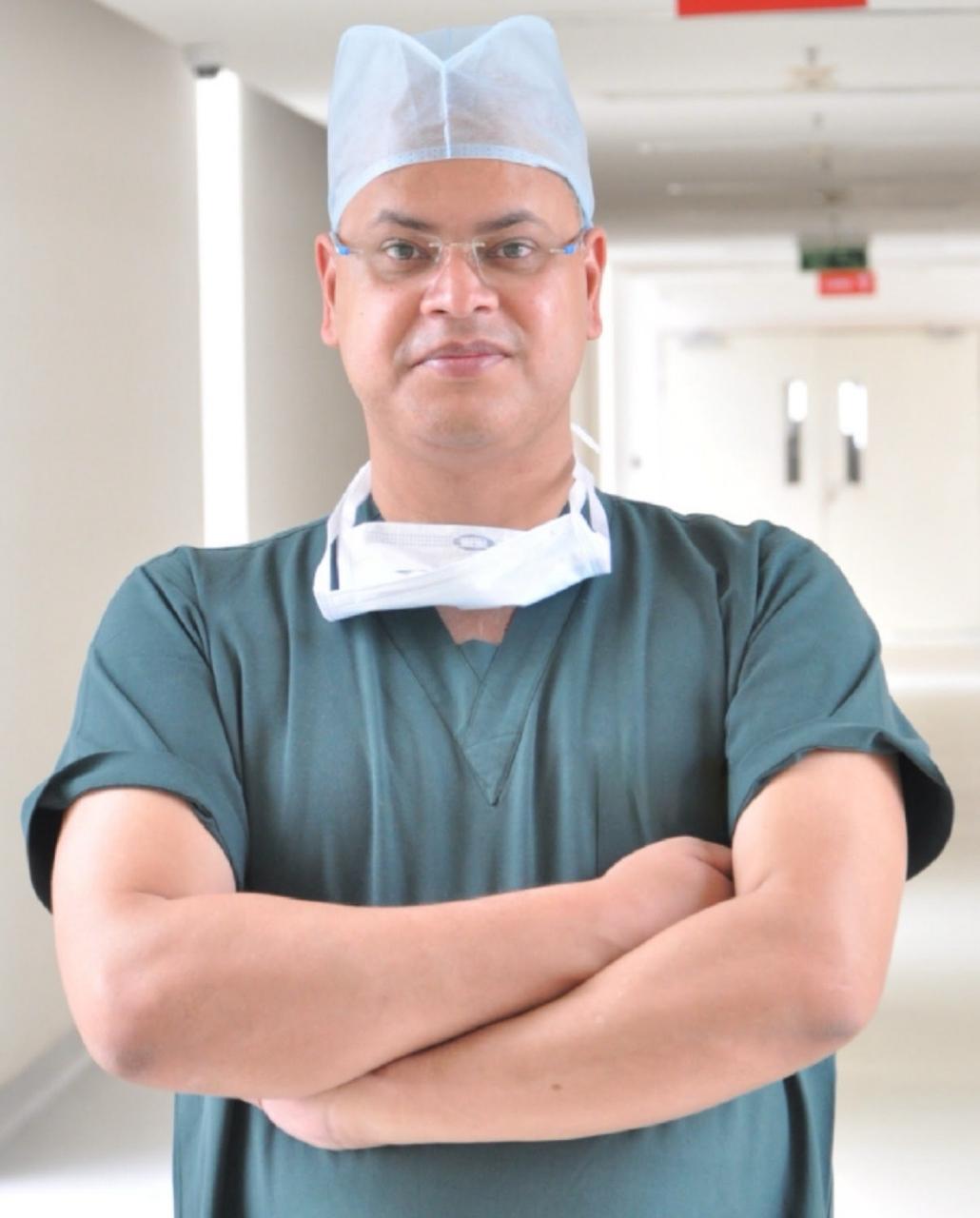
Dr. Ramkinkar Jha
Chief and Unit Head - Orthopaedics (Unit III)
Orthopaedic Surgery, Orthopaedics, Robotic Surgery
New Delhi
20+ Years
Experience
Artemis Hospital
Hospital
1500
Fees

Dr. Surendra Nath Khanna
Chairperson, Adult Cardiac Surgery & Heart - Lung Transplant
Cardio Thoracic and Vascular Surgery, Vascular Surgery
New Delhi
34+ Years
Experience
Artemis Hospital
Hospital
1500
Fees
Related Links
Recent Blogs
Other Treatment related Information
Ready To Start Your Healing Journey?
Get Personalized Medical Treatment Options From India's Top Hospitals. Our Medical Experts Are Ready To Assist You Every Step Of The Way.