
Heart Transplant Treatment in New Delhi for Nigeria
Need Personalized Advice?
Our medical experts are ready to answer your questions and guide you through your treatment options.
About
Heart Transplant in New Delhi for Nigeria Patients: Hospitals & Costs
For patients in Nigeria facing severe heart conditions, the prospect of a heart transplant can be overwhelming. The search for highly specialized medical care, combined with concerns about quality and affordability, often leads families to explore options beyond their home country. Understanding where to turn for such a critical procedure is a significant challenge.
New Delhi has emerged as a preferred destination for complex cardiac interventions, including heart transplants. Many Nigerian patients are drawn to the city's established medical infrastructure and its growing reputation for delivering advanced care. The coordinated approach to patient journeys, from initial consultation to recovery, is a key factor in this decision.
Trust in New Delhi’s medical community is built upon its world-class hospitals and a cadre of highly experienced cardiac surgeons and transplant teams. These facilities are equipped with cutting-edge technology and adhere to international standards of patient safety and clinical excellence. Easy access to follow-up care within the city further enhances this trust.
Is New Delhi the right choice for your heart transplant journey?
What is a Heart Transplant?
A heart transplant is a life-saving surgical procedure that involves replacing a diseased or damaged heart with a healthy heart from a deceased donor. This complex operation is typically performed on individuals with end-stage heart failure when all other medical and surgical treatments have failed. The goal is to improve the patient's quality of life and extend their survival.
Types of Heart Transplant Procedures
While the most common type is an orthotopic heart transplant, where the diseased heart is completely removed and replaced, variations and related support procedures are also crucial:
- Orthotopic Heart Transplant: The standard procedure where the patient's heart is removed and a donor heart is implanted in its anatomical position.
- Combined Organ Transplant: In some cases, patients may require a heart transplant along with another organ, such as a lung or kidney, due to multi-organ failure.
- Ventricular Assist Devices (VADs): Often used as a bridge to transplant, VADs are mechanical pumps implanted to support heart function while a patient awaits a suitable donor heart.
- Extracorporeal Membrane Oxygenation (ECMO): Provides temporary heart and lung support for critically ill patients before or after transplant.
When is a Heart Transplant Required?
- End-stage heart failure unresponsive to medical management
- Severe coronary artery disease not treatable with bypass surgery or stents
- Advanced cardiomyopathy (dilated, hypertrophic, restrictive)
- Life-threatening heart rhythm disorders not controlled by other therapies
- Complex congenital heart defects that cannot be repaired
- Re-transplant for previous transplant failure
Pre-Treatment Evaluation for Heart Transplant
- Comprehensive cardiac assessment including echocardiogram, ECG, cardiac catheterization
- Full blood tests, tissue typing, and cross-matching for donor compatibility
- Evaluation of other major organs like kidneys, liver, and lungs
- Infectious disease screening
- Psychological assessment to ensure patient readiness and support system
- Nutritional assessment and optimization
How a Heart Transplant is Performed
The heart transplant procedure is a highly intricate surgery, with exact steps depending on the patient's specific condition and the donor heart availability.
Donor Heart Identification and Transport
Once a compatible donor heart becomes available, it is carefully harvested and transported to the transplant center in New Delhi under strict preservation conditions to ensure viability.
Surgical Procedure
The patient is prepared for surgery under general anesthesia. The chest is opened, and the patient is placed on a heart-lung bypass machine. The diseased heart is removed, and the new donor heart is meticulously sewn into place, connecting the major blood vessels. The heart-lung machine is then gradually weaned off as the new heart begins to function.
Post-Operative Care
Following surgery, patients are transferred to the intensive care unit for close monitoring. This phase focuses on ensuring the new heart functions well, managing pain, and preventing complications like infection and organ rejection.
Recovery Process After a Heart Transplant
Recovery from a heart transplant is a long-term process requiring significant commitment. Patients typically spend several weeks in the hospital, followed by extensive rehabilitation. Lifelong immunosuppressant medications are essential to prevent organ rejection. Regular follow-up appointments, physical therapy, and lifestyle adjustments, including diet and exercise, are crucial for successful long-term outcomes and reintegration into daily life.
Risks and Success Rates of Heart Transplant
- Acute and chronic organ rejection, requiring careful monitoring and medication adjustment.
- Increased risk of infection due to immunosuppressant drugs, particularly in the early stages.
- Complications from surgery, such as bleeding, blood clots, or stroke.
- Development of coronary artery vasculopathy, affecting the new heart's blood vessels.
- Potential for kidney dysfunction or other organ issues from long-term medication use.
Heart transplant success rates have significantly improved over the years due to advancements in surgical techniques, immunosuppressive therapies, and post-operative care. While individual outcomes vary based on factors like age, overall health, and adherence to medical regimens, the one-year survival rate for heart transplant recipients is generally between 85% to 90%. Five-year survival rates are approximately 70-75%, with many patients living productive lives for decades after their transplant. Long-term expectations include a greatly enhanced quality of life.
Cost of Heart Transplant in New Delhi
The cost of a heart transplant in New Delhi is influenced by several factors, including the specific hospital chosen, the experience of the surgical team, the duration of hospital stay, the complexity of the patient's condition, pre-operative evaluations, post-operative medications, and rehabilitation needs. New Delhi offers a range of options, from highly specialized private hospitals to more budget-friendly facilities, allowing patients from Nigeria to find care that aligns with their financial planning.
A heart transplant in New Delhi can typically range from approximately 4,000,000 INR to 6,500,000 INR. This range accounts for the entire treatment package, from pre-surgical assessment to immediate post-operative care and initial medication protocols.
Comparing Heart Transplant Costs: New Delhi vs. Global Averages
Patients from Nigeria often seek treatment in New Delhi due to the significant cost advantages without compromising on quality. Here’s how the cost in New Delhi compares to international averages for a heart transplant:
| Location | Estimated Cost (USD) |
|---|---|
| New Delhi, India | $50,000 - $80,000 |
| United States | $1,000,000 - $1,500,000 |
| United Kingdom | $300,000 - $500,000 |
| Singapore | $250,000 - $400,000 |
| South Africa | $100,000 - $180,000 |
Essential Support Services for International Patients
- Dedicated international patient desk for seamless coordination.
- Assistance with medical visa applications and extensions.
- Airport pickup and drop-off services.
- Accommodation arrangements for patients and accompanying family.
- Language interpretation services.
- Financial counseling and treatment cost estimates.
- Post-discharge follow-up and telehealth options.
Key Documents Needed for Your Medical Visit to New Delhi
- Valid passport and medical visa for India.
- Comprehensive medical reports, diagnostic scans, and history of current illness.
- Referral letters from your treating physician in Nigeria.
- List of all current medications, including dosages.
- Proof of financial solvency for treatment and stay.
- International health insurance details, if applicable.
Preparing for Your Heart Transplant Journey
- Undergo all recommended local medical assessments before traveling.
- Organize all necessary travel and medical documents well in advance.
- Inform the hospital's international patient team of your arrival details.
- Ensure you have a companion for support during your stay.
- Follow any pre-travel dietary or medication instructions from your New Delhi medical team.
- Plan for an extended stay covering the procedure and initial recovery.
Post-Treatment Care and Healing Guidance
- Adhere strictly to all prescribed immunosuppressant and other medications.
- Regularly attend all scheduled follow-up appointments and diagnostic tests in New Delhi.
- Engage in cardiac rehabilitation programs as advised by your medical team.
- Maintain a healthy lifestyle, including a balanced diet and regular, gentle exercise.
- Be vigilant for any signs of infection or rejection and report them immediately.
- Plan for gradual reintroduction to normal activities under medical supervision.
Take Your Next Step Toward Better Health
Choosing a heart transplant is a profound decision, and New Delhi's medical facilities offer a compassionate and expert environment for this life-changing procedure. With advanced care, experienced specialists, and dedicated support, your path to recovery is well within reach.
Hospitals Offering this treatment
India offers premium medical procedures at affordable prices. Discover our most popular treatments, delivered by the country's finest doctors.
Meet Our Doctors
Meet our team of highly qualified and experienced medical professionals dedicated to providing the best healthcare services.

Dr. Ajit Singh Baghela
Consultant
Paediatric Neurology
Haryana
9+ Years
Experience
Artemis Hospital
Hospital
1500
Fees
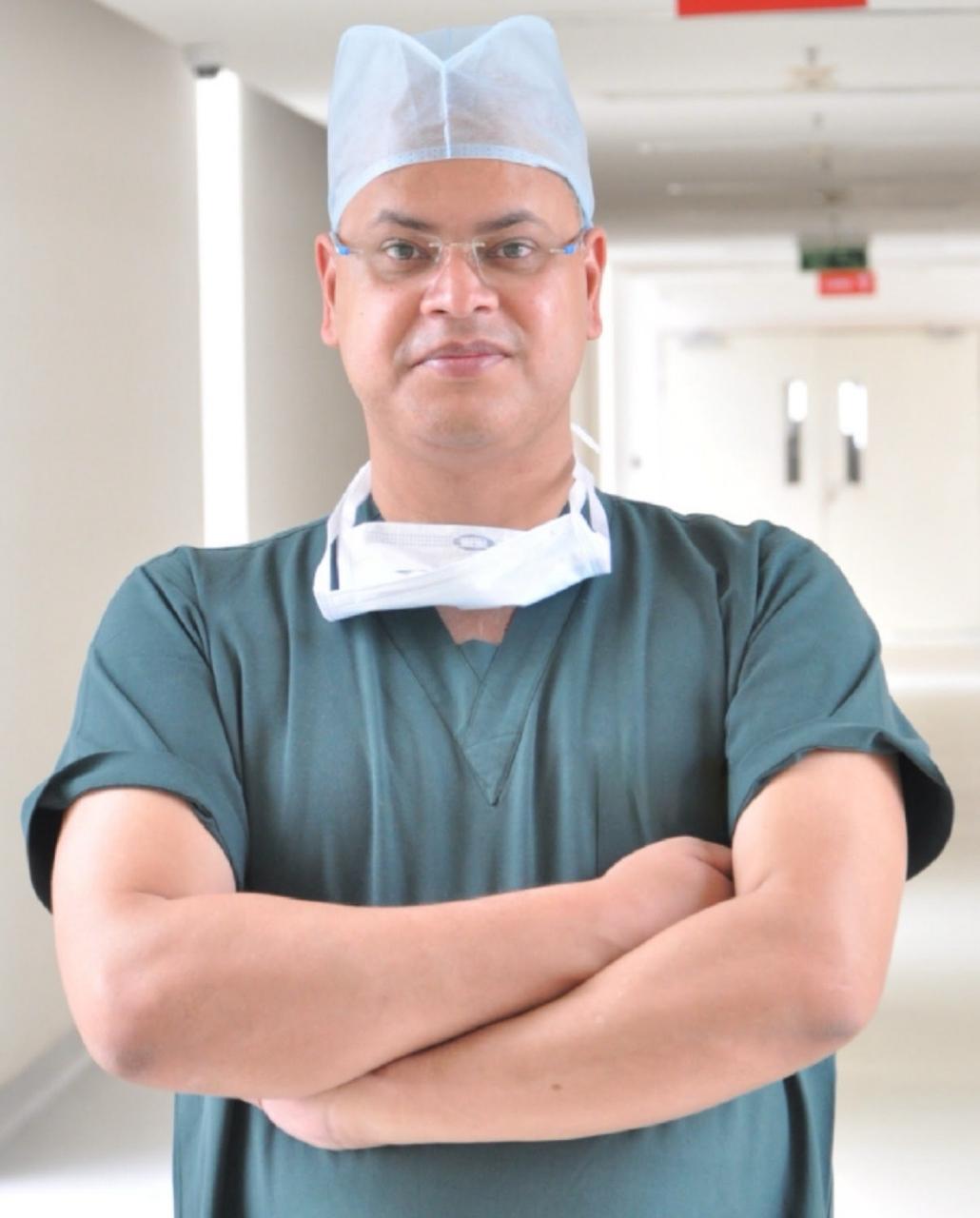
Dr. Ramkinkar Jha
Chief and Unit Head - Orthopaedics (Unit III)
Orthopaedic Surgery, Orthopaedics, Robotic Surgery
New Delhi
20+ Years
Experience
Artemis Hospital
Hospital
1500
Fees

Dr. Surendra Nath Khanna
Chairperson, Adult Cardiac Surgery & Heart - Lung Transplant
Cardio Thoracic and Vascular Surgery, Vascular Surgery
New Delhi
34+ Years
Experience
Artemis Hospital
Hospital
1500
Fees

Dr. Nakul Sinha
Chairman - Cardiology
Cardiology
New Delhi
41+ Years
Experience
Max Hospital,Gurgaon
Hospital
1500
Fees
Related Links
Recent Blogs
Other Treatment related Information
- Heart Transplant cost in Chennai
- Heart Transplant cost in Bengaluru
- Heart Transplant cost in India
- Heart Transplant cost in Mumbai
- Heart Transplant cost in Pune
- Heart Transplant cost in New Delhi
- Heart Transplant cost in Haryana
- Heart Transplant cost in Hyderabad
- Heart Transplant Success Rate in Hyderabad
- Heart Transplant Success Rate in Mumbai
- Heart Transplant Success Rate in Bengaluru
- Heart Transplant Success Rate in Pune
- Heart Transplant Success Rate in New Delhi
- Heart Transplant Success Rate in India
- Heart Transplant Success Rate in Haryana
- Heart Transplant Success Rate in Chennai
Ready To Start Your Healing Journey?
Get Personalized Medical Treatment Options From India's Top Hospitals. Our Medical Experts Are Ready To Assist You Every Step Of The Way.