
Heart Transplant Treatment in New Delhi for UAE
Need Personalized Advice?
Our medical experts are ready to answer your questions and guide you through your treatment options.
About
Heart Transplant in New Delhi for UAE Patients | Cost, Hospitals
For patients from the UAE facing advanced heart failure, the prospect of a heart transplant can be overwhelming. Concerns about finding the right expertise, navigating a new medical system, and ensuring comprehensive care are naturally significant.
Many international patients, particularly those seeking specialized procedures, look beyond their home country for advanced medical solutions. New Delhi has emerged as a preferred destination due to its state-of-the-art facilities and a strong focus on patient-centric care for complex surgeries like heart transplants.
New Delhi's medical landscape offers world-class hospitals and highly skilled cardiac specialists. These institutions are equipped with cutting-edge technology and adhere to international standards, ensuring seamless coordination from initial consultation through to post-operative follow-ups within the city.
Could New Delhi provide the expert heart care you need?
What is a Heart Transplant?
A heart transplant is a life-saving surgical procedure where a diseased or damaged heart is replaced with a healthy donor heart. This complex operation is typically recommended for individuals suffering from end-stage heart failure, a condition where the heart can no longer pump enough blood to meet the body's needs. The goal is to improve the patient's quality of life and extend their lifespan significantly, offering a new beginning when other treatments are no longer effective.
Types of Heart Transplant Procedures
While the core procedure of a heart transplant remains similar, there are a few distinctions:
- Orthotopic Transplant: This is the most common type, where the recipient's diseased heart is removed and replaced with the donor heart in the same anatomical position.
- Heterotopic (Piggyback) Transplant: Less common, this involves leaving the recipient's heart in place and connecting the donor heart to work alongside it. This approach is rarely used today.
- Pediatric Heart Transplant: Specifically for infants and children, requiring specialized surgical techniques and a different size of donor heart, often facing unique challenges in donor availability.
- Heart-Lung Transplant: In some rare cases, where both the heart and lungs are severely diseased, a combined heart and lung transplant may be necessary.
When is a Heart Transplant Required?
- Severe heart failure unresponsive to conventional medical therapies.
- Cardiomyopathy (weakening of the heart muscle) not improving with other treatments.
- Coronary artery disease leading to irreparable heart damage.
- Congenital heart defects that cannot be corrected by other means.
- Life-threatening heart rhythm problems that cannot be managed.
- Specific cases of amyloidosis or sarcoidosis affecting the heart.
Pre-Treatment Evaluation for Heart Transplant
- Comprehensive cardiac assessment including echocardiogram, ECG, cardiac catheterization, and stress tests.
- Blood tests for blood type matching, tissue typing, and screening for infections.
- Lung function tests, kidney and liver function tests, and other organ system evaluations.
- Psychological assessment to ensure emotional readiness and understanding of the post-transplant regimen.
- Nutritional assessment and evaluation of overall health status.
- Detailed social support assessment to ensure a conducive recovery environment.
How a Heart Transplant is Performed
The heart transplant procedure is a highly complex surgery, carefully planned and executed by a team of experienced cardiac surgeons and medical professionals.
Preparation Phase
Once a suitable donor heart becomes available, the recipient is immediately prepared for surgery. This involves a final medical check, administration of necessary medications, and anaesthesia. The donor heart is carefully harvested and transported to the transplant center, preserved in a special solution to maintain its viability.
The Surgical Procedure
During the operation, the patient is placed on a heart-lung bypass machine, which temporarily takes over the functions of the heart and lungs. The surgeon then removes the diseased heart, leaving the atria (upper chambers) intact, and meticulously connects the donor heart. The major blood vessels — the aorta, pulmonary artery, vena cavae, and pulmonary veins — are carefully reconnected. Once the connections are complete, the bypass machine is gradually removed, and the new heart begins to beat. The entire surgery typically takes several hours.
Post-Operative Care
Following the surgery, the patient is moved to the intensive care unit (ICU) for close monitoring. This critical period involves managing pain, monitoring the new heart's function, and preventing infection. Immunosuppressant medications are started immediately to prevent the body from rejecting the new organ. As the patient stabilizes, they are gradually transitioned to a regular ward for further recovery and rehabilitation.
Recovery Process After Heart Transplant
The recovery process after a heart transplant is intensive and requires a long-term commitment. Patients typically spend several weeks in the hospital, followed by a supervised rehabilitation program. Healing time involves careful wound care, managing medications, and a structured exercise regimen to regain strength. Restrictions on heavy lifting and strenuous activities are common initially. Lifelong follow-up appointments, including regular biopsies and diagnostic tests, are crucial to monitor for rejection and complications. A dedicated team of doctors, nurses, and physiotherapists will guide patients through every step of their recovery.
Risks and Success Rates of Heart Transplant
- Organ rejection, where the immune system attacks the new heart.
- Infections, especially due to immunosuppressant medications.
- Kidney dysfunction or failure.
- Coronary allograft vasculopathy (a form of accelerated atherosclerosis in the transplanted heart).
- Development of certain cancers over time, linked to immunosuppression.
- Issues with surgical wound healing or bleeding.
Heart transplant success rates have significantly improved over the years. Outcomes can vary depending on individual patient factors, the expertise of the transplant team, and adherence to post-operative care. Generally, the one-year survival rate for heart transplant recipients is around 85-90%, with five-year survival rates often ranging from 70-75%. Long-term expectations include a return to a more active and fulfilling life, though lifelong medication and diligent follow-up care are essential for maintaining the new heart's function.
Ready to Discuss Your Heart Transplant Options in New Delhi?
Our team is here to help you understand the process, connect with top specialists, and get a personalized treatment plan.
Cost of Heart Transplant in New Delhi
The cost of a heart transplant in New Delhi is influenced by several factors, including the chosen hospital's reputation and facilities, the experience of the surgical team, the complexity of the patient's condition, the duration of hospital stay, and the need for any additional procedures or extended post-operative care. Medication costs, particularly for immunosuppressants, also form a significant part of the overall expenses.
A heart transplant in New Delhi typically ranges from approximately INR 2,500,000 to INR 4,500,000, not including post-transplant medication.
Cost Comparison: New Delhi vs. Global Averages
New Delhi offers a compelling cost advantage for heart transplant surgery compared to many other countries, without compromising on quality or expertise.
| Location | Estimated Cost (USD) |
|---|---|
| New Delhi, India | $30,000 - $55,000 |
| United States | $1,000,000 - $1,500,000 |
| United Kingdom | $100,000 - $150,000 |
| Germany | $120,000 - $180,000 |
| Singapore | $150,000 - $250,000 |
Comprehensive Support Services for Your Heart Transplant Journey
- Assistance with medical visa applications and extensions.
- Coordination of airport transfers and local transportation.
- Arrangement of suitable accommodation for patients and accompanying family.
- Language interpretation services throughout your hospital stay and consultations.
- Dedicated patient care managers to guide you at every step.
- Facilitation of post-treatment follow-up appointments and teleconsultations.
Essential Documents for Your Heart Transplant Evaluation in New Delhi
- Passport and valid medical visa for India.
- Comprehensive medical reports, including diagnosis, previous treatments, and test results.
- Referral letter from your treating physician in the UAE, if available.
- Any relevant imaging scans (MRI, CT, PET) on a CD or USB drive.
- List of all current medications, including dosages.
- Contact information for emergency contacts in both UAE and India.
Preparing for Your Heart Transplant in New Delhi
- Follow all pre-operative dietary and medication instructions from your New Delhi medical team.
- Ensure all necessary documents for travel and medical procedures are in order.
- Arrange for a companion or family member to accompany you for support.
- Understand the financial aspects and make necessary arrangements for treatment costs.
- Mentally prepare for the surgery and the recovery period, including potential waiting times for a donor heart.
- Communicate any concerns or questions with your medical coordinator before arrival.
Post-Heart Transplant Care and Ongoing Support
- Adherence to a strict regimen of immunosuppressant medications to prevent rejection.
- Regular follow-up appointments and diagnostic tests to monitor heart function.
- Participation in a cardiac rehabilitation program to regain physical strength.
- Dietary adjustments and lifestyle modifications to support long-term heart health.
- Awareness of infection prevention measures and prompt reporting of any symptoms.
- Ongoing psychological support for emotional well-being and adjustment to a new life.
Connect with New Delhi's Leading Heart Transplant Specialists
Our network includes top hospitals and surgeons in New Delhi dedicated to providing exceptional care for international patients.
Ready to Explore Heart Transplant Options in New Delhi?
Embarking on a heart transplant journey is a significant decision. New Delhi's medical expertise stands ready to support you with advanced care and compassionate guidance.
Hospitals Offering this treatment
India offers premium medical procedures at affordable prices. Discover our most popular treatments, delivered by the country's finest doctors.

Al Zahra Hospital, Dubai
Sheikh Zayed Road, Al Barsha 1, Dubai, UAE
Al Zahra Hospital, Dubai
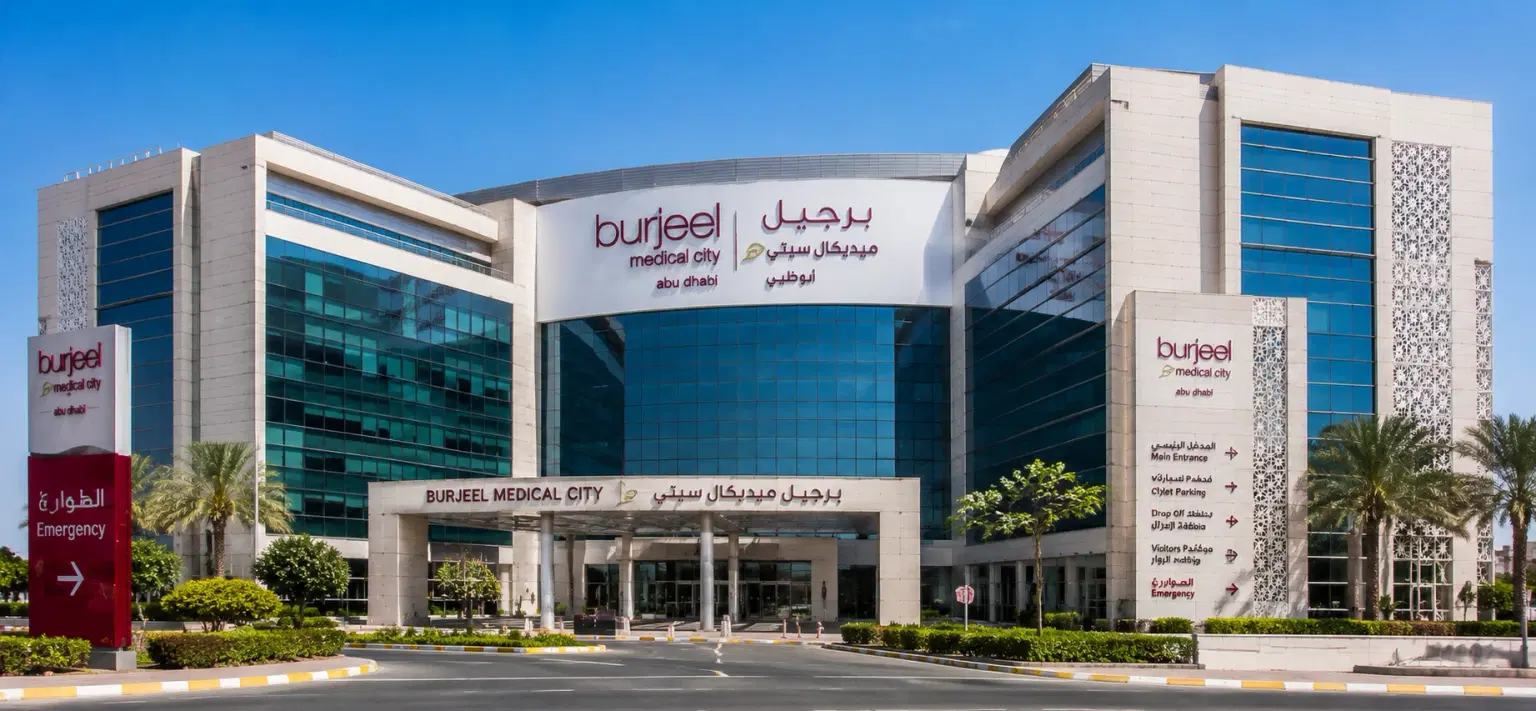
Burjeel Medical City, Abu Dhabi
28th Street, Mohammed Bin Zayed City, Abu Dhabi, UAE
Burjeel Medical City, Abu Dhabi

Burjeel Hospital, Dubai
Dubai, UAE (part of Burjeel Holdings network)
Burjeel Hospital, Dubai
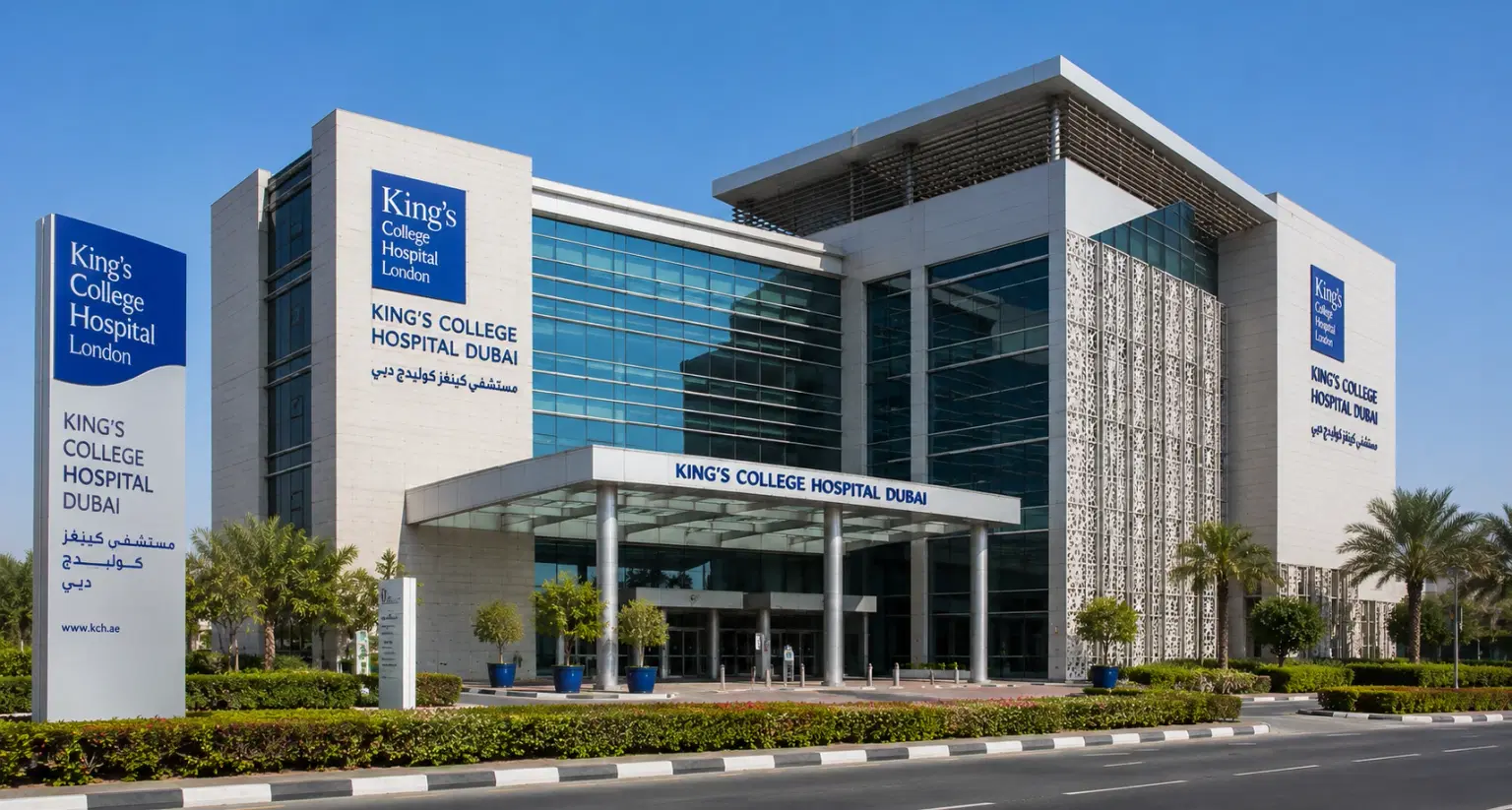
King's College Hospital, Dubai
Dubai Hills, Mohammed Bin Rashid City, Dubai, UAE
King's College Hospital, Dubai
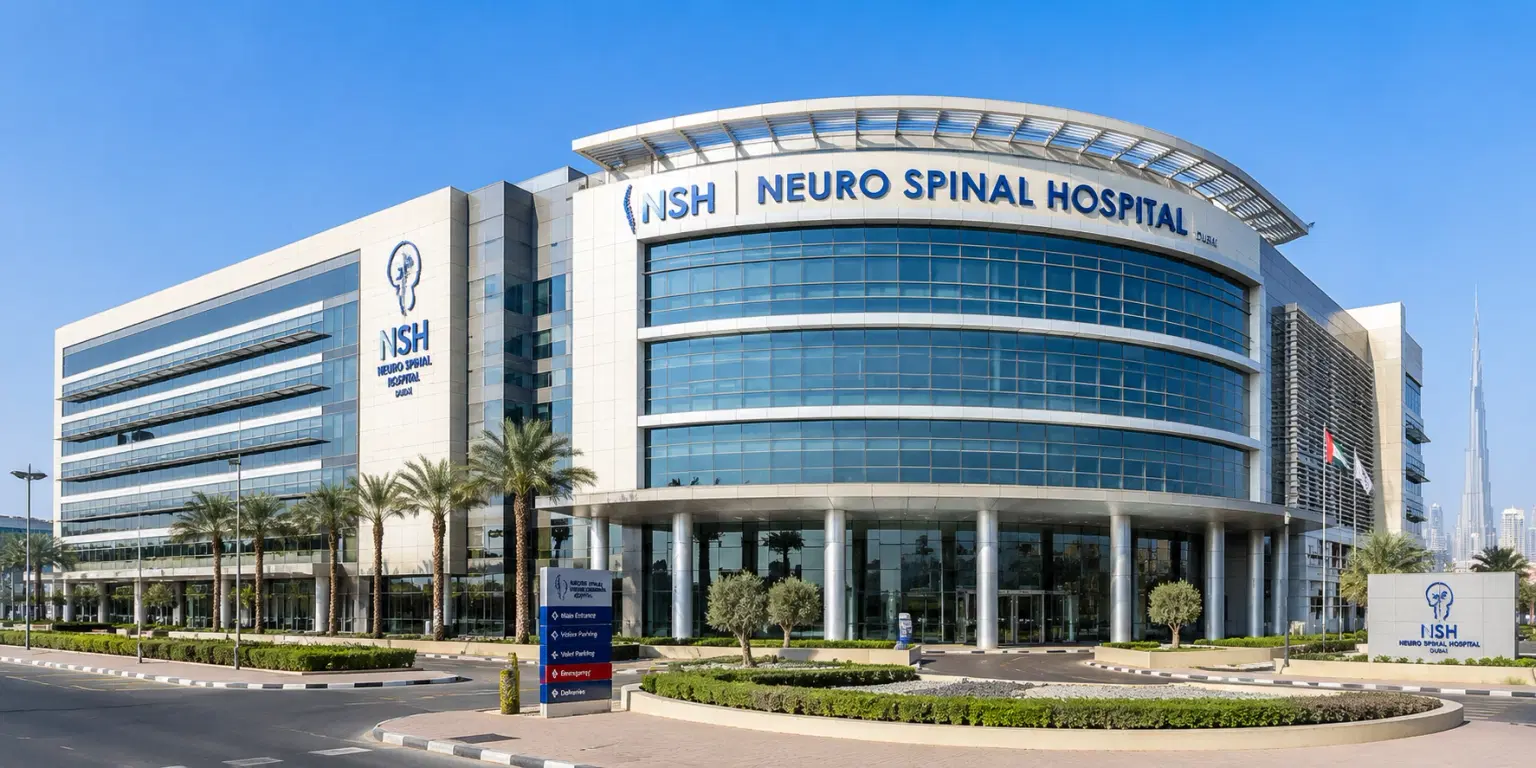
Neuro Spinal Hospital (NSH), Dubai
Dubai Science Park, Umm Suqeim St, Al Barsha South, Dubai, UAE
Neuro Spinal Hospital (NSH), Dubai

HMS Al Garhoud Hospital, Dubai
Al Garhoud Street, Al Garhoud, Dubai, UAE
HMS Al Garhoud Hospital, Dubai
Meet Our Doctors
Meet our team of highly qualified and experienced medical professionals dedicated to providing the best healthcare services.
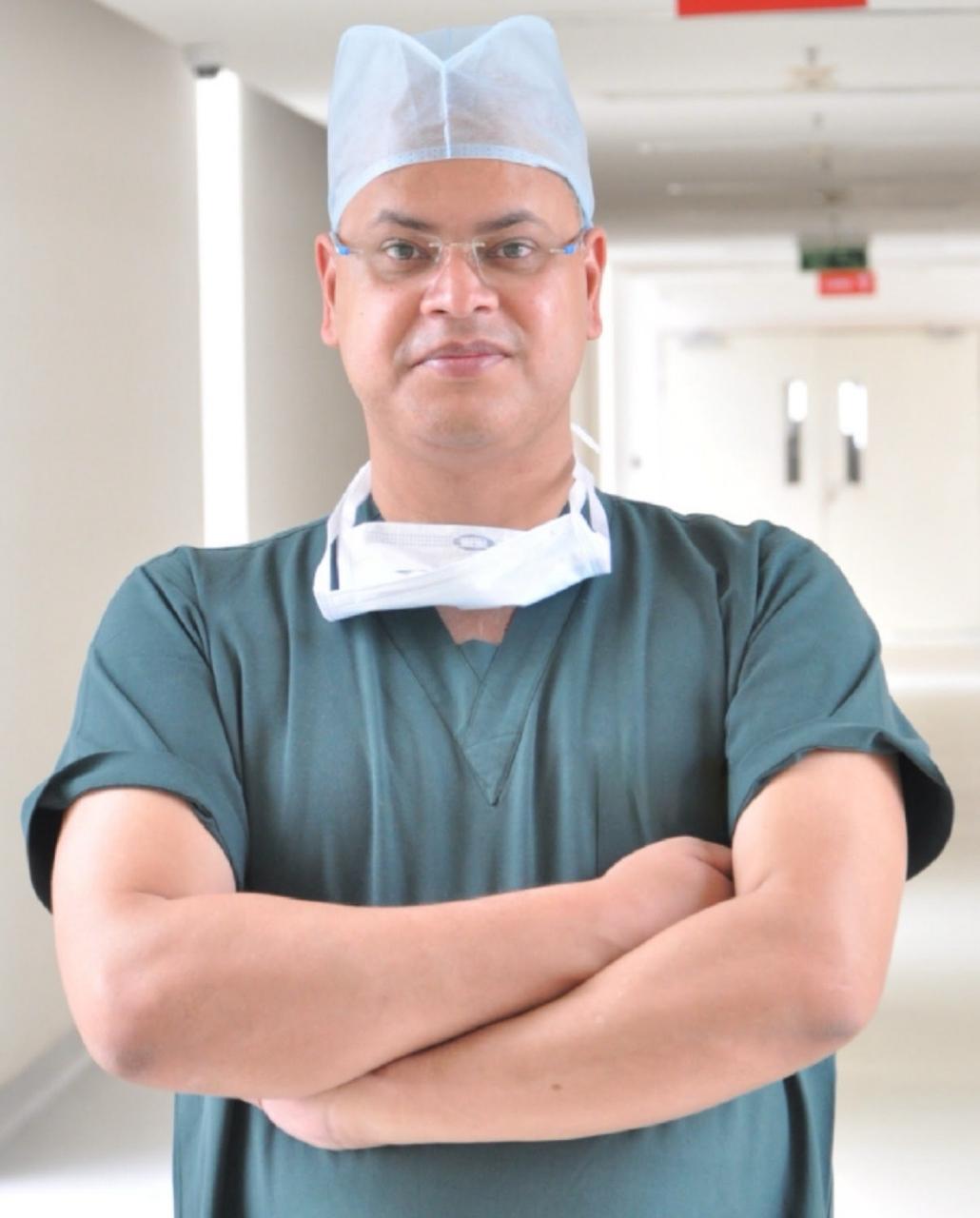
Dr. Ramkinkar Jha
Chief and Unit Head - Orthopaedics (Unit III)
Orthopaedic Surgery, Orthopaedics, Robotic Surgery
New Delhi
20+ Years
Experience
Artemis Hospital
Hospital
1500
Fees

Dr. Surendra Nath Khanna
Chairperson, Adult Cardiac Surgery & Heart - Lung Transplant
Cardio Thoracic and Vascular Surgery, Vascular Surgery
New Delhi
34+ Years
Experience
Artemis Hospital
Hospital
1500
Fees
Related Links
Recent Blogs
Other Treatment related Information
- Heart Transplant cost in Chennai
- Heart Transplant cost in Bengaluru
- Heart Transplant cost in India
- Heart Transplant cost in Mumbai
- Heart Transplant cost in Pune
- Heart Transplant cost in New Delhi
- Heart Transplant cost in Haryana
- Heart Transplant cost in Hyderabad
- Heart Transplant Success Rate in Hyderabad
- Heart Transplant Success Rate in Mumbai
- Heart Transplant Success Rate in Bengaluru
- Heart Transplant Success Rate in Pune
- Heart Transplant Success Rate in New Delhi
- Heart Transplant Success Rate in India
- Heart Transplant Success Rate in Haryana
- Heart Transplant Success Rate in Chennai
Ready To Start Your Healing Journey?
Get Personalized Medical Treatment Options From India's Top Hospitals. Our Medical Experts Are Ready To Assist You Every Step Of The Way.