
Intracytoplasmic Sperm Injection (ICSI) Treatment in Gurugram for Ethiopia
Need Personalized Advice?
Our medical experts are ready to answer your questions and guide you through your treatment options.
About
ICSI Treatment in Gurugram for Patients from Ethiopia
For many couples from Ethiopia dreaming of starting a family, navigating the complexities of infertility can be overwhelming. The search for advanced fertility solutions like Intracytoplasmic Sperm Injection, or ICSI, often brings concerns about access, quality of care, and overall affordability.
Seeking medical care beyond national borders is a significant decision. Patients often narrow their focus to specific cities like Gurugram, drawn by its established reputation in advanced reproductive technologies, offering a focused and highly coordinated care environment for complex fertility procedures.
Gurugram’s medical landscape features specialized fertility centers and dedicated specialists known for high success rates in ICSI. This concentration of expertise and modern facilities builds trust, assuring patients of diligent care and seamless follow-ups within the city.
Is Gurugram the right destination for your ICSI journey?
What is Intracytoplasmic Sperm Injection (ICSI)?
Intracytoplasmic Sperm Injection (ICSI) is a highly specialized form of in vitro fertilization (IVF) designed to overcome severe male infertility factors. In a standard IVF cycle, eggs and sperm are simply combined in a dish, allowing fertilization to occur naturally. With ICSI, a single, healthy sperm is carefully selected and injected directly into the cytoplasm of each mature egg using a fine needle. This precise technique significantly increases the chances of fertilization, especially when sperm quality or quantity is a concern. ICSI helps couples achieve pregnancy when conventional methods are insufficient, by directly assisting fertilization.
Approaches to ICSI Treatment
While ICSI is a specific technique, its application often involves various approaches depending on the couple's unique circumstances:
- Standard ICSI Cycle: Performed when semen analysis indicates male factor infertility such as low sperm count, poor motility, or abnormal morphology.
- ICSI with Surgical Sperm Retrieval: Necessary for men with azoospermia (absence of sperm in ejaculate), where sperm is surgically extracted directly from the epididymis (PESA/MESA) or testes (TESA/TESE).
- ICSI for Previous Fertilization Failure: Recommended for couples who have experienced poor or no fertilization in prior conventional IVF cycles.
- ICSI with Preimplantation Genetic Testing (PGT): Often combined with PGT to screen embryos for chromosomal abnormalities or specific genetic disorders before implantation, ensuring healthier embryo selection.
- ICSI with Donor Gametes: Utilized when one or both partners cannot provide viable gametes, integrating donor sperm or eggs into the ICSI process.
When is ICSI Treatment Required?
- Severe male factor infertility including very low sperm count, poor sperm motility, or abnormal sperm shape.
- Previous unsuccessful attempts at fertilization using conventional IVF.
- Presence of obstructive azoospermia, where sperm are produced but cannot be ejaculated due to a blockage.
- Non-obstructive azoospermia, requiring surgical retrieval of sperm directly from the testes.
- When using frozen sperm that may not be of optimal quality for conventional fertilization.
- In cases where preimplantation genetic testing (PGT) is planned for the embryos.
- When a limited number of eggs are retrieved, maximizing the chance of fertilization for each egg.
Pre-Treatment Evaluation for ICSI
- Comprehensive medical history and physical examinations for both partners.
- Detailed semen analysis and male hormonal profiling.
- Female hormonal blood tests, including FSH, LH, Estradiol, AMH, and Prolactin.
- Ovarian reserve assessment via transvaginal ultrasound (AFC count).
- Screening for infectious diseases such as HIV, Hepatitis B and C, and Syphilis.
- Uterine evaluation for the female partner through ultrasound, hysteroscopy, or hysterosalpingography (HSG).
- Genetic screening, like karyotyping, if indicated by medical history.
- Counseling sessions to discuss treatment expectations, potential risks, and emotional support.
How the ICSI Treatment is Performed
The ICSI procedure involves several precise stages, customized to each couple's specific fertility profile and medical needs.
Ovarian Stimulation and Monitoring
The female partner undergoes controlled ovarian stimulation with fertility medications to encourage the ovaries to produce multiple mature eggs. Follicle growth is closely monitored through ultrasound scans and blood tests.
Egg Retrieval
Once the follicles are mature, a minor surgical procedure called transvaginal ultrasound-guided egg retrieval is performed. A fine needle collects the eggs from the ovaries under light sedation.
Sperm Collection and Preparation
On the same day as egg retrieval, a sperm sample is collected from the male partner. If necessary, sperm can be surgically retrieved from the testes or epididymis. The sperm sample is then processed to select the healthiest, most motile sperm.
ICSI Fertilization
Under a high-powered microscope, a single, healthy sperm is carefully injected into the center of each mature egg. This direct injection bypasses any natural fertilization barriers.
Embryo Culture and Development
The fertilized eggs (now embryos) are placed in an incubator to develop for several days, typically 3 to 5 days, during which their growth and quality are monitored by embryologists.
Embryo Transfer
One or more of the best-quality embryos are carefully transferred into the woman's uterus using a thin catheter. This is generally a painless procedure not requiring anesthesia.
Luteal Phase Support and Pregnancy Test
After embryo transfer, the woman receives hormonal support to help with embryo implantation. A pregnancy test is typically scheduled about two weeks later.
Ready to explore your ICSI options in Gurugram? Connect with our patient advisors for personalized guidance.
Recovery Process After ICSI
Recovery after an ICSI cycle generally involves rest and careful attention to your body. Following egg retrieval, mild discomfort, bloating, or spotting is common for a few days. After embryo transfer, women are advised to avoid strenuous activities and heavy lifting for a period to aid implantation. Emotional support is crucial throughout this phase, and ongoing medical guidance will be provided, including medication schedules and follow-up pregnancy tests. Most patients can return to light daily activities relatively quickly.
Risks and Success Rates of ICSI
- Ovarian Hyperstimulation Syndrome (OHSS): A rare but serious complication where ovaries become swollen and painful due to fertility medications.
- Multiple Pregnancies: Increased chance of conceiving twins or triplets, which carries higher risks for both mother and babies.
- Ectopic Pregnancy: When the embryo implants outside the uterus, most commonly in the fallopian tube.
- Procedural Risks: Minor risks associated with egg retrieval, such as bleeding, infection, or damage to surrounding organs.
- Emotional and Psychological Stress: The entire process can be emotionally demanding for both partners.
- Miscarriage: As with natural pregnancies, there is a risk of miscarriage, which can be influenced by maternal age and embryo quality.
The success rates for ICSI treatment are highly individualized, varying significantly based on several factors. Key determinants include the female partner's age, the specific cause and duration of infertility, ovarian reserve, the quality of both eggs and sperm, the number of embryos available, and the expertise of the fertility clinic. Younger women typically have higher success rates. Gurugram's top fertility centers generally report competitive success rates, striving for healthy outcomes and long-term parental expectations.
Cost of ICSI Treatment in Gurugram
The cost of ICSI treatment in Gurugram is influenced by various factors including the hospital's infrastructure, the specialist's expertise, the specific protocol used, and any additional procedures required. These may include sperm retrieval, genetic testing, or extended embryo culture.
Generally, an ICSI cycle in Gurugram can range from INR 150,000 to INR 300,000, excluding medication and supplementary services.
Understanding ICSI Treatment Costs in Gurugram
Below is a comparison of typical ICSI treatment costs in Gurugram versus other international destinations, highlighting the affordability and value offered within the city.
| Location | Estimated ICSI Cost (USD) |
|---|---|
| Gurugram | $2,000 - $4,000 |
| United States | $15,000 - $25,000 |
| United Kingdom | $8,000 - $15,000 |
| Australia | $9,000 - $16,000 |
| South Africa | $5,000 - $9,000 |
Comprehensive Support for Your ICSI Journey in Gurugram
- Personalized assistance with travel arrangements and comfortable accommodation options.
- Guidance and support for obtaining your medical visa to India.
- A dedicated patient coordinator to assist you throughout your treatment.
- Professional language interpretation services to ensure clear communication.
- Arrangements for airport transfers and local transportation.
- Careful coordination of post-treatment follow-up and remote consultations.
- Assistance with local cultural experiences during your stay.
Essential Documents for Your ICSI Treatment in Gurugram
- A valid passport from your home country and a medical visa for India.
- All relevant medical reports and diagnostic test results from your country of origin.
- A referral letter from your local physician, if applicable.
- Your marriage certificate, a standard requirement for fertility treatments.
- Signed consent forms provided by the Gurugram hospital or clinic.
- Details of your travel and medical insurance policies.
- Necessary financial documents for payment and transaction records.
Preparing for Your ICSI Procedure in Gurugram
- Adhere strictly to any dietary or lifestyle recommendations given by your medical team.
- Ensure you discontinue any medications or supplements as advised by your fertility specialist.
- Plan to have a trusted companion accompany you for support during your treatment.
- Familiarize yourself with the detailed timeline and schedule of your ICSI treatment cycle.
- Allocate sufficient time for recovery and follow-up appointments in Gurugram.
- Complete all required pre-treatment screenings and evaluations before commencing the cycle.
Navigating Recovery After Your ICSI Treatment
- Diligently follow all prescribed medication regimens and dosages.
- Avoid any strenuous physical activities, heavy lifting, or intense exercise for the recommended period.
- Ensure you attend all scheduled follow-up appointments and monitoring sessions.
- Be vigilant for any unusual symptoms or discomfort and report them immediately to your care team.
- Maintain a balanced, nutritious diet and ensure adequate hydration.
- Seek emotional counseling or support groups if you experience stress or anxiety during this sensitive time.
Ready to take the next step towards building your family? Reach out to our Gurugram fertility specialists today.
Your Path to Parenthood Begins Here
Let us guide you through every step of your ICSI journey with expertise and compassion in Gurugram.
Hospitals Offering this treatment
India offers premium medical procedures at affordable prices. Discover our most popular treatments, delivered by the country's finest doctors.
Meet Our Doctors
Meet our team of highly qualified and experienced medical professionals dedicated to providing the best healthcare services.
Dr Aditi Dixit
Sr. Consultant – Women Imaging
Radiology
New Delhi
15+ Years
Experience
Artemis Hospital
Hospital
1500
Fees
Dr. Aditya Gupta
Chairperson - Neurosurgery & CNS Radiosurgery & Co-Chief - Cyberknife Centre
Neurosurgery
New Delhi
32+ Years
Experience
Artemis Hospital
Hospital
1500
Fees
Dr Chandrima Misra M
Co-Head Psychological Services
Mental Health and Behavioural Sciences
New Delhi
15+ Years
Experience
Artemis Hospital
Hospital
1500
Fees
Dr. Nutan Agarwal
Head of Department - Gynae Endocrinology & DNB Program Director - Obs & Gynae
Gynaecological Endocrinology, Maternity, Obstetrics & Gynaecology
New Delhi
35+ Years
Experience
Artemis Hospital
Hospital
1500
Fees
Dr. Parul Prakash
Head - Reproductive Medicine (IVF)
IVF, Reproductive Medicine, Obstetrics and Gynaecology
New Delhi
20+ Years
Experience
Artemis Hospital
Hospital
1500
Fees
Dr. Poonam Gautam
Senior Consultant - ENT
ENT and Head & Neck Surgery
New Delhi
24+ Years
Experience
Artemis Hospital
Hospital
1500
Fees
Dr. Priyanka Raina
Consultant (Head & Neck Surgery) - Surgical Oncology
Head and Neck Surgical Oncology
New Delhi
10+ Years
Experience
Artemis Hospital
Hospital
1500
Fees
Dr. Rupinder Sekhon
Chairperson - Gynae Oncology
Gynaecological Oncology
New Delhi
16+ Years
Experience
Artemis Hospital
Hospital
1500
Fees
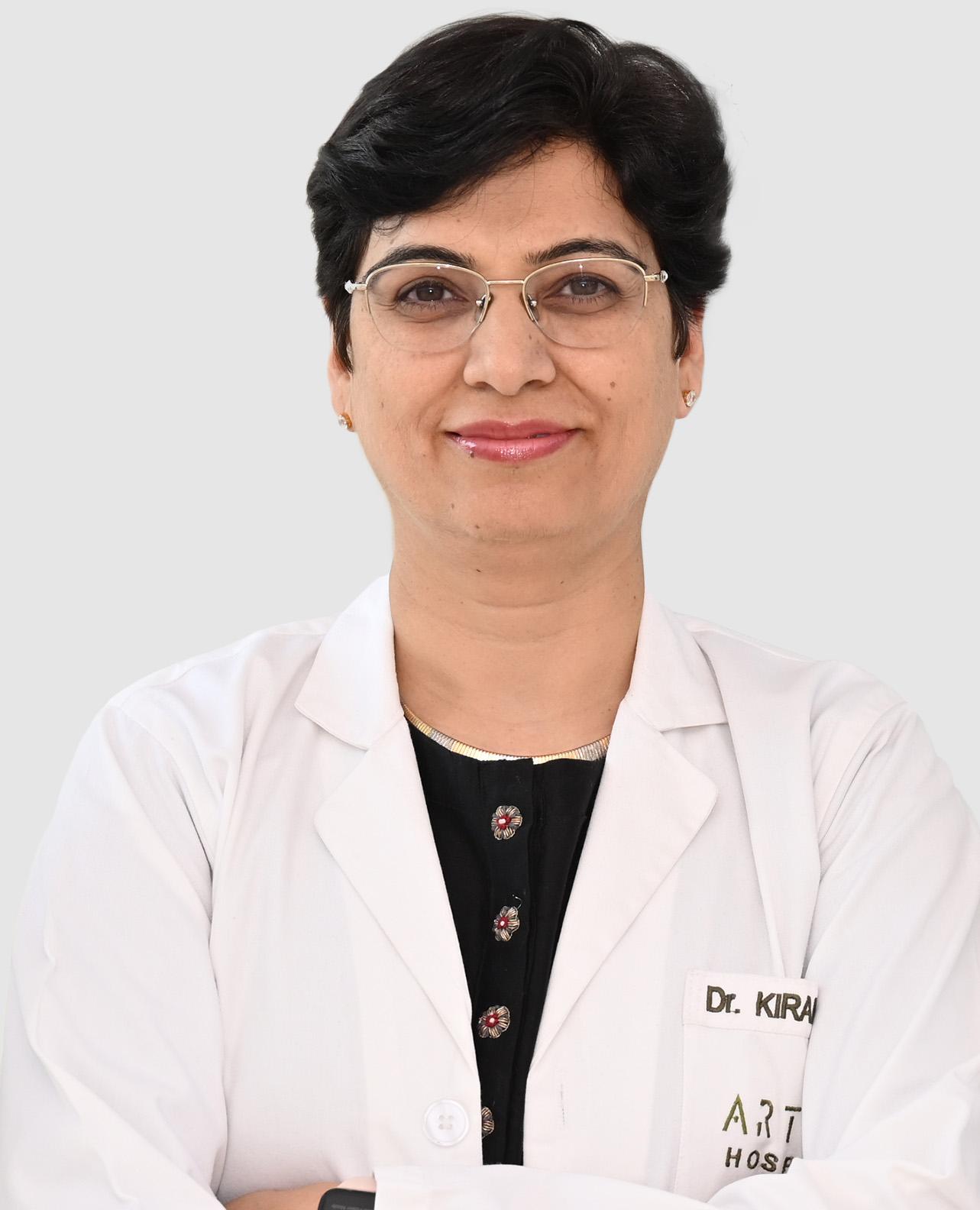
Dr. Kiran Arora
Unit Head - Reproductive Medicine (Unit II)
IVF, Reproductive Medicine, Obstetrics & Gynecology
New Delhi
20+ Years
Experience
Artemis Hospital
Hospital
1500
Fees
Nidhi Jain
Sr. Consultant - Obs & Gynae
Maternity, Obstetrics & Gynaecology
New Delhi
15+ Years
Experience
Artemis Hospital
Hospital
1500
Fees
Related Links
Other Treatment related Information
International Patient Visiting India
Ready To Start Your Healing Journey?
Get Personalized Medical Treatment Options From India's Top Hospitals. Our Medical Experts Are Ready To Assist You Every Step Of The Way.