Interventional Radiology Procedures Treatment in India for Bangladesh
Need Personalized Advice?
Our medical experts are ready to answer your questions and guide you through your treatment options.
About
Interventional Radiology Procedures in India for Bangladesh Patients
For many patients in Bangladesh facing complex health conditions, the search for advanced medical procedures like Interventional Radiology can be challenging. Concerns about access to specialized equipment, experienced radiologists, and affordable treatment options often lead individuals to look beyond their local healthcare system for solutions.
India has emerged as a preferred destination for international patients seeking high-quality medical care. Across various Indian cities, world-class hospitals and diagnostic centers offer a full spectrum of interventional radiology services. This widespread availability ensures patients can find suitable treatment options without extensive delays.
The Indian medical landscape is recognized for its robust infrastructure, housing numerous accredited hospitals staffed by highly qualified interventional radiologists. These specialists bring extensive experience from diverse clinical backgrounds. Patients can rely on a system built on advanced technology and a commitment to positive patient outcomes.
India consistently provides advanced and accessible interventional radiology care.
What Are Interventional Radiology Procedures?
Interventional Radiology (IR) procedures are minimally invasive treatments performed using image guidance. Rather than traditional open surgery, interventional radiologists use tools like X-rays, CT scans, ultrasound, or MRI to guide catheters and wires through small incisions. These techniques allow for precise diagnosis and treatment across various conditions, often resulting in less pain, fewer risks, and quicker recovery times.
What Types of Interventional Radiology Procedures Are Available?
Angiography and Angioplasty: Procedures to diagnose and treat blocked or narrowed blood vessels, restoring blood flow using balloons and stents.
Embolization: Blocking blood flow to specific areas, used for conditions like uterine fibroids, cancerous tumors, or internal bleeding.
Image-Guided Biopsies: Precisely taking tissue samples from organs or tumors for accurate diagnosis with minimal invasiveness.
Tumor Ablation: Destroying cancerous tumors using heat (radiofrequency ablation) or cold (cryoablation) directly at the site.
Drainage Procedures: Removing fluid collections or abscesses from various body cavities using catheters guided by imaging.
Vertebroplasty and Kyphoplasty: Minimally invasive treatments for spinal compression fractures, stabilizing the vertebrae and reducing pain.
When Might You Need Interventional Radiology?
- Diagnosis and treatment of peripheral artery disease
- Management of deep vein thrombosis (DVT) or pulmonary embolism
- Treatment for liver, kidney, or lung cancers
- Relief from uterine fibroid symptoms
- Pain associated with spinal fractures
- Biopsy of suspicious lesions in various organs
- Drainage of fluid collections or abscesses
- Prostate artery embolization for enlarged prostate
How Is Pre-Treatment Evaluation Done?
- Comprehensive medical history and physical examination
- Advanced imaging studies like CT, MRI, or ultrasound
- Blood tests including complete blood count and coagulation profile
- Kidney function tests to assess suitability for contrast agents
- Cardiovascular assessment, often with ECG, if required
- Consultation with an interventional radiologist and specialists
How Are Interventional Radiology Procedures Performed?
The specific approach for an interventional radiology procedure is tailored to your condition and the exact clinical plan. Most procedures follow a general sequence of steps.
Preparation: Patients typically receive local anesthesia and often conscious sedation to ensure comfort. The target area is sterilized, and a small incision or puncture site is prepared.
Image Guidance: The interventional radiologist uses real-time imaging (such as fluoroscopy, CT, or ultrasound) to navigate instruments precisely within the body.
Access: A thin catheter or needle is inserted through the small incision and advanced to the treatment area under continuous imaging guidance.
Treatment Execution: Depending on the procedure, specialized tools are delivered through the catheter. This might involve deploying stents, injecting embolic agents, performing ablations, or taking biopsies.
Completion: Once the procedure is complete, the catheter or needle is carefully withdrawn, and pressure is applied to the access site to prevent bleeding. The small incision usually requires only a bandage.
Monitoring: Patients are moved to a recovery area for observation for a few hours to ensure stability before discharge.
What Does Recovery Involve?
Recovery from interventional radiology procedures is generally faster compared to open surgery due to their minimally invasive nature. Most patients can return home on the same day or after a short hospital stay of one to two days. You might experience some mild discomfort or bruising at the access site. Doctors typically advise avoiding strenuous activities for a few days to a week. Detailed post-procedure instructions, including medication, wound care, and follow-up appointments, will be provided to ensure a smooth healing process.
Understanding Risks and Success Rates
- Minor bleeding or bruising at the puncture site
- Risk of infection, though carefully minimized
- Allergic reaction to contrast material or medications
- Radiation exposure, kept as low as reasonably achievable
- Injury to nearby structures, which is rare due to precise guidance
- Potential for the procedure to be incomplete or require retreatment
Interventional radiology procedures boast high success rates, often offering significant clinical improvements or complete resolution of symptoms. Outcomes can vary depending on the patient's overall health, the specific condition being treated, and the complexity of the procedure. Many patients experience excellent long-term results, although ongoing monitoring may be necessary to ensure continued success and manage any underlying conditions.
Cost of Interventional Radiology Procedures in India
The cost of interventional radiology procedures in India can vary significantly based on several factors. These include the complexity of the procedure, the specific medical condition, the type of hospital (private or public, accreditation), the specialist's fees, the technology used, and the length of hospital stay. Advanced procedures involving specialized equipment or extensive pre-operative diagnostics will naturally incur higher costs.
Generally, interventional radiology procedures in India can range from approximately INR 80,000 to INR 6,000,000.
Interventional Radiology Procedure Costs Across Indian Cities
| City | Cost Range (INR) |
|---|---|
| Delhi | 100,000 - 5,000,000 |
| Mumbai | 120,000 - 5,500,000 |
| Chennai | 90,000 - 4,800,000 |
| Bangalore | 110,000 - 5,200,000 |
| Hyderabad | 95,000 - 4,900,000 |
| Kolkata | 85,000 - 4,500,000 |
| Ahmedabad | 80,000 - 4,200,000 |
A Global Comparison of Interventional Radiology Costs
| Country | Approximate Cost Range (USD) |
|---|---|
| India | 1,200 - 70,000 |
| USA | 10,000 - 150,000 |
| UK | 8,000 - 100,000 |
| Thailand | 3,000 - 40,000 |
| Singapore | 5,000 - 60,000 |
| Bangladesh | 2,500 - 35,000 |
Dedicated Support for International Patients
- Assistance with medical visa application letters
- Guidance for travel and accommodation arrangements
- Provision of language translation services if needed
- Dedicated patient care managers for seamless coordination
- Facilitation of post-treatment follow-up and virtual consultations
- Streamlined appointment scheduling and hospital admission
Essential Documents for Your Medical Journey
- Valid passport and any required visa documents
- Copies of all previous medical reports and imaging scans
- A referral letter from your local physician, if applicable
- Detailed list of all current medications and allergies
- Proof of financial capacity or health insurance details
- Contact information for your emergency contacts
Preparing for Your Interventional Radiology Procedure
- Discuss all ongoing medications, especially blood thinners, with your doctor
- Follow any specific dietary or fasting instructions before the procedure
- Arrange for a family member or friend to accompany you
- Understand the procedure details and recovery expectations thoroughly
- Pack comfortable clothing and essential personal items for your stay
Your Recovery and Post-Procedure Care
- Strictly adhere to all prescribed medications and instructions
- Monitor the procedure site for any signs of infection or unusual swelling
- Attend all scheduled follow-up appointments with your medical team
- Avoid strenuous activities and heavy lifting as advised by your doctor
- Maintain a healthy lifestyle with adequate rest and hydration
Your Health Journey Begins Here
India offers advanced interventional radiology solutions with compassionate care, providing a path to improved health for patients from Bangladesh.
Hospitals Offering this treatment
India offers premium medical procedures at affordable prices. Discover our most popular treatments, delivered by the country's finest doctors.
Meet Our Doctors
Meet our team of highly qualified and experienced medical professionals dedicated to providing the best healthcare services.

Aditi Dixit
Sr. Consultant – Women Imaging
Radiology (Specializing in Women's Imaging)
Haryana
15+ Years
Experience
Artemis Hospital
Hospital
1500
Fees
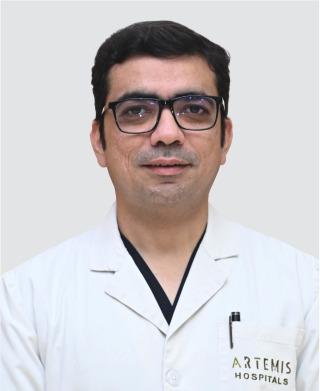
Dr. Tariq Matin
Director & Chief
Neurointerventional Surgery
New Delhi
15+ Years
Experience
Artemis Hospital
Hospital
1500
Fees
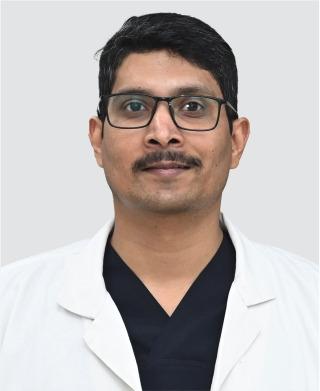
Dr. Mukesh Kumar
Additional Consultant - Neuro Interventional Surgery
Neurointerventional Surgery
New Delhi
20+ Years
Experience
Artemis Hospital
Hospital
1500
Fees
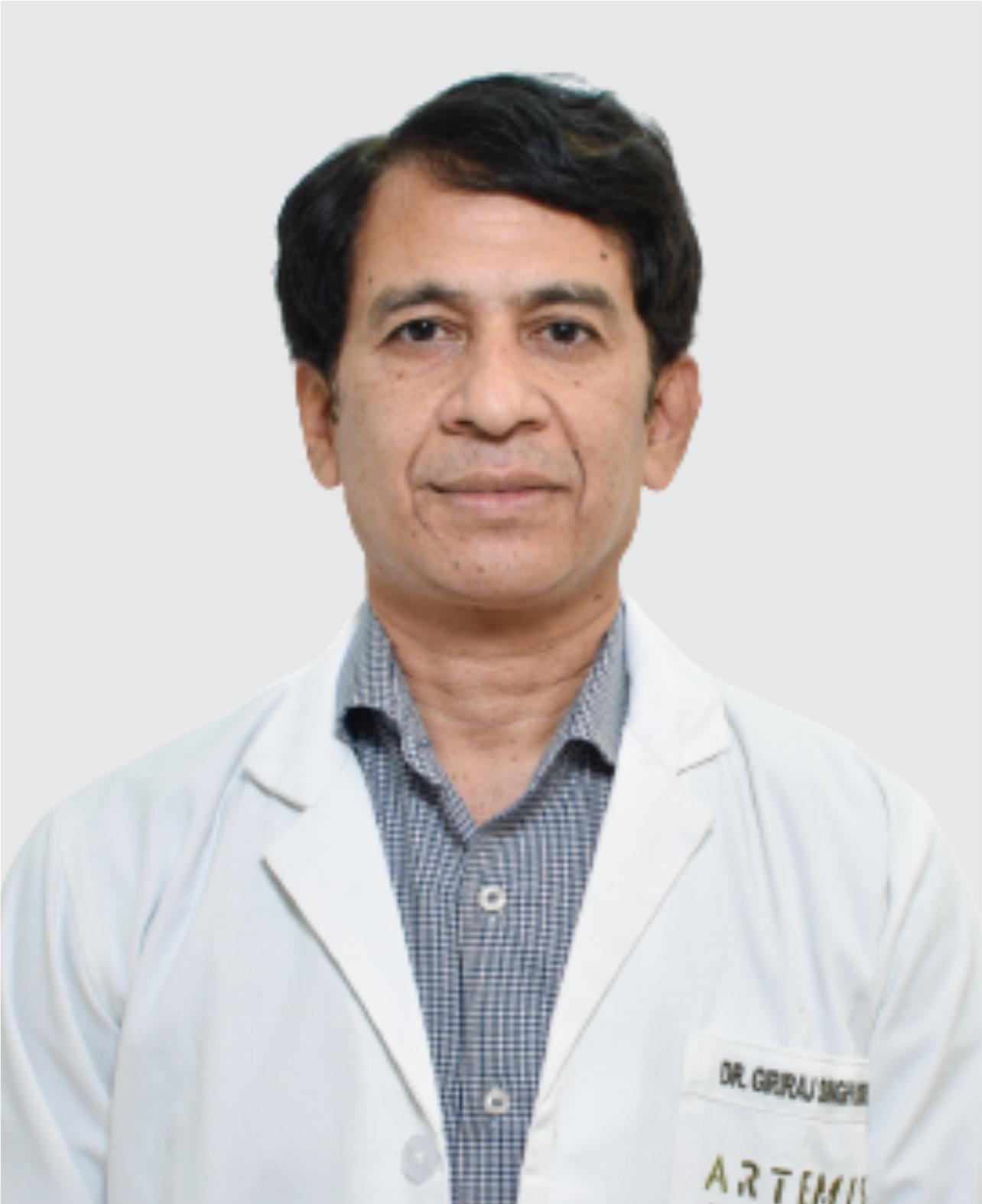
Dr. Giriraj Bora
Chief - Liver Transplant & Sr. Consultant - GI & HPB Surgery
Liver and Biliary Sciences, Organ Transplant
New Delhi
15+ Years
Experience
Artemis Hospital
Hospital
1500
Fees

Gurpreet Makkar
Head Imaging & Chief DNB Program
Radiology
New Delhi
19+ Years
Experience
Artemis Hospital
Hospital
1500
Fees
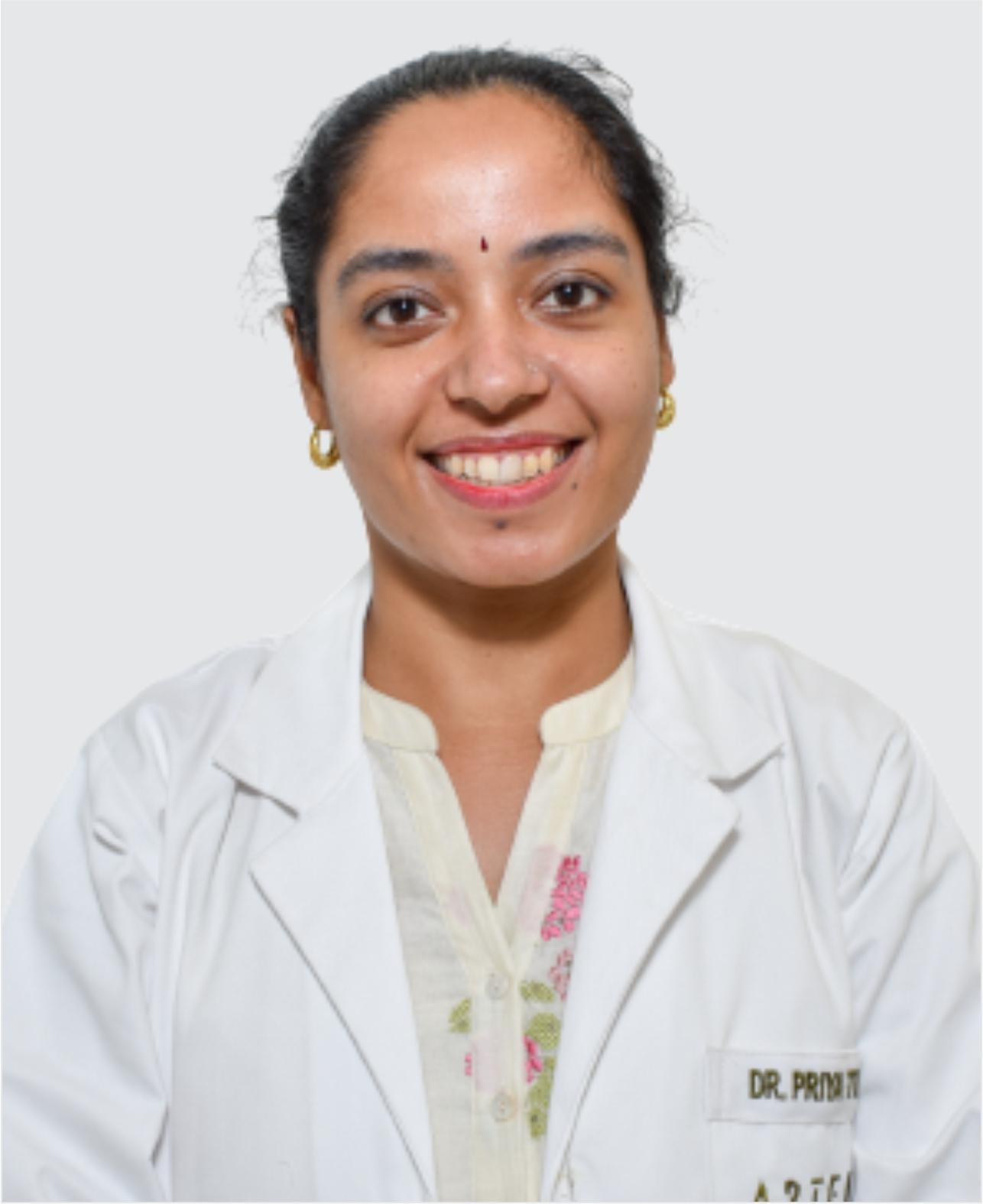
Dr. Priya Tiwari
Sr. Consultant
Radiology
New Delhi
12+ Years
Experience
Artemis Hospital
Hospital
1500
Fees

Dr. Naveen Bhamri
Vice Chairman, Cardiac Sciences, Cardiology, Interventional Cardiology, Cardiac Electrophysiology-Pacemaker & Director & HOD (Interventional Cardiology) at Max Super Speciality Hospital, Shalimar Bagh, Delhi
Interventional Cardiology
New Delhi
26+ Years
Experience
Max Hospital,Gurgaon
Hospital
1500
Fees
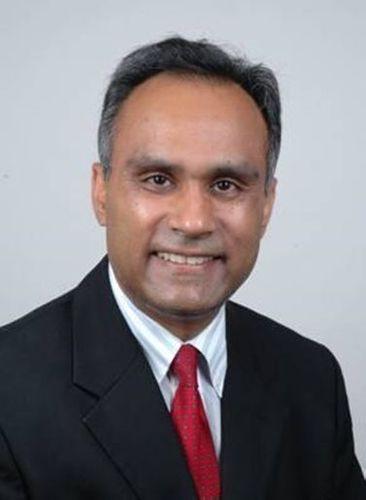
Dr. Vivek Raj
Associate Director
Pulmonology
New Delhi
20+ Years
Experience
Apolo Delhi
Hospital
1500
Fees
Dr. Aparna Sinha
Associate Director
Pulmonology
New Delhi
22+ Years
Experience
Apolo Delhi
Hospital
1500
Fees

Dr. Deni Gupta
Senior Consultant
Cardiac Sciences, Interventional Cardiology
New Delhi
25+ Years
Experience
Apolo Delhi
Hospital
1500
Fees
Related Links
Other Treatment related Information
- Interventional Radiology Procedures cost in India
- Interventional Radiology Procedures Success Rate in India
- Best Interventional Radiology Procedures Doctors in India
- Best Interventional Radiology Procedures Hospitals in India
- interventional radiology
- Interventional Radiology Procedures Treatment in India
Ready To Start Your Healing Journey?
Get Personalized Medical Treatment Options From India's Top Hospitals. Our Medical Experts Are Ready To Assist You Every Step Of The Way.