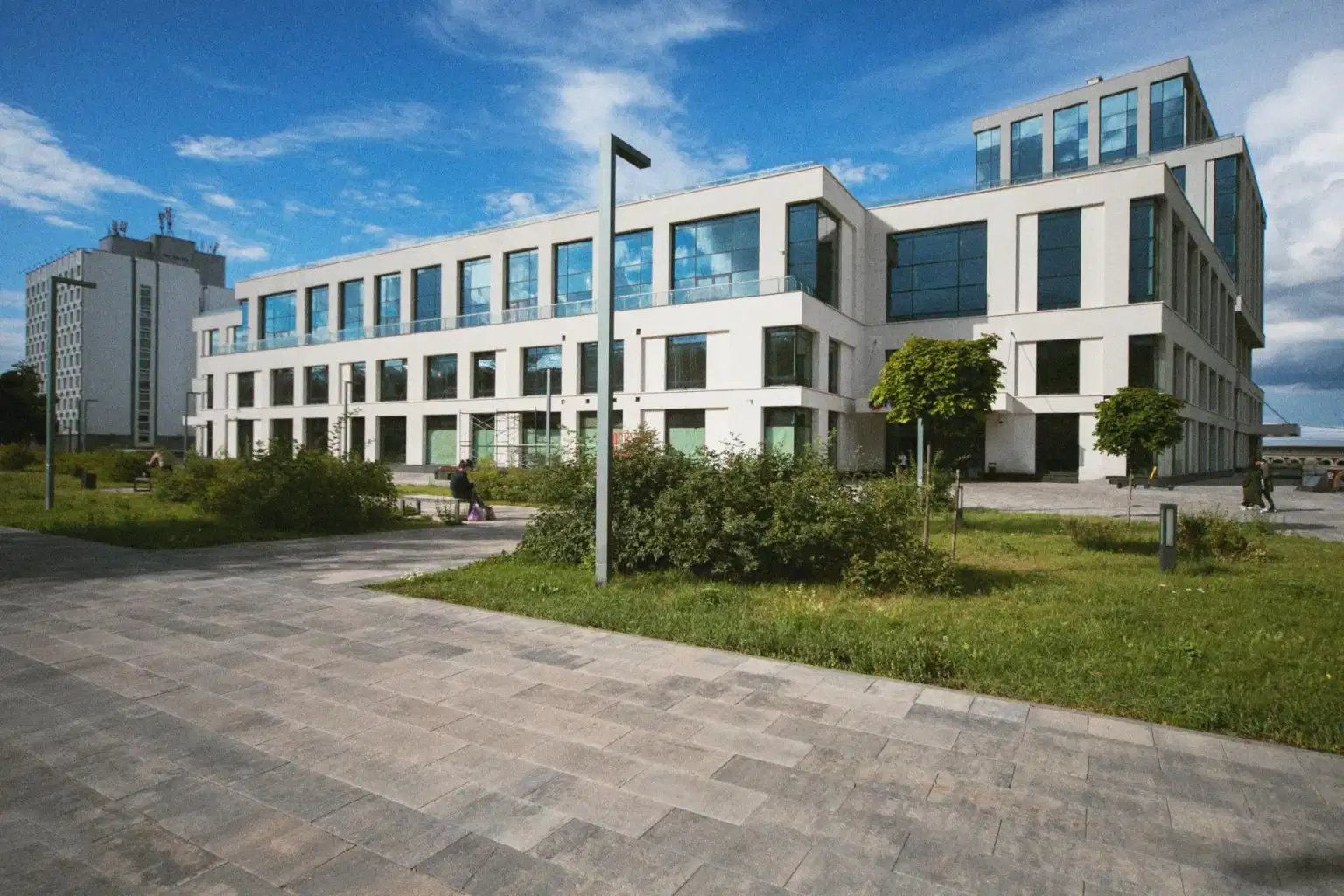
Interventional Radiology Procedures Treatment in New Delhi for Ethiopia
Need Personalized Advice?
Our medical experts are ready to answer your questions and guide you through your treatment options.
About
Interventional Radiology in New Delhi for Ethiopian Patients
Patients from Ethiopia often seek specialized medical care abroad, especially when dealing with complex conditions requiring advanced procedures. Accessing cutting-edge Interventional Radiology Procedures can be a concern, with questions about quality, affordability, and the availability of expert care.
Many find New Delhi to be an ideal destination for these advanced treatments. The city boasts a comprehensive medical ecosystem, offering state-of-the-art facilities and a highly skilled medical workforce. Patients choose New Delhi for its modern care environment and well-coordinated treatment pathways.
New Delhi's hospitals and medical specialists have earned a reputation for excellence in Interventional Radiology. These institutions provide a high standard of care, ensuring precise diagnoses and effective treatments. The city's infrastructure also supports convenient follow-ups and ongoing care within the urban setting.
New Delhi provides reliable and advanced medical solutions for Interventional Radiology Procedures.
What Are Interventional Radiology Procedures?
Interventional Radiology (IR) procedures are minimally invasive treatments performed using image guidance, such as X-ray, ultrasound, CT, or MRI. These techniques allow specialists to diagnose and treat a wide range of conditions throughout the body without the need for traditional open surgery. By making small incisions, often just a pinhole, interventional radiologists can navigate catheters, wires, and other tiny instruments to target specific areas, reducing pain, risk, and recovery time compared to conventional surgical methods.
What Types of Interventional Radiology Procedures Are Available?
Angiography and Angioplasty
These procedures are used to diagnose and treat blockages or narrowings in blood vessels. Angiography involves injecting contrast dye to visualize vessels, while angioplasty uses balloons or stents to open blocked arteries.
Embolization
Embolization involves intentionally blocking blood vessels to stop bleeding or cut off blood supply to tumors or abnormal growths, such as uterine fibroids or liver tumors.
Biopsies
Image-guided biopsies allow for precise tissue sampling from organs or tumors for diagnostic purposes, reducing the need for more invasive surgical biopsies.
Ablation Procedures
Techniques like radiofrequency ablation (RFA), microwave ablation (MWA), and cryoablation use heat or extreme cold to destroy cancerous tumors or other abnormal tissues in organs like the liver, kidney, or lungs.
Stent Placement
Stents are small tubes placed in vessels or ducts to keep them open, commonly used in arteries to treat blockages or in bile ducts to relieve obstruction.
Drainage Procedures
These procedures involve using image guidance to insert catheters to drain fluid collections or abscesses from various parts of the body, helping to alleviate infection and discomfort.
When Are Interventional Radiology Procedures Recommended?
- When a patient has arterial or venous blockages causing pain, swelling, or organ dysfunction.
- For diagnosing and treating benign or malignant tumors in organs like the liver, kidneys, or lungs.
- To stop internal bleeding, such as gastrointestinal hemorrhage or post-traumatic bleeding.
- In cases requiring minimally invasive tissue sampling for diagnosis, like lung or liver biopsies.
- When there are fluid collections, abscesses, or cysts that need drainage.
- For managing conditions like uterine fibroids or prostatic enlargement.
- To treat aneurysms or vascular malformations.
- As a less invasive alternative to open surgery for various conditions.
What Pre-Treatment Evaluation Is Necessary?
- Detailed medical history review and physical examination.
- Blood tests, including complete blood count, kidney function tests, and coagulation profile.
- Imaging studies such as CT scans, MRI, or ultrasound to precisely map the area to be treated.
- Specific diagnostic angiograms or venograms if a vascular issue is suspected.
- Consultation with an interventional radiologist to discuss the procedure details and potential risks.
- Assessment for any allergies, especially to contrast dye or medications.
How Are Interventional Radiology Procedures Performed?
The method for Interventional Radiology Procedures varies based on the specific condition and treatment plan developed by the specialist.
Preparation
Before the procedure, the patient will receive local anesthesia, and sometimes conscious sedation, to ensure comfort. The skin at the entry site is sterilized and draped.
Access and Guidance
A very small incision, often just a pinhole, is made. Using real-time imaging guidance (like fluoroscopy, ultrasound, or CT), the interventional radiologist inserts a thin needle or catheter into the target area, such as a blood vessel or an organ.
Targeted Treatment
Once the instruments are precisely positioned, the specialist delivers the treatment. This could involve deploying a stent, injecting embolizing agents, performing an ablation, or taking a biopsy sample. The imaging continuously guides the entire process to ensure accuracy.
Completion
After the treatment is complete, the instruments are carefully removed. Pressure is applied to the entry site to prevent bleeding, and a small bandage is placed. Stitches are rarely needed.
What Does Recovery From Interventional Radiology Procedures Involve?
Recovery from Interventional Radiology Procedures is typically shorter and less painful than traditional surgery due to their minimally invasive nature. Most patients can return home the same day or after a short hospital stay, usually within 24 hours. Patients may experience mild pain or bruising at the access site. Activity restrictions, such as avoiding strenuous exercise or heavy lifting, are usually recommended for a few days to a week. Follow-up imaging may be scheduled to monitor the treatment's success and ensure proper healing.
What Are the Risks and Success Rates of These Procedures?
- Potential for bleeding or bruising at the access site.
- Low risk of infection, typically managed with antibiotics.
- Possible allergic reactions to contrast dyes or medications.
- Minimal exposure to radiation, carefully monitored by the medical team.
- Rarely, unintended injury to surrounding organs or tissues.
- Temporary discomfort or pain after the procedure.
Interventional Radiology Procedures generally have high success rates for the conditions they treat, often providing effective alternatives to open surgery. The outcome largely depends on the specific procedure, the patient's overall health, the stage of the condition, and the expertise of the interventional radiologist. Patients can often expect significant improvement in symptoms and quality of life, with long-term results varying based on the underlying disease process.
What is the Cost of Interventional Radiology Procedures in New Delhi?
The cost of Interventional Radiology Procedures in New Delhi is influenced by several factors. These include the specific type and complexity of the procedure required, the chosen hospital's facilities and technology, the specialist's fees, the duration of hospital stay, and any additional diagnostic tests or medications needed.
For most Interventional Radiology Procedures in New Delhi, costs can range from approximately INR 150,000 to INR 800,000.
Comparing Interventional Radiology Procedure Costs in New Delhi
New Delhi offers competitive pricing for advanced Interventional Radiology Procedures compared to many Western countries, providing a cost-effective option without compromising on quality.
| Location | Estimated Cost Range (USD) |
|---|---|
| New Delhi, India | $1,800 - $9,600 |
| United States | $10,000 - $50,000+ |
| United Kingdom | $8,000 - $40,000+ |
| Germany | $7,000 - $35,000+ |
| Singapore | $6,000 - $30,000+ |
Considering Interventional Radiology Procedures in New Delhi?
Contact us to get a personalized treatment plan and cost estimate.
How Do We Support International Patients in New Delhi?
- Assistance with medical visa applications and extensions.
- Coordination of airport transfers and local transportation.
- Help with accommodation arrangements for patients and accompanying family.
- Access to language interpreters for seamless communication.
- Scheduling of all medical appointments and follow-up consultations.
- Guidance on local amenities and cultural information.
What Documents Are Required for Your Medical Journey?
- Valid passport and medical visa for entry into India.
- Copies of all relevant medical reports, imaging scans, and previous diagnoses.
- Referral letters from your primary physician, if available.
- Proof of financial capacity to cover treatment and travel expenses.
- Any immunization records or health certificates as required for travel.
How Should You Prepare for Your Interventional Radiology Procedure?
- Follow any specific dietary restrictions, such as fasting, advised by your doctor.
- Discuss all current medications, including supplements, with your medical team.
- Arrange for a companion to accompany you for support and assistance.
- Ensure all travel and accommodation logistics are confirmed before your arrival.
- Pack comfortable clothing and essential personal items for your stay.
What Aftercare Instructions Will You Receive?
- Detailed instructions on wound care and maintaining hygiene at the procedure site.
- Guidelines on activity levels and restrictions during the initial recovery period.
- A prescribed medication schedule for pain management or infection prevention.
- Information on follow-up appointments and monitoring to assess treatment effectiveness.
- Clear advice on symptoms to watch for that might indicate a complication.
Ready to Discuss Your Treatment Options?
Our team is here to provide clarity and guide you through every step of your medical journey in New Delhi for Interventional Radiology Procedures.
Have questions about Interventional Radiology Procedures in New Delhi?
Reach out to our patient support team for comprehensive guidance.
Hospitals Offering this treatment
India offers premium medical procedures at affordable prices. Discover our most popular treatments, delivered by the country's finest doctors.
Meet Our Doctors
Meet our team of highly qualified and experienced medical professionals dedicated to providing the best healthcare services.

Aditi Dixit
Sr. Consultant – Women Imaging
Radiology (Specializing in Women's Imaging)
Haryana
15+ Years
Experience
Artemis Hospital
Hospital
1500
Fees
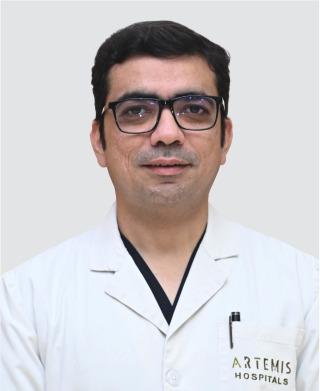
Dr. Tariq Matin
Director & Chief
Neurointerventional Surgery
New Delhi
15+ Years
Experience
Artemis Hospital
Hospital
1500
Fees
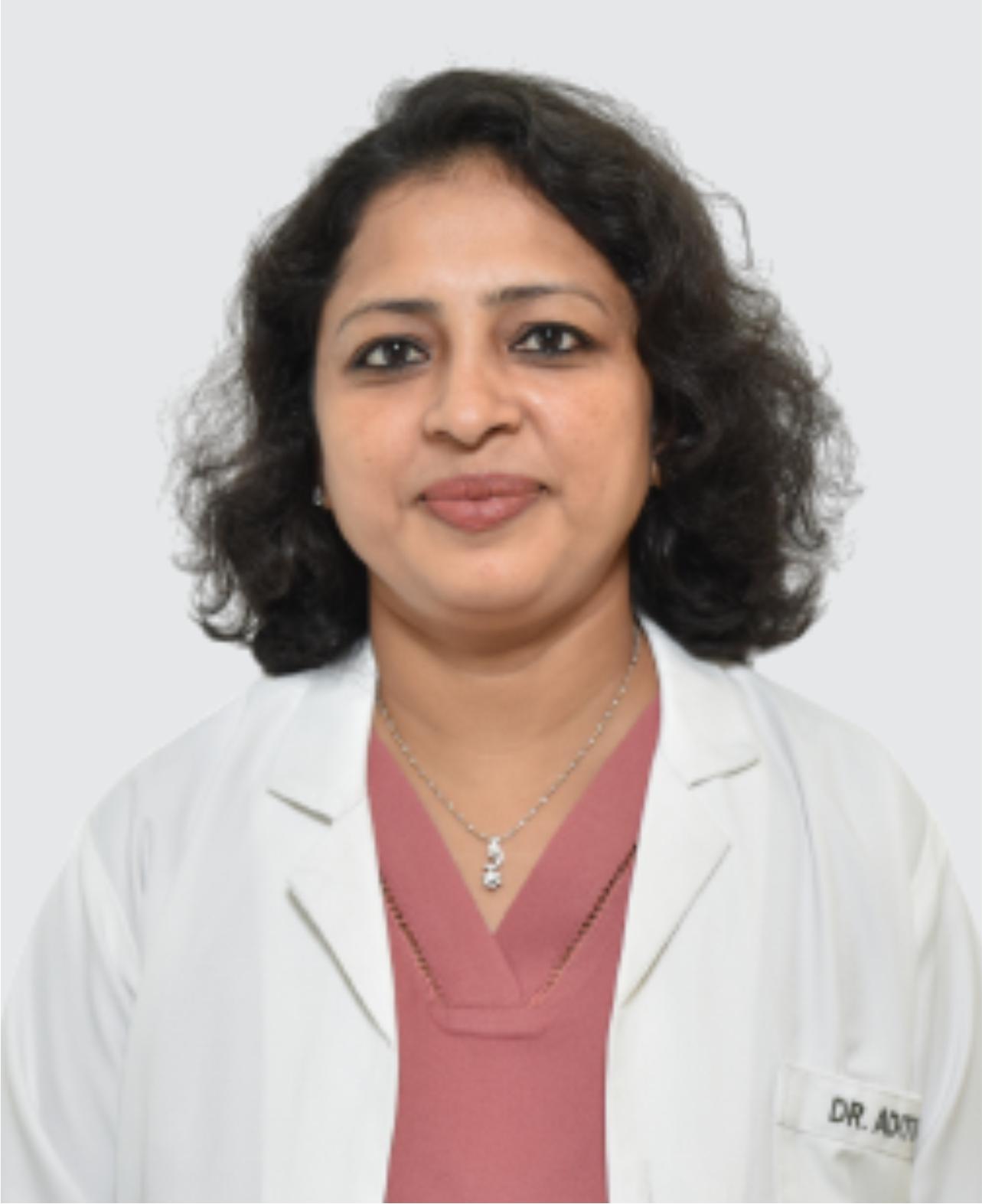
Dr Aditi Dixit
Sr. Consultant – Women Imaging
Radiology
New Delhi
15+ Years
Experience
Artemis Hospital
Hospital
1500
Fees
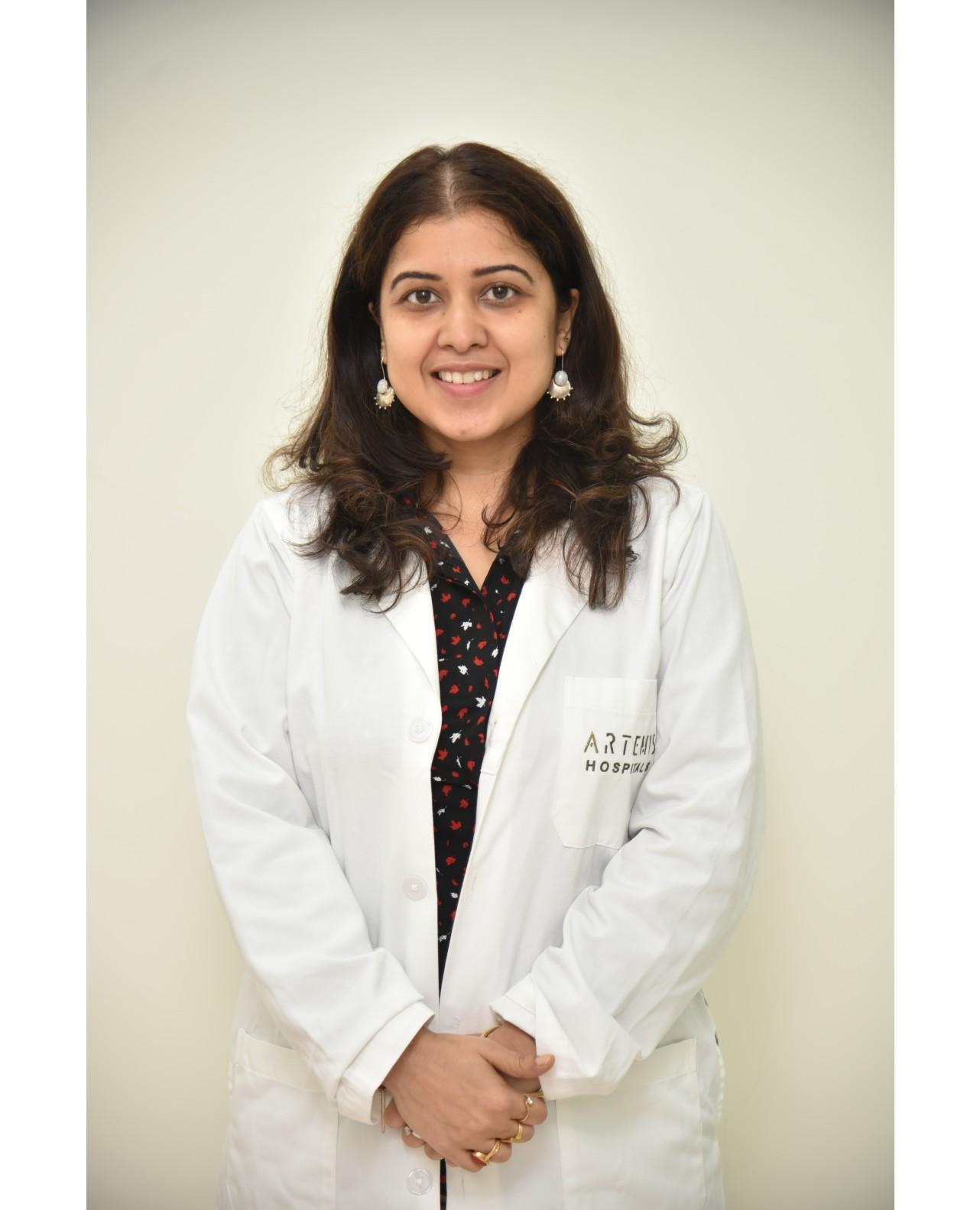
Dr Chandrima Misra M
Co-Head Psychological Services
Mental Health and Behavioural Sciences
New Delhi
15+ Years
Experience
Artemis Hospital
Hospital
1500
Fees
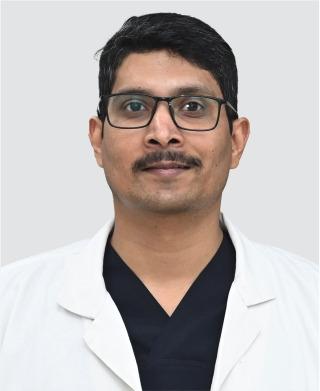
Dr. Mukesh Kumar
Additional Consultant - Neuro Interventional Surgery
Neurointerventional Surgery
New Delhi
20+ Years
Experience
Artemis Hospital
Hospital
1500
Fees
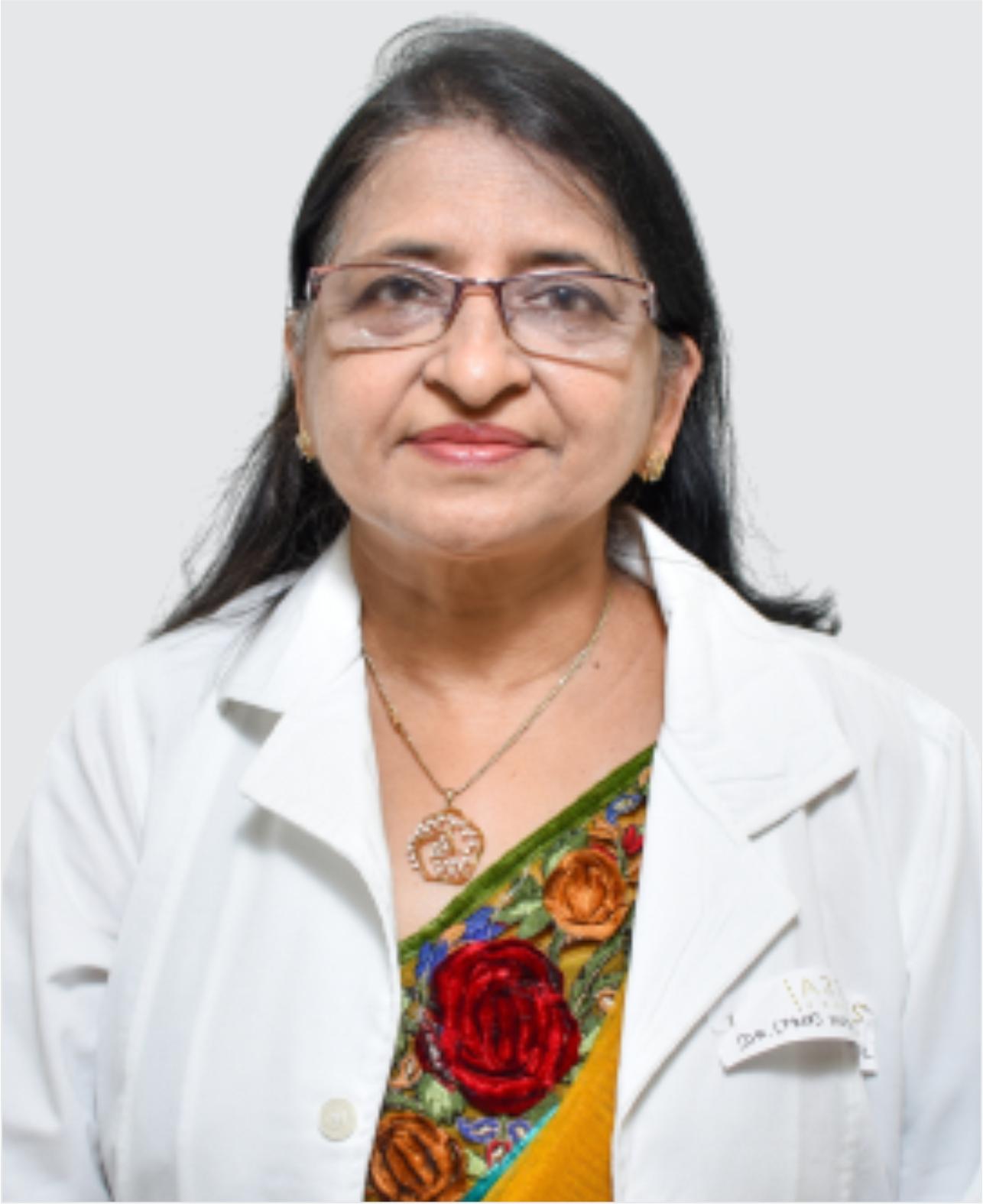
Dr. Nutan Agarwal
Head of Department - Gynae Endocrinology & DNB Program Director - Obs & Gynae
Gynaecological Endocrinology, Maternity, Obstetrics & Gynaecology
New Delhi
35+ Years
Experience
Artemis Hospital
Hospital
1500
Fees
Dr. Poonam Gautam
Senior Consultant - ENT
ENT and Head & Neck Surgery
New Delhi
24+ Years
Experience
Artemis Hospital
Hospital
1500
Fees
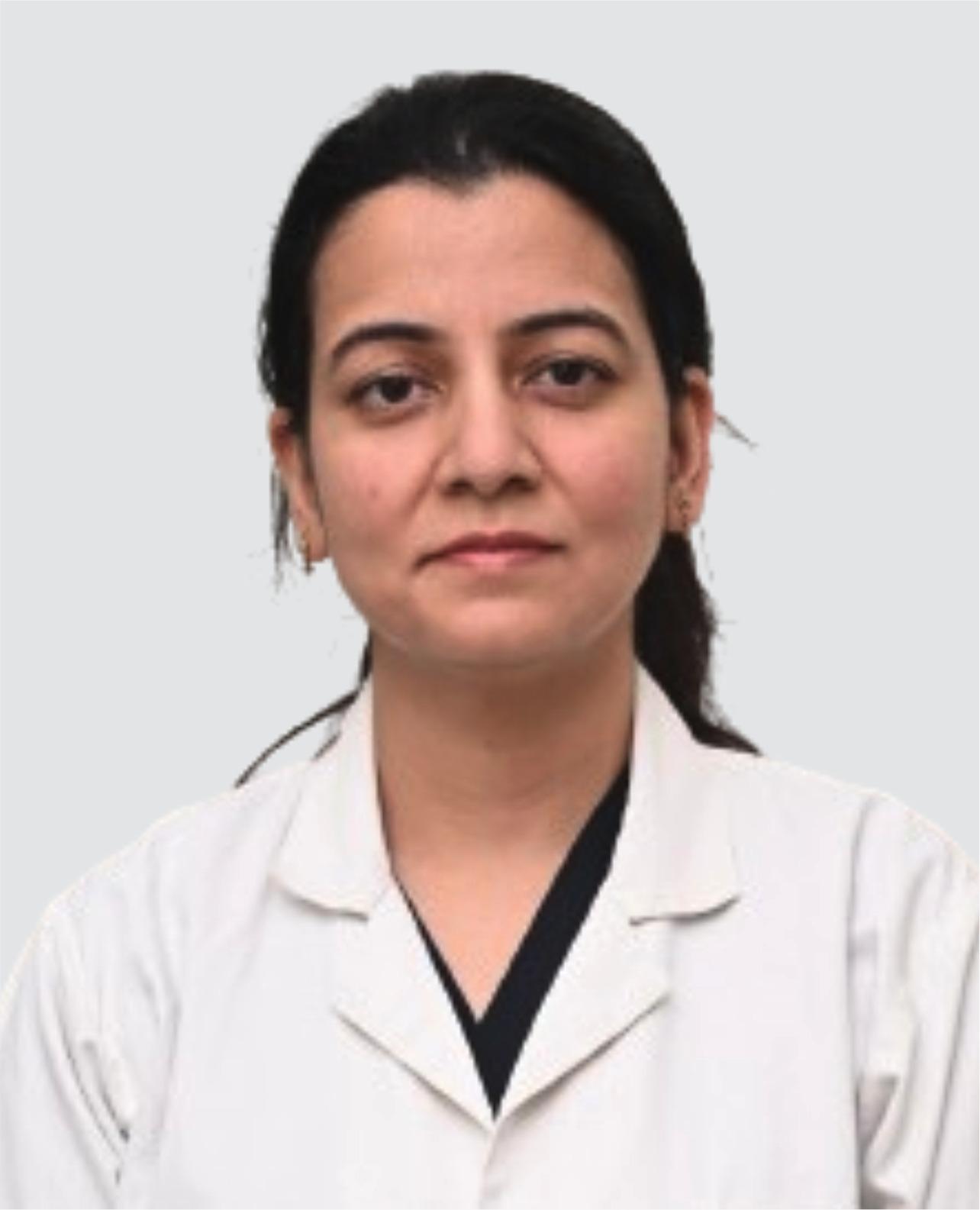
Dr. Priyanka Raina
Consultant (Head & Neck Surgery) - Surgical Oncology
Head and Neck Surgical Oncology
New Delhi
10+ Years
Experience
Artemis Hospital
Hospital
1500
Fees
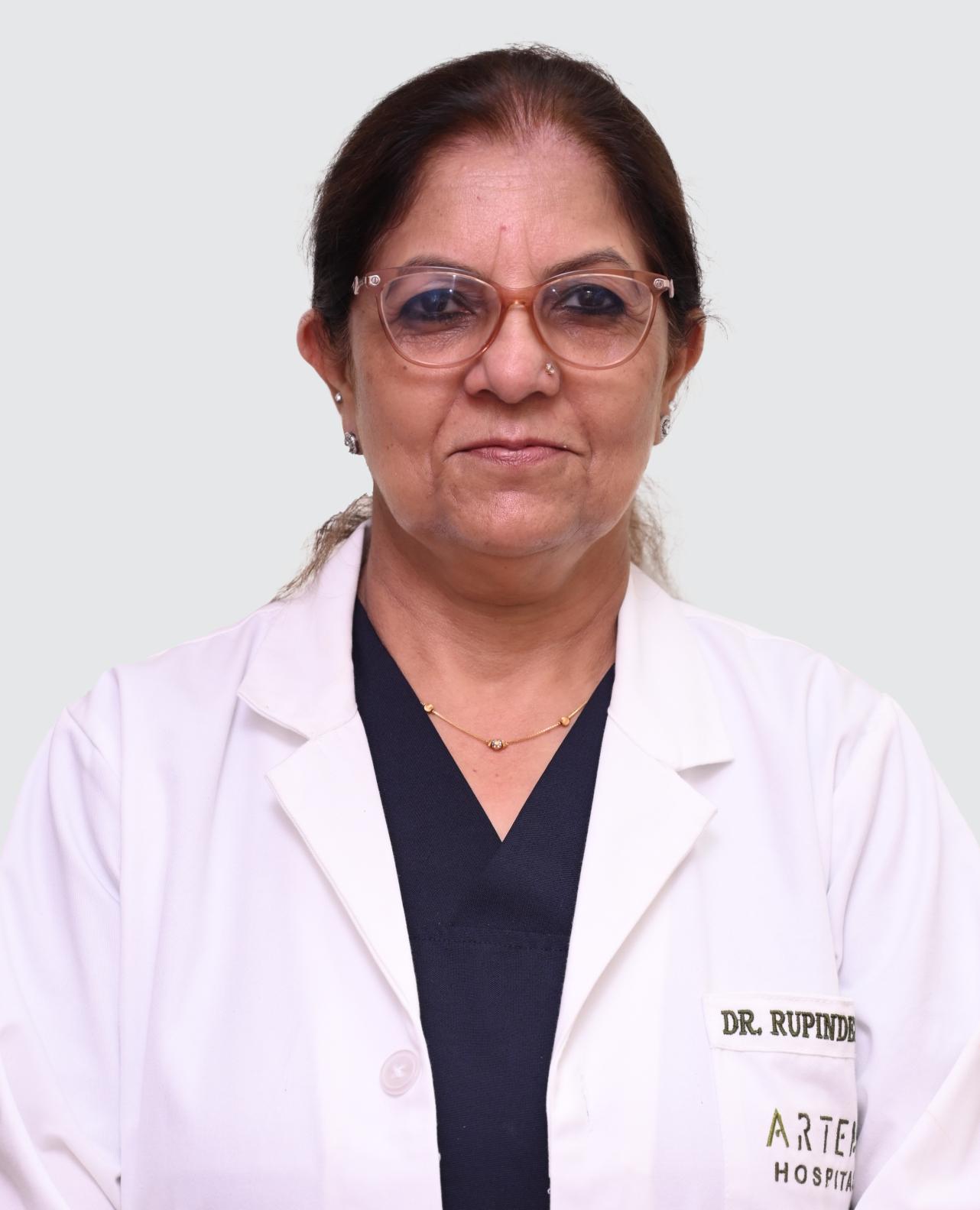
Dr. Rupinder Sekhon
Chairperson - Gynae Oncology
Gynaecological Oncology
New Delhi
16+ Years
Experience
Artemis Hospital
Hospital
1500
Fees
Dr. Giriraj Bora
Chief - Liver Transplant & Sr. Consultant - GI & HPB Surgery
Liver and Biliary Sciences, Organ Transplant
New Delhi
15+ Years
Experience
Artemis Hospital
Hospital
1500
Fees
Related Links
Other Treatment related Information
- Interventional Radiology Procedures cost in Chennai
- Interventional Radiology Procedures cost in India
- Interventional Radiology Procedures cost in New Delhi
- Interventional Radiology Procedures cost in Bengaluru
- Interventional Radiology Procedures cost in Hyderabad
- Interventional Radiology Procedures cost in Mumbai
- Interventional Radiology Procedures cost in Pune
- Interventional Radiology Procedures cost in Haryana
- Interventional Radiology Procedures Success Rate in Mumbai
- Interventional Radiology Procedures Success Rate in New Delhi
- Interventional Radiology Procedures Success Rate in Hyderabad
- Interventional Radiology Procedures Success Rate in Haryana
- Interventional Radiology Procedures Success Rate in Pune
- Interventional Radiology Procedures Success Rate in India
- Interventional Radiology Procedures Success Rate in Bengaluru
- Interventional Radiology Procedures Success Rate in Chennai
- Best Interventional Radiology Procedures Doctors in Hyderabad
- Best Interventional Radiology Procedures Doctors in India
- Best Interventional Radiology Procedures Doctors in New Delhi
- Best Interventional Radiology Procedures Doctors in Gurugram
Ready To Start Your Healing Journey?
Get Personalized Medical Treatment Options From India's Top Hospitals. Our Medical Experts Are Ready To Assist You Every Step Of The Way.