Fertility / IVF Treatment Treatment in India for Bangladesh
Access high-quality treatment through JCI & NABH-accredited hospitals, renowned specialists, and end-to-end medical travel support designed around your healing journey.
Plan My Journey
Tell us your condition and budget - our AI matches the right destination, hospital and doctor and visa pathway
Cost calculator
I know my treatment - show me cost from 3 hospitals
5K+ International Patients Treated
40+ Source Countries Served
500+ Accredited Partner Hospitals
98% Patient Satisfaction
80% Average Savings vs USA
10K+ Doctors
NABH, JCI Accredited Hospitals
Free Treatment Plan
Free Consultation with Doctor
5+ Destinations Covered

Written by DivinHeal Editorial Contributor, Rahul Kumar, Embryologist | Medically Reviewed by Dr Indu Priya, Gynecologist(MD) Published on: February 19, 2026
About
Fertility & IVF Treatment in India for Bangladesh Patients
For many couples in Bangladesh facing the challenges of infertility, the journey can feel isolating and emotionally draining. The hope of starting a family often comes with questions about available treatments, success rates, and the best path forward to achieve their dreams.
Patients increasingly look beyond their home country for advanced medical solutions. India has emerged as a preferred destination due to its high-quality medical infrastructure, availability of experienced fertility specialists, and comprehensive treatment options accessible across numerous major cities.
India's medical system offers a deep reservoir of trust built on accredited hospitals and internationally trained specialists. These facilities provide advanced reproductive technologies, ensuring that patients receive world-class care from highly skilled teams dedicated to successful outcomes.
India delivers advanced, patient-centric fertility care across a wide network of specialized centers.
What is Fertility / IVF Treatment?
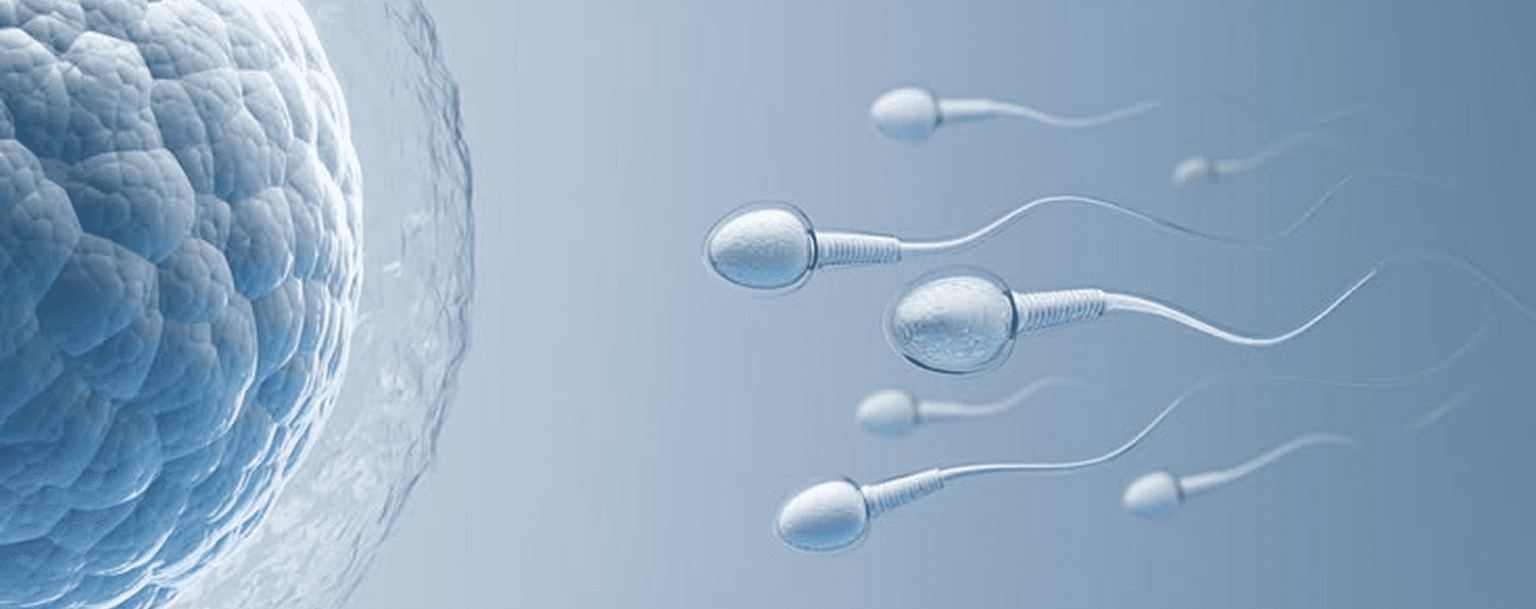
Fertility treatment encompasses various medical procedures designed to help individuals or couples conceive when natural conception is challenging. In Vitro Fertilization (IVF) is one of the most common and effective forms. IVF involves fertilizing an egg with sperm outside the body in a laboratory setting. The resulting embryo is then transferred into the woman's uterus, aiming for a successful pregnancy. This process addresses a wide range of infertility issues affecting both men and women.
What Types of Fertility Treatments Are Available?
Fertility treatment options are diverse, tailored to individual needs:
- Standard IVF Cycle: Involves ovarian stimulation, egg retrieval, fertilization, and embryo transfer.
- Intracytoplasmic Sperm Injection (ICSI): A specialized IVF technique where a single sperm is injected directly into an egg, often used for male factor infertility.
- Donor Egg/Sperm IVF: Utilizes donated eggs or sperm when one partner's gametes are not viable or available.
- Frozen Embryo Transfer (FET): Involves thawing and transferring embryos that were created and frozen in a previous IVF cycle.
- Preimplantation Genetic Testing (PGT): Screening embryos for genetic abnormalities before transfer, enhancing success rates and preventing genetic diseases.
- Intrauterine Insemination (IUI): A less invasive procedure where specially prepared sperm are placed directly into the uterus around the time of ovulation.
When Is Fertility Treatment Recommended?
- Difficulty conceiving after one year of regular, unprotected intercourse (or six months if the woman is over 35).
- Diagnosed female factor infertility, such as blocked fallopian tubes, ovulation disorders, or endometriosis.
- Diagnosed male factor infertility, including low sperm count, poor sperm motility, or abnormal sperm morphology.
- Unexplained infertility, where no specific cause can be identified despite thorough investigation.
- Genetic conditions in either partner that pose a risk for hereditary diseases, making PGT a viable option.
- For individuals or same-sex couples seeking to build a family through assisted reproductive technologies.
How Is Fertility Potential Evaluated?
- Comprehensive medical history review for both partners.
- Blood tests for hormonal assessment in females (e.g., FSH, LH, AMH, Estradiol) and males (e.g., Testosterone).
- Pelvic and transvaginal ultrasound scans to evaluate the uterus, ovaries, and fallopian tubes.
- Hysterosalpingography (HSG) or Laparoscopy to check for fallopian tube patency.
- Semen analysis to assess sperm count, motility, and morphology.
- Infectious disease screenings for both partners.
- Genetic counseling and testing, if family history or initial tests suggest a need.
What Does the Fertility Treatment Process Involve?
The specific steps for fertility treatment depend on the chosen method and individual patient needs, guided by specialist recommendations.
For IVF, the typical process includes:
- Ovarian Stimulation: Medications are administered to stimulate the ovaries to produce multiple eggs.
- Egg Retrieval: A minor surgical procedure, typically under sedation, to collect the mature eggs from the ovaries.
- Sperm Collection: Sperm is collected from the male partner or a donor.
- Fertilization (IVF/ICSI): Eggs and sperm are combined in a laboratory dish for fertilization. For ICSI, a single sperm is injected into each egg.
- Embryo Culture: The fertilized eggs (now embryos) are monitored in the lab for several days as they develop.
- Embryo Transfer: One or more viable embryos are carefully transferred into the woman's uterus using a thin catheter.
What Is the Recovery After Fertility Treatment?
After egg retrieval, most women experience mild discomfort, bloating, or cramping for a day or two, manageable with pain relief. Post-embryo transfer, physical recovery is minimal; however, a waiting period of about two weeks is required before a pregnancy test. During this time, it is crucial to avoid strenuous activities and follow specific post-transfer instructions provided by your fertility specialist. Emotional support is also vital during this phase, as it can be a period of significant anticipation and stress. Follow-up appointments are scheduled to monitor early pregnancy signs.
What Are the Risks and Success Rates of IVF?
- Ovarian Hyperstimulation Syndrome (OHSS), a condition where ovaries become swollen and painful.
- Multiple pregnancies (twins, triplets), increasing risks for both mother and babies.
- Ectopic pregnancy, where the embryo implants outside the uterus.
- Emotional stress, anxiety, and depression due to the intense nature of the treatment.
- Temporary discomfort, bleeding, or bruising during or after procedures.
- Rare risks of infection or bleeding from the retrieval procedure.
IVF success rates vary significantly based on individual factors such as the woman's age, cause of infertility, type of IVF treatment, and clinic expertise. Younger women generally have higher success rates. Many clinics in India report competitive success rates, often ranging from 30% to 50% per cycle for women under 35, with figures decreasing with age. Long-term expectations should be discussed openly with your specialist, understanding that multiple cycles may be needed.
Ready to explore advanced fertility treatments? Connect with leading IVF specialists in India.
What is the Cost of Fertility Treatment in India?
The cost of fertility treatment in India is generally more affordable compared to Western countries, without compromising on quality. Several factors influence the total cost, including the specific type of IVF procedure chosen (e.g., standard IVF, ICSI, donor cycles), the hospital's reputation, the specialist's experience, the technology used, and the number of cycles required. Comprehensive packages often include consultations, medications, laboratory charges, and procedures.
A typical IVF cycle in India can range from INR 2,00,000 to INR 4,00,000.
Cost of IVF Treatment Across Major Indian Cities
| City | Estimated IVF Cost (INR) |
|---|---|
| Delhi | 2,20,000 - 3,80,000 |
| Mumbai | 2,50,000 - 4,00,000 |
| Chennai | 2,00,000 - 3,50,000 |
| Bangalore | 2,30,000 - 3,90,000 |
| Kolkata | 1,90,000 - 3,40,000 |
| Hyderabad | 2,10,000 - 3,70,000 |
| Ahmedabad | 1,80,000 - 3,30,000 |
| Pune | 2,00,000 - 3,60,000 |
Global IVF Treatment Cost Comparison
| Country | Estimated IVF Cost (USD) |
|---|---|
| USA | 12,000 - 20,000 |
| UK | 7,000 - 15,000 |
| Singapore | 10,000 - 18,000 |
| Thailand | 5,000 - 9,000 |
| India | 2,500 - 5,000 |
Comprehensive Support for Your Fertility Journey in India
- Expert assistance with Indian medical visa applications.
- Guidance on selecting suitable accommodation near your chosen hospital.
- Arrangements for local transportation, including airport transfers.
- Access to professional language interpretation services if needed.
- A dedicated patient coordinator to assist throughout your stay.
- Facilitation of remote consultations and post-treatment follow-up coordination.
Essential Documents for IVF Treatment in India
- A valid passport with at least six months validity.
- Approved Indian medical visa for both the patient and accompanying attendant.
- All relevant medical reports, diagnostic test results, and health records.
- A referral letter from your local physician in Bangladesh, if applicable.
- Proof of financial capability to cover treatment and living expenses.
- Your marriage certificate, which is typically required for fertility treatments in India.
Preparing for Your Fertility Treatment in India
- Schedule an initial remote consultation with an Indian fertility specialist.
- Organize your travel logistics, including flights and accommodation, well in advance.
- Thoroughly understand the proposed treatment plan and its estimated timeline.
- Adhere to any dietary, lifestyle, or medication instructions given prior to arrival.
- Ensure all necessary documents are prepared and easily accessible.
- Prepare mentally and emotionally for the various stages of the fertility journey.
Navigating Post-Treatment Care and Recovery
- Strictly follow all prescribed medication schedules and dosages.
- Attend all recommended follow-up consultations and monitoring appointments.
- Avoid strenuous physical activities and heavy lifting as advised by your doctor.
- Prioritize rest and maintain a healthy, balanced diet.
- Seek out emotional support from your partner, family, or support groups.
- Maintain open communication with your Indian medical team for any concerns or questions.
Take the first step towards parenthood with expert care in India. Contact us for a consultation today.
Ready to Explore Your Fertility Options in India?
India offers advanced fertility solutions with compassionate care, guiding you towards your family dreams.
Hospitals
NABH & JCI Accredited Hospitals in India,Turkey, Thailand & UAE.

Artemis Hospital
Sector 51, Gurugram, Haryana, India

Lokmanya Hospitals
Not Specified

White Lotus Hospital
766, SFS 3145, SFS Road, 7th Sector, HSR Layout, Bengaluru, Karnataka 560102, India

Institute of Brain and Spine (IBS Hospital)
Not Specified
Meet Our Medical Specialists




Sr. Consultant - Urology & Kidney Transplant Program (Unit I)
Dr. Abhinandan Mukhopadhyay
MBBS, MD
India

Sr. Consultant - Urology & Kidney Transplant Program (Unit I)
Dr. Abhinandan Mukhopadhyay
MBBS, MD
India
How DivinHeal Helps
We simplify your medical journey by providing comprehensive support and access to world-class healthcare.
Expert Specialist Matching
Connecting you with the world's top-rated medical experts.
Accredited Hospital Network
Access to JCI & NABH certified healthcare facilities.
Complete Travel Coordination
Hassle-free visa, stay, and local transport assistance.
24/7 Personal Care
Dedicated patient advisors supporting you at every step.
Journey Guidance
Full guidance from start to end of the patient treatment journey.
Expert Specialist Matching
Connecting you with the world's top-rated medical experts.
Everything you
need to know today
Browse through these common inquiries to better understand our patient-focused medical platform.
Yes, we work with a variety of insurance providers. Contact our team to verify your coverage.
Yes, we provide secure online consultations with experienced specialists.
Our care coordinators help match you with the most suitable specialist.
Absolutely. Your medical information is protected according to healthcare privacy standards.
Look at six things: accreditation (JCI or NABH), specialty depth, doctor credentials and experience, procedure-specific success rates, international patient support, and technology. DivinHeal's AI-driven matching evaluates every hospital in our accredited partner network on these dimensions and shortlists the best-fit options for your condition, budget, and country.
JCI (Joint Commission International) is the US-based global gold standard for hospital quality, recognised worldwide. NABH is India's national accreditation — accredited by ISQua, the same body that accredits JCI. Both signal independently verified safety and quality. Most of India's leading hospitals hold both.
Yes. All three welcome international patients through structured medical visa programs. India is the most established, treating patients from Africa, the Middle East, and South Asia at 60–80% lower cost. Thailand leads in cosmetic and dental care. The UAE is emerging in oncology and reproductive medicine.
Most patients save 50–80% on treatment costs. Heart bypass costs US $7,000–9,000 in India compared to $70,000–150,000 in the US. IVF costs $3,000–4,500 compared to $12,000–20,000 in the UK. Even after flights, visa, and accommodation, total savings remain 60–70%.
DivinHeal manages your entire non-medical journey: visa invitation letters, medical visa guidance, doctor appointments, teleconsultations, airport pickup, hospital-vetted accommodation for you and your attendant, language interpreters, local transport, cuisine preferences, and post-treatment follow-up — one dedicated coordinator from first enquiry to final follow-up.
You need a valid passport (6+ months validity), a medical visa (M-Visa for India — DivinHeal provides the hospital invitation letter), return flight tickets, recent medical reports and a doctor's referral, current prescription list, and proof of financial means. Any accompanying attendant needs their own passport and MX-Visa.
Still have more questions?
Book a call with our friendly team to learn how DivineHeal simplifies your healthcare journey.