

Kidney Transplant Treatment in New Delhi for Ethiopia
Access high-quality treatment through JCI & NABH-accredited hospitals, renowned specialists, and end-to-end medical travel support designed around your healing journey.
Plan My Journey
Tell us your condition and budget - our AI matches the right destination, hospital and doctor and visa pathway
Cost calculator
I know my treatment - show me cost from 3 hospitals
5K+ International Patients Treated
40+ Source Countries Served
500+ Accredited Partner Hospitals
98% Patient Satisfaction
80% Average Savings vs USA
10K+ Doctors
NABH, JCI Accredited Hospitals
Free Treatment Plan
Free Consultation with Doctor
5+ Destinations Covered

Written by DivinHeal Editorial Contributor, DivinHeal Medical Team, Healthcare Advisory Team Published on: February 19, 2026
Kidney Transplant in New Delhi for Ethiopian Patients
For many patients in Ethiopia facing kidney failure, the prospect of a life-saving transplant can bring significant worry. Access to specialized care and the high cost associated with such a complex procedure often create challenges.
This is why many consider international options, with New Delhi standing out. The city offers a well-established medical infrastructure and experienced transplant teams, drawing patients seeking advanced treatment abroad.
New Delhi's hospitals are equipped with modern technology and staffed by highly skilled nephrologists and transplant surgeons. Patients often find the comprehensive care, from initial consultation to post-operative follow-up, well-coordinated within the city.
Considering a kidney transplant in New Delhi, how does the process work for you?
What is a Kidney Transplant?
A kidney transplant is a surgical procedure that places a healthy kidney from a donor into a patient whose own kidneys have failed. This new kidney takes over the essential functions of filtering waste, balancing fluids, and regulating blood pressure, significantly improving the patient's health and quality of life. It is considered a definitive treatment for end-stage renal disease.
What Are the Types of Kidney Transplants?
Kidney transplants are primarily categorized by the source of the donor kidney:
- Living Donor Kidney Transplant: A healthy kidney is donated by a living person, often a family member or close friend. This can be either a related donor or a non-related altruistic donor.
- Deceased Donor Kidney Transplant: A kidney is obtained from an individual who has recently passed away, with prior consent for organ donation.
- Pre-emptive Kidney Transplant: A transplant performed before a patient needs to start dialysis, when kidney function is severely diminished.
- Paired Kidney Exchange Transplant: Involves multiple donor-recipient pairs who are incompatible with each other but find compatibility through a swap.
- ABO Incompatible Kidney Transplant: Performed when the donor and recipient have incompatible blood types, requiring special pre-transplant treatments.
When is a Kidney Transplant Needed?
- End-Stage Renal Disease (ESRD)
- Chronic Kidney Disease (CKD) progressing to irreversible failure
- Kidney damage due to long-term diabetes
- Severe kidney disease caused by uncontrolled hypertension
- Inherited conditions like Polycystic Kidney Disease (PKD)
- Inflammatory conditions of the kidney such as Glomerulonephritis
- Intolerable symptoms of kidney failure despite dialysis treatment
What Pre-Transplant Evaluation is Required?
- Comprehensive blood tests, including blood type, tissue typing, and viral screens
- Detailed urine analysis and collection tests
- Advanced imaging studies such as ultrasound, CT scan, and MRI of the abdomen
- Cardiac health assessment, including ECG and echocardiogram
- Pulmonary function tests to evaluate lung health
- Age and risk-appropriate cancer screenings
- Psychological evaluation to assess mental readiness
- Social work assessment to ensure adequate support systems
How is a Kidney Transplant Performed?
The kidney transplant procedure involves several key stages, with the specific approach tailored to each patient's condition and the type of donor.
Surgical Steps
Before the surgery, the recipient receives medications to prepare their immune system. The surgical team makes an incision, typically in the lower abdomen. The new kidney is then carefully placed and connected to the recipient's blood vessels (iliac artery and vein) and the bladder. The original diseased kidneys are usually left in place unless they are causing complications. Once the new kidney is securely connected and functioning, the incision is closed.
What Does Recovery After a Kidney Transplant Involve?
Recovery after a kidney transplant typically begins with a hospital stay of about 5-10 days, where patients are closely monitored. A crucial part of recovery is adhering to a strict regimen of immunosuppressant medications to prevent organ rejection. At home, patients must avoid strenuous activities and heavy lifting for several weeks. Regular follow-up appointments with the transplant team are essential for monitoring kidney function, managing medications, and ensuring a smooth recovery. Complete recovery and a return to normal activities can take several months.
What Are the Risks and Success Rates of a Kidney Transplant?
- Surgical complications such as bleeding, infection, and blood clots
- Potential for the body's immune system to reject the new kidney
- Side effects from anti-rejection medications, including increased infection risk, high blood pressure, and diabetes
- Possible damage to surrounding organs during the procedure
- Risks associated with general anesthesia
- Development of urine leakage or blockage from the transplanted kidney
Kidney transplant success rates are generally high, providing significant improvements in patient survival and quality of life. For deceased donor kidneys, about 85-90% of transplants are still functioning after one year, with 70-80% continuing to function after five years. Living donor kidney transplants often show even higher rates, with 90-95% functioning at one year and 80-85% at five years. Long-term outcomes are influenced by consistent medication adherence, a healthy lifestyle, and diligent medical follow-ups. Individual results can vary.
How Much Does a Kidney Transplant Cost in New Delhi?
The cost of a kidney transplant in New Delhi can vary significantly based on several factors. These include the hospital's reputation and facilities, the surgeon's experience, the specific type of transplant (living or deceased donor), pre-operative evaluations, post-operative care, length of hospital stay, and the required anti-rejection medications. Diagnostic tests, donor evaluation, and any potential complications also contribute to the overall expenditure.
In New Delhi, the estimated cost for a kidney transplant typically ranges from INR 9,00,000 to INR 18,00,000 for a standard procedure. This range is subject to change based on individual patient needs.
New Delhi vs. Global Kidney Transplant Costs
Patients from Ethiopia often find New Delhi's medical expenses considerably more affordable compared to Western countries, without compromising on quality of care. This cost advantage makes New Delhi an attractive destination for complex procedures like kidney transplants.
| Location | Estimated Cost (USD) |
|---|---|
| New Delhi | $10,000 - $22,000 |
| United States | $250,000 - $500,000 |
| United Kingdom | $100,000 - $200,000 |
| Singapore | $70,000 - $150,000 |
| Thailand | $40,000 - $80,000 |
Ready to discuss your Kidney Transplant?
Connect with our expert medical team for personalized guidance and treatment planning in New Delhi.
Support Services for Your Kidney Transplant Journey in New Delhi
- Comprehensive medical visa assistance for Ethiopian patients and accompanying family.
- Convenient airport pick-up and drop-off arrangements upon arrival and departure.
- Assistance with finding suitable accommodation options near the hospital.
- Professional language interpretation services to ensure clear communication.
- Streamlined appointment scheduling and coordination with leading specialists.
- Local travel and logistical support throughout your stay in New Delhi.
Required Documents for Your Medical Visit to New Delhi
- Valid passport and medical visa copies for both the patient and donor (if applicable).
- All pertinent medical reports, diagnostic test results, and imaging scans.
- Official referral letters from your primary healthcare provider in Ethiopia.
- Detailed donor compatibility and medical evaluation reports (for living donors).
- Proof of adequate financial solvency to cover all treatment-related expenses.
- Any relevant historical medical records or previous treatment summaries.
Guidance on Preparing for Your Treatment in New Delhi
- Ensure all required pre-transplant evaluations are completed as advised by the medical team.
- Finalize your travel arrangements and accommodation in New Delhi well in advance.
- Thoroughly understand your personalized treatment plan and medication schedule.
- Discuss any necessary dietary or lifestyle adjustments with your transplant doctor.
- Confirm all financial arrangements are in place before your arrival.
- Arrange for a trusted support person or family member to accompany you.
Post-Treatment Care for Kidney Transplant Patients
- Strictly adhere to the prescribed immunosuppressant medication regimen without fail.
- Attend all scheduled regular follow-up appointments and necessary blood tests.
- Vigilantly monitor for any signs of infection or potential organ rejection.
- Follow specific dietary modifications and fluid intake recommendations.
- Gradually reintroduce physical activities as cleared by your medical team.
- Maintain open communication with your transplant team for continuous guidance and support.
Ready to Take Your Next Step Towards Better Health?
Embarking on a kidney transplant journey is a profound decision, and New Delhi offers a path to advanced care. We are here to provide clarity, expertise, and compassionate support every step of the way.
Get a Free Consultation and Cost Estimate
Reach out today to understand your options and receive a tailored quote for your kidney transplant in New Delhi.
Recommended Article
Best In Vitro Fertilization (IVF) Doctors in Hyderabad
Doctors for Nephrology: Find Kidney Care Specialists
Doctors in Chennai: Find Medical Specialists in India
Best Embryo Freezing Hospitals in Hyderabad: Care Guide
Hospitals for reproductive surgery: Compare options
Hospitals in Gurugram: Guide to Quality Facilities
IVF Treatment in Haryana | Cost, Hospitals & Doctors
TAVR (Transcatheter Aortic Valve Replacement) cost in New Delhi
Tonsillectomy & Adenoidectomy Success Rate in Mumbai
Facelift & Anti-Aging Procedures in Chennai for Ethiopia Patients | Cost, Hospitals
Hospitals
NABH & JCI Accredited Hospitals in India,Turkey, Thailand & UAE.

Artemis Hospital
Sector 51, Gurugram, Haryana, India

Lokmanya Hospitals
Not Specified

White Lotus Hospital
766, SFS 3145, SFS Road, 7th Sector, HSR Layout, Bengaluru, Karnataka 560102, India
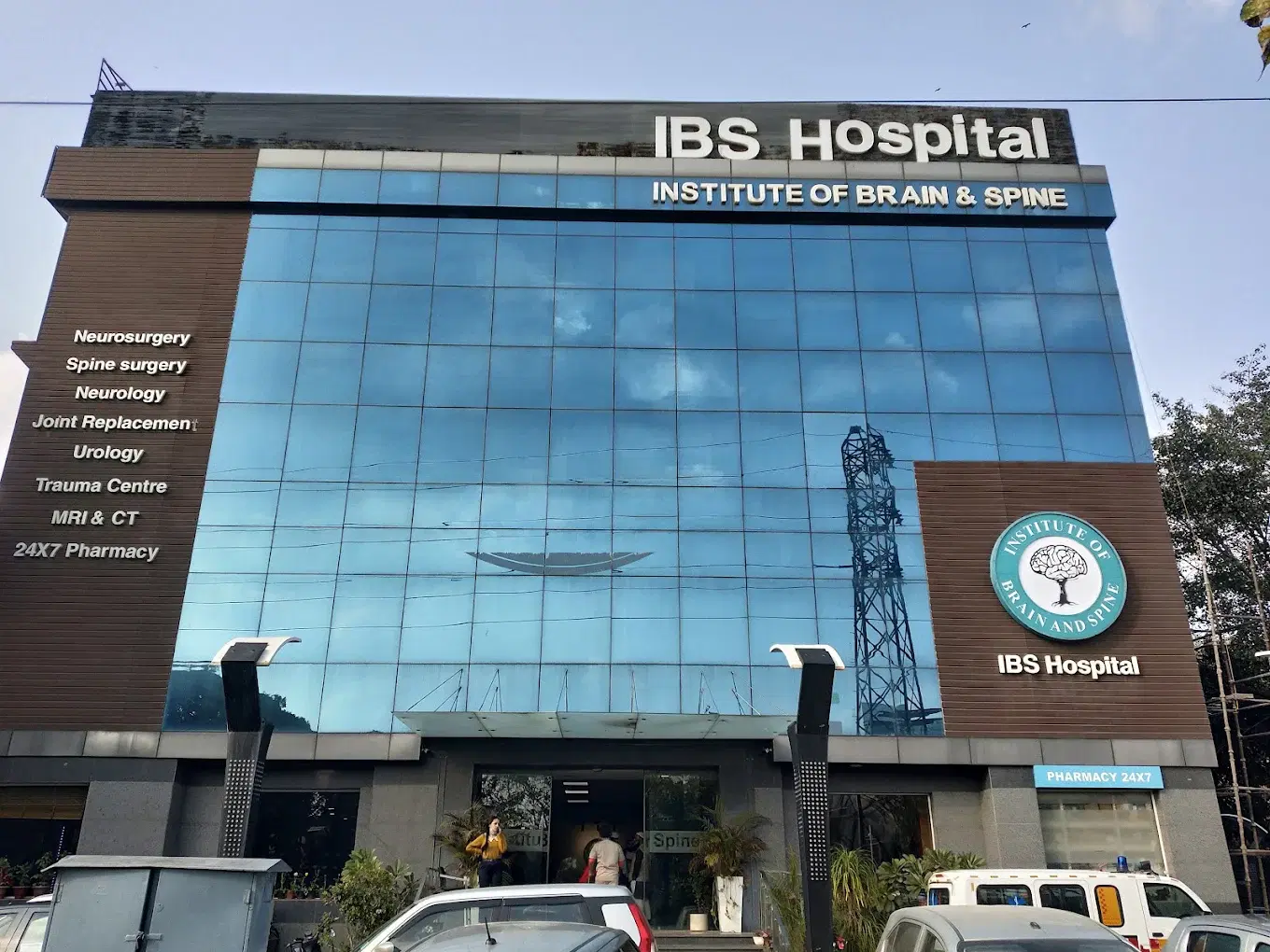
Institute of Brain and Spine (IBS Hospital)
Not Specified
Meet Our Medical Specialists




Sr. Consultant - Urology & Kidney Transplant Program (Unit I)
Dr. Abhinandan Mukhopadhyay
MBBS, MD
India

Sr. Consultant - Urology & Kidney Transplant Program (Unit I)
Dr. Abhinandan Mukhopadhyay
MBBS, MD
India
How DivinHeal Helps
We simplify your medical journey by providing comprehensive support and access to world-class healthcare.
Expert Specialist Matching
Connecting you with the world's top-rated medical experts.
Accredited Hospital Network
Access to JCI & NABH certified healthcare facilities.
Complete Travel Coordination
Hassle-free visa, stay, and local transport assistance.
24/7 Personal Care
Dedicated patient advisors supporting you at every step.
Journey Guidance
Full guidance from start to end of the patient treatment journey.
Expert Specialist Matching
Connecting you with the world's top-rated medical experts.
Everything you
need to know today
Browse through these common inquiries to better understand our patient-focused medical platform.
Yes, we work with a variety of insurance providers. Contact our team to verify your coverage.
Yes, we provide secure online consultations with experienced specialists.
Our care coordinators help match you with the most suitable specialist.
Absolutely. Your medical information is protected according to healthcare privacy standards.
Look at six things: accreditation (JCI or NABH), specialty depth, doctor credentials and experience, procedure-specific success rates, international patient support, and technology. DivinHeal's AI-driven matching evaluates every hospital in our accredited partner network on these dimensions and shortlists the best-fit options for your condition, budget, and country.
JCI (Joint Commission International) is the US-based global gold standard for hospital quality, recognised worldwide. NABH is India's national accreditation — accredited by ISQua, the same body that accredits JCI. Both signal independently verified safety and quality. Most of India's leading hospitals hold both.
Yes. All three welcome international patients through structured medical visa programs. India is the most established, treating patients from Africa, the Middle East, and South Asia at 60–80% lower cost. Thailand leads in cosmetic and dental care. The UAE is emerging in oncology and reproductive medicine.
Most patients save 50–80% on treatment costs. Heart bypass costs US $7,000–9,000 in India compared to $70,000–150,000 in the US. IVF costs $3,000–4,500 compared to $12,000–20,000 in the UK. Even after flights, visa, and accommodation, total savings remain 60–70%.
DivinHeal manages your entire non-medical journey: visa invitation letters, medical visa guidance, doctor appointments, teleconsultations, airport pickup, hospital-vetted accommodation for you and your attendant, language interpreters, local transport, cuisine preferences, and post-treatment follow-up — one dedicated coordinator from first enquiry to final follow-up.
You need a valid passport (6+ months validity), a medical visa (M-Visa for India — DivinHeal provides the hospital invitation letter), return flight tickets, recent medical reports and a doctor's referral, current prescription list, and proof of financial means. Any accompanying attendant needs their own passport and MX-Visa.
Still have more questions?
Book a call with our friendly team to learn how DivineHeal simplifies your healthcare journey.