
Left Atrial Appendage Closure (LAAC) Treatment in Gurugram for Nigeria
Need Personalized Advice?
Our medical experts are ready to answer your questions and guide you through your treatment options.
About
Left Atrial Appendage Closure in Gurugram for Nigerian Patients
Nigerian patients seeking advanced cardiac care often face concerns about accessing specialized treatments like Left Atrial Appendage Closure (LAAC) within their home country. The decision to travel for medical care can be daunting, bringing questions about quality, safety, and the overall experience of receiving a complex procedure far from home.
Many individuals from Nigeria are now exploring Gurugram as a premier destination for cardiac interventions. This city offers a well-established medical tourism infrastructure, providing a coordinated care environment where international patients can feel supported from arrival through recovery, ensuring a smoother journey.
Gurugram’s hospitals are equipped with cutting-edge technology and staffed by highly experienced cardiac specialists. The city provides comprehensive care, making it easier for patients to manage their pre-procedure evaluations, the treatment itself, and crucial post-operative follow-ups within a single, integrated system.
How does Gurugram provide the right solution for your LAAC needs?
What is Left Atrial Appendage Closure (LAAC)?
Left Atrial Appendage Closure (LAAC) is a minimally invasive cardiac procedure designed to reduce the risk of stroke in patients with atrial fibrillation (AFib) who are unsuitable for long-term oral anticoagulation (blood thinners). During AFib, blood can pool and clot in a small pouch within the heart’s upper left chamber, called the left atrial appendage (LAA). If a clot forms and then dislodges, it can travel to the brain and cause a stroke. LAAC involves closing off this appendage, physically preventing clots from forming there and subsequently migrating.
Approaches to Left Atrial Appendage Closure
While LAAC primarily refers to a single interventional procedure, the approach can vary based on the device used and the patient's specific anatomy:
- Transcatheter LAAC with Occlusion Devices: This is the most common approach, involving the insertion of a catheter through a vein in the leg to deploy a device (such as a WATCHMAN FLX™, Amulet™, or similar) to seal off the LAA. This is a non-surgical, minimally invasive method.
- Epicardial LAA Occlusion: In some cases, a device may be placed on the outside of the left atrial appendage, often performed during open-heart surgery for another condition (like bypass surgery) or as a standalone, minimally invasive surgical procedure through a small incision.
- Surgical LAA Excision or Ligation: This involves physically cutting off (excision) or tying off (ligation) the LAA during open-heart surgery. This is typically done if a patient is already undergoing major cardiac surgery for another reason.
The choice of approach and device is determined by the cardiac team based on the patient's individual profile and suitability.
When is Left Atrial Appendage Closure Required?
- Patients diagnosed with non-valvular atrial fibrillation.
- Individuals with a high risk of stroke based on their medical history.
- Those who cannot tolerate long-term oral anticoagulants due to bleeding complications.
- Patients who have had previous serious bleeding events while on blood thinners.
- Individuals with conditions that make long-term blood thinner use risky or difficult.
- Patients seeking an alternative to daily medication for stroke prevention in AFib.
Pre-Treatment Evaluation for LAAC
- Detailed Medical History and Physical Exam: To assess overall health and cardiac status.
- Electrocardiogram (ECG): To confirm atrial fibrillation and evaluate heart rhythm.
- Transthoracic Echocardiogram (TTE): To assess heart structure, function, and valvular health.
- Transesophageal Echocardiogram (TEE): Crucial for detailed imaging of the left atrial appendage, ensuring no pre-existing clots are present and measuring its size and shape for device selection.
- CT Angiography of the LAA: Provides 3D imaging for precise anatomical mapping and procedural planning.
- Blood Tests: Including complete blood count, kidney and liver function tests, and coagulation profile.
- Cardiologist Consultation: To discuss risks, benefits, and determine candidacy for the procedure.
How the LAAC Procedure is Performed
The Left Atrial Appendage Closure procedure is typically performed in a cardiac catheterization lab and depends on the chosen device and specific patient plan.
Transcatheter LAAC Procedure Steps:
- Preparation: The patient receives local anesthesia and sedation or general anesthesia. A small incision is made in the groin to access the femoral vein.
- Catheter Insertion: A guidewire and catheter are advanced through the femoral vein up to the heart.
- Transseptal Puncture: A specialized needle is used to create a small opening in the wall separating the right and left atria (interatrial septum), allowing access to the left atrium and subsequently the left atrial appendage.
- LAA Mapping and Device Delivery: A guiding catheter is placed into the LAA. Detailed imaging (usually TEE and fluoroscopy) is used to precisely measure the appendage and guide the deployment of the chosen occlusion device (e.g., WATCHMAN FLX™, Amulet™).
- Device Deployment and Confirmation: The device is carefully expanded within the LAA to seal it off. The cardiac team confirms its stable position and effective closure using imaging before releasing it.
- Closure: The catheters are removed, and the incision site in the groin is closed.
Recovery Process After LAAC
Recovery from a Left Atrial Appendage Closure procedure is generally swift due to its minimally invasive nature. Most patients stay in the hospital for 1-2 days for observation. Patients typically return to light activities within a few days, avoiding strenuous exercise for a few weeks. A short course of antiplatelet medication is usually prescribed after the procedure. Follow-up appointments, often including a transesophageal echocardiogram (TEE) at 45 days or 3 months, are essential to confirm complete LAA closure and device stability. Long-term monitoring by a cardiologist is part of ongoing care to ensure continued stroke risk reduction.
Risks and Success Rates of LAAC
- Procedural Risks: Potential for bleeding, infection at the access site, or allergic reaction to contrast dye.
- Cardiac Complications: Rare but possible risks include pericardial effusion (fluid around the heart), cardiac tamponade, or air embolism.
- Device-Related Risks: Very rarely, device embolization (device moving from its position) or device-related thrombus formation can occur.
- Stroke or Transient Ischemic Attack (TIA): While the procedure aims to prevent stroke, there's a very small risk of stroke during or immediately after the procedure.
The success rate for Left Atrial Appendage Closure in effectively sealing the LAA is very high, typically above 95%. This procedure has been shown to reduce the risk of stroke significantly in eligible patients, comparable to or even better than long-term oral anticoagulation for many individuals. Outcomes can vary based on individual patient health, anatomical factors, and the expertise of the performing medical team. Long-term studies demonstrate sustained benefits in stroke prevention.
Cost of Left Atrial Appendage Closure in Gurugram
The cost of Left Atrial Appendage Closure in Gurugram varies depending on several factors, including the specific hospital chosen, the type of LAAC device used (e.g., WATCHMAN FLX™, Amulet™), the duration of hospital stay, and any additional diagnostic tests or specialist consultations required. Gurugram offers advanced facilities that provide competitive pricing without compromising on quality of care.
For Nigerian patients considering LAAC in Gurugram, the procedure typically ranges from INR 6,00,000 to INR 12,00,000.
Gurugram vs. Global LAAC Cost Comparison
Gurugram provides a significant cost advantage for Left Atrial Appendage Closure when compared to many Western countries, making high-quality treatment more accessible for international patients.
| Location | Estimated Cost (USD) |
|---|---|
| Gurugram, India | $7,000 - $14,500 |
| United States | $35,000 - $60,000 |
| United Kingdom | $25,000 - $45,000 |
| Germany | $20,000 - $35,000 |
| Singapore | $18,000 - $30,000 |
Ready to explore LAAC options in Gurugram?
Our team is here to help you understand your choices and connect you with leading cardiac specialists.
Comprehensive Support Services for International Patients
- Medical Visa Assistance: Guidance and necessary documentation for obtaining your medical visa.
- Travel and Accommodation: Support with flight arrangements, airport transfers, and booking suitable accommodation.
- Language Interpreters: Professional interpreters to ensure clear communication with medical staff.
- Dedicated Patient Coordinators: A single point of contact to manage appointments and all logistical needs.
- Post-Treatment Care Planning: Assistance with follow-up appointments and recovery arrangements in Gurugram.
- Family Support: Guidance for accompanying family members to ensure their comfort during the stay.
Key Documents for Your Medical Travel to Gurugram
- Valid Passport: With sufficient validity for your intended stay.
- Medical Visa for India: Processed specifically for medical treatment.
- Medical Reports: All relevant diagnostic reports, doctor's notes, and prescription history related to your heart condition.
- Fitness to Travel Certificate: From your local doctor, confirming you are fit for air travel.
- Financial Documents: Proof of funds to cover treatment and travel expenses.
- Contact Information: Details of your treating physician in Nigeria and emergency contacts.
Preparing for Your LAAC Procedure in Gurugram
- Medical Clearance: Ensure all pre-procedure tests are completed and reviewed by the Gurugram medical team.
- Medication Review: Discuss all current medications with your cardiologist; some may need adjustment before the procedure.
- Fasting Instructions: Adhere strictly to fasting guidelines provided by the hospital before your procedure.
- Personal Essentials: Pack comfortable clothing, toiletries, and any personal items for your hospital stay.
- Travel Documents: Keep all essential travel and medical documents organized and easily accessible.
- Rest and Hydration: Ensure you are well-rested and adequately hydrated before traveling and undergoing the procedure.
Recovery and Follow-Up Care After LAAC
- Hospital Stay: Expect 1-2 nights of observation following the procedure.
- Medication Schedule: Follow the prescribed antiplatelet therapy for the recommended duration.
- Activity Restrictions: Avoid heavy lifting and strenuous activities for a few weeks as advised by your doctor.
- Incision Site Care: Keep the groin incision clean and dry to prevent infection.
- Follow-up Imaging: Attend scheduled TEE appointments to confirm device placement and LAA closure.
- Regular Check-ups: Maintain ongoing follow-up with a cardiologist for long-term monitoring of your heart health.
Take Your Next Step Toward Better Heart Health
Connect with specialists in Gurugram today to discuss your LAAC options and begin your journey to recovery.
Your Journey to Better Health Starts Here
Choosing to undergo Left Atrial Appendage Closure in Gurugram means opting for expert medical care, advanced technology, and comprehensive patient support. We are dedicated to ensuring a safe and effective treatment experience for every Nigerian patient.
Hospitals Offering this treatment
India offers premium medical procedures at affordable prices. Discover our most popular treatments, delivered by the country's finest doctors.
Meet Our Doctors
Meet our team of highly qualified and experienced medical professionals dedicated to providing the best healthcare services.

Dr. Ajit Singh Baghela
Consultant
Paediatric Neurology
Haryana
9+ Years
Experience
Artemis Hospital
Hospital
1500
Fees
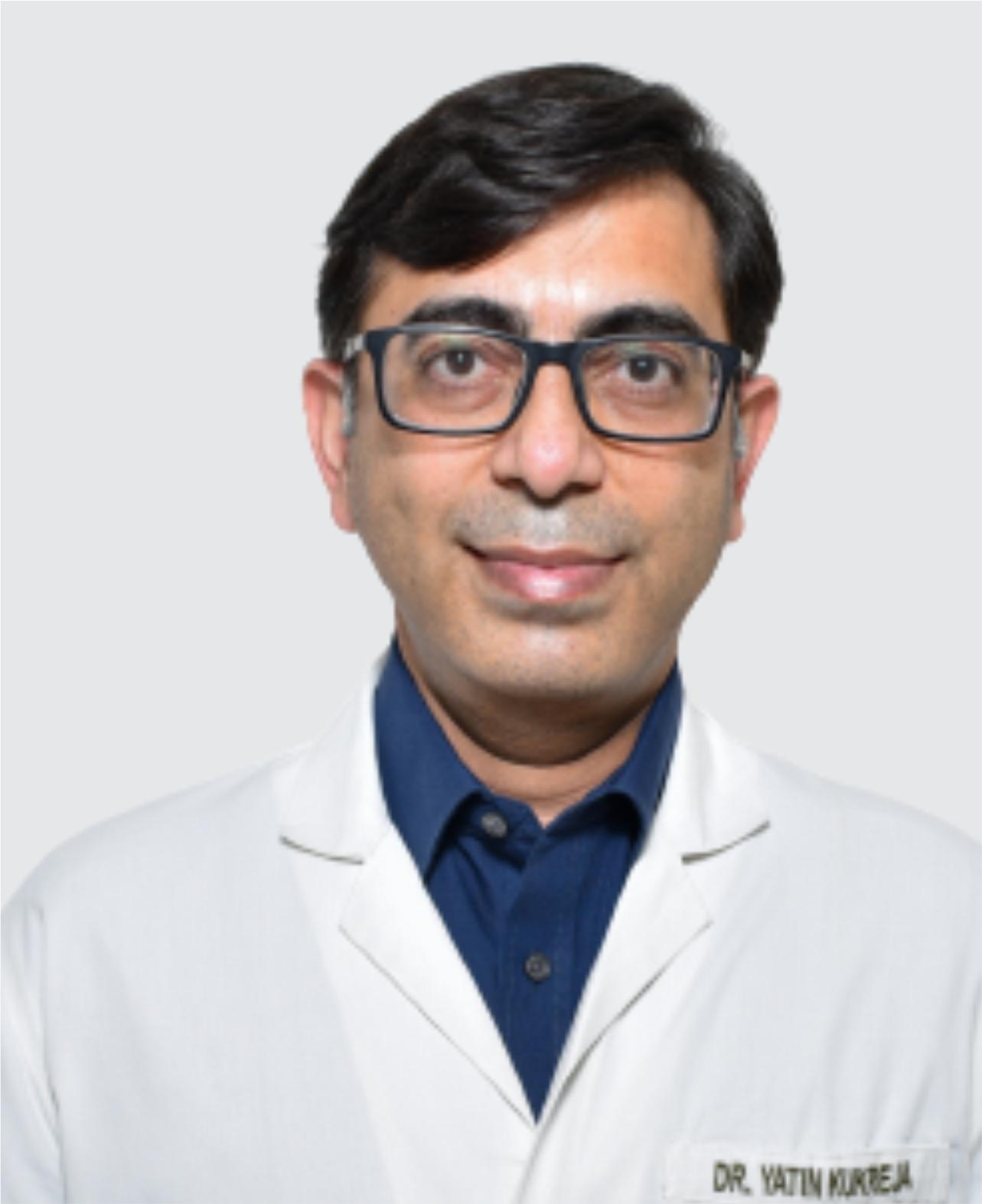
Dr. Yatin Kukreja
Director
Cardiology
New Delhi
14+ Years
Experience
Artemis Hospital
Hospital
1500
Fees

Dr. Ramneek Mahajan
Senior Director – Orthopaedics & Head – Joint Reconstruction (Hip & Knee), Max Smart Super Speciality Hospital, Saket, New Delhi
Orthopedics & Joint Replacement
New Delhi
26+ Years
Experience
Max Hospital,Gurgaon
Hospital
1500
Fees

Dr. Nakul Sinha
Chairman - Cardiology
Cardiology
New Delhi
41+ Years
Experience
Max Hospital,Gurgaon
Hospital
1500
Fees

Dr. Naveen Bhamri
Vice Chairman, Cardiac Sciences, Cardiology, Interventional Cardiology, Cardiac Electrophysiology-Pacemaker & Director & HOD (Interventional Cardiology) at Max Super Speciality Hospital, Shalimar Bagh, Delhi
Interventional Cardiology
New Delhi
26+ Years
Experience
Max Hospital,Gurgaon
Hospital
1500
Fees
Related Links
Other Treatment related Information
International Patient Visiting India
Ready To Start Your Healing Journey?
Get Personalized Medical Treatment Options From India's Top Hospitals. Our Medical Experts Are Ready To Assist You Every Step Of The Way.