
Left Atrial Appendage Closure (LAAC) Treatment in New Delhi for Ethiopia
Need Personalized Advice?
Our medical experts are ready to answer your questions and guide you through your treatment options.
About
Left Atrial Appendage Closure in New Delhi for Ethiopia
Patients from Ethiopia considering Left Atrial Appendage Closure (LAAC) often face significant concerns. Understanding the procedure, its effectiveness, and where to seek the best care for a complex heart condition can be overwhelming. The journey to better health begins with clear, reliable information.
For those seeking specialized cardiac interventions, New Delhi has emerged as a preferred destination. Many choose to explore options beyond their home country to access advanced medical technology, highly skilled specialists, and streamlined care pathways for procedures like LAAC. The focus in New Delhi is on patient-centric services.
The city's leading hospitals are known for their commitment to international patient care, including comprehensive pre and post treatment support. Patients from Ethiopia can expect world-class facilities and experienced cardiology teams within New Delhi, ensuring continuity and quality of care.
Is New Delhi the right choice for your LAAC procedure?
What is Left Atrial Appendage Closure (LAAC)?
Left Atrial Appendage Closure (LAAC) is a minimally invasive procedure designed to reduce the risk of stroke in people with atrial fibrillation (AFib) who cannot tolerate long-term blood thinners. In AFib, the heart's upper chambers beat irregularly, which can lead to blood pooling and clot formation, primarily in a small pouch called the left atrial appendage (LAA). If a clot forms and breaks free, it can travel to the brain and cause a stroke. LAAC involves implanting a device to seal off the LAA, preventing clots from escaping and thereby offering an alternative to anticoagulant medication for eligible patients. This procedure offers a significant step towards managing stroke risk without daily medication burdens.
Treatment Options for Atrial Fibrillation
- Medical Management: This involves prescription medications such as anticoagulants (blood thinners) to prevent clot formation, antiarrhythmics to control heart rhythm, and beta-blockers or calcium channel blockers to manage heart rate.
- Cardioversion: A procedure that uses electrical shocks or medications to restore a normal heart rhythm in patients with AFib.
- Catheter Ablation: A minimally invasive procedure where doctors use heat or cold energy to create tiny scars in the heart, blocking abnormal electrical signals that cause AFib.
- Left Atrial Appendage Closure (LAAC): As described, this percutaneous procedure specifically seals off the LAA to reduce stroke risk without long-term oral anticoagulants.
- Surgical LAA Exclusion: In some cases, if open-heart surgery is already being performed for another condition, the left atrial appendage may be surgically removed or ligated to prevent clot formation.
When is Left Atrial Appendage Closure Required?
- Patients diagnosed with non-valvular atrial fibrillation.
- Those at high risk of stroke who also have a high risk of bleeding from traditional blood thinners.
- Individuals who have experienced serious bleeding while on oral anticoagulants.
- Patients who cannot take blood thinners due to lifestyle, profession, or personal preference.
- Those with a history of recurrent falls or other conditions that increase bleeding risk.
- For patients seeking an alternative to daily, long-term anticoagulant medication.
Pre-Treatment Evaluation for LAAC
- Detailed Medical History and Physical Examination: To understand your overall health and cardiac condition.
- Electrocardiogram (ECG): To confirm atrial fibrillation and assess heart rhythm.
- Echocardiogram (Transthoracic and Transesophageal - TEE): Essential for visualizing the heart's structure, LAA size, and to rule out clots inside the LAA.
- Computed Tomography (CT) Scan: Often used to gain a precise anatomical map of the LAA, aiding in device sizing and procedural planning.
- Blood Tests: Including complete blood count, kidney and liver function tests, and coagulation profile.
- Consultation with a Cardiologist and Electrophysiologist: To determine suitability for the procedure and discuss risks and benefits.
How the LAAC Procedure is Performed
The Left Atrial Appendage Closure procedure is a sophisticated intervention tailored to the patient's specific anatomy and condition.
Transcatheter LAAC Procedure Steps
The LAAC procedure is typically performed under general anesthesia. It is a minimally invasive, percutaneous procedure, meaning it does not involve open-heart surgery.
- Access: A small incision is made, usually in the groin, to access the femoral vein. A catheter is then guided through the vein and into the right atrium of the heart.
- Transseptal Puncture: The cardiologist then carefully performs a transseptal puncture, creating a small opening in the wall between the right and left atria, allowing access to the left atrium and subsequently, the left atrial appendage.
- Device Placement: Using advanced imaging guidance, such as transesophageal echocardiography (TEE) and fluoroscopy, the LAAC device (e.g., Watchman, Amulet) is carefully advanced into the left atrial appendage.
- Deployment: Once correctly positioned and sized, the device is deployed. It expands to permanently seal off the LAA, preventing blood clots from forming and escaping.
- Confirmation: The cardiologist confirms proper device placement and stability using imaging before retrieving the catheters. The small incision in the groin is then closed.
The entire procedure typically takes about 1-2 hours, though this can vary. Patients usually stay in the hospital for 1-2 days for observation.
Recovery Process After LAAC
Recovery after a Left Atrial Appendage Closure procedure is generally smooth and relatively quick compared to open-heart surgery. Most patients are monitored in the hospital for 1 to 2 days after the procedure. During this time, the medical team will monitor for any complications and manage pain. Patients are typically advised to avoid strenuous activities, heavy lifting, and intense exercise for a few weeks. Follow-up appointments are crucial to assess device function and integration. This often includes a TEE at 45 days post-procedure to ensure the LAA is fully sealed and to determine if anticoagulant therapy can be discontinued. The medical team will provide detailed instructions on wound care, medication management, and when to resume normal activities.
Risks and Success Rates of LAAC
- Procedural Risks: Potential for bleeding, infection at the access site, or allergic reaction to contrast dye.
- Cardiac Complications: Rare risks include cardiac perforation, pericardial effusion (fluid around the heart), or device embolization (device moving from its intended position).
- Stroke or Transient Ischemic Attack (TIA): While the procedure aims to prevent stroke, there is a very small risk of stroke during or immediately after the procedure.
- Device-Related Thrombus: In some cases, a clot can form on the device itself, requiring further management.
The success rate for Left Atrial Appendage Closure is high, with studies showing significant reduction in stroke risk for eligible patients. The vast majority of procedures are completed without major complications, and the devices are successfully implanted. Long-term studies indicate that LAAC can be as effective as lifelong oral anticoagulation for stroke prevention in non-valvular AFib patients who are unable to take blood thinners. Individual outcomes can vary based on factors such as patient health, LAA anatomy, and the expertise of the medical team. Regular follow-up and adherence to post-procedure guidelines are key to ensuring the best long-term results and realizing the full benefits of the treatment.
Cost of LAAC Treatment in New Delhi
The cost of Left Atrial Appendage Closure (LAAC) in New Delhi is influenced by several factors. These include the specific hospital chosen, the experience of the treating cardiologist or electrophysiologist, the type and brand of the LAAC device used, the duration of hospital stay, and any additional diagnostic tests or pre-existing conditions that require management. New Delhi offers a competitive pricing structure for advanced cardiac care.
In New Delhi, the estimated cost for Left Atrial Appendage Closure (LAAC) typically ranges from INR 10,00,000 to INR 18,00,000.
New Delhi vs. Global LAAC Treatment Costs
New Delhi provides a cost-effective option for LAAC procedures without compromising on the quality of care or advanced medical technology. Here is a comparison of typical costs.
| Location | Estimated Cost (USD) |
|---|---|
| New Delhi, India | $12,000 - $22,000 |
| United States | $40,000 - $60,000 |
| United Kingdom | $30,000 - $45,000 |
| Germany | $25,000 - $38,000 |
Ready to Explore LAAC Options in New Delhi?
Our team is here to guide you through every step, from initial inquiry to your recovery journey. Contact us for personalized assistance and detailed information.
Comprehensive Support Services for International Patients from Ethiopia
- Appointment Scheduling: Assistance with booking consultations and procedure dates with leading cardiologists in New Delhi.
- Travel and Accommodation Assistance: Guidance on visa applications, flight bookings, and arranging suitable lodging options for you and your accompanying family.
- Language Interpretation: Access to professional interpreters to ensure clear communication between you and your medical team.
- Dedicated Patient Coordinator: A single point of contact to assist with all non-medical aspects of your trip, including hospital admissions and discharge.
- Post-Treatment Follow-up: Coordination of virtual consultations for follow-up care once you return to Ethiopia.
- Financial Guidance: Clear breakdown of treatment costs and assistance with payment processes.
Important Papers Required for Your Medical Visit to New Delhi
- Valid Passport and Visa: Ensure both are current and appropriate for medical travel to India.
- Medical Reports and Records: All relevant diagnostic reports, doctor's notes, imaging scans (ECG, TEE, CT), and a referral letter from your local physician.
- Proof of Funds: Documentation to demonstrate financial capability for treatment and travel expenses.
- Travel Insurance: Recommended for unexpected events during your stay.
- List of Current Medications: Including dosages and frequencies.
- Contact Information: Details of your emergency contact person in Ethiopia.
Steps to Get Ready for Your LAAC Procedure
- Medical Clearance: Complete all required pre-operative tests and consultations as advised by your New Delhi medical team.
- Medication Review: Discuss any medications you are currently taking with your cardiologist, especially blood thinners, which may need to be adjusted or stopped temporarily.
- Dietary Instructions: Follow specific instructions regarding fasting before the procedure.
- Travel Arrangements: Confirm all travel and accommodation details well in advance of your scheduled procedure date.
- Personal Essentials: Pack comfortable clothing, personal hygiene items, and any comfort objects you may need during your hospital stay.
- Support System: Arrange for a family member or friend to accompany you, if possible, for support and assistance.
Recovery and Follow-Up Care After Your Procedure
- Hospital Stay: Expect to stay in the hospital for 1-2 days for observation and initial recovery.
- Medication Adherence: Carefully follow all prescribed medication regimens, including any temporary blood thinners.
- Activity Restrictions: Avoid strenuous activities, heavy lifting, and driving for the period recommended by your doctor.
- Wound Care: Keep the incision site clean and dry, monitoring for any signs of infection.
- Follow-up Appointments: Attend all scheduled follow-up consultations, including the crucial TEE at 45 days, to assess device healing.
- Lifestyle Adjustments: Embrace a heart-healthy lifestyle, including a balanced diet and regular light exercise, as advised by your care team.
Connect with New Delhi's Leading Cardiac Specialists
Learn more about how Left Atrial Appendage Closure can improve your quality of life. Get expert advice and begin your treatment planning today.
Take Your Next Step Toward Better Heart Health
Choosing New Delhi for your Left Atrial Appendage Closure means opting for advanced care, experienced professionals, and a supportive environment tailored for international patients from Ethiopia.
Hospitals Offering this treatment
India offers premium medical procedures at affordable prices. Discover our most popular treatments, delivered by the country's finest doctors.
Meet Our Doctors
Meet our team of highly qualified and experienced medical professionals dedicated to providing the best healthcare services.

Dr Aditi Dixit
Sr. Consultant – Women Imaging
Radiology
New Delhi
15+ Years
Experience
Artemis Hospital
Hospital
1500
Fees

Dr Chandrima Misra M
Co-Head Psychological Services
Mental Health and Behavioural Sciences
New Delhi
15+ Years
Experience
Artemis Hospital
Hospital
1500
Fees

Dr. Nutan Agarwal
Head of Department - Gynae Endocrinology & DNB Program Director - Obs & Gynae
Gynaecological Endocrinology, Maternity, Obstetrics & Gynaecology
New Delhi
35+ Years
Experience
Artemis Hospital
Hospital
1500
Fees

Dr. Poonam Gautam
Senior Consultant - ENT
ENT and Head & Neck Surgery
New Delhi
24+ Years
Experience
Artemis Hospital
Hospital
1500
Fees
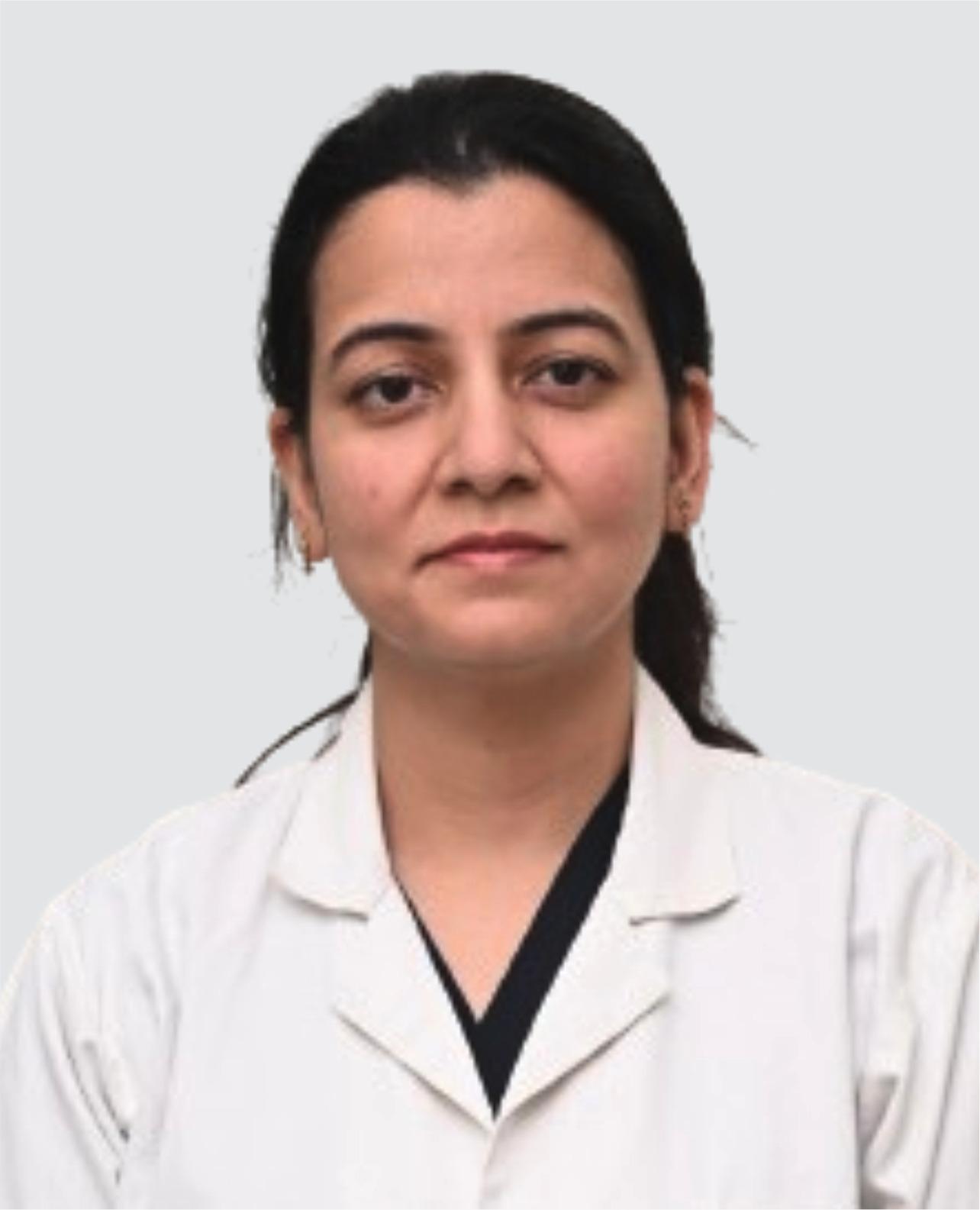
Dr. Priyanka Raina
Consultant (Head & Neck Surgery) - Surgical Oncology
Head and Neck Surgical Oncology
New Delhi
10+ Years
Experience
Artemis Hospital
Hospital
1500
Fees

Dr. Rupinder Sekhon
Chairperson - Gynae Oncology
Gynaecological Oncology
New Delhi
16+ Years
Experience
Artemis Hospital
Hospital
1500
Fees

Dr. Kiran Arora
Unit Head - Reproductive Medicine (Unit II)
IVF, Reproductive Medicine, Obstetrics & Gynecology
New Delhi
20+ Years
Experience
Artemis Hospital
Hospital
1500
Fees

Nidhi Jain
Sr. Consultant - Obs & Gynae
Maternity, Obstetrics & Gynaecology
New Delhi
15+ Years
Experience
Artemis Hospital
Hospital
1500
Fees

Dr. Nidhi Rajotia
Unit Head - Obs & Gynae
Maternity, Obstetrics & Gynaecology
New Delhi
19+ Years
Experience
Artemis Hospital
Hospital
1500
Fees

Dr. Reshma Tewari
Director
Obstetrics and Gynaecology
New Delhi
19+ Years
Experience
Artemis Hospital
Hospital
1500
Fees
Related Links
Other Treatment related Information
- Left Atrial Appendage Closure (LAAC) cost in Chennai
- Left Atrial Appendage Closure (LAAC) cost in Bengaluru
- Left Atrial Appendage Closure (LAAC) cost in New Delhi
- Left Atrial Appendage Closure (LAAC) cost in India
- Left Atrial Appendage Closure (LAAC) cost in Hyderabad
- Left Atrial Appendage Closure (LAAC) cost in Pune
- Left Atrial Appendage Closure (LAAC) cost in Haryana
- Left Atrial Appendage Closure (LAAC) cost in Mumbai
- Left Atrial Appendage Closure (LAAC) Success Rate in India
- Left Atrial Appendage Closure (LAAC) Success Rate in New Delhi
- Left Atrial Appendage Closure (LAAC) Success Rate in Haryana
- Left Atrial Appendage Closure (LAAC) Success Rate in Pune
- Left Atrial Appendage Closure (LAAC) Success Rate in Bengaluru
- Left Atrial Appendage Closure (LAAC) Success Rate in Hyderabad
- Left Atrial Appendage Closure (LAAC) Success Rate in Mumbai
- Left Atrial Appendage Closure (LAAC) Success Rate in Chennai
- Best Left Atrial Appendage Closure (LAAC) Doctors in Gurugram
- Best Left Atrial Appendage Closure (LAAC) Doctors in Bengaluru
- Best Left Atrial Appendage Closure (LAAC) Doctors in Mumbai
- Best Left Atrial Appendage Closure (LAAC) Doctors in India
Ready To Start Your Healing Journey?
Get Personalized Medical Treatment Options From India's Top Hospitals. Our Medical Experts Are Ready To Assist You Every Step Of The Way.